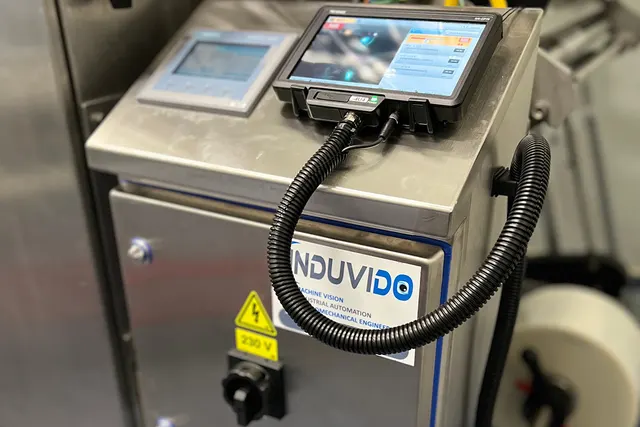
Finding savings in compressed air
With energy prices rising, energy is accounting for an increasingly large share of production costs. If your fixed-price contract has recently expired or is due to expire soon, you know what needs to be done: find ways to save. Compressed air is one of the most expensive energy sources today. But ifm electronic’s metris sensors show you how to use it more efficiently.
Compressed air offers considerable potential for reducing your energy bill. “On the one hand, we have not paid enough attention in the past to correct sizing. When energy was affordable, systems were generally given extra capacity that was not actually needed. On the other hand, leaks lead to significant losses of compressed air and, therefore, energy. It is estimated that a third of all compressed air produced worldwide escapes through leaks,” says Marc Everaert, general manager of ifm electronic Belgium.
And the impact is not limited to your energy bill. “An incorrect compressed air flow rate can also prevent your applications from functioning properly. Too little air can mean your products do not move sufficiently, resulting in a loss of quality. Too much, in turn, will needlessly increase energy consumption.”

Accurate measurement and monitoring
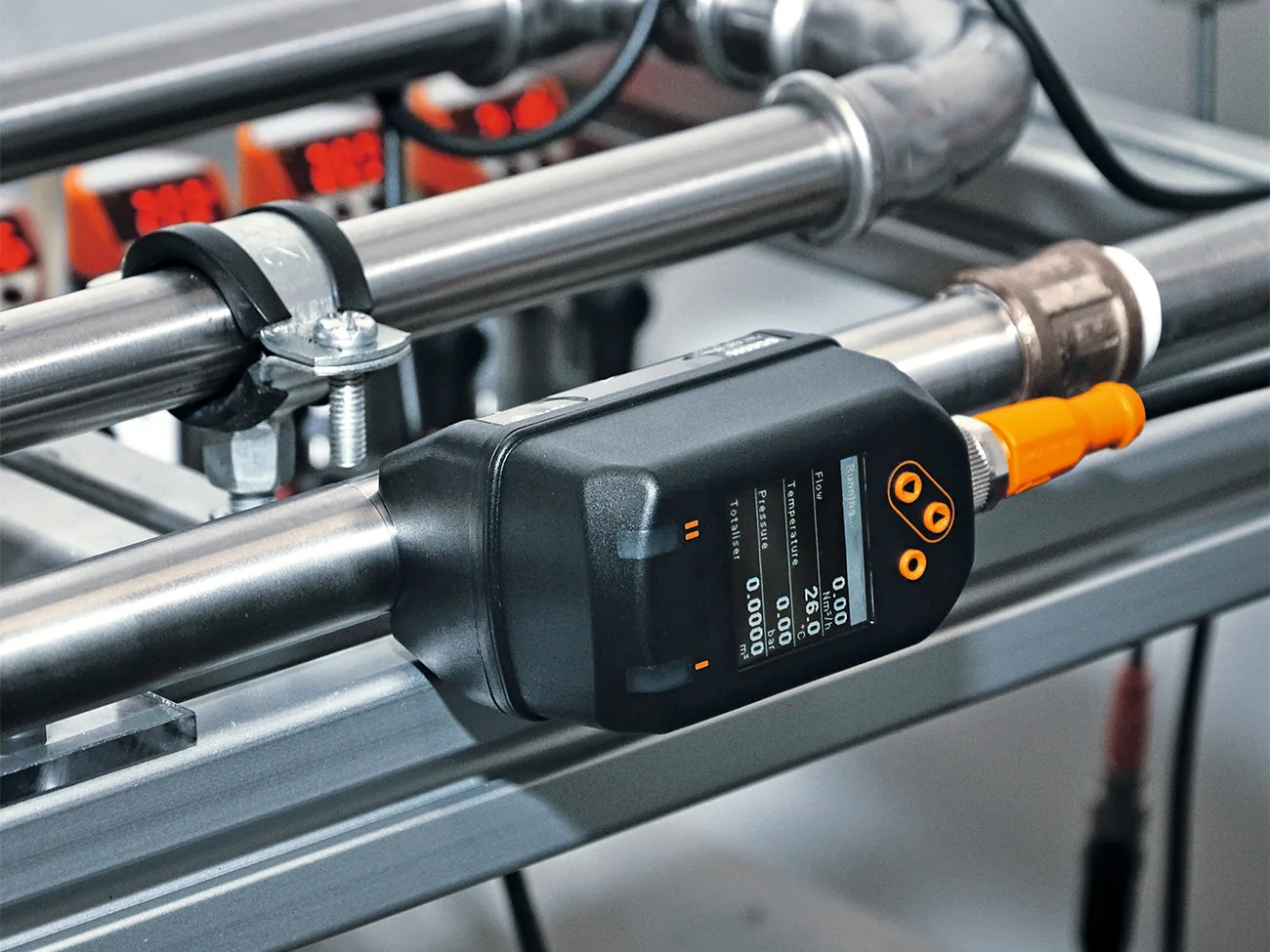
ifm electronic developed its metris sensors twenty years ago to monitor compressed air consumption in pipes.
“At launch, this was a highly innovative product because it introduced a new measurement principle for compressed air. Rather than simply indicating whether compressed air was present or not, it enabled precise monitoring of flow and consumption. We have continued to refine it over the years. Today, we combine four process values (flow, pressure, temperature and total consumption) in a single sensor. This means they remain the most relevant sensors for these applications,” explains field sales support representative Geert De Pauw. And they are more useful than ever for helping companies cut their energy bills. “They work much like the electricity meter in your home. Instead of installing them at the main inlet, just after the compressor, you fit one at the inlet to each machine. This lets you track exactly how compressed air consumption changes across each installation.”
moneo makes it easy to identify savings potential
But just as a set of scales is not enough to lose weight, companies must also monitor the data to reduce consumption. “Leaks make no noise, have no smell and produce no moisture, so they have never been a top priority. But when you consider that a leak of just 2 mm at a pressure of 10 bar can cost you €6,000… In the current economic climate, we are even seeing payback periods shorter than the payment term on the invoice,” adds De Pauw.
As well as the TFT display on the sensor, moneo gives customers an easy way to see exactly where the savings potential lies in their production. “There is no need to add any intelligence or do any programming. Just click and configure to turn data from the metris sensors into clear dashboards. Set up the necessary alarms to alert you to any anomalies, and you will be on your way to a lower energy bill in no time.”
Also suitable for other gases
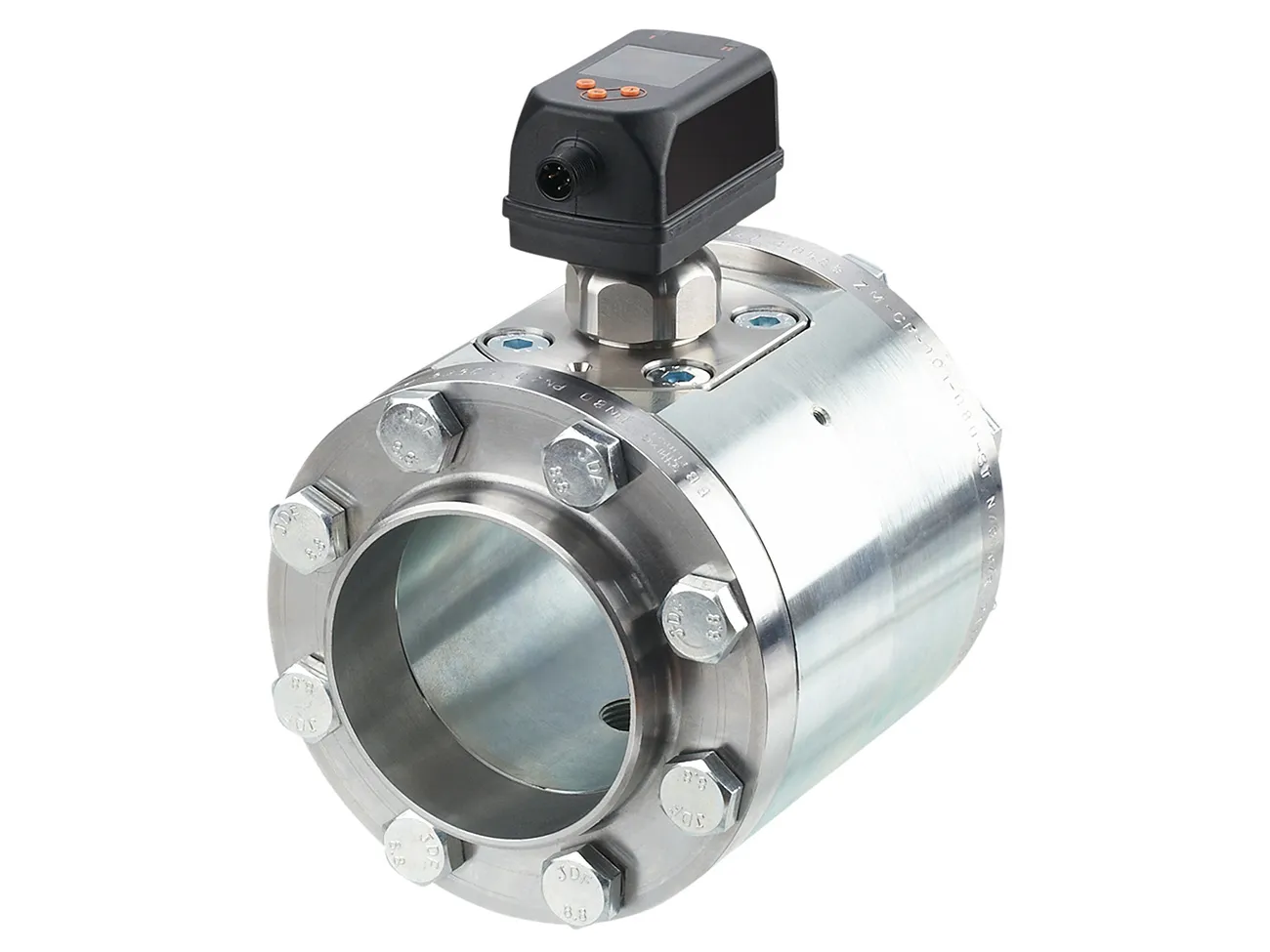
This approach need not be limited to compressed air. In recent years, the metris range has not only expanded to cover more diameters (from DN8 to DN250), but can also analyse multiple gases. “Prices for gases such as oxygen and nitrogen have also risen sharply in recent months. Oxygen, for example, is widely used in cutting processes. Monitoring can be even more important here to ensure the correct flow rate, given the cost, quality and safety implications.”
Question about this story? Ask your question
Keep following this
Get an email when a new story is published. No account needed.
- ThemeProcess measurement and control
- SubjectSensors & vision