2D or 3D vision? Which works best for your application?
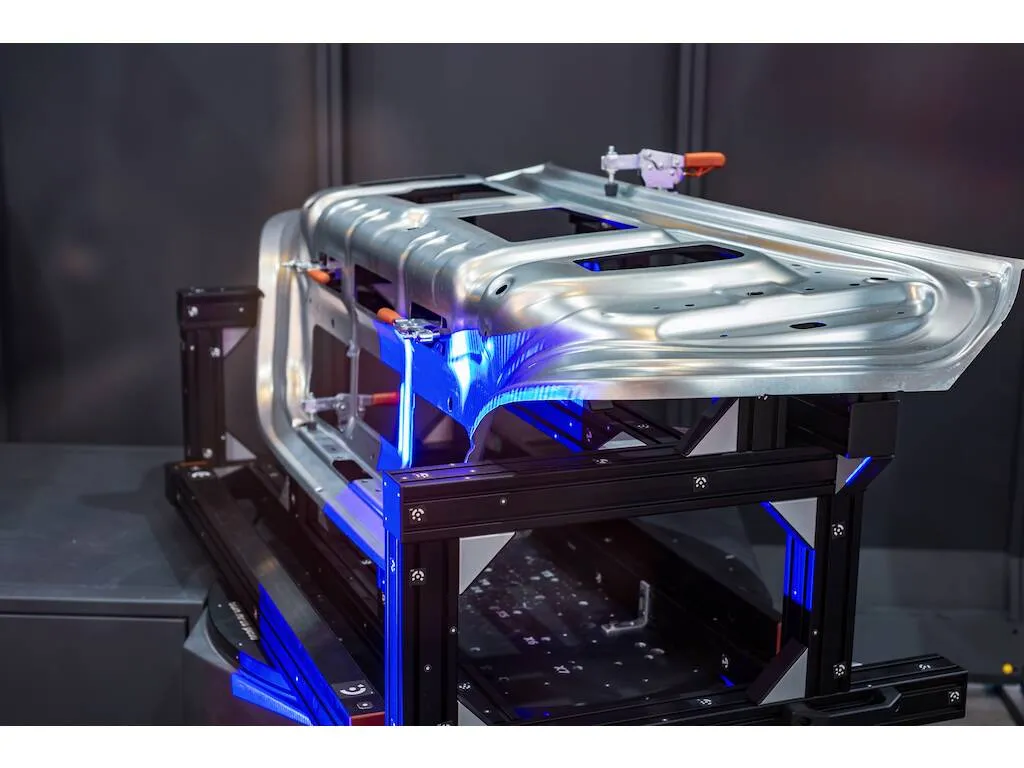
Vision solutions give machines eyes. This development is primarily intended to replace or complement certain manual tasks with digital cameras and image processing. The technology is useful in many industries for automating production and improving product quality. Today, users can choose between both 2D and 3D cameras. This article offers some guidelines to help you decide which option may be most suitable for your application.
The rise of vision technology is closely linked to the fact that it has become much more affordable. These sensors used to be expensive and complex. Today, machine vision is more affordable than ever and consistently highly accurate. But which type of vision is best suited to your application? In some cases, the choice will be clear, while in others both options have advantages and disadvantages. It is therefore important to understand the strengths of each to find a solution that delivers reliable machine vision.
A rough distinction
2D vision can be implemented using configurable cameras, vision inspection systems, programmable smart cameras and even cameras capable of streaming images at high speeds. As with 3D vision, the possibilities are endless. 2D is still the standard for positioning, inspecting, measuring and reading objects. The technology is ideally suited to applications with high contrast or where texture and colour are key to the solution. 3D vision, meanwhile, is better suited to analysing volumes and shapes, or the 3D position of objects. It is also useful for detecting parts and defects with little contrast but a discernible difference in height. 3D vision is used primarily to measure, inspect and position objects, but it can also be used to read codes or text when contrast information is absent.
How 2D vision technology works
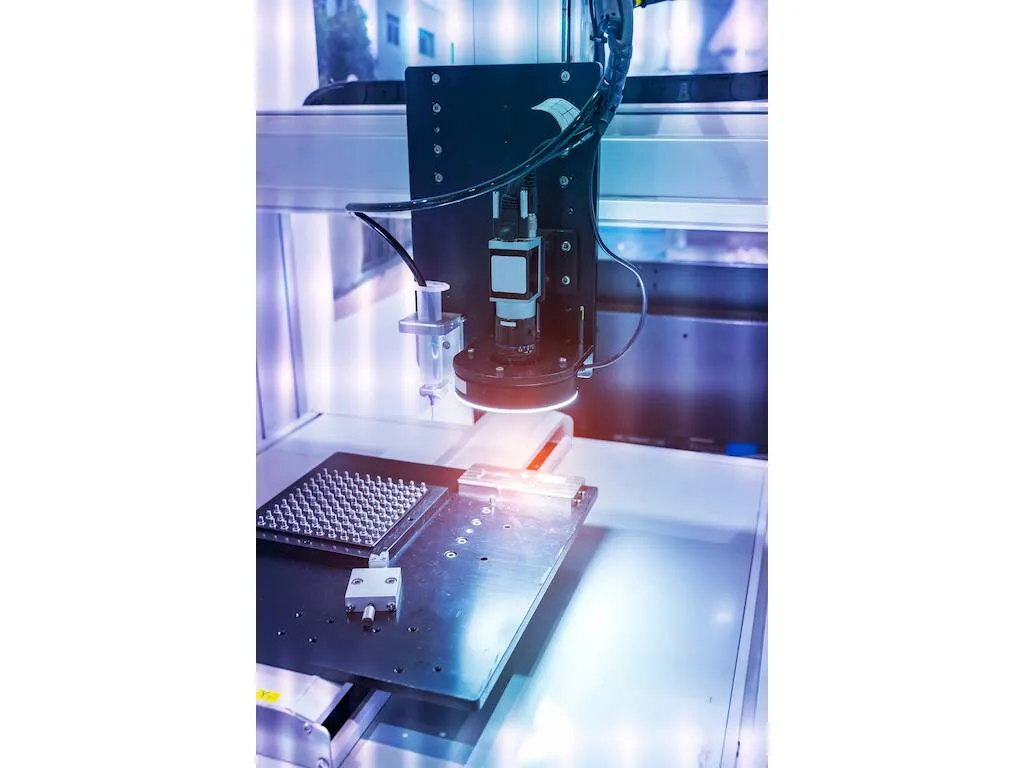
In 2D image processing, the image to be analysed is captured either directly by an area-scan camera or using a line-scan camera. In both cases, the result is an image showing intensity values (monochrome) or colour images (often in RGB values). The choice of lens and lighting is key to good 2D image processing. Lighting plays a major role in image quality. Correct lighting will highlight the features to be analysed, regardless of ambient light. Manufacturers of 2D vision solutions generally have various techniques at their disposal to ensure that the light reaches the right place. Typical applications include data code inspection, checking the shape of flat objects, line guidance for AGVs, type verification based on colour, assembly verification …
How 3D vision technology works
The third dimension can be captured in an image in several ways, using either scanning or snapshot technology. Scanners create 3D images by building them up profile by profile, either by moving an object through the measurement range or by moving the camera over the object. To obtain the correct 3D data and therefore a valid 3D image, the movement must be constant or accurately known, for example by using an encoder to track it. The 3D images produced are generally highly accurate. Snapshot technology captures a complete 3D image of an object in a single shot, much like a consumer camera, but in 3D. Neither the object nor the camera needs to move, but the technology cannot yet match the accuracy of scanning technology. Typical applications include robotic picking, checking packaging contents, electronics assembly, food portioning and obstacle detection for AGVs …
Question about this story? Ask your question
Keep following this
Get an email when a new story is published. No account needed.
- SubjectSensors & vision