Smart control valve comes with built-in computing power
Text Valérie CouplezImage Focus-On
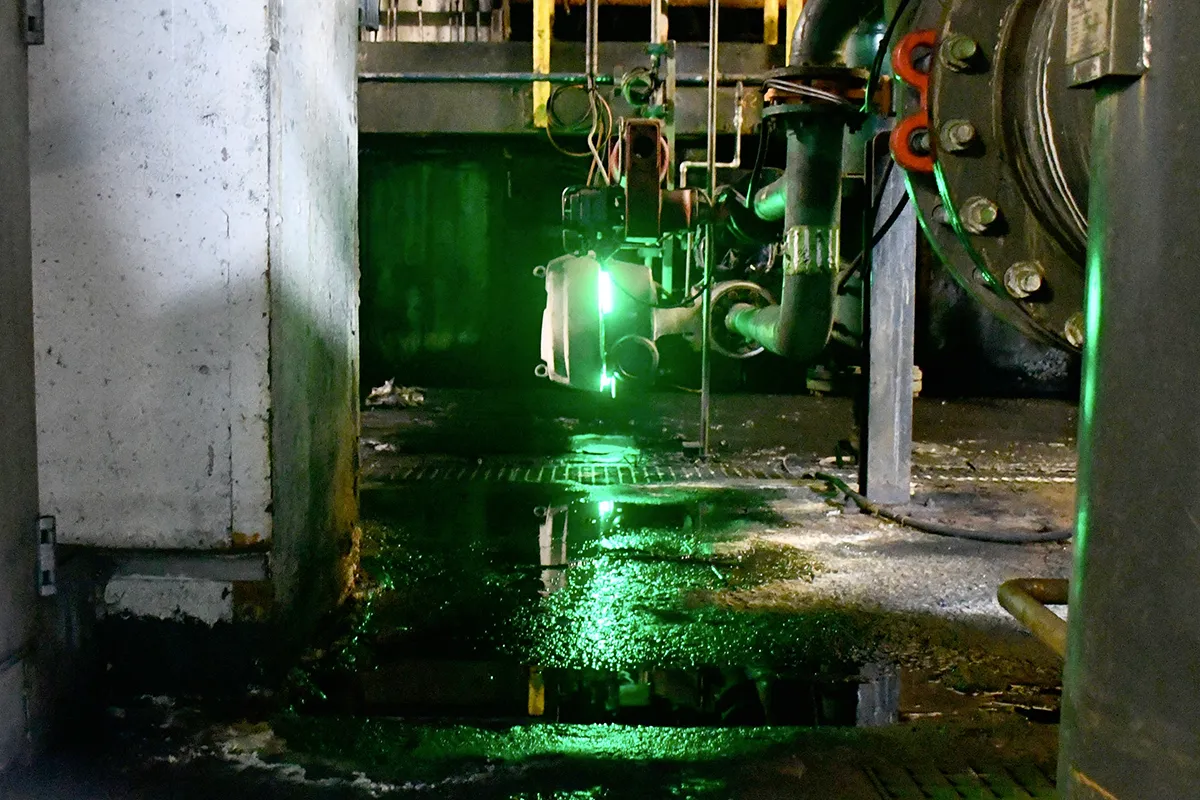
The combination of a control valve and a sensor in one is not entirely unique. But what really sets Focus-On apart is how the product is built. By moving away from the conventional approach of using chips with embedded software, it can step up a gear in the continuous improvement of its product. An approach that is now paying off. More and more companies are seeing the benefits of Focus-On’s technology.
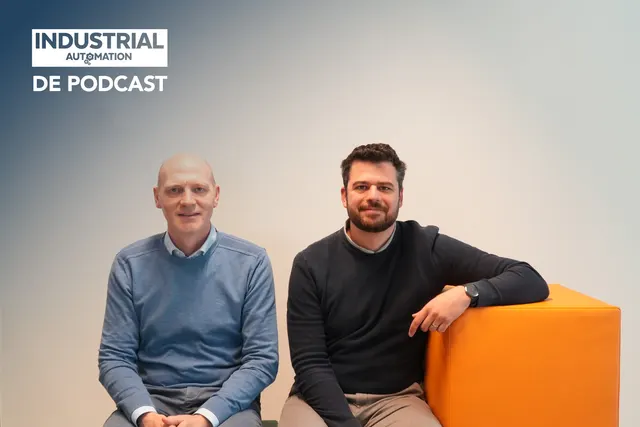
Focus-On is a joint venture between Samson and Krohne. One brings expertise in control valves to the table, the other in sensors. And that brings a host of benefits. Business Development & Marketing Manager George Borst explains: “Processes are becoming increasingly complex. Building a good ‘control loop’ requires specialist knowledge of sensors, displays, valves and P&ID settings. This makes installations complicated and prone to errors. With our smart Focus-1 control valve, which combines flow, pressure and temperature measurement, you can easily monitor, analyse and maintain the control valve.”
1+1 = 3
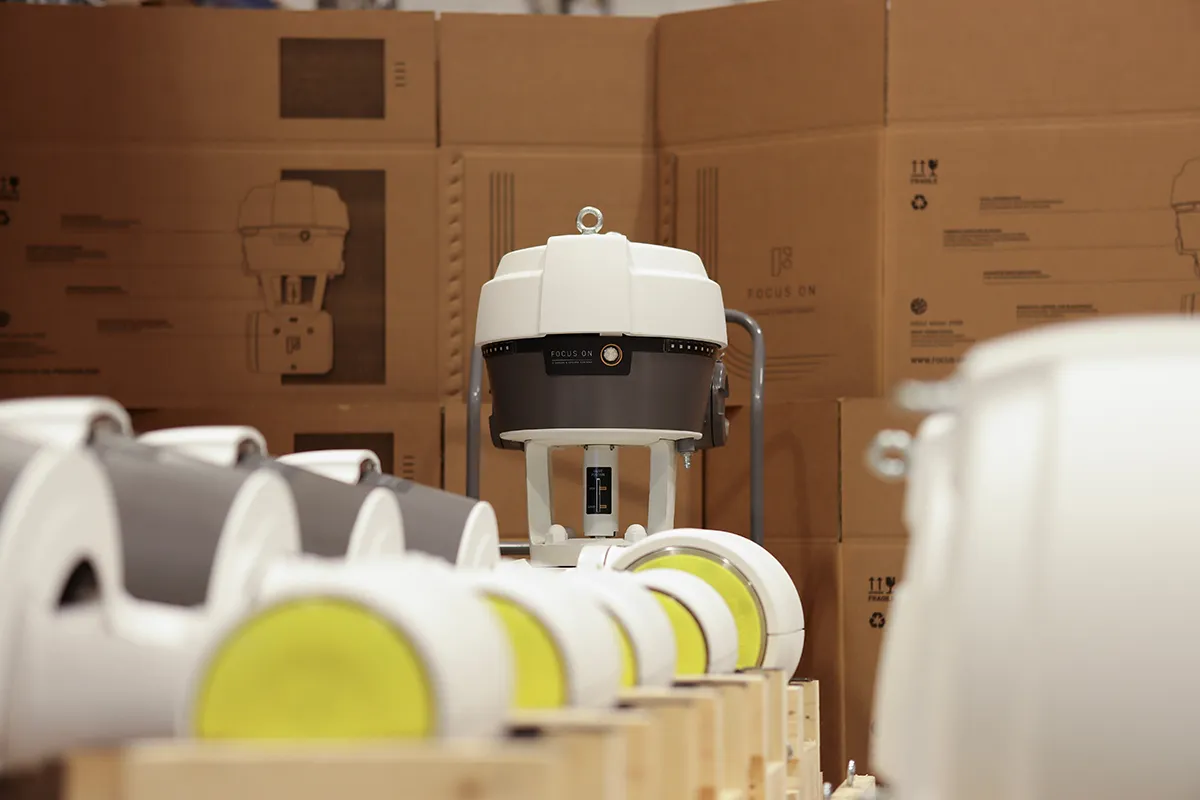
But what makes the Focus-1 so good is that one plus one has become three. General Manager Eelco Van Harten explains: “We have taken the combination of actuator and sensor functions as far as we possibly can.” He points to the various prototypes on the wall that preceded the Focus-1. “That made the learning curve a little steeper in the early years, but it means we can now develop our choices further more quickly.” The starting point was two observations: the ageing workforce means knowledge is disappearing from industry, while Moore’s law (the number of transistors on a chip doubles every two years, ed.) means products are becoming smarter at an ever faster pace. “What does this exponential growth mean for industry? What should your instrument look like so that it can both preserve knowledge and enable you to keep innovating?”
A new architecture
The conventional design of sensors in the process industries, with I/O communicating with embedded software and HART as the output, was quickly abandoned. “If you want to innovate, you have to develop new hardware every time. It then takes an average of six years before your product is operational, CE-marked and ATEX-certified. These projects are not only slow, but expensive too.” Focus-On therefore opted for a radically new architecture, looking to the electronics industry for inspiration. “We use an industrial Raspberry Pi. You could call it a kind of mini-computer, complete with a processor and memory for running programmes and software. This creates a powerful decentralised solution for making data available and providing better local diagnostics, which was not previously possible. Think of detecting valve leaks or cavitation,” says Van Harten.
Local computing power
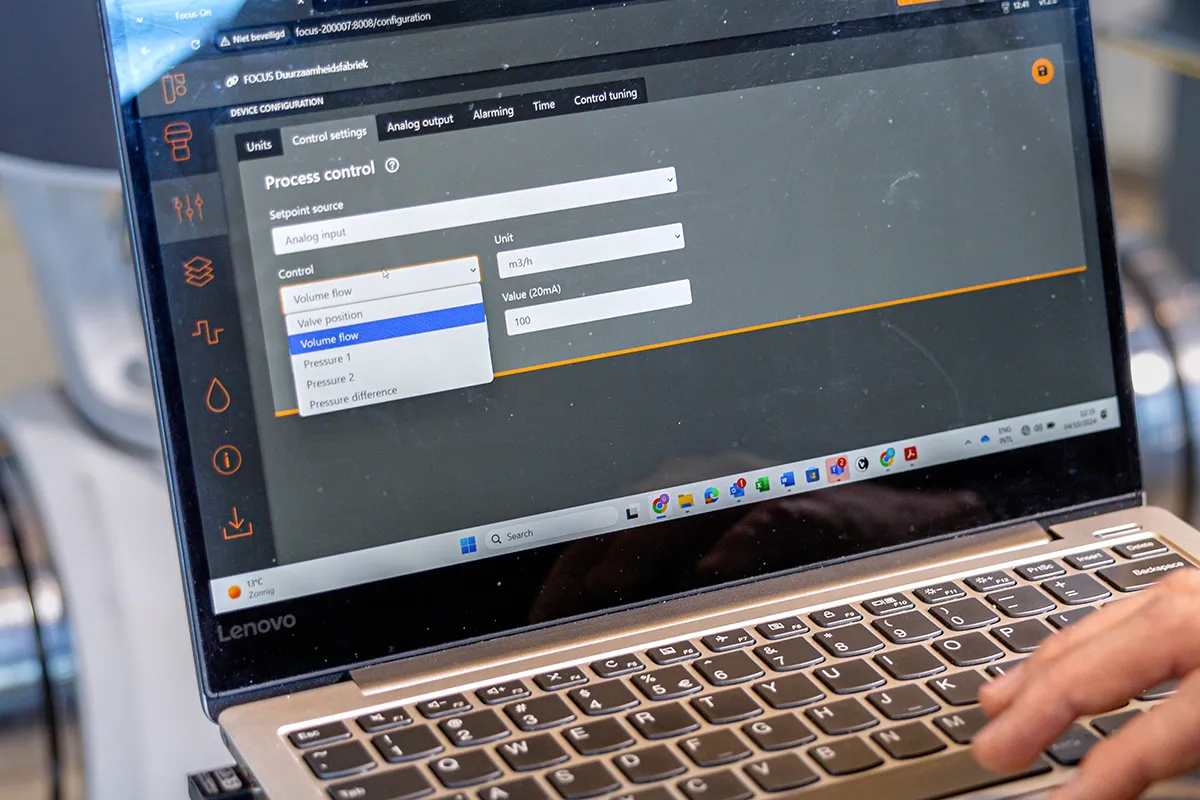
Over the past five years, Focus-On has built up experience in using this approach to deliver a smart solution for the process industries that stands out for its ease of use. “When we started writing down the requirements, my daughter was thirteen. The idea was that she should be able to operate it. That simplicity is needed to help traditional OT engineers overcome their fear of the unknown,” says Van Harten with a laugh. “And yet having that computing power available locally brings so many benefits. With a traditional loop, you can’t rule out latency, even if we’re only talking about seconds. We can measure our setpoint every 100 milliseconds and run the necessary calculations to fine-tune the process. You also get so much diagnostic information that you can genuinely optimise processes, for example to save energy.”
Continuous improvement
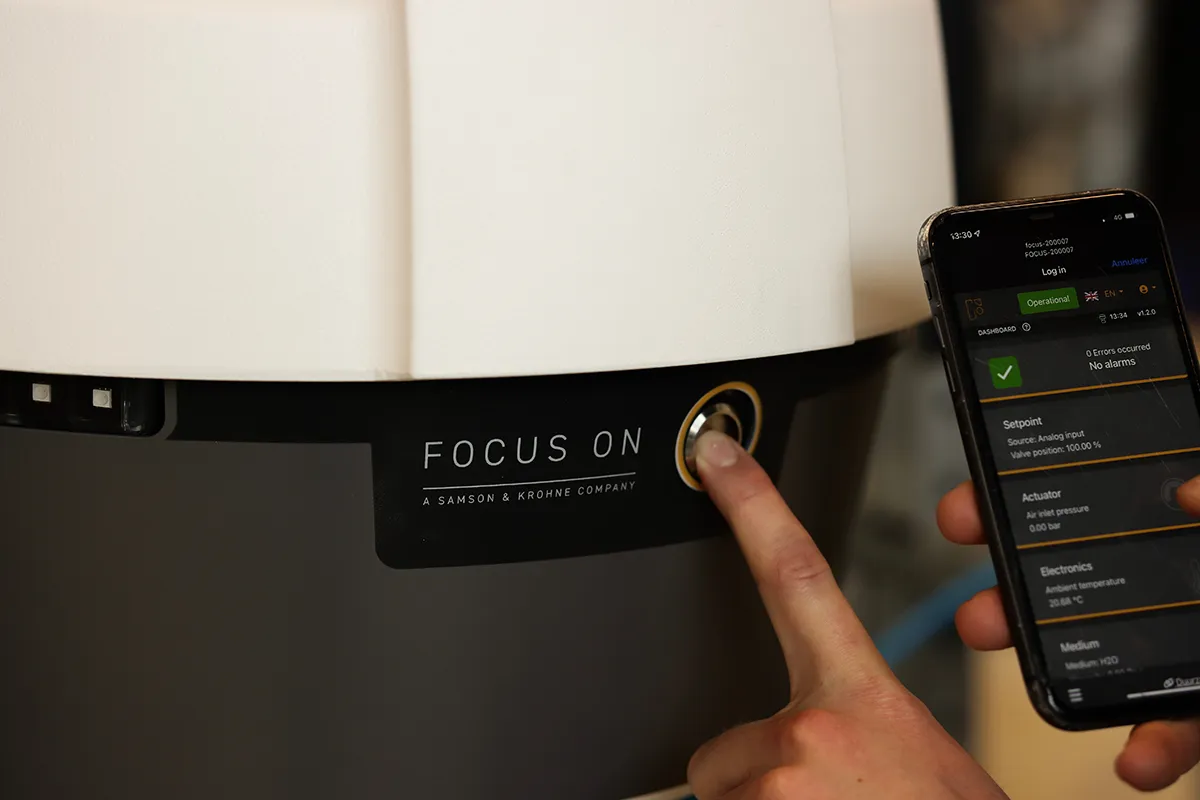
The Focus-1 was therefore adopted quickest in energy-intensive industries such as steel production. Borst says: “But we also see a lot of potential in, for example, drinking water production. The aim there is to keep the pressure as constant as possible while using as little energy as possible.” The experience gained is paying off in new updates, and the architecture is once again a key factor. “Updates can be installed easily over standardised communication networks,” Van Harten adds. Focus-1 users therefore get new functionality every six months. Borst gives a few examples: “With the press of a button, you can now calibrate a zero line from the dashboard to simplify maintenance. You can also download a performance report, with the data already analysed for you and presented in graphs. This is just the tip of the iceberg. We continue to invest heavily in R&D,” Borst concludes.
Een zakelijke vraag aan FOCUS-ON VOF? Get in touch
Companies in this story

Keep following this
Get an email when a new story is published. No account needed.
- ThemeProcess measurement and control
- SubjectProcess & instrumentation
- CompanyFOCUS-ON VOF