RH sensors support relative humidity control during industrial drying processes
Text M. de Wit- BlokImage CaTeC
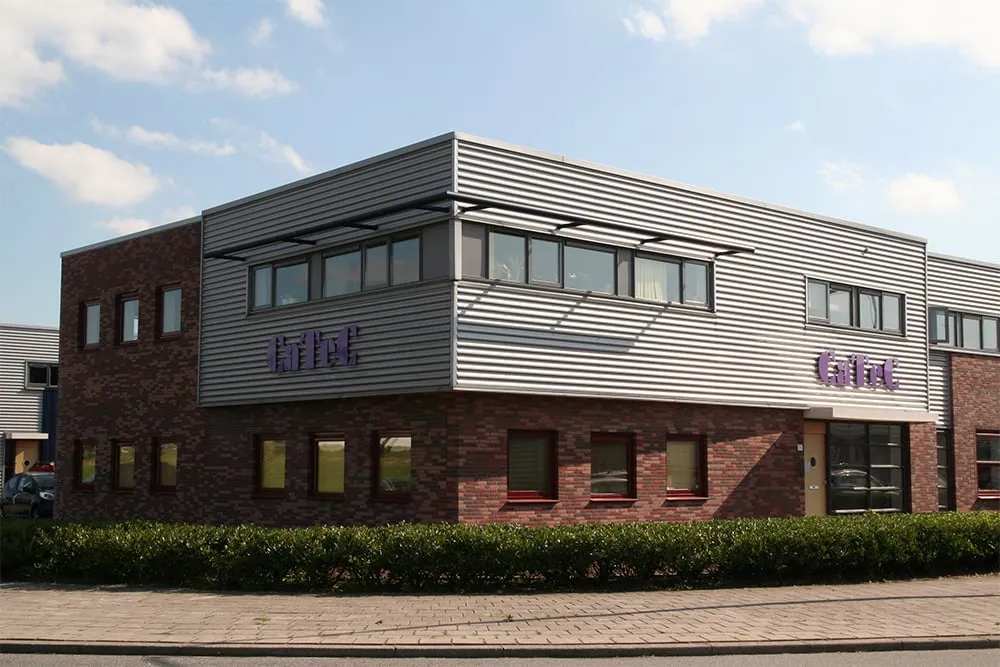
CaTeC, based in Wateringen, supplies a comprehensive range of instruments for measuring relative humidity. These sensors are suitable for a wide range of applications across diverse sectors, including industrial drying processes where the changing relative humidity must be carefully controlled to achieve the desired end result. Examples include a perfectly dried brick or bone-dry wood.
Most of the instruments in CaTeC’s extensive range are used to measure, record and analyse climate parameters. They are used not only to control climate systems in buildings, but also to monitor industrial heating, cooling and drying processes, climate control in horticulture, and the conditions needed to provide animals with the right living environment.
A critical stage
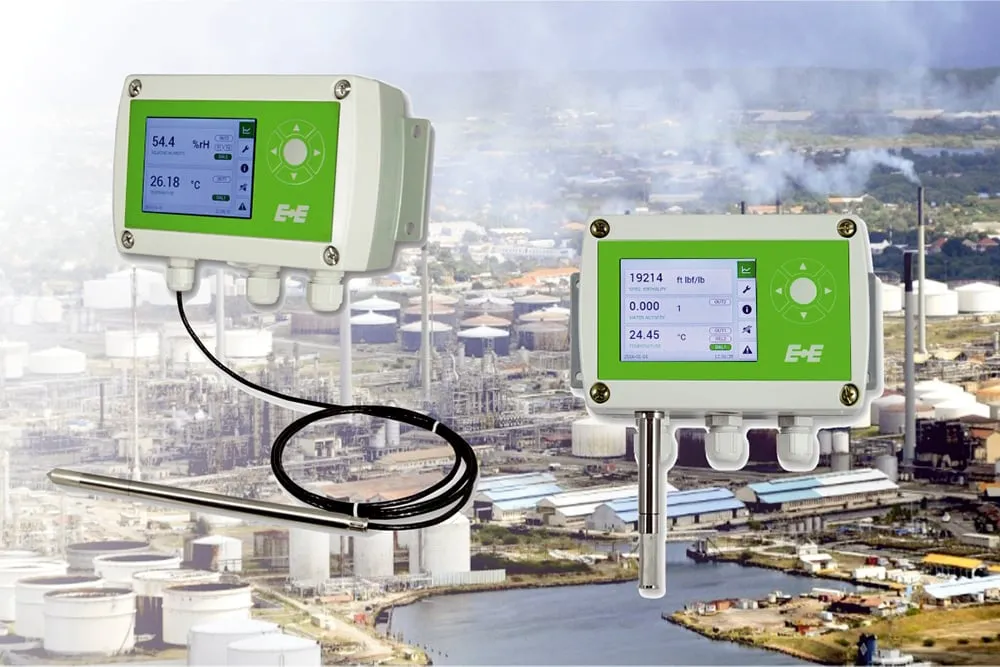
A good industrial example of the use of relative humidity (RH) sensors can be found at companies that manufacture building materials such as bricks and roof tiles. In this production process, drying the products is a critical stage. As the clay dries, the particles that make up the raw material form layers that need to be spaced correctly. If the drying process is too fast, stresses develop in the material, which can cause cracks and splits or simply result in a weaker product. Drying more slowly than necessary is possible, but it extends production times.
To combine optimal production times with the best possible end result, temperature and RH sensors are installed throughout the drying tunnel, which is tens of metres long. At the start of the tunnel, relative humidity is high because of the wet clay. The temperature is around 25-30 °C. As the products move through the tunnel during the drying process, RH falls to 5-10%, while the temperature rises to around 150-200 °C. The entire drying process takes about 48 hours, with the first 24 hours being the most critical because the particles in the clay can still move during this time.
Highly accurate
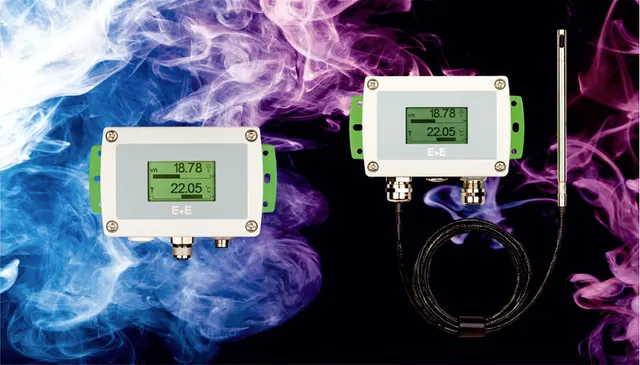
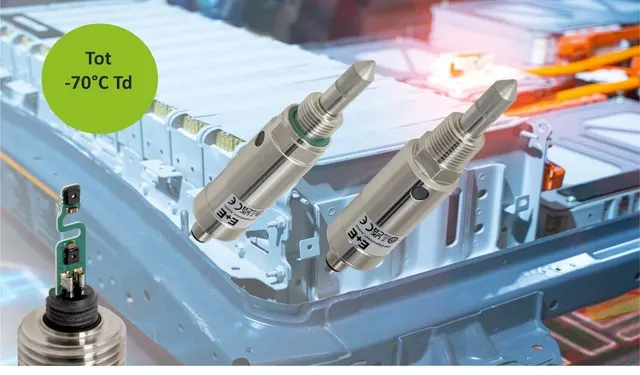
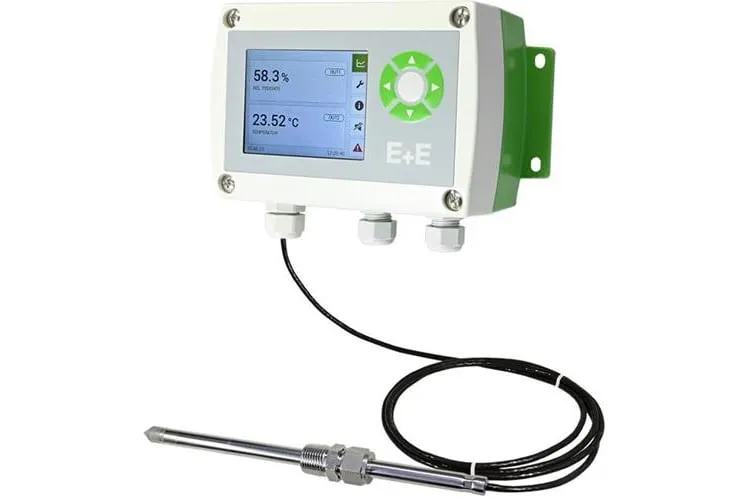
CaTeC offers several RH sensors specifically for these types of industrial drying processes. These include robust industrial meters from E+E, which can withstand major temperature fluctuations and provide highly accurate measurements. This enables the drying process to be controlled as effectively as possible: if humidity falls too quickly, the control system reduces the temperature, and vice versa.
Francis van Dooren, regional sales manager for BeLux at CaTeC: “It is not possible to run these processes according to a fixed schedule. Clay is a natural product, and its moisture content can vary. There are also many different types of clay. Clay that readily releases its moisture can sometimes be dried in as little as three hours; the most difficult types are those that release moisture slowly, which can extend the drying time to as much as ninety hours and means that RH in the drying tunnel must be controlled extremely strictly.”
Other drying applications
In all cases, CaTeC’s RH sensors make it possible to control and automate processes with great precision. Automation means fewer people are needed, but it also makes processes easier to control, preventing unnecessary energy use. The drying process takes as long as necessary, but no longer.
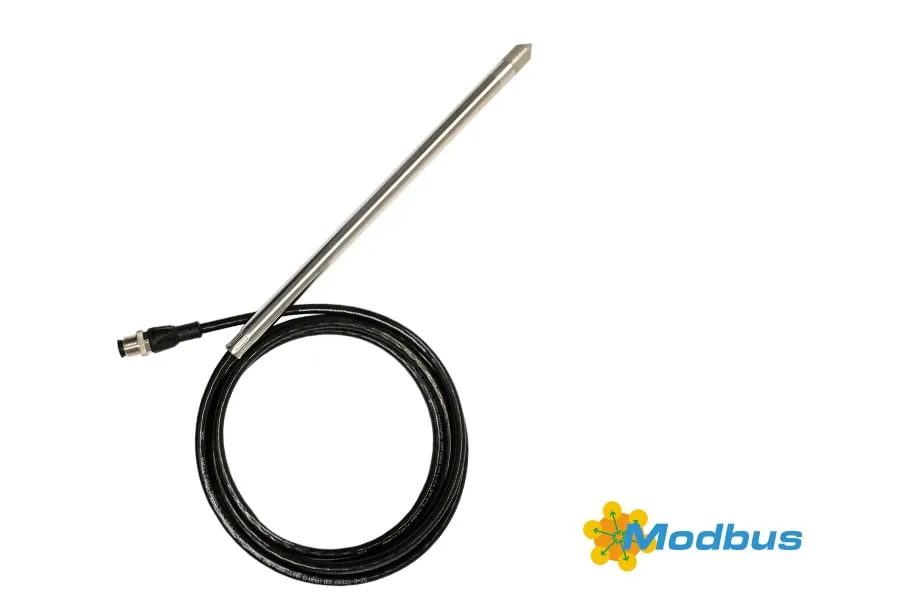
Van Dooren concludes: “These results can only be achieved by using sensors that can withstand these fairly extreme conditions. These include high temperatures, major variations in relative humidity and potentially aggressive gases or contamination. Our range includes several models that can withstand these conditions and even measure RH at 100%. Quality is essential.”
If you have similar applications, you can seek advice from the technical sales team. For more information, you can contact CaTeC bv at any time via the website www.catec.be.
Een zakelijke vraag aan CaTeC bv? Get in touch
Companies in this story

Keep following this
Get an email when a new story is published. No account needed.
- ThemeProcess measurement and control
- SubjectProcess & instrumentation
- CompanyCaTeC bv