Remote flowmeter diagnostics save CO2
Text Valérie CouplezImage Endress+Hauser
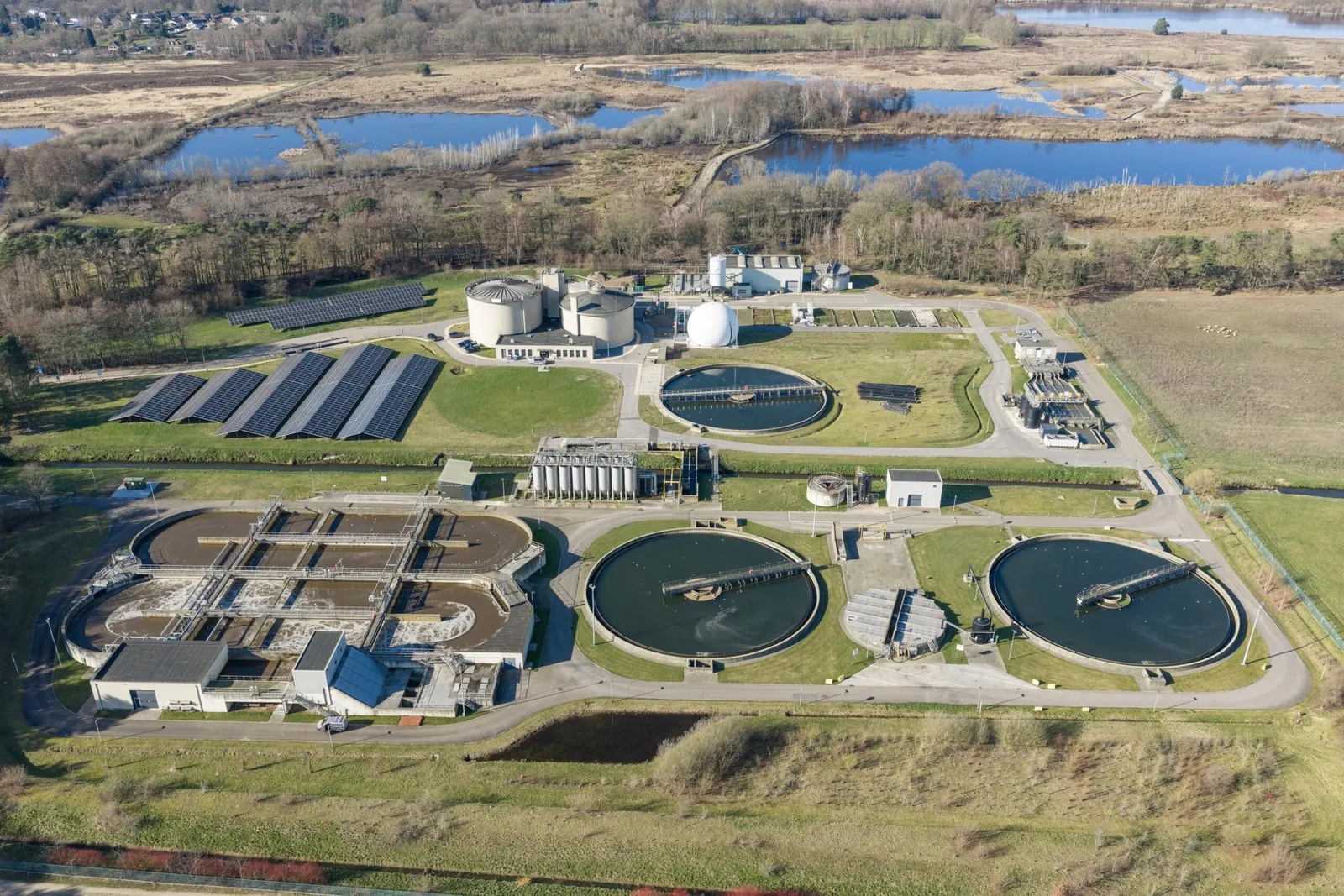
Aquafin uses flowmeters to monitor exactly how much wastewater is discharged. But for the data to be reliable, the proper functioning of the devices must also be guaranteed. Endress+Hauser’s Heartbeat Technology enables Aquafin to monitor this remotely.
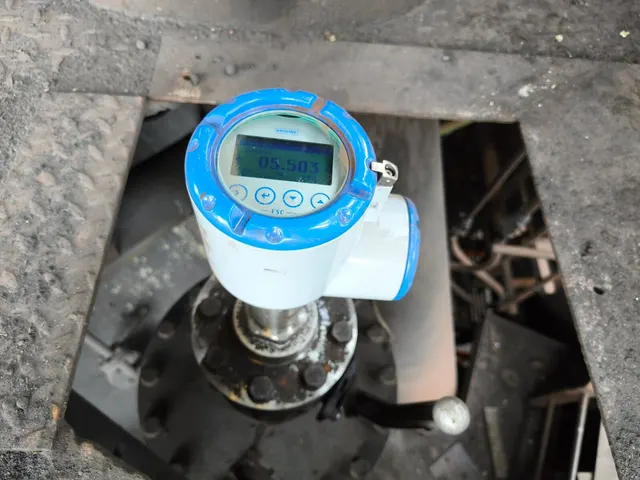
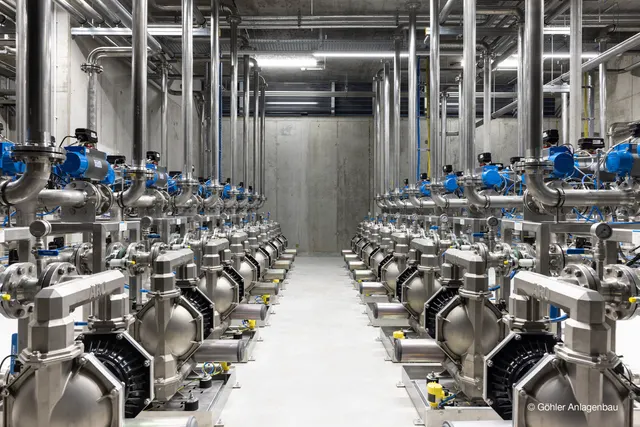
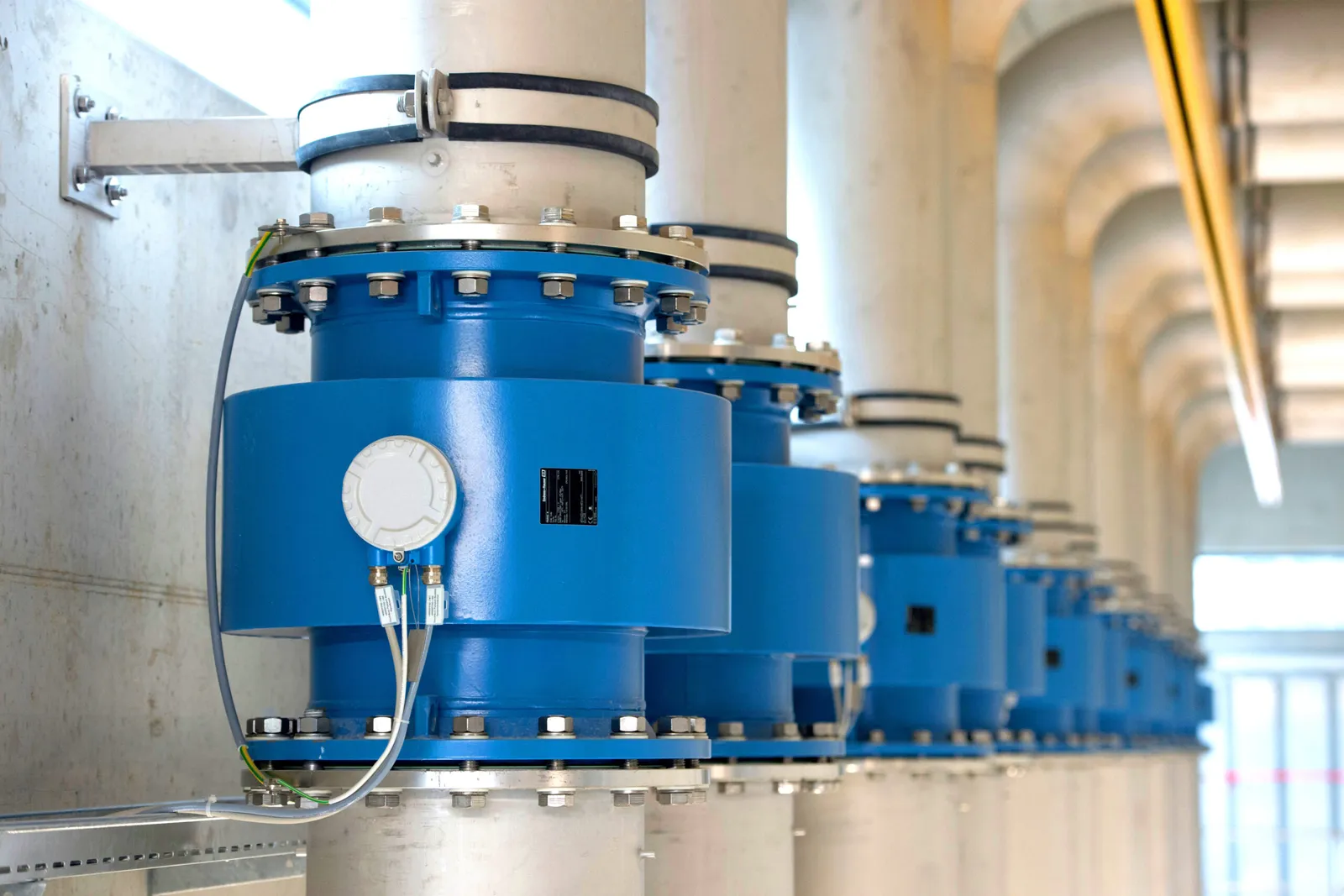
Aquafin operates wastewater treatment plants (RWZIs) across Flanders. The flowmeters that record plant flow at RWZIs must be verified every two years. “Because of their importance, they are subject to strict monitoring to ensure they work correctly. In the past, this meant travelling to the site with one of our people and one from Aquafin,” explains Peter Gijbels, Head of Solutions at Endress+Hauser.
Alternative technology
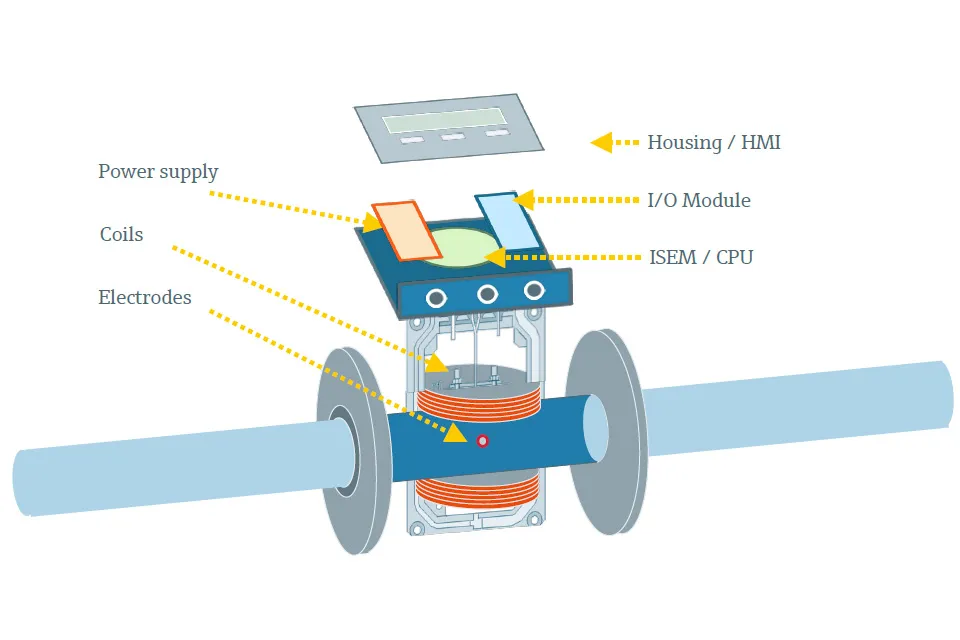
Aquafin began looking for a better solution, both to make it manageable for the technical team and to reduce CO2 emissions. “Aquafin came to us asking: ‘What can you do to support us with this?’ We immediately saw the potential of our Heartbeat Technology. It enables verification to be performed. The device then runs an automatic procedure to check how well it is still functioning against internal references. Heartbeat Verification checks up to 98% of the relevant measurement chain and demonstrates that the meter is still operating fully within factory specifications. It is not calibration, but a certified, traceable verification that is accepted in many quality systems as an alternative between calibrations,” explains Wouter Vandevyver, Industry Manager at Endress+Hauser.
Independently certified
The Flemish Environment Agency (VMM) was impressed by this high figure, provided it could also be substantiated by a third party. Endress+Hauser therefore had its Heartbeat verification validated and certified by the renowned inspection body TÜV, which endorsed the results. “The major advantage is that we can also carry out this verification remotely. So we no longer need to visit the RWZI in question, which makes it easy to set the frequency,” says Gijbels. A second advantage is that everything is done digitally, making all the information easy to store. Aquafin launched a proof of concept at around three RWZIs. A signal is sent each month to start the verification, while the flowmeter continues to operate without interruption. A verification report is then generated and automatically sent to Aquafin’s maintenance management system. ‘Pass’ means everything is working as it should. If the flowmeter returns a ‘FAIL’, a work order is automatically created to repair or replace it. Peace of mind guaranteed.
Optimised maintenance
This has enabled Aquafin to make substantial savings in kilometres travelled and therefore CO2 emissions. Aquafin can also optimise maintenance work at its RWZIs. The verification report contains a wealth of additional information about how well they are functioning. “They have effectively moved from periodic to predictive maintenance. They need to visit sites less often and can send the right people and equipment much more selectively. In other words, by studying the data, they are making substantial gains in time and efficiency,” says Gijbels.
Upgrading flowmeters one by one
Of course, not every flowmeter was yet equipped with Heartbeat Technology. “But they do not need to be replaced. Usually, a software upgrade or replacement of a circuit board is enough to make even flowmeters that have been in the field for some time ‘Heartbeat ready’. We now follow the two-year calibration schedule for each RWZI and carry out the upgrade if necessary. After that, the new approach can be used.” Aquafin is naturally very pleased with the solution, which could also be highly beneficial for industrial customers. “A good example is overfill protection, where VLAREM II regulations require the instruments to be tested every year. Heartbeat lets you do this without removing them. What’s more, we automate the entire process behind it, giving you a tamper-proof audit trail,” adds Vandevyver.
Een zakelijke vraag aan Endress+Hauser NV BeLux? Get in touch
Companies in this story
Keep following this
Get an email when a new story is published. No account needed.
- ThemeProcess measurement and control
- SubjectProcess & instrumentation
- CompanyEndress+Hauser NV BeLux