Refractometry offers major benefits at various stages of the process
Text Evi HussonImage Elscolab
There are many methods on the market for measuring the concentration of a liquid inline or online. Not all methods are equally suitable for every application. Some, for example, are sensitive to temperature, pressure fluctuations or the recirculation of liquids. Refractometry does not have these drawbacks, making it highly beneficial at various stages of the process. Kevin Boels and Feb Theys from Elscolab explain this measurement technique in more detail.
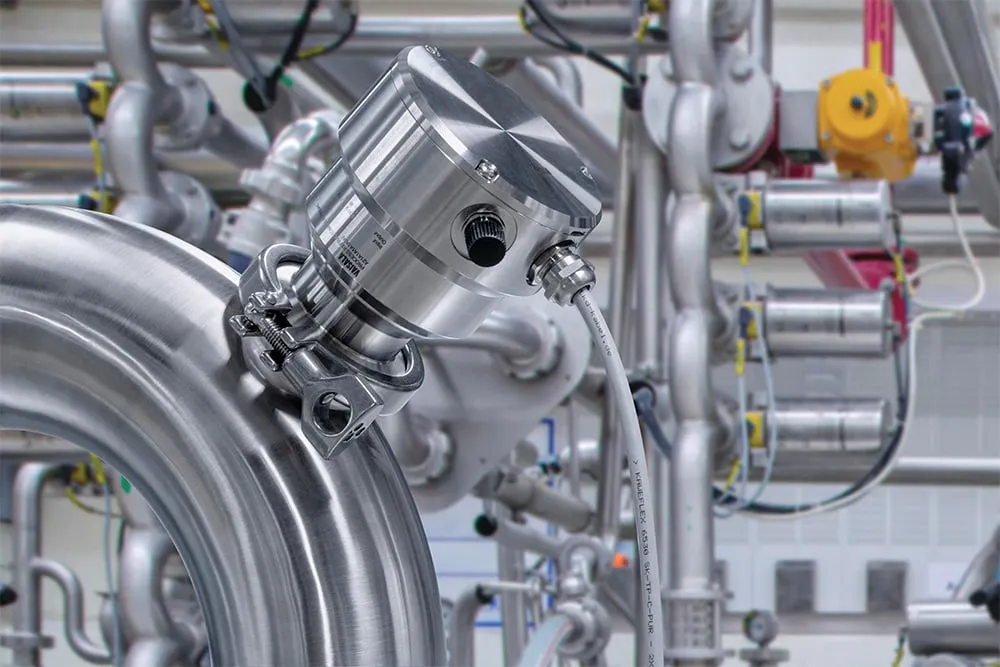
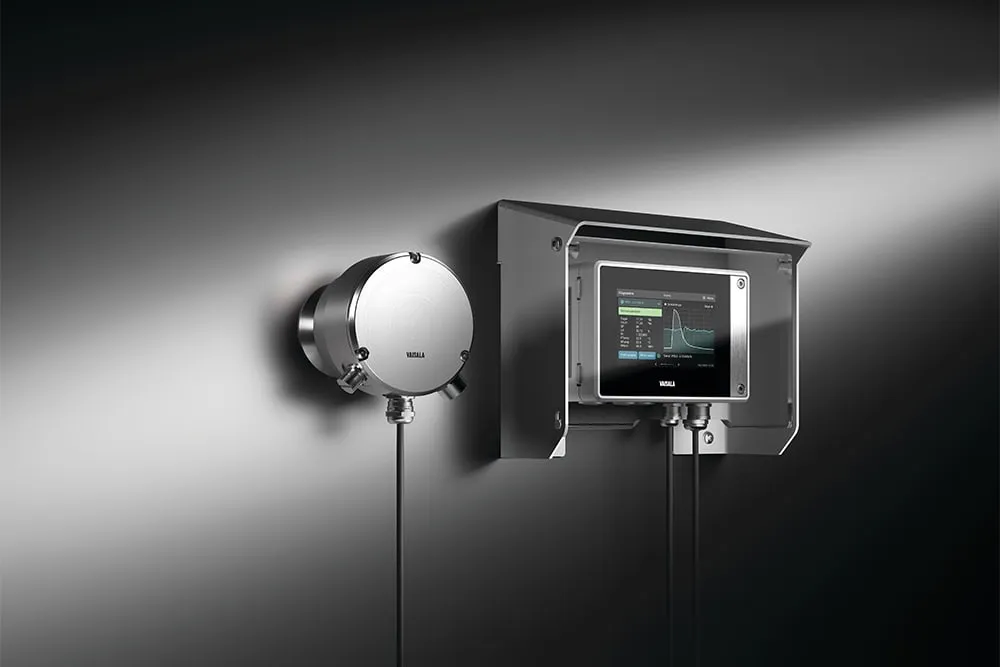
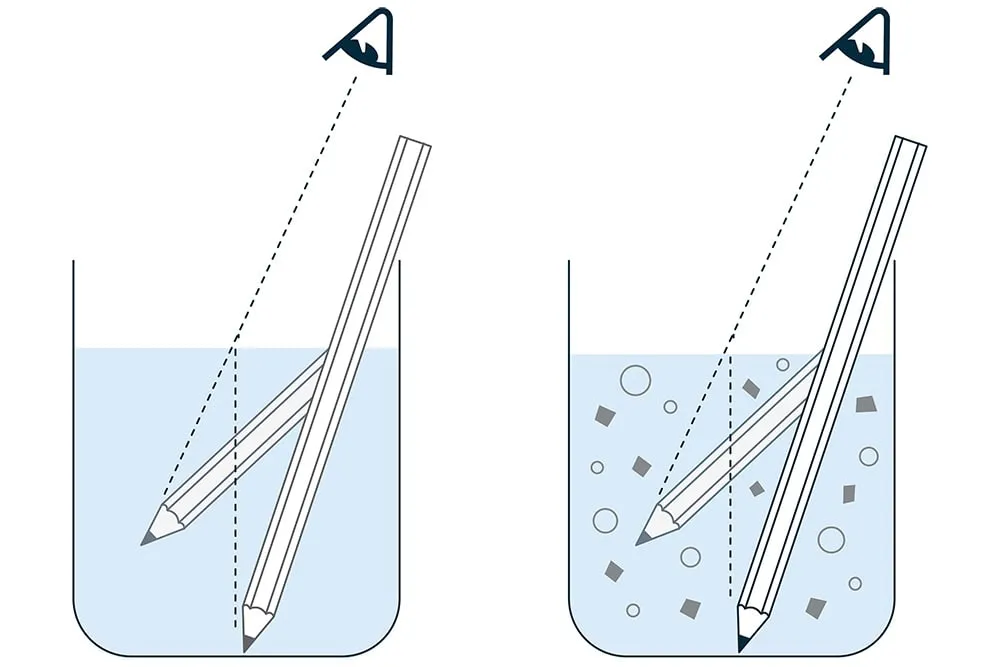
“Refractometry is an optical measurement technique that measures the refractive index of light in a liquid,” begins Kevin Boels, sales engineer at Elscolab. “We use an LED to shine light towards the medium, causing it to bend. The angle of refraction depends on the concentration of dissolved solids. This makes it possible to determine the concentration of dissolved solids accurately and in real time. One of the best-known applications is Brix, the standard unit used to express the sugar concentration in liquids. Refractometry is therefore well established in the food industry, but this measurement technique also offers many advantages over other measurements in sectors such as chemicals, pharmaceuticals, oil and gas.”
Unaffected by flow fluctuations and turbulence
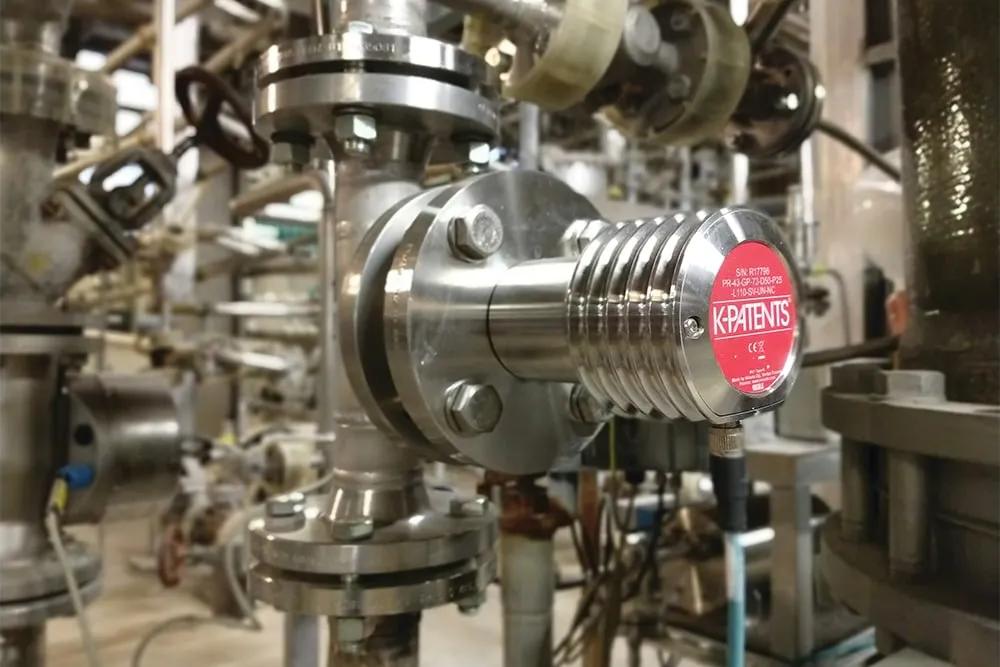
His colleague Feb Theys, also a sales engineer at Elscolab, adds: “Many techniques for measuring concentrations have limitations. In industrial processes, for example, flow rates are not always constant, meaning that measurement techniques such as Coriolis flow meters and U-tube densitometers do not always give an accurate density measurement. They are sensitive to flow fluctuations and turbulence. Refractometers are unaffected by these. Temperature fluctuations, changes in pressure and resonance can also affect measurement results. Boels explains: “Refractometers compensate for temperature changes immediately, while the VAISALA/K-Patents inline refractometers we work with use special CORE optics (Compact Optical Rigid Element) to absorb pressure variations and vibrations.” Air bubbles and solid particles are not a problem either. “Only dissolved substances affect the refractive index, so neither small nor large quantities of air bubbles or solid particles affect the refractometer. The measurement remains reliable.”
Payback period
“Refractometers pay for themselves quickly,” says Theys. “They can be installed inline, for example in a process pipe. Measurements are therefore taken directly in the process, so there is no need for sampling, dilution or filtration, and results are available immediately in real time. Refractometers also require virtually no maintenance and can withstand SIP and CIP cleaning, so once installed, they need very little attention. This can save a company a great deal of time and money. Consider, for example, monitoring the CIP cycle to prevent waste of acid, caustic and water.”
Applications
Refractometry is highly suitable for a range of industries. It is best known in the food industry, for example for measuring sugar concentrations in orange and other fruit juices, as well as in the production of confectionery, tomato-based products, jelly and other products containing combinations of fruit, flavourings, pectin, acid, sugar or starch-based sweeteners. In the oil and gas sector, refractometers are suitable for upstream, midstream and downstream operations. Applications include determining the aromatic content of hydrocarbon streams, measuring the amount of sulphuric acid in spent acid recovery, glycol dehydration and H2S removal. In the chemical industry, concentrations of specific chemical solutions often need to be determined to optimise processes, making the refractometer an ideal instrument.
Boels says: “In pharmaceuticals, the medical sector and biotechnology, refractometry is also a valuable analytical technique, not only in continuous processes for permanently monitoring quality. In batch processes, the analyser also provides important information about reactions and process steps. Applications include evaporation, fermentation, filtration, mixing, diluting and blending solutions,
coagulation, quality control and more. In short, the refractometer can be used across a wide range of industries and applications.” Theys concludes: “Elscolab works with a partner with many years’ experience in refractometry, guaranteeing quality and reliability.”
A business enquiry for ELSCOLAB? Get in touch
Companies in this story
Keep following this
Get an email when a new story is published. No account needed.
- ThemeProcess measurement and control
- SubjectProcess & instrumentation
- CompanyELSCOLAB