More efficient drying process cuts energy consumption by 20%
Text Valérie CouplezImage KLINGER
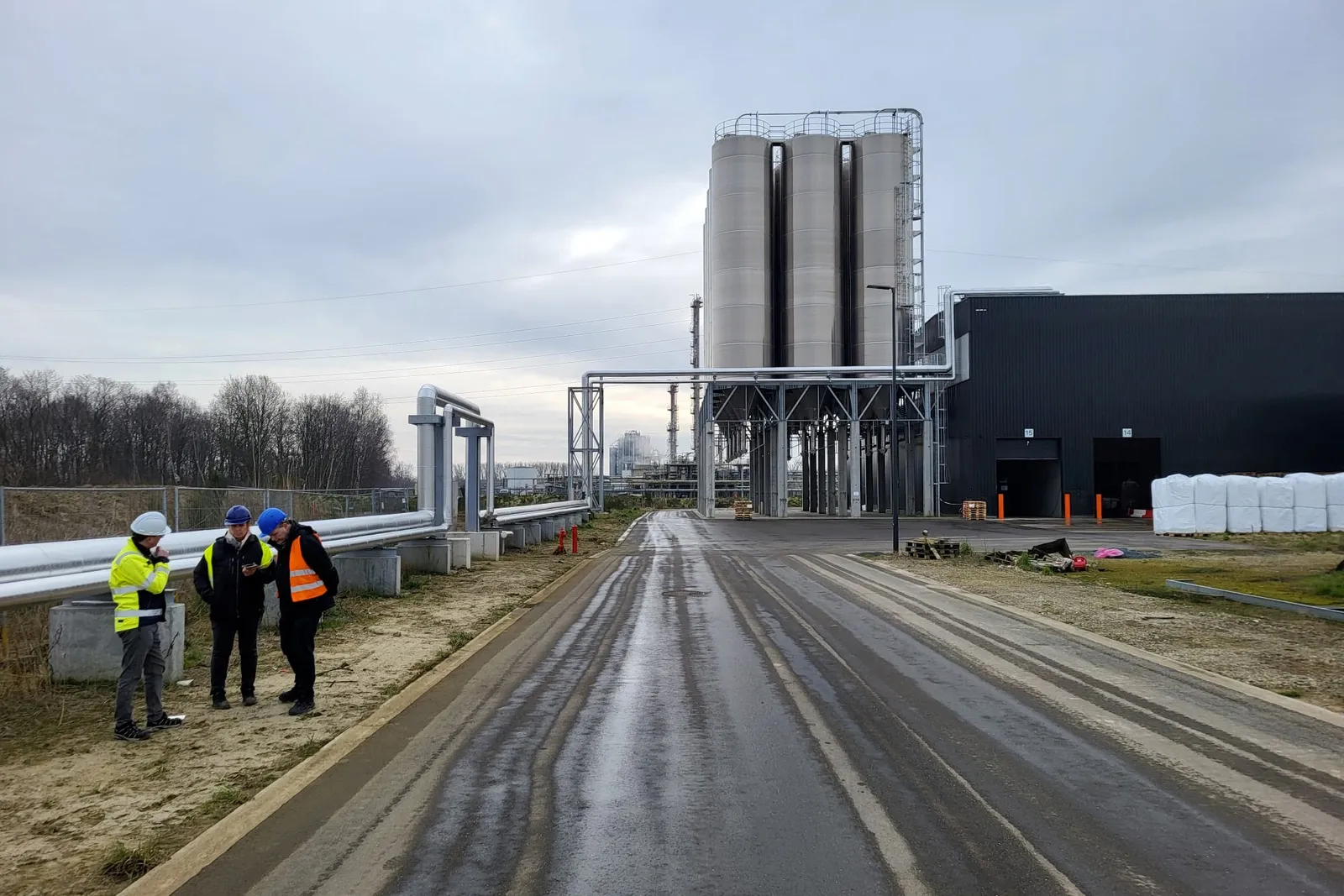
GRL has established Europe’s most sustainable glass recycling plant in Beringen. The key to success lay in the drying process for the glass cullet. By making it more efficient and sustainable, the company was able to cut energy consumption by 20%. It relies on waste heat from the incineration plant operated by its neighbour, Biostoom Beringen. The result of a successful collaboration with KLINGER Belgium, which built a medium-pressure steam network. It connects the two companies seamlessly in a closed-loop circular system with 100% condensate recovery, minimal water and energy losses, and no risk of oxygen corrosion.
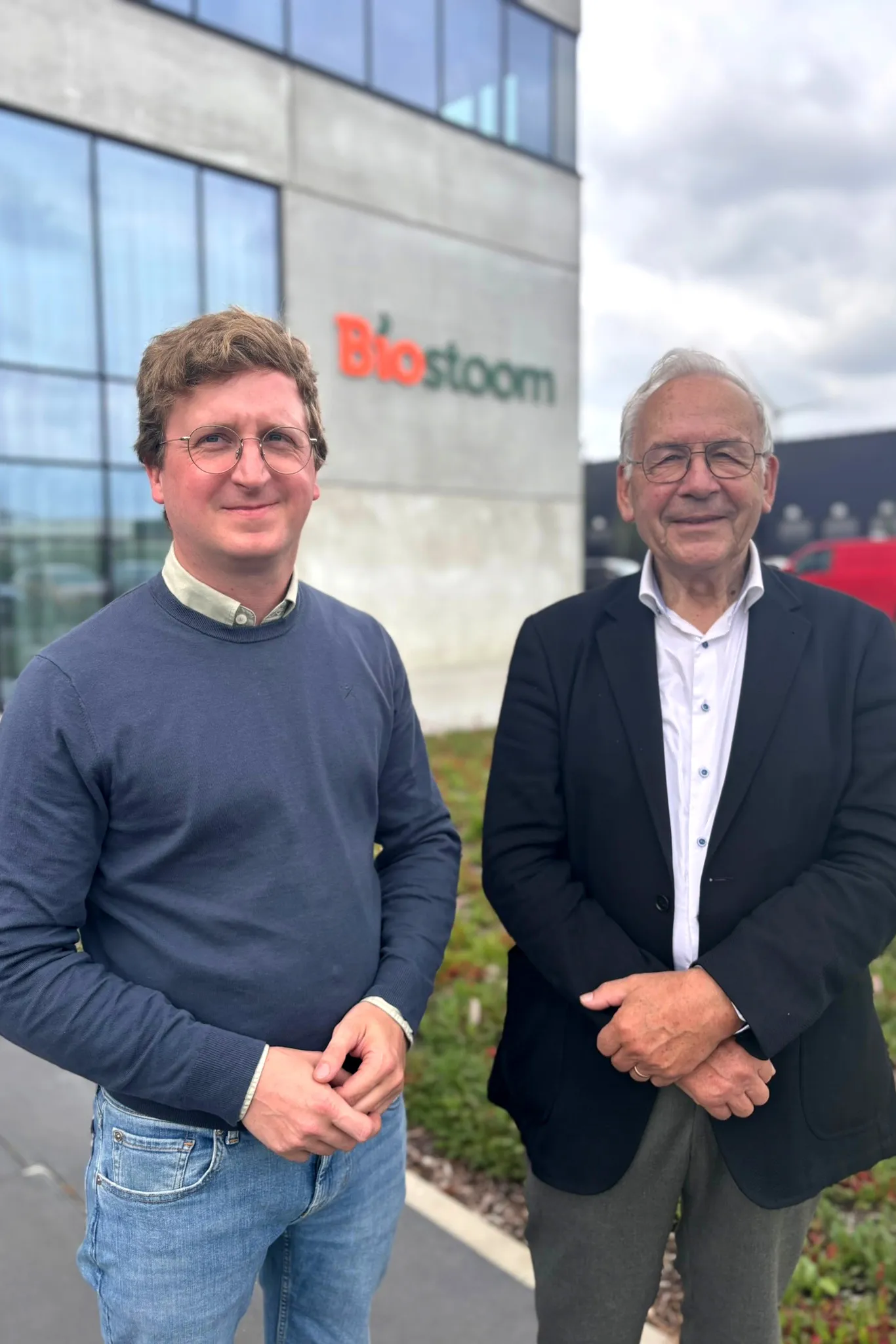
Biostoom Beringen processes more than 200,000 tonnes of household waste every year and converts it into renewable energy. With the addition of a medium-pressure steam network, it now also supplies sustainable heat to nearby businesses. This creates a circular energy hub in which waste heat is reused to the greatest possible extent. That was what prompted GRL to move to the site in Beringen.
The ambition was not to become the largest glass recycling plant in Europe, but the most sustainable. The objectives were therefore clear. By heating the air in the drying process to between 80 °C and 170 °C, GRL aimed to avoid CO2 emissions and maximise energy efficiency. The plan was to create a reliable, scalable, closed-loop system operating at a flow rate of 45.000 Nm³/u and with a maximum capacity of 3 MW. The aim was also to reuse all the condensate.
A complete solution
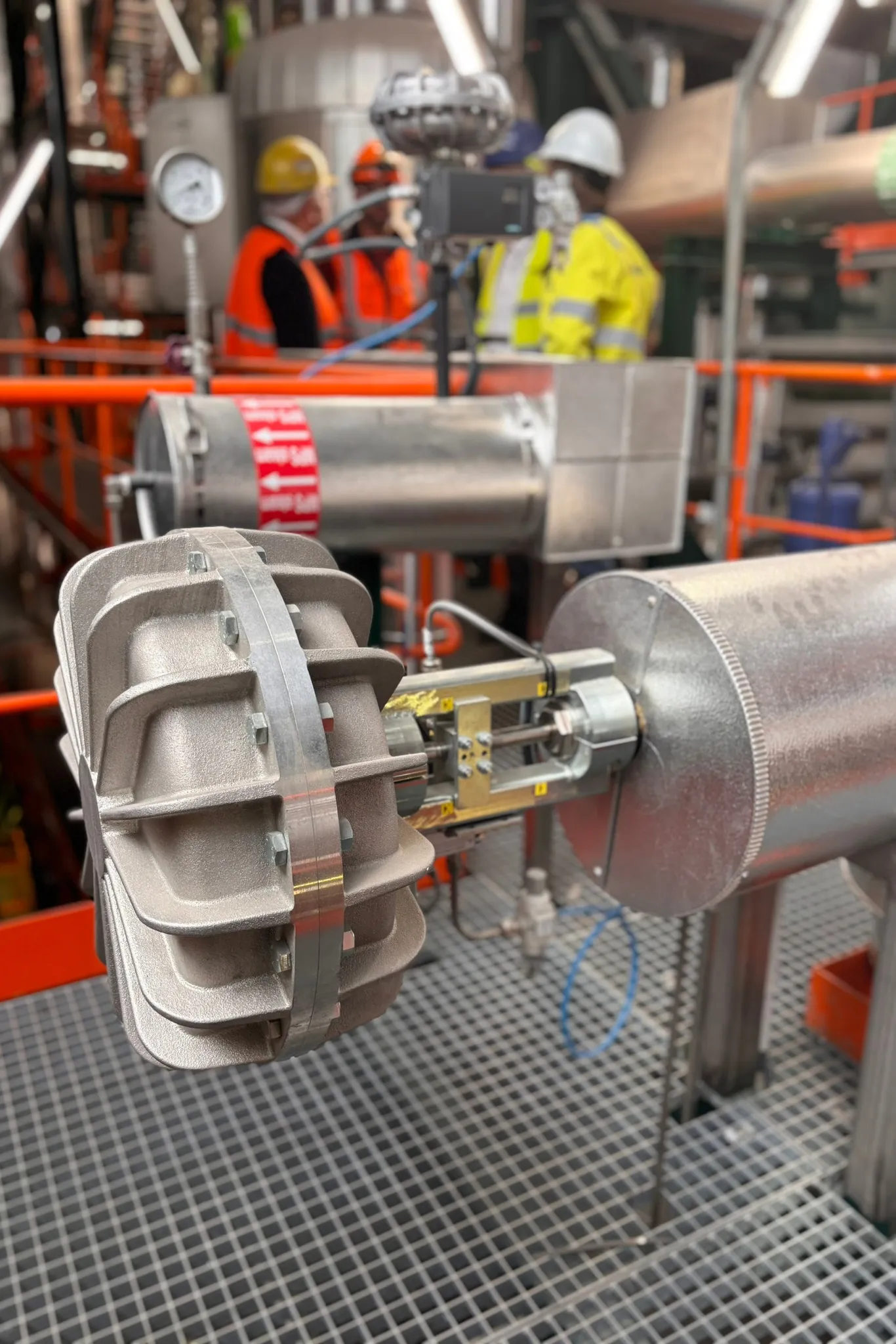
This was right up the product specialists’ street at KLINGER. They developed an integrated concept perfectly suited to Biostoom Beringen’s processes. The first element was steam conditioning. The team reduced the pressure and temperature from 35 barg at 400 °C to 12 barg at 195 °C. The steam travels through 680 metres of pipe to reach its destination. KLINGER also provided a return line with smart drainage, drainage stations and condensate coolers to ensure reliable operation.
At GRL, the steam then heats the process air to 170 °C, fully integrated into the existing system. The addition of a thermocompressor enables flash steam to be used, reducing energy consumption by 15 to 20% compared with conventional installations. The result? A closed-loop circular system with 100% condensate recovery, minimal water and energy losses, and no risk of oxygen corrosion.
A textbook collaboration
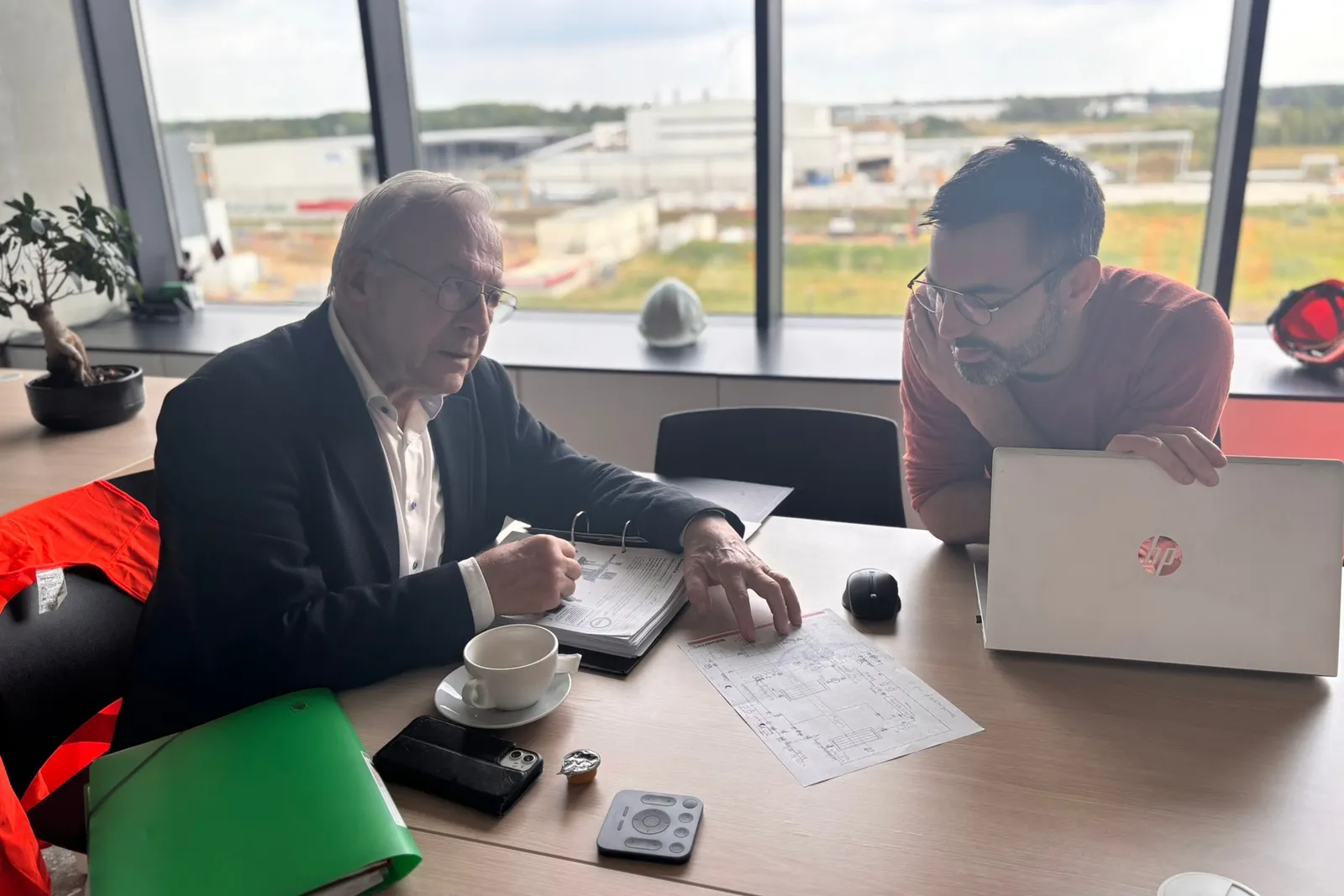
“Together with KLINGER, we developed a technically innovative, bespoke solution. This unique project meets all its energy needs locally and sustainably, making the plant an example of how industry and the environment can go hand in hand. The combination of KLINGER’s product knowledge and process insight really made the difference,” says Joos Van den Bergh, project and energy manager at Biostoom Beringen. A textbook collaboration, then. For KLINGER too.
“This project for Biostoom Beringen is a great example of how we work at KLINGER. We were able not only to help devise an energy-efficient approach that will enable Biostoom Beringen to achieve its sustainability objectives, with greater energy efficiency and lower CO2 emissions, but also to bring together a wide range of our solutions in a single integrated system. From valves, cooling systems and piping technology to our in-depth steam expertise: everything was seamlessly tailored to the customer’s process,” conclude key account manager Guido Van Buynderen and product engineer Thomas Verkinderen, both of KLINGER Belgium.
Een zakelijke vraag aan Klinger Belgium NV? Get in touch
Companies in this story
Keep following this
Get an email when a new story is published. No account needed.
- SubjectProcess & instrumentation
- CompanyKlinger Belgium NV