Measuring cells with long-term stability for use in the chemical industry
Text and images VEGA
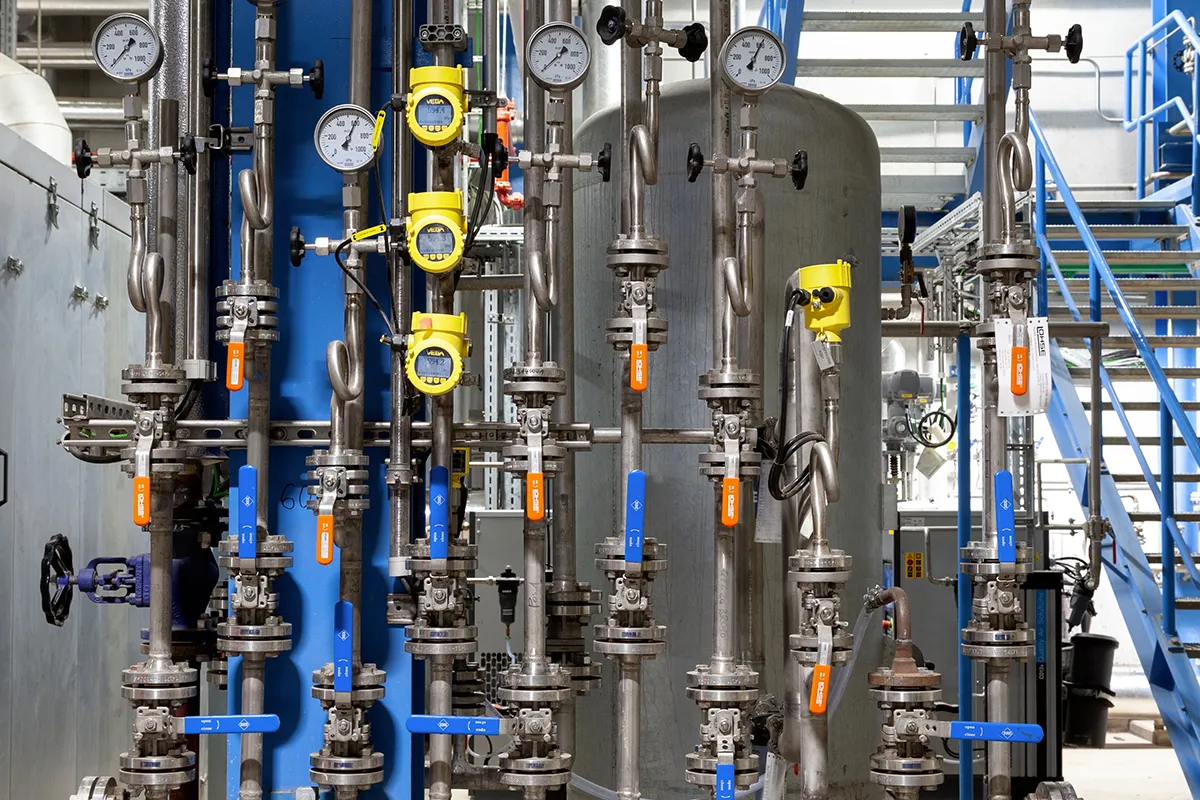
Metal diaphragm sensors were long the standard for pressure measurement in chemical plants. Ceramic measuring cells, however, have been a proven alternative for most applications for some time. They not only offer a high level of safety, long-term stability and reliability, but also prevent common problems with impulse lines and oil fills. And they are already regarded as the perfect solution for use in hydrogen applications.
After temperature, pressure is the most frequently measured process variable in the chemical industry and an important parameter for both safety and product quality. But the chemical industry also puts these sensors to the test with demanding conditions: high pressures, extreme temperatures, aggressive chemicals … The Achilles’ heel of metal-based pressure sensors is their susceptibility to corrosion and the inevitable ageing of the metal, which can manifest itself, for example, as measured-value and zero-point drift. Regular recalibration is necessary to maintain long-term accuracy.
Corrosion-resistant and robust
Since the 1990s, ceramic pressure sensors have been an interesting alternative. They can be used in an estimated 60 to 70% of all chemical applications. These sensors are distinguished by their exceptional corrosion resistance. In addition, ceramic provides excellent long-term stability and minimal drift. Ceramic measuring cells have a considerably higher overload resistance than metal cells. While metal diaphragms can be permanently deformed when exposed to very high pressure, a ceramic diaphragm simply deflects, comes into contact with the base body and then returns perfectly to its original position. While metal measuring cells use oil as a transmission medium, ceramic measuring cells are completely dry. They work in the same way as a capacitor: measuring electrodes embedded in the diaphragm and the base body form an electric field, with air as the dielectric. Pressure on a ceramic diaphragm causes a minute deflection, which changes the capacitance. The pressure can then be calculated from the calibrated capacitance value. Ceramic diaphragms naturally always return to their zero point. They therefore need little or no recalibration.
High-tech design withstands adverse process conditions
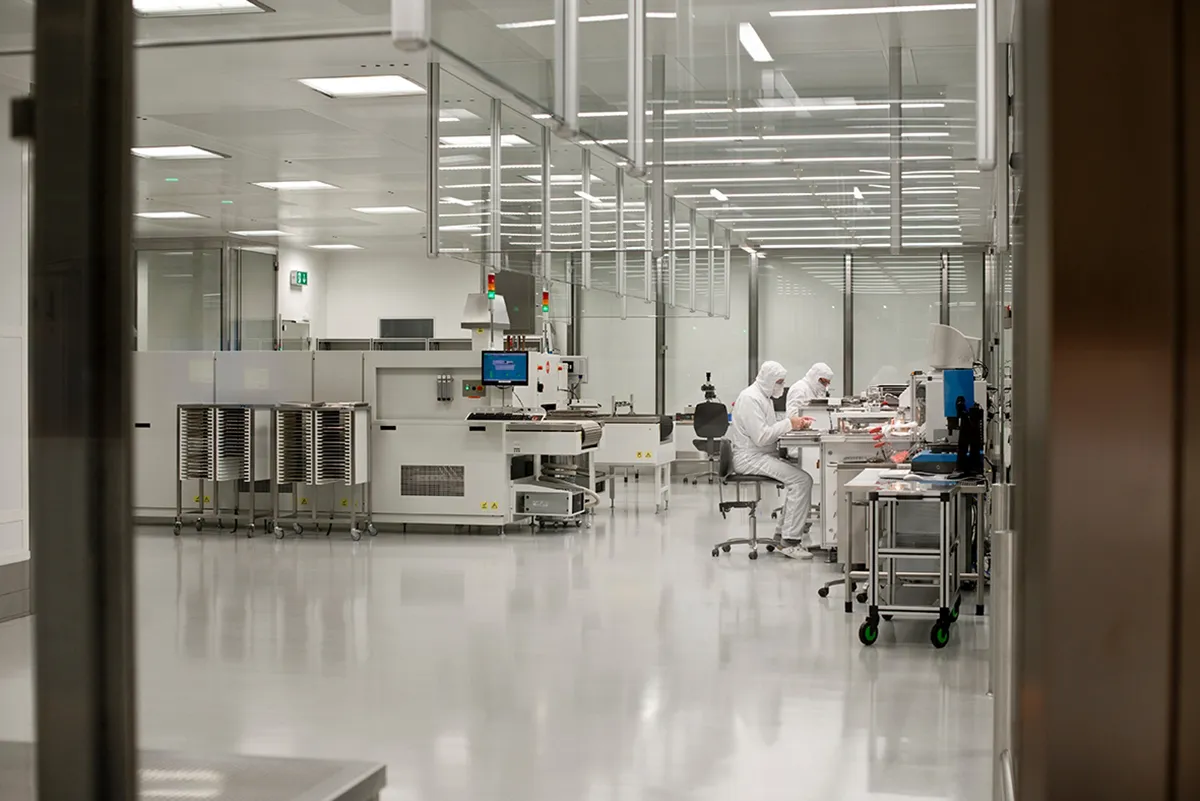
The CERTEC ceramic measuring cell, developed and manufactured by VEGA, forms the basis of the VEGABAR sensors. In an extremely precise manufacturing process, gold circuits are printed onto the diaphragm and base body, which are made of ultra-pure aluminium oxide ceramic, under cleanroom conditions. About ten years ago, VEGA’s measurement specialists found a way to overcome a drawback of ceramic pressure sensors: their performance under temperature shocks and in the presence of moisture. In addition to measuring the process temperature in the cell housing, which compensates for the effect of temperature on the measured pressure value, a second temperature sensor on the back of the ceramic diaphragm can detect even the smallest temperature changes more quickly. An algorithm built into the sensor electronics then ensures that temperature shocks are compensated for. The values from this relatively sensitive temperature measurement are also available as a separate signal.
Advantages in high vacuum and hydrogen applications
In high-vacuum or hydrogen applications, ceramic sensors perform much better than oil-filled metal measuring cells. This is because the boiling point of liquids decreases in a vacuum. A different effect comes into play in hydrogen applications: molecules of the smallest chemical element can permeate metals, and the thin diaphragm of a metal pressure measuring cell is no exception. When hydrogen diffuses into and through the diaphragm, it reacts with the transmission oil behind the metal diaphragm. This results in hydrogen build-up, leading to permanent inaccuracies in measurement performance. In addition, hydrogen bonds with the carbon in steel, gradually making the materials brittle and causing them to break. This does not happen with ceramic measuring cells, and even if hydrogen were to enter the measuring cell, it would cause no damage.
Second line of defence ensures safety with toxic media
Another important application area in the chemical industry is the measurement of aggressive and toxic gases. A high level of safety is particularly important here. Ceramic measuring cells are often preferred, especially for phosgene applications. As in applications involving aggressive acids and alkalis, VEGA uses highly resistant plastics for the measuring cell and, in addition, a ‘Second Line of Defense’. The measuring cell and the electronics compartment are separated by a gas-tight glass feedthrough. The pressure and level specialist offers this safety feature for instruments in the VEGABAR 82 and VEGABAR 83 series.
Differential pressure measurement without impulse lines
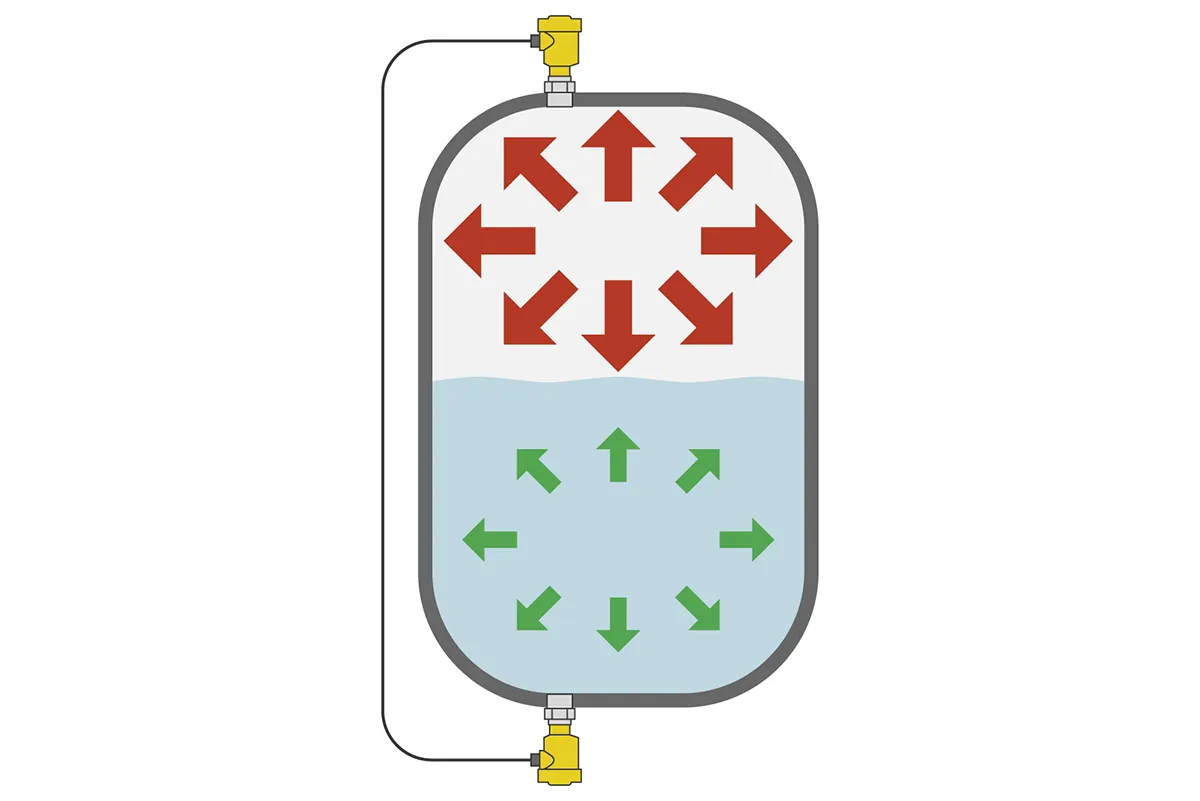
Differential pressure measurement is also an important application in flow, level and vessel pressure measurement in chemical processes. A differential pressure sensor is usually used for this purpose, with its measuring cell connected to the process via impulse lines. In day-to-day operations, these impulse lines repeatedly cause problems. In winter, liquids in the lines can freeze and block them. Alternatively, gas pockets can make the measurement inaccurate because gases, unlike liquids, are compressible. VEGA solves this problem by using two separate, electronically connected sensors. This allows differential pressure measurement without complex and vulnerable impulse lines.
Conclusion
Ceramic measuring cells are a high-performance alternative to metal pressure sensors, including in the chemical industry. Their high level of safety and long-term reliability make them particularly suitable for demanding applications.
Process sensors with ceramic measuring cell
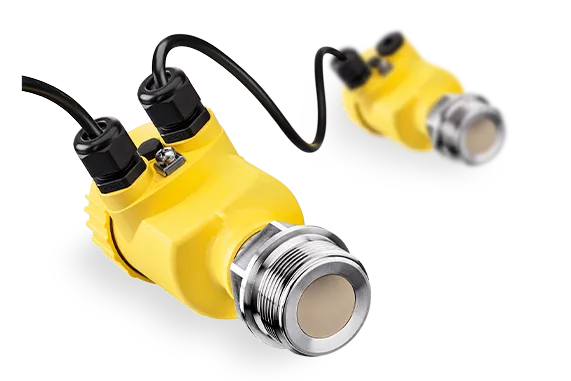
The VEGABAR 82 pressure transmitter is the all-rounder in VEGA’s product range. The sensor measures pressure from absolute vacuum (-1 bar) to 100 bar over a temperature range of -40 to 150 °C. The ceramic measuring cell withstands and compensates for temperature shocks and can be used in most chemical applications. The VEGABAR 81 pressure transmitter is used for reliable measurement of highly corrosive media at temperatures from -90 to 400 °C and pressures up to 1000 bar. Combining two instruments from the VEGABAR 80 series enables differential pressure measurement without impulse lines.
Een zakelijke vraag aan VEGA N.V.? Get in touch
Companies in this story

Keep following this
Get an email when a new story is published. No account needed.
- SubjectProcess & instrumentation
- CompanyVEGA N.V.