Guaranteeing safety and saving nitrogen gas with in-line oxygen meters
Text Evi HussonImage Elscolab
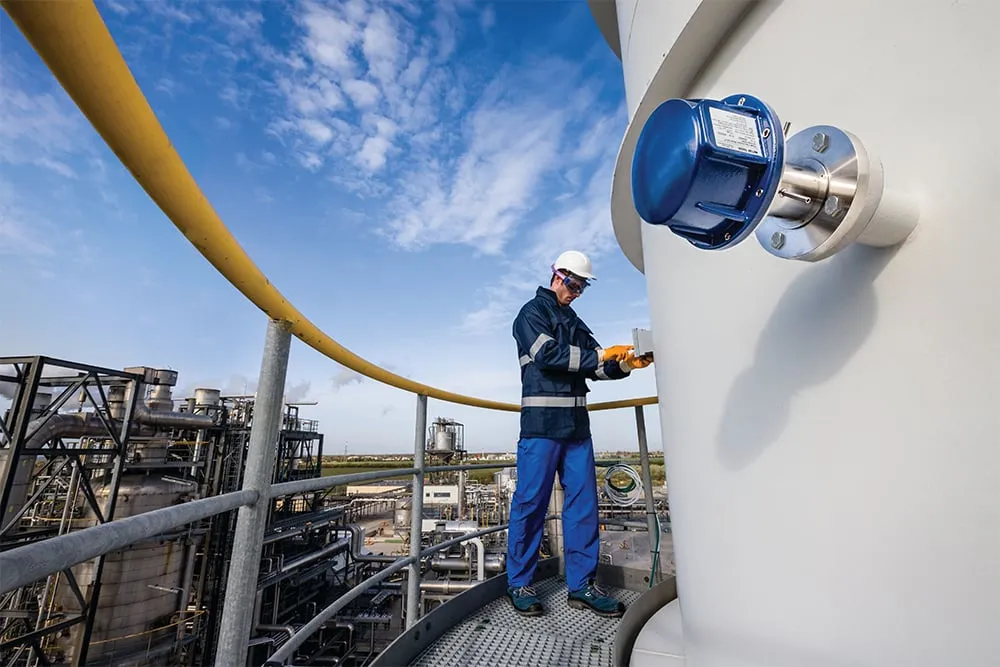
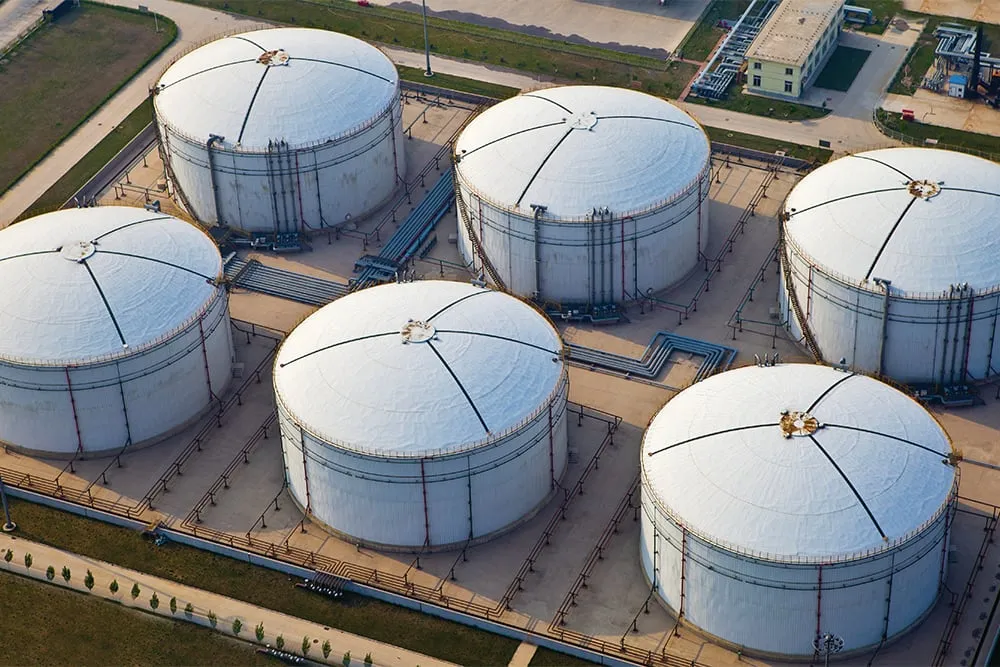
The process industry uses a wide range of chemicals, which must be stored under controlled conditions. Depending on how full storage tanks are, the oxygen concentration must remain below a certain level to prevent the risk of ignition and explosion. A nitrogen blanket is also essential for preserving the quality of food products and vegetable and animal oils. Elscolab offers a range of in-line analysis techniques to measure oxygen levels.
“The process industry stores many flammable or oxygen-sensitive products in storage tanks. It is important to keep the oxygen concentration below a certain level to prevent explosions or ignition. This is achieved through ‘inerting’. An inert gas, such as nitrogen, is introduced into a system, lowering the oxygen content below a certain limit or completely replacing the oxygen with the inert gas,” explains Harry Geeraedts. He is an in-line analysis specialist for the process industry at Elscolab.
Oxygen concentration
“It is often not necessary to replace all the oxygen with an inert gas,” he says. “For each substance, graphs show the oxygen level that must not be exceeded to ensure safe conditions. For example, when methane gas is stored in a tank, the oxygen concentration must be below 12% (Lowest Oxygen Concentration). Even if a spark occurs or the temperature changes, this will not cause a fire or explosion. It is therefore important to stay below that value, preferably with an additional built-in safety margin. That is why measuring the oxygen content is so important.”
What gets measured gets managed
At the same time, guidelines (NPR-CEN-TR 15281:2022, PGS29:2016) highlight the importance of regular measurement. “This is necessary to ensure at all times that the oxygen content never rises above the desired level. Occasional measurements alone are not safe. Continuous measurement also offers further benefits: you can be sure you are always within the safe zone and can record this, because what gets measured gets managed. You comply with laws and regulations, and can save nitrogen by adding only the amount needed, including a safety margin. Using oxygen measurement for inerting can save up to 70% on nitrogen.”
A range of options
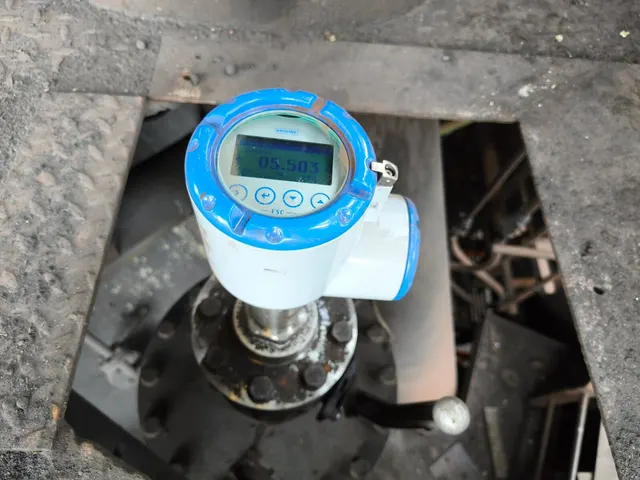
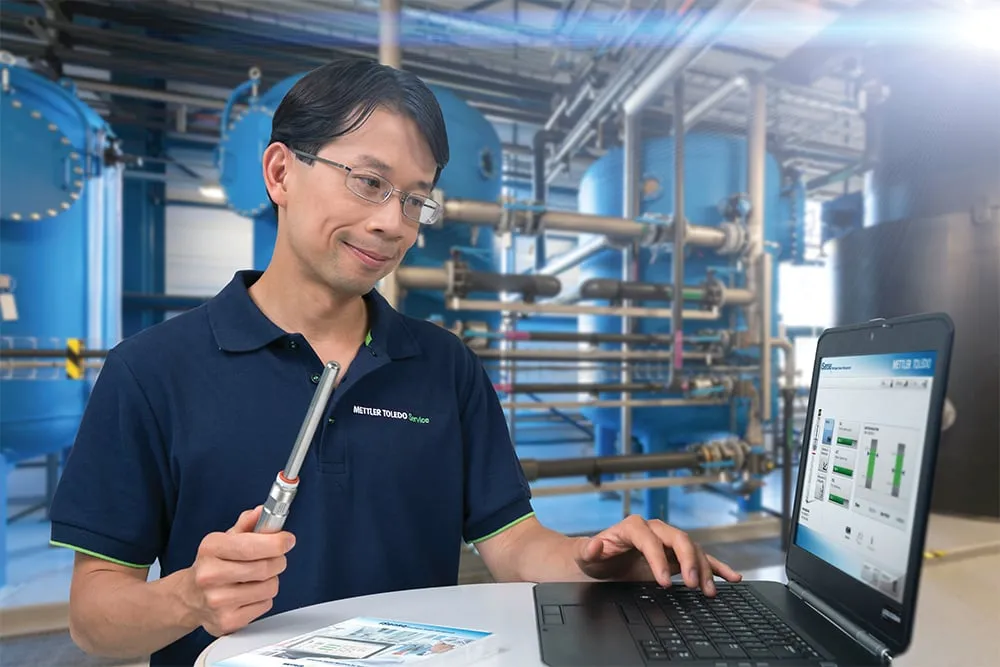
Oxygen meters, or GPOs (Gas Phase Oxygen Probes), come in various types and sizes, including amperometric sensors, optical sensors and Tunable Diode Laser (TDL) analysers. “All the sensors in our range are ATEX-certified. Depending on the customer’s needs and desired level of investment, the choice may be a simple electrochemical cell mounted on a tank or a more complex, fully automated system that also meets SIL standards, for example.”
Maintenance
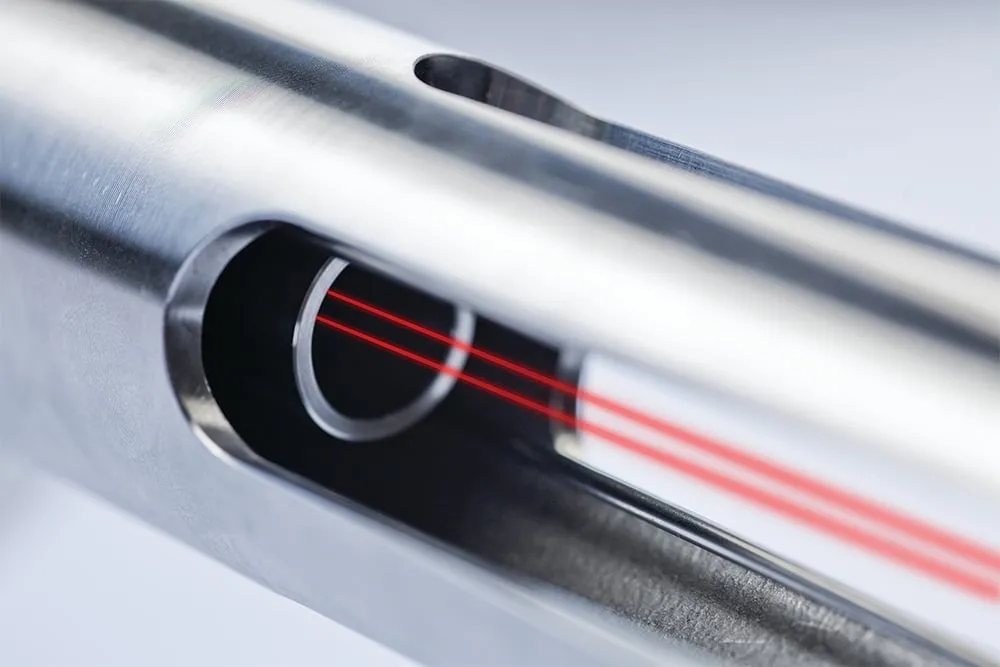
A key factor in the selection is the maintenance required. Geeraedts says: “All field analysers need maintenance. Electrolyte and membranes in electrochemical cells need to be replaced regularly. The optocap in optical sensors may also need replacing. Both electrochemical and optical sensors therefore require regular maintenance, resulting in temporary downtime. If you want to avoid this, a TDL analyser is a suitable option. These analysers, also known as laser analysers, are regarded as the best analysis systems for most applications. The GPro500 range from Mettler Toledo is one example. The analyser has no moving parts and is SIL-certified, so a simple clean and annual verification are sufficient.”
Trend
In recent years, more and more tank storage companies have opted for automated solutions. “Laws and regulations have put the subject higher on the agenda. In addition, frequent production stoppages for maintenance are no longer acceptable to many process managers. Whatever option companies choose, we are happy to advise them, take care of the initial installation and, if desired, provide maintenance through service contracts.”
Question about this story? Ask your question
Companies in this story
Keep following this
Get an email when a new story is published. No account needed.
- SubjectProcess & instrumentation
- CompanyELSCOLAB