Innovation becomes inspiration and vice versa
At the end of the 20th century, policymakers were already asking how we could make our economy the most competitive and dynamic knowledge-based economy in the world. In 2000, the answer took shape in the Lisbon Strategy, which aimed to further develop a competitive, dynamic and knowledge-based economy. Research and development (R&D), as a potential source of innovation, played a key role.
Ten years later, that strategy was translated into a concrete target: at least 3% of GDP was to be spent on research and development, with businesses as the driving force. Belgium achieved this goal and is now among the world’s leading countries in R&D and innovation.
This leading position is no coincidence. It is the result of years of symbiotic collaboration between governments, educational institutions, research institutions… and businesses. Together, they form a competitive R&D network, with leading innovators and close partnerships, such as the cross-sector collaboration platform BRIEC (Belgian Research Innovation and Entrepreneurship Community).
And, to be fair, the great leap forward was largely driven by our businesses. They were, and remain, the driving force behind R&D in Belgium. They continued to be so through the crises of recent years. These have, of course, had a major negative impact on business confidence and on the financial resources available for investment in R&D and research infrastructure. But thanks to a stable climate for R&D investment, businesses were able to keep investing during the COVID-19 pandemic. Even the current severe energy and competitiveness crisis, which is putting a heavy strain on businesses’ financial capacity, seems to have done little to dampen their appetite for innovation.
The landscape is fundamentally different from what it was in the early 2000s. The need for a strong economy has not changed, but the challenge has. Today, the economy must also be socially and environmentally responsible, and therefore sustainable. Innovation plays a key role in this transition, as a competitive, social and sustainable lever for prosperity. The policies of the past decade, with their highly ambitious focus on R&D, have amply demonstrated this. It would therefore be a great shame if some policymakers’ plans to scale back support for R&D were put into action!
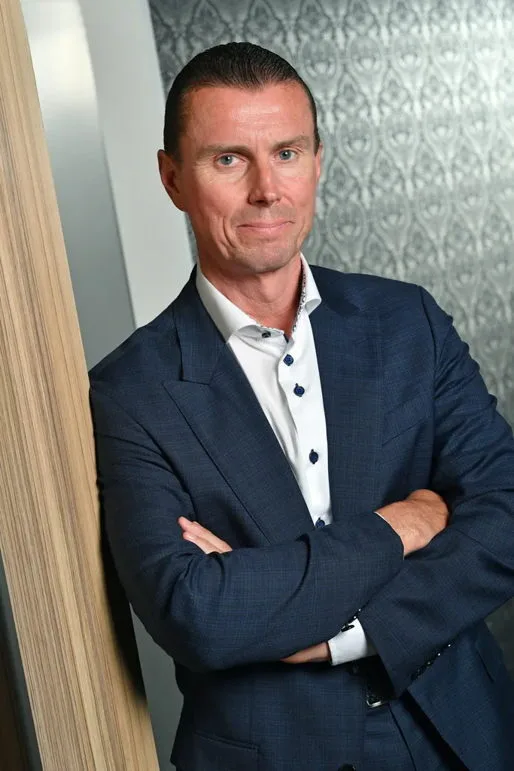
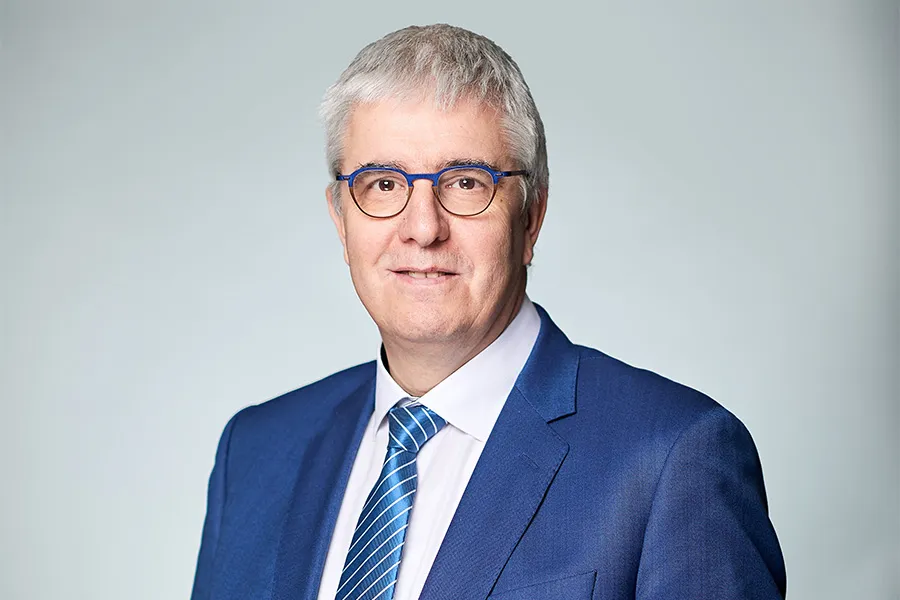
Pieter Timmermans,
Chief Executive Officer, VBO
Question about this story? Ask your question
Keep following this
Get an email when a new story is published. No account needed.
- SubjectPeople & training