












X-ray inspection, a safe way to guarantee quality
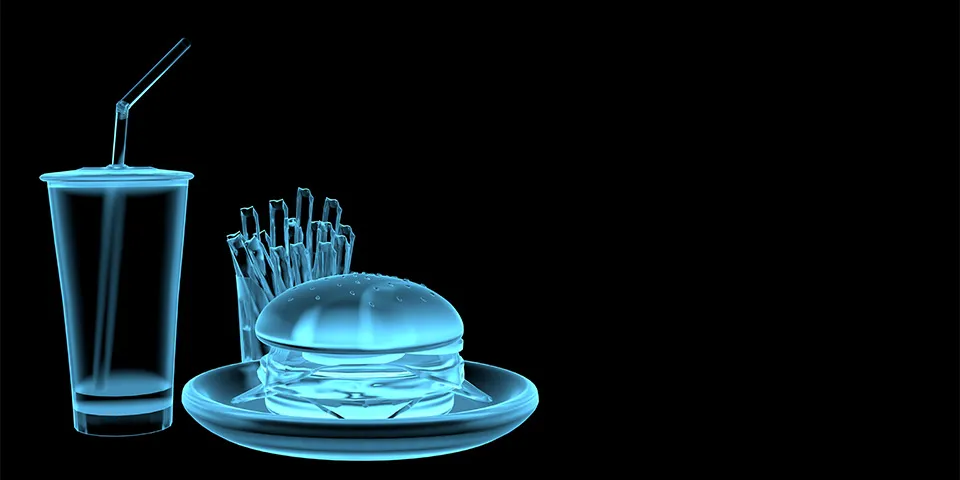
X-ray inspection continues to grow in popularity among food manufacturers worldwide. The technology offers major benefits for detecting contamination in products and carrying out a whole range of in-line quality checks. A win-win, then. Yet many companies remain wary of X-ray. They question whether this type of radiation is safe. But those concerns are unfounded. When equipment is properly maintained and used, X-ray inspection is just as safe as any other monitoring technology.
Food safety and quality requirements continue to rise. To pass retailers’ stringent audits, quality control is an integral part of every food manufacturer’s operations. X-ray technology offers a valuable tool in this regard. Like metal detectors, it can detect ferrous and non-ferrous metals, as well as stainless steel particles that may be present in products, and trigger the appropriate action. But X-ray goes further than metal detectors. Glass, mineral stones, bone, high-density plastics and rubber components are also picked up by these systems. In addition, a number of in-line checks can be carried out to monitor quality: weighing, component counting, identifying missing or damaged products, checking fill levels and inspecting seal integrity … In other words, a single machine can perform a wide range of functions, which explains the growing popularity of X-ray technology.
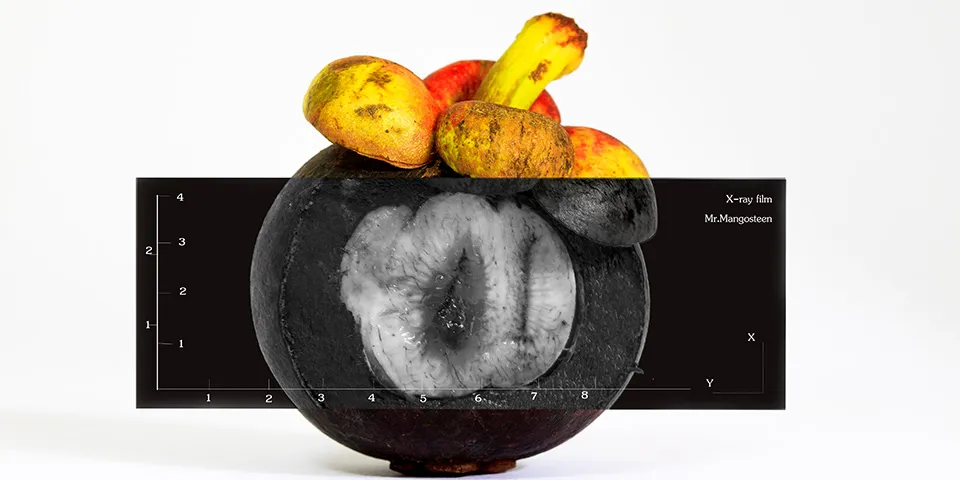
To pass retailers’ stringent audits, quality control is an integral part of every food manufacturer’s operations. X-ray technology offers a valuable tool in this regard.
Safe radiation
As the name suggests, all these checks are carried out using X-rays. Their wavelength allows them to pass through materials. The denser the material, the fewer X-rays pass through it. Hidden contaminants such as glass and metal are therefore revealed because they reflect more X-rays than the food product itself. The X-rays used must never be confused with radioactive radiation. Radioactive materials emit radiation in the form of alpha and beta particles and gamma rays. This radiation cannot be switched off and can only be contained by materials such as lead. X-ray radiation is entirely different and inherently safe. As soon as the equipment is switched off, the radiation stops immediately. X-ray therefore provides a perfectly safe working environment for operators. Did you know that controlled irradiation of food with X-rays can kill bacteria, extending shelf life, improving product quality and reducing the number of microorganisms present? These are the same type of rays used in X-ray inspection, but at a much, much lower dose. So they are safe.
Very low dose
The dose of radiation generated by X-ray technology is also no cause for concern. Scientific studies show that there is no health risk if the annual radiation dose does not exceed 20,000 µSv (sievert). The amount emitted by an X-ray inspection machine in the food industry over the course of a year is just a fraction of this. Moreover, exposure is further limited by distance and the machine’s enclosure. For this reason, the equipment is often made of stainless steel. Copper is also used. X-rays have no effect on food safety, taste, texture or nutritional value, or on the health of operators working on the line. In addition, the use of such inspection equipment is strictly regulated to ensure safety at all times. The health risk posed by physical contaminants in food, such as glass, metal or plastic, is actually much greater. And this is precisely where X-ray inspection excels. It is therefore a driving force for food safety and quality, not a threat to them.
Question about this story? Ask your question
Keep following this
Get an email when a new story is published. No account needed.
- SubjectNews







