












The future of the chemical industry is here
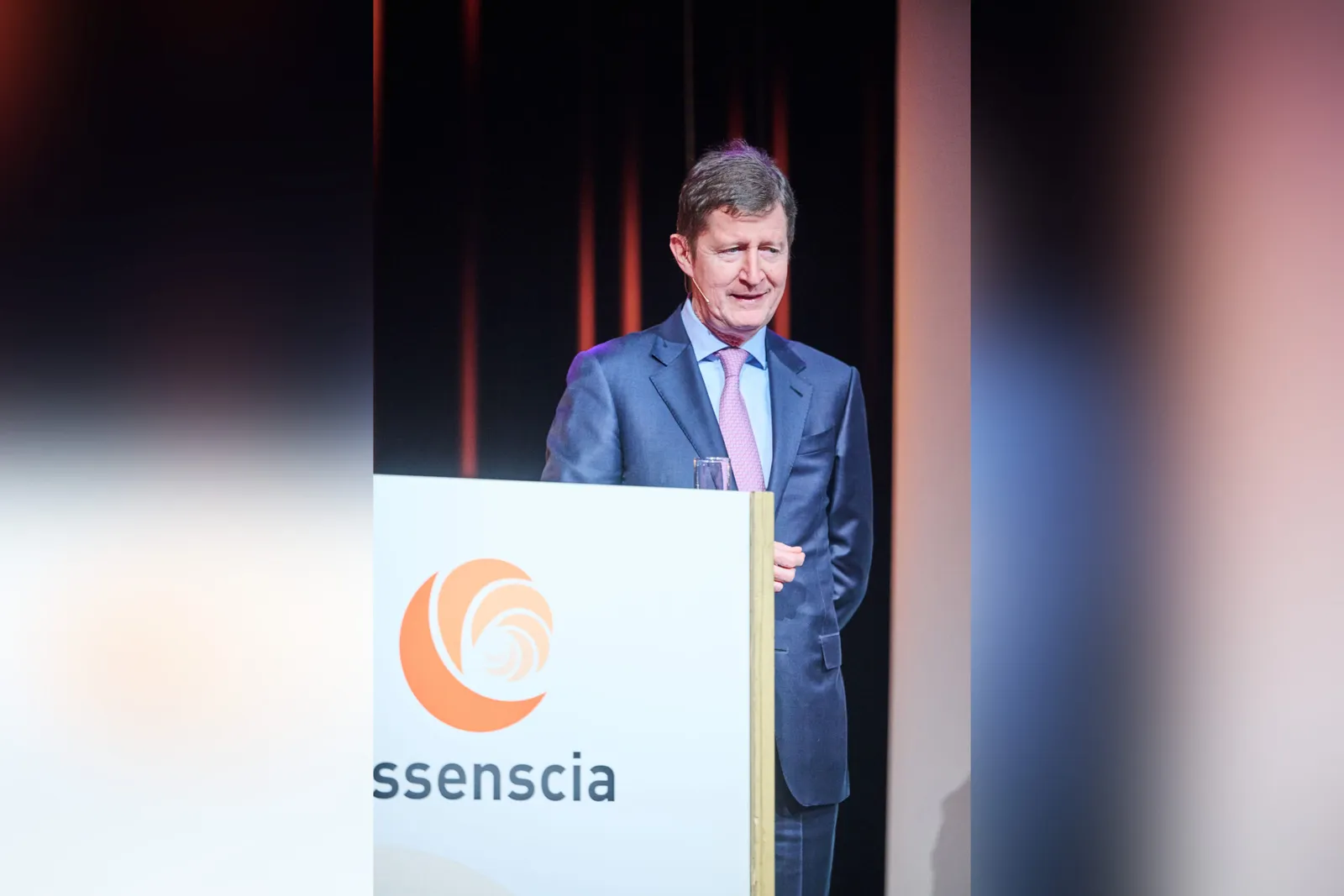
Belgium’s chemical sector is at a crossroads. Today’s choices will determine whether this strategic industry remains a pillar of our economy and prosperity tomorrow. Europe cannot afford to keep hesitating. If we want to retain our place in European and global value chains, we need to make more targeted and ambitious use of our industrial strengths.
Since the energy crisis, energy prices have been two to three times higher than in other parts of the world. Customs tariffs create uncertainty and weigh on exports, cheap imports are finding their way onto our continent, and the regulatory framework for European businesses is becoming increasingly restrictive. Companies in Europe also face additional burdens that barely exist elsewhere. The cost of regulatory compliance now exceeds 10% of added value. This weighs heavily on investment, particularly in a capital-intensive sector such as chemicals.
Defeatism is not an option. What is needed? An ambitious yet concrete industrial policy built on our strengths: integrated industrial clusters in strategic locations, well-developed logistics networks, economies of scale and an exceptional knowledge base. We must make use of these assets. Chemicals are at the heart of almost everything that makes our lives possible. The sector is a cornerstone of the Belgian economy, supporting 100,000 direct and indirect jobs, making a substantial contribution to social security and generating a structural trade surplus. These are not abstract figures, but the result of decades of investment, accumulated expertise and strong industrial ecosystems.
More than that, the chemical industry is the backbone of several essential value chains that are strategically important to Europe. Without a strong chemical base, crucial sectors such as pharmaceuticals, food, energy and defence will come under pressure. In a world where raw materials, energy and technology are increasingly shaped by geopolitics, a strong chemical sector is essential to maintaining our autonomy. Without our own production capacity, we risk becoming dependent on the goodwill of other regions for essential products, processes and technologies.
Since 1995, Belgium’s chemical industry has halved its CO₂ emissions and improved energy efficiency by more than 75%. Look at what is happening in the Port of Antwerp: Indaver’s Plastics2Chemicals converts hard-to-recycle plastics into new raw materials. The Ecluse network shows how companies share energy to operate more efficiently. NextGen District is growing into an international hub for circular and bio-based activities. Projects like these are taking shape here thanks to a strong industrial fabric, with links between the various partners in the value chain.
If we want to continue attracting and developing innovative projects like these, access to affordable, sustainable energy and infrastructure is crucial. We also need a framework that creates room for business and innovation, and targeted protection against dumping. Without these enabling conditions, there can be no sustainability transition and no new investment. Companies also need speed and predictability in the permitting process. Investment requires clear pathways and legal certainty. When procedures drag on or decisions remain uncertain, delays become inevitable.
Decisions are being made now. The pace of investment for the next decade is being set now. With the right enabling conditions, the chemical industry can continue doing what it does best: innovating, producing, becoming more sustainable and creating value. Not everything will be possible at once, and not every technology will succeed. But with an ambitious industrial policy, the chemical industry will remain a pillar of our prosperity tomorrow. That is what is at stake. That is the choice we must make today.
Yves Verschueren
Managing Director, essenscia
Question about this story? Ask your question
Keep following this
Get an email when a new story is published. No account needed.
- SubjectNews







