












The future of industrial automation
Text Valérie CouplezImage Beeldmagie
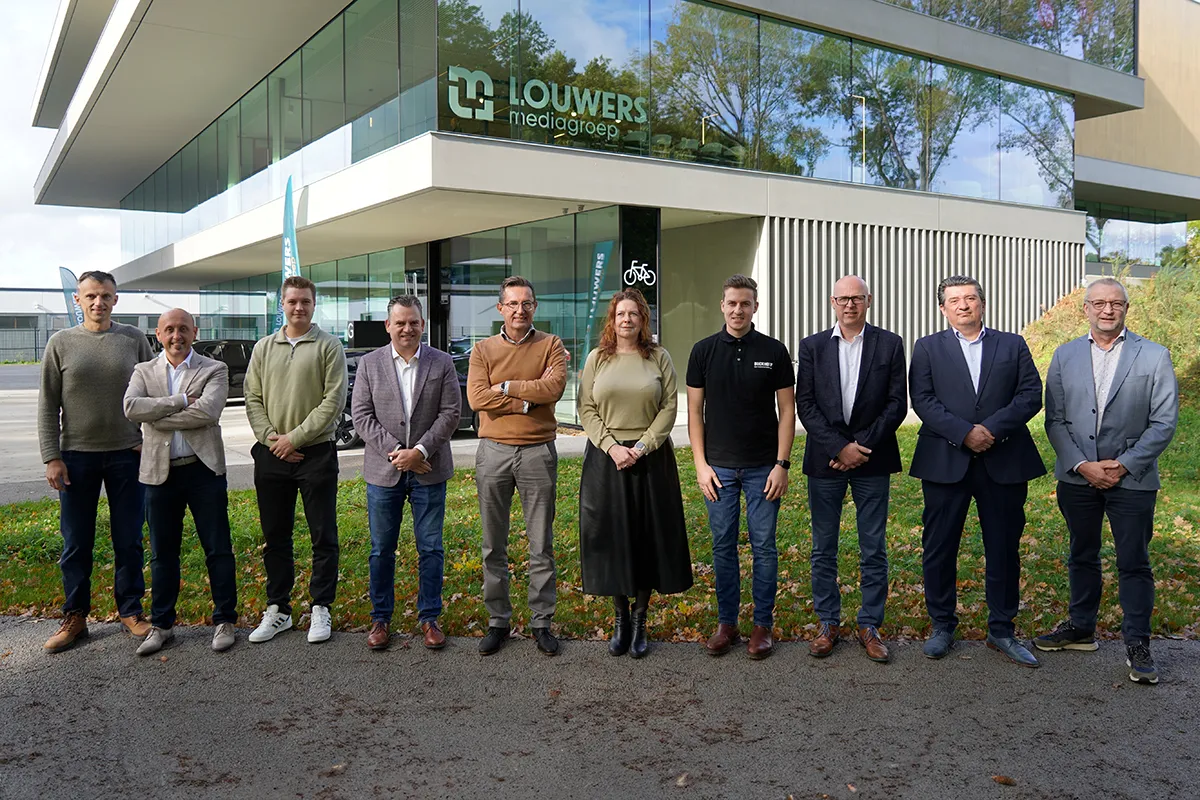
Round-table discussion brings the technology sector together
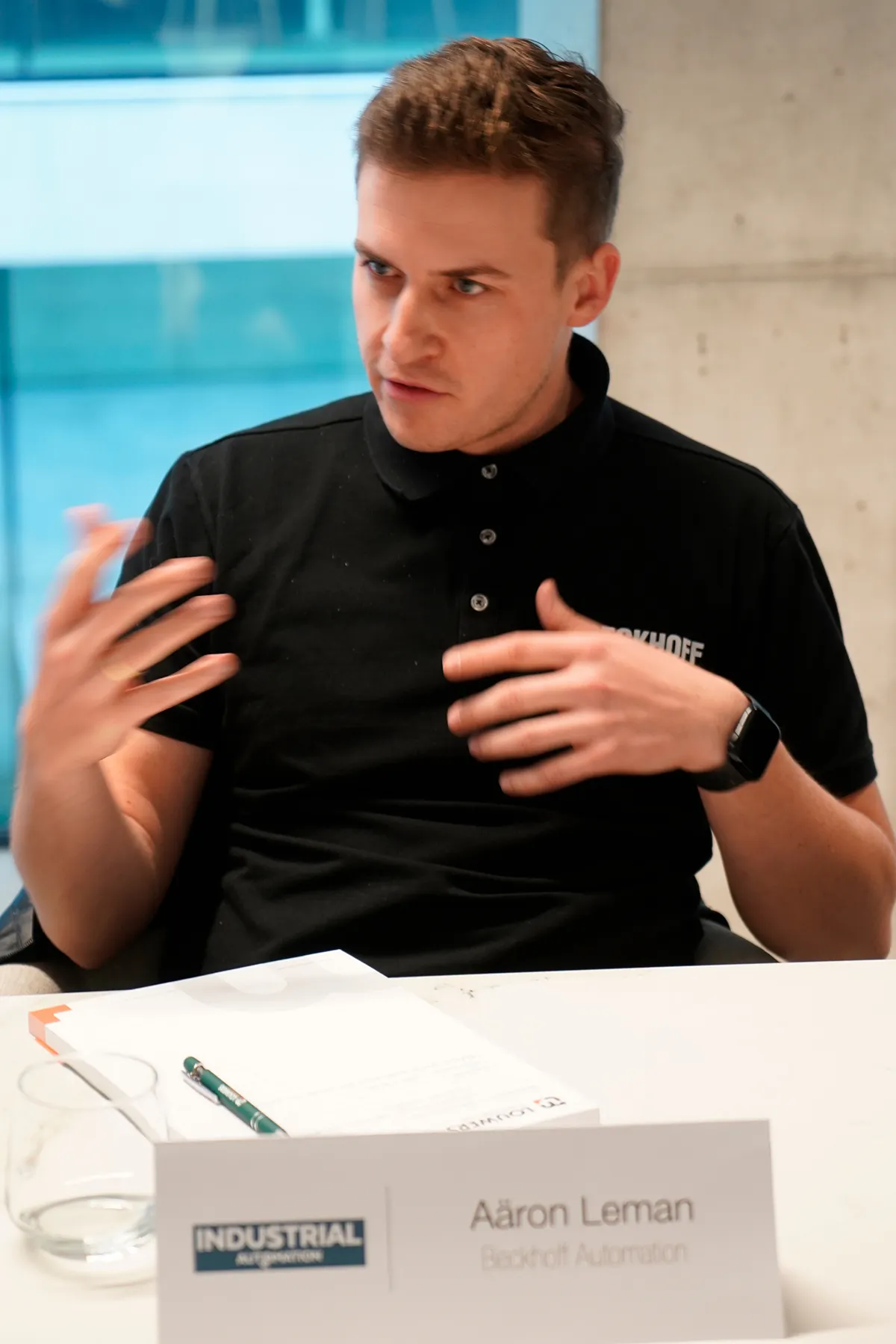
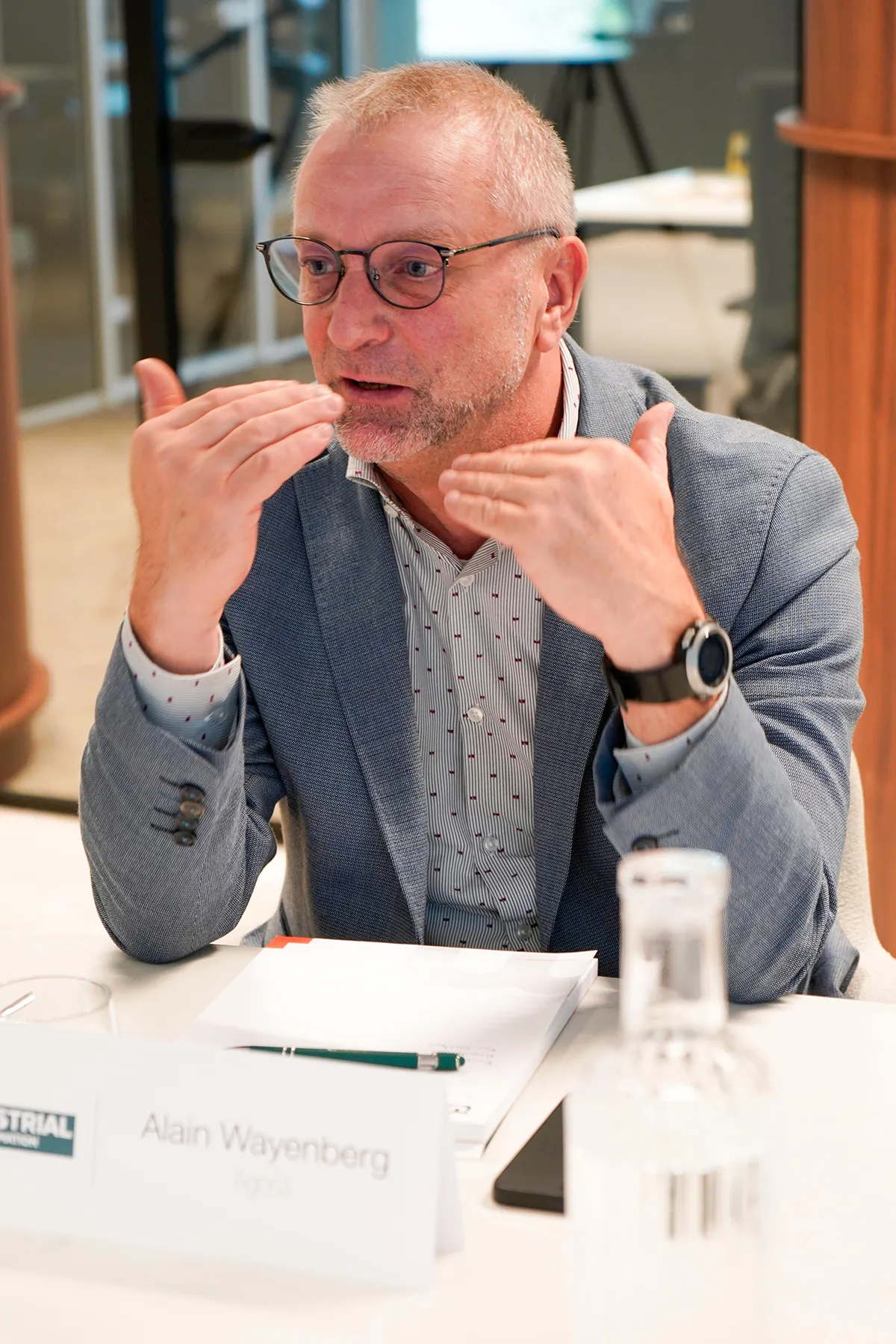
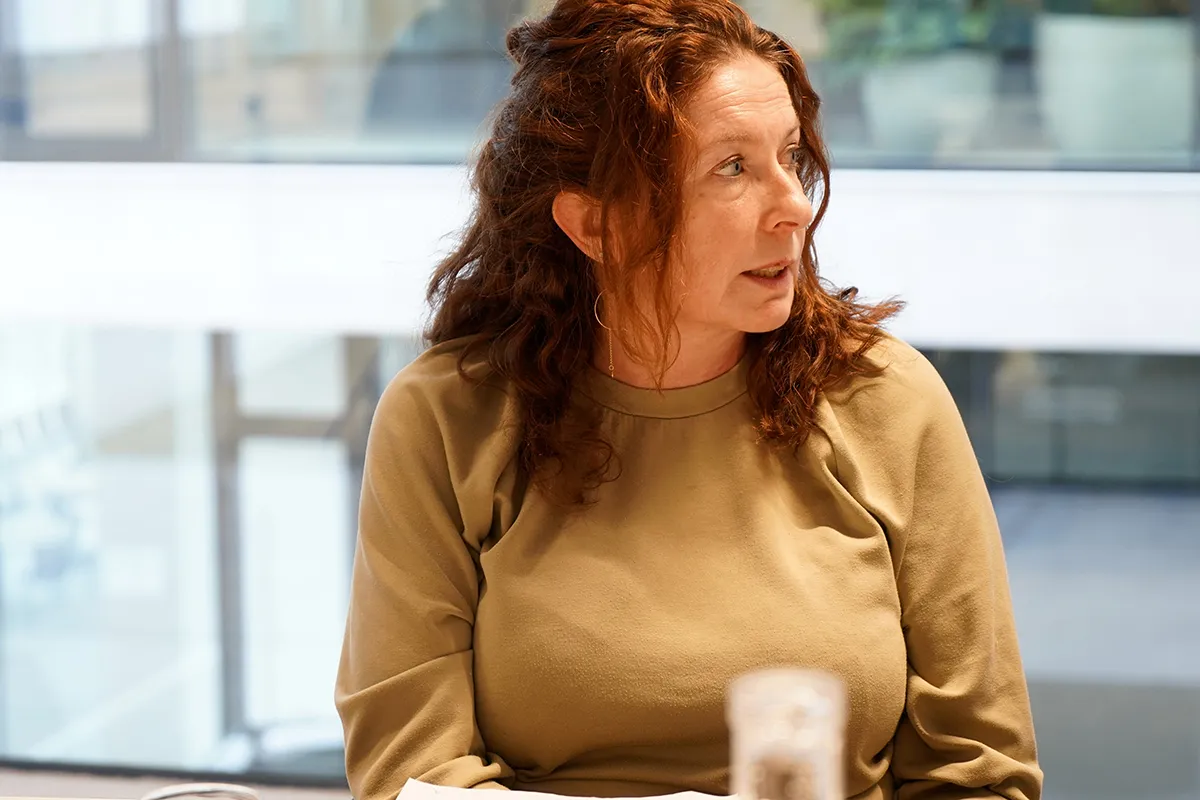
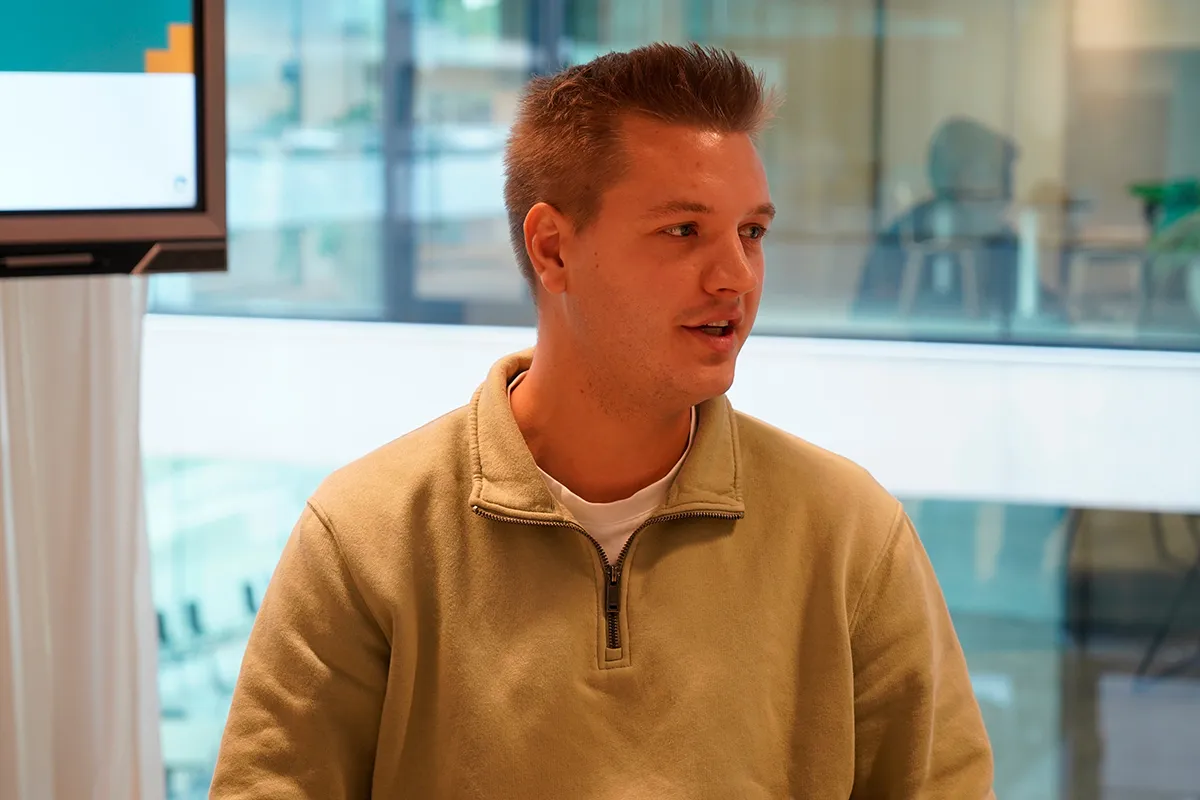
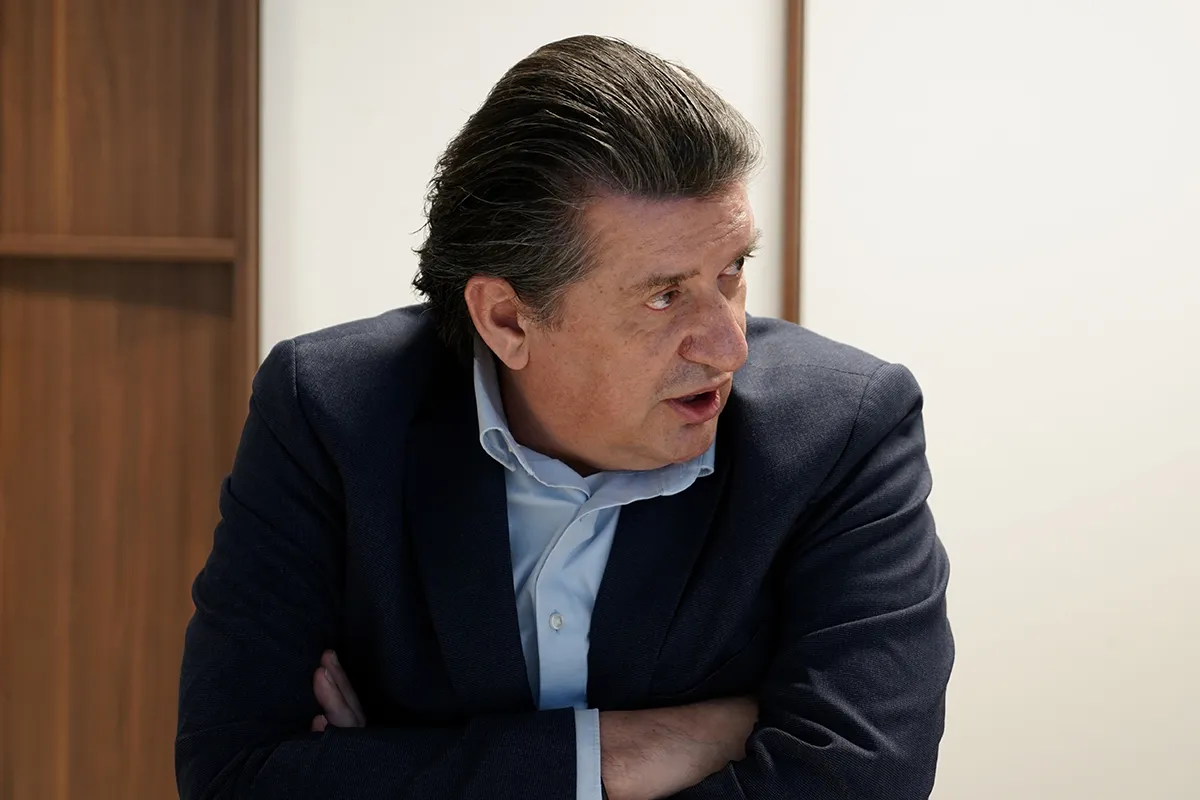
Ten years of Industrial Automation is the perfect opportunity to look back and see just how much has changed over the past decade. Fortunately, we did not have to do it alone. Ten bright minds (as you might expect) from the Agoria Bedrijvengroep Industrial Automation shared their views on automation yesterday, today and tomorrow. Niki Claes (WAGO), Nico Declercq (Pilz), Jurgen De Wever (Siemens), Werner Fransen (Yitch), Aäron Leman (Beckhoff Automation), Elke Luxem (Schneider Electric), Jeroen Macharis (Multiprox), Koen Van De Plas (IFM), Marc Vissers (Lenze) and Alain Wayenberg (Agoria- made for a fascinating discussion, which we are pleased to present in two parts. This edition covers IT meets OT, AI as a game changer, and the question of cybersecurity.
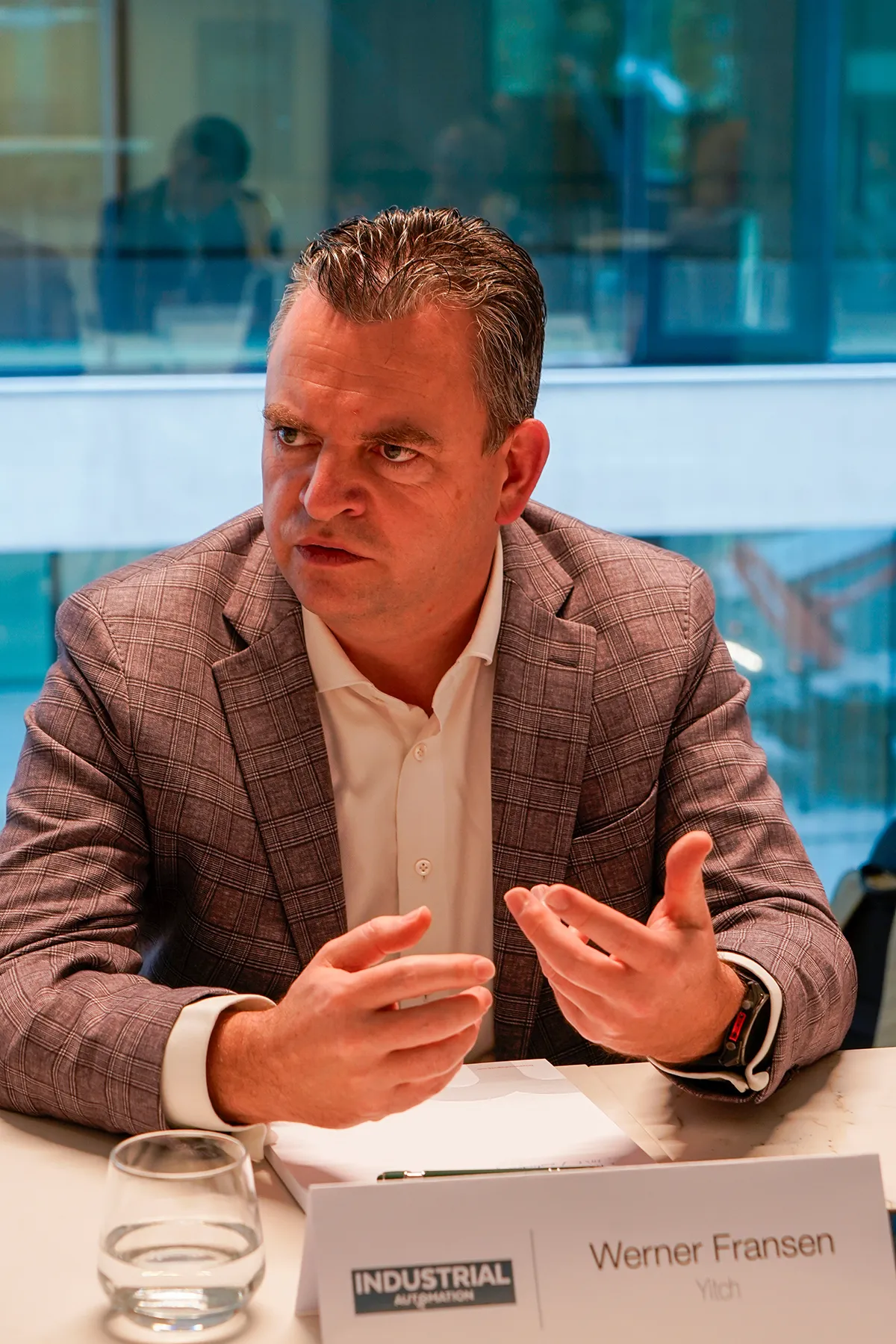
When we ask the panel (in the interests of accuracy, we should say the table was oval, not round) what they consider the most important development of the past ten years, the words software and digitalisation roll easily off their tongues. Vissers puts it memorably: “Digitalisation is a case of eat or be eaten. Now it’s about who will be left standing.” Macharis is most specific about what has come our way. “Open-source software, in particular. It’s a godsend for start-ups, which are using it at breakneck speed to build new IoT applications. They were, and still are, springing up like mushrooms. It’s a boon for industry too, because you can achieve great things on a smaller budget. That’s what Industry 4.0 has brought us. The challenge lies in the next steps. How do you keep everything compatible, how do you scale up? And how do you keep everything cybersecure?”
A story of opportunity
So should the whole IoT genie be put back in the bottle straight away? Even major tech players such as Amazon have seen their cloud infrastructure go offline due to a cyberattack. “No,” says Luxem firmly. “How well you are digitalised determines how well you can respond to an attack. Digitalisation is above all a story of opportunity. It offers so many ways to make our industry more efficient, productive and sustainable. Cybersecurity concerns must not be a reason to innovate less. It is up to us to make our products cybersecure.” No one at the table denies that the threat is real, however. Wayenberg shares the main conclusion of an Agoria study with us: “The question is not whether you will be attacked, but when.” Macharis does add the caveat that not everything has to go to the cloud, with all the potential cyber risks that entails. “You can also build great applications on premise.”
Too many regulations?
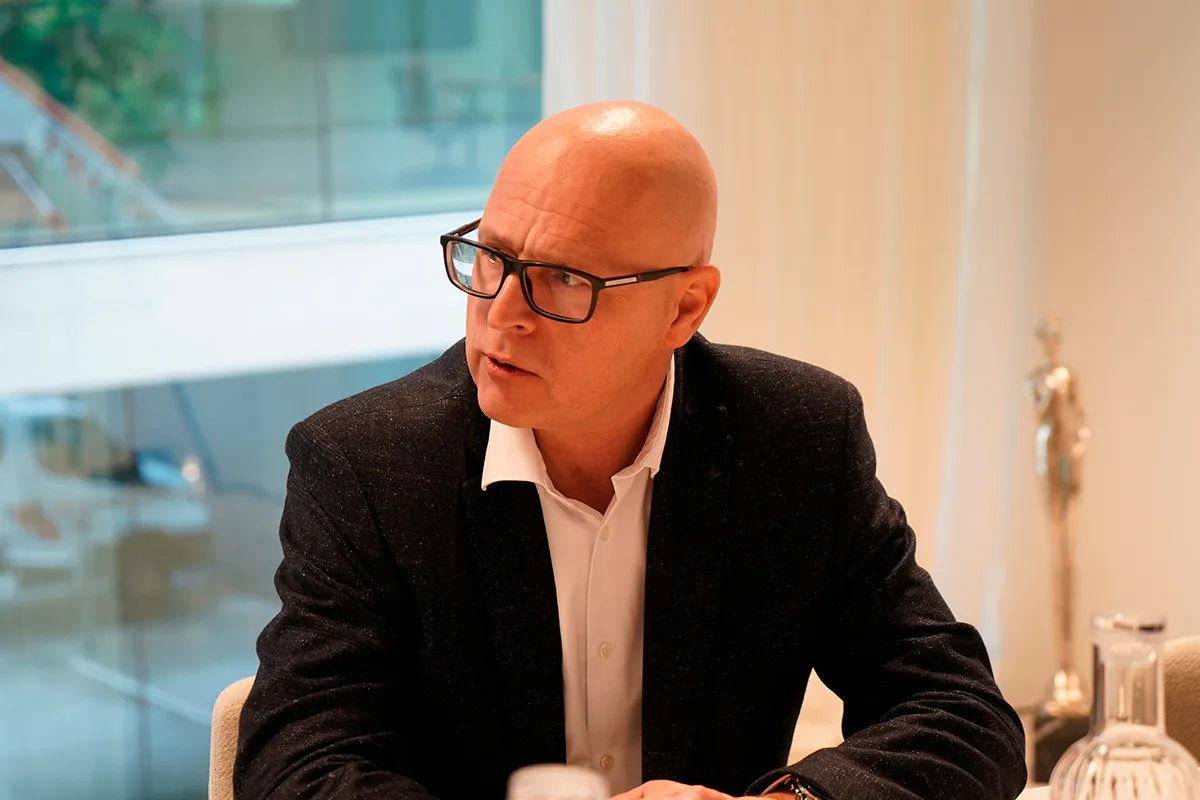
Europe is relying on two pieces of legislation to improve cybersecurity. NIS 2 requires companies to protect themselves, while the forthcoming Cyber Resilience Act (CRA), due in 2027, requires technology companies to make their products secure by design. Declercq warns that this could be the last straw. He quotes Prime Minister Bart De Wever, for once not in Latin: “America innovates, China duplicates, Europe regulates. We need to make sure we remain competitive here. Too many regulations do more harm than good.” He is referring not only to the CRA but also to the new Machinery Regulation. “Companies buy their machines in Asia because they are cheaper there, and then ask us to make them safe. We may benefit from that, but our industry loses out.”
Only as secure as your weakest link
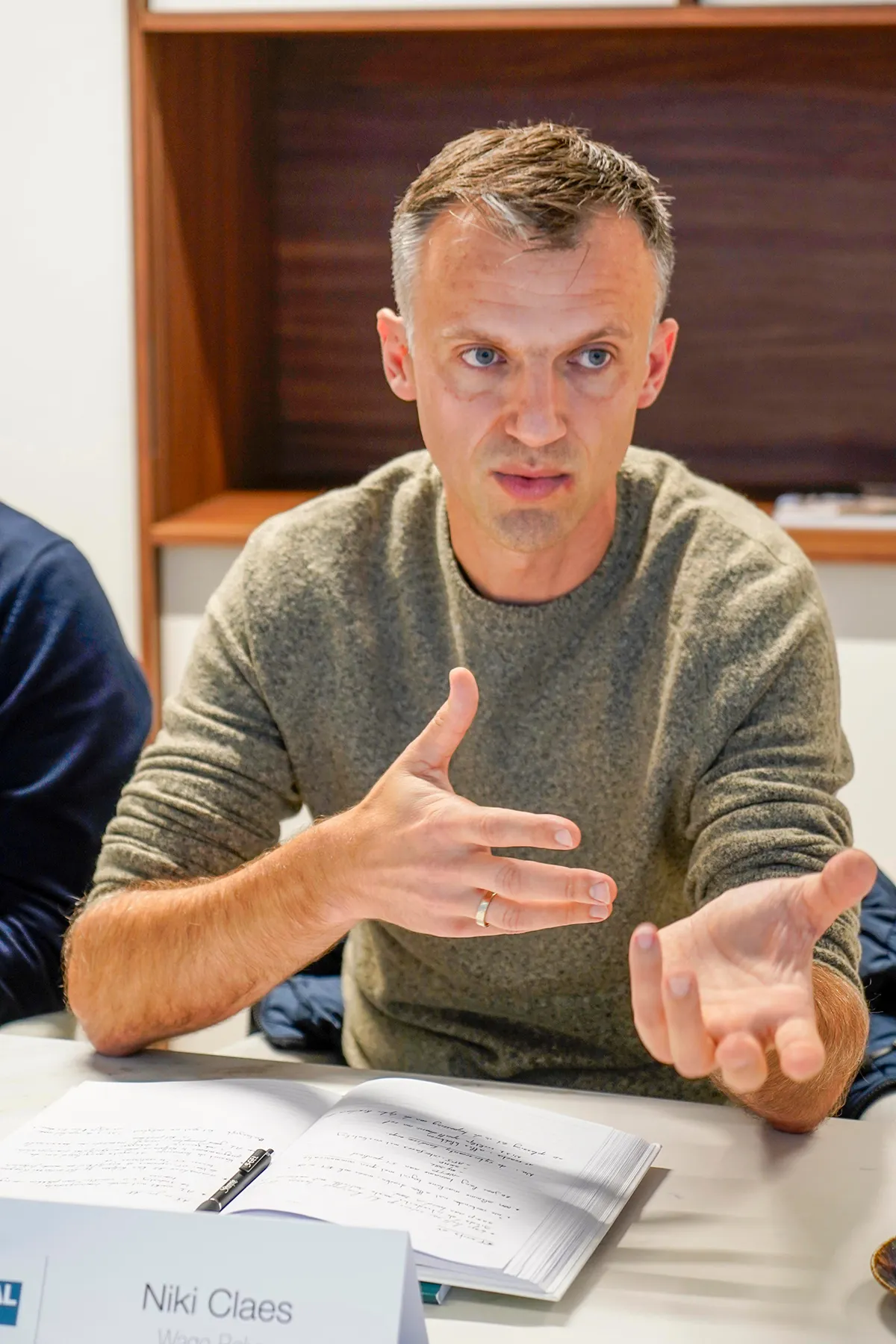
Fransen also notes that companies are not yet losing sleep over cybersecurity. “Not because they are unaware of the dangers, but because they have other priorities in the current geopolitical climate.” De Wever sees it differently. “Investing in cybersecurity can only improve our overall competitiveness. Believe me, if you don’t keep up with these digital developments, you won’t be getting contracts in defence, semiconductors or pharma. In any area where IP or availability matters, anything classified as critical infrastructure or involving work in ecosystems, cybersecurity will become the standard.” Claes agrees. “You are only as secure as your weakest link. That’s why I’m such a strong supporter of the CRA: it forces everyone to get on board. That may bring huge challenges today, but also huge benefits tomorrow.”
Digitalisation is a must
There is no going back, then. “You can see the pendulum swinging back towards a balance. We opened the door with the advent of Industry 4.0. Now there is greater awareness of the dangers and of how we can be protected while remaining competitive,” says Leman. “Because just look at what artificial intelligence is bringing us … Our customers are experimenting with it extensively: they are getting tools to make programming easier, create documentation …” For Fransen, it is a matter of real urgency. “In Western Europe, we need to increase productivity per head. We would all like to see reshoring, but we don’t always have the people here to make it happen. So we have to invest in digitalisation, digital twins and AI to remain competitive here.” ❯
Hardware will remain, but its role will shrink
Are we heading towards a future where everything is software? Should we reserve a place for PLCs in a museum by the time we publish our next anniversary issue? Claes agrees: “The conventional PLC will end up there, because we can do more and more ‘over PC’, and because more intelligence is shifting to the drive.” Vissers is convinced that change will not happen quite so quickly, but he does not deny that it is a trend. “More and more hardware will disappear from the system, but not all of it.” Van De Plas agrees: “If you can measure it, you can manage it. That was true ten years ago and it will still be true in the future. You need sensors to capture that data. But not everywhere any more. We will be able to do more with less, especially with the breakthrough of artificial intelligence.”
The power of AI
That makes artificial intelligence the third topic to come up at the table. De Wever is a firm believer. “It is a new discipline today, an umbrella term covering a wide range of things, which allows us to automate automation. Well-designed digital foundations and an AI approach are essential for this. But in a few years, we will no longer even refer to certain forms of AI. They will simply be integrated functionality running in the background, without the label.” Van De Plas sees it the same way. “We have all seen the power of ChatGPT and Copilot. We need to use them to our advantage to optimise processes, improve quality and prevent downtime. We have no natural resources of our own in Western Europe, but we do have expertise. And good sensors,” he adds with a wink.
New technical talent
“And good people,” Leman is keen to point out. “That’s the great thing about working here in Belgium: there is plenty of local talent. A good engineer round the corner will always understand your company’s needs and your market’s requirements best, and will therefore be able to solve your problems most efficiently.” Although tomorrow’s engineers may not be the same as today’s. Vissers says: “Tomorrow’s engineer will no longer learn to programme, but to parameterise. Of course, they will still learn the fundamentals so they know what they are doing. But with the whole ‘OT meets IT’ story, areas of work are increasingly converging.” Leman is quick to warn against taking this too far. “You can’t be an expert in both mechanical and electrical engineering and also know exactly how to set up a drive.” For Luxem, that is another reason to embrace digitalisation. “It simply makes your company more attractive to technical talent.”
Digitalisation in two gears
Not every company is on board yet, though. Digital maturity varies widely. Wayenberg jokes that some companies are still stuck in Industry 1.0. “That may sound a bit harsh, but the differences are substantial. And yet we see this as an essential transformation if we are to keep production here, and we are trying to help companies through it. Where are they today, and where do they want to go? But above all, companies need to realise that this is a continuous process. It doesn’t stop with a single investment. You have to keep up, or better still, stay ahead.” Fransen agrees: “When we look at our customers’ biggest success stories, they are the companies that have managed to bring OT and IT together in a single, shared strategy.”
Question about this story? Ask your question
Companies in this story


Keep following this
Get an email when a new story is published. No account needed.
- SubjectNews
- CompanyBeckhoff Automation
- CompanySchneider Electric
- CompanyLenze BV







