












The future of industrial automation, part two
Text Valérie CouplezImage Beeldmagie
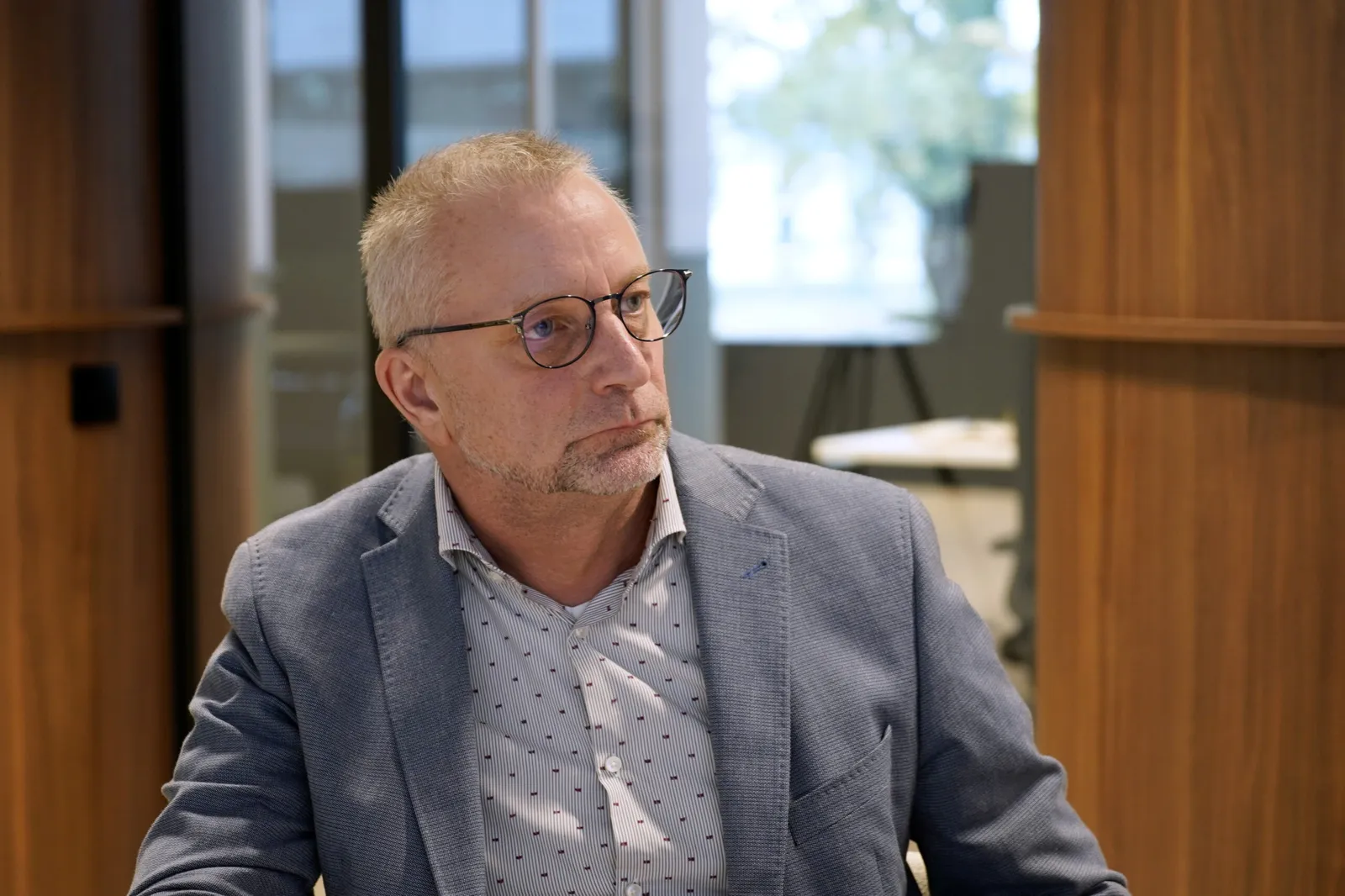
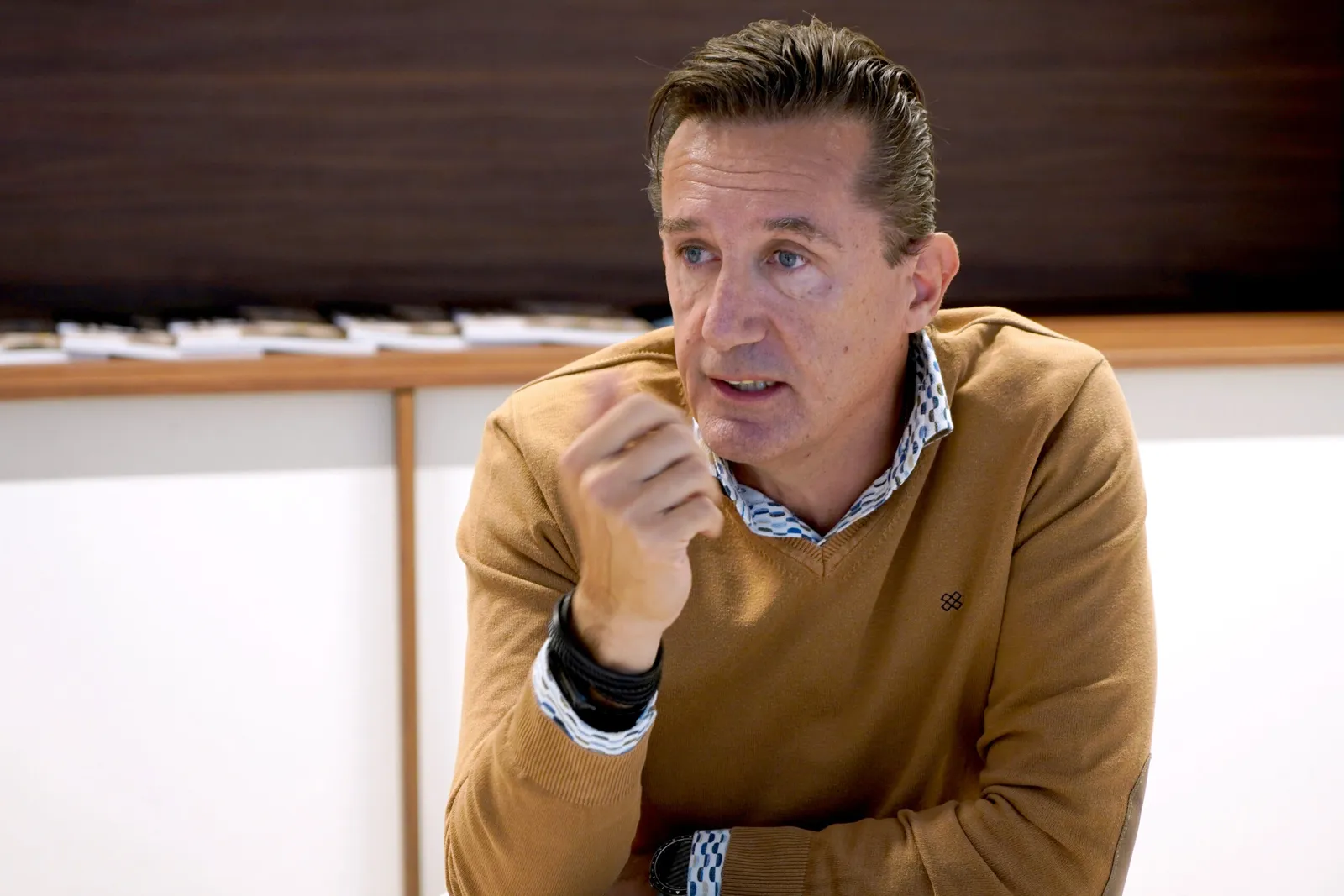
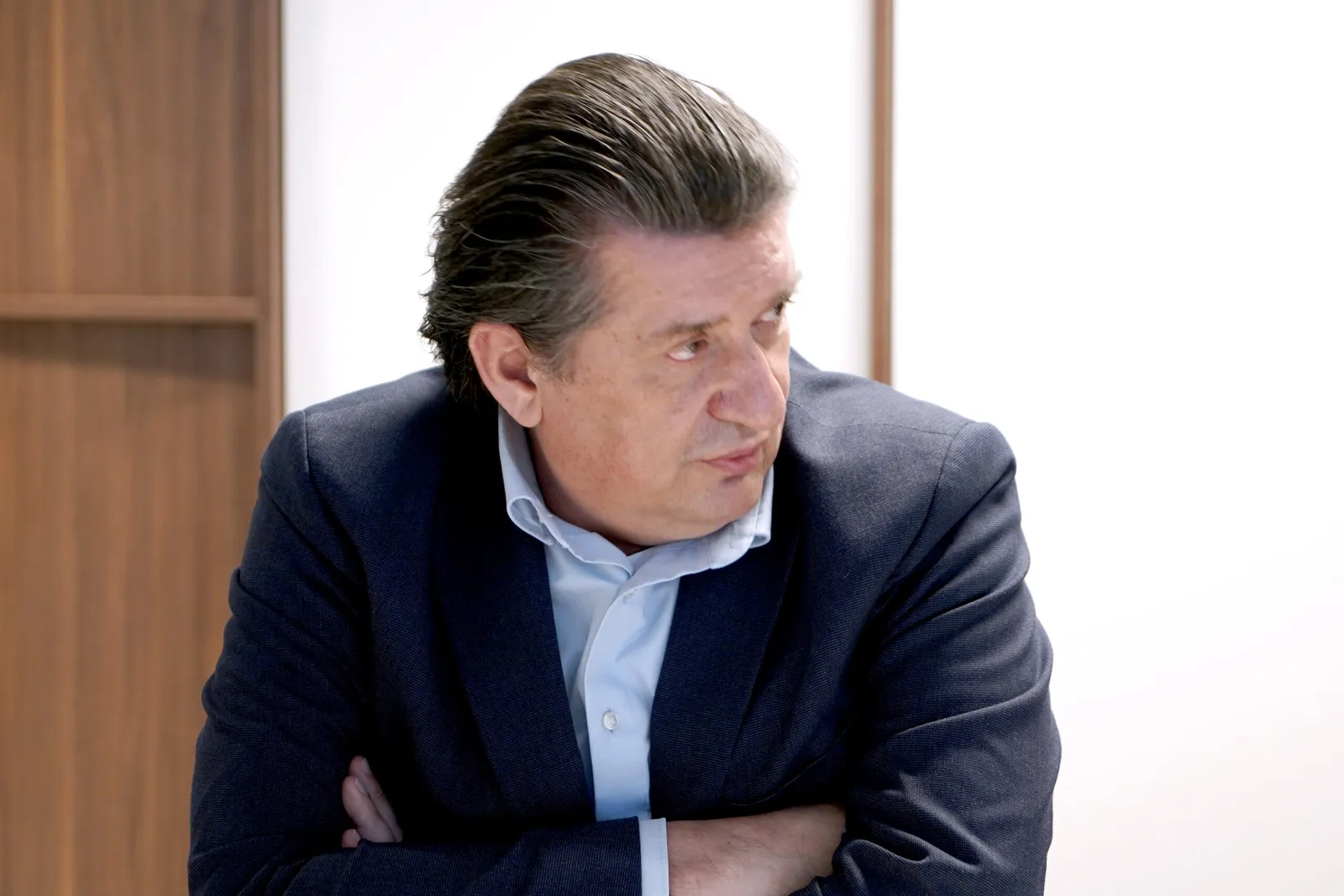
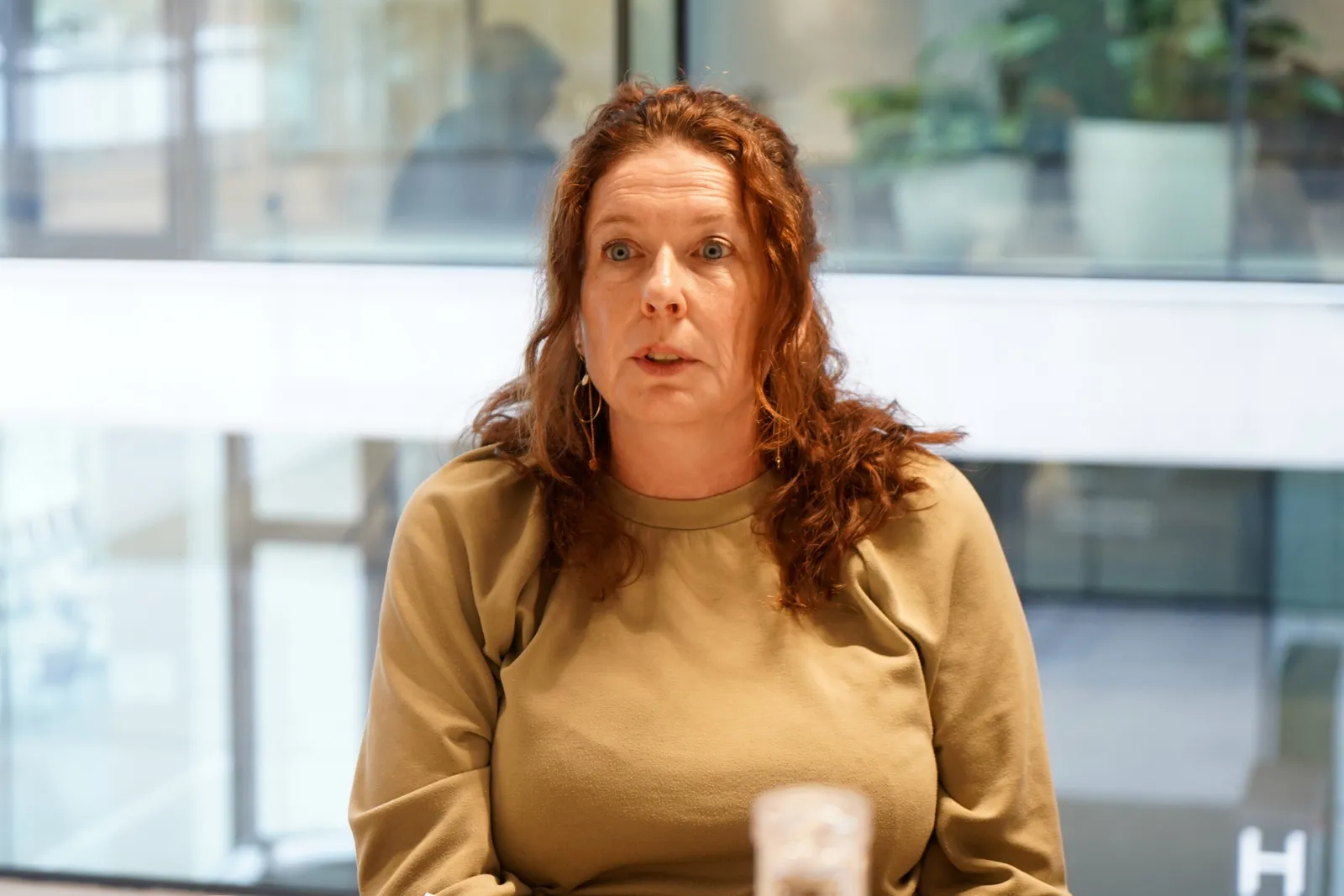
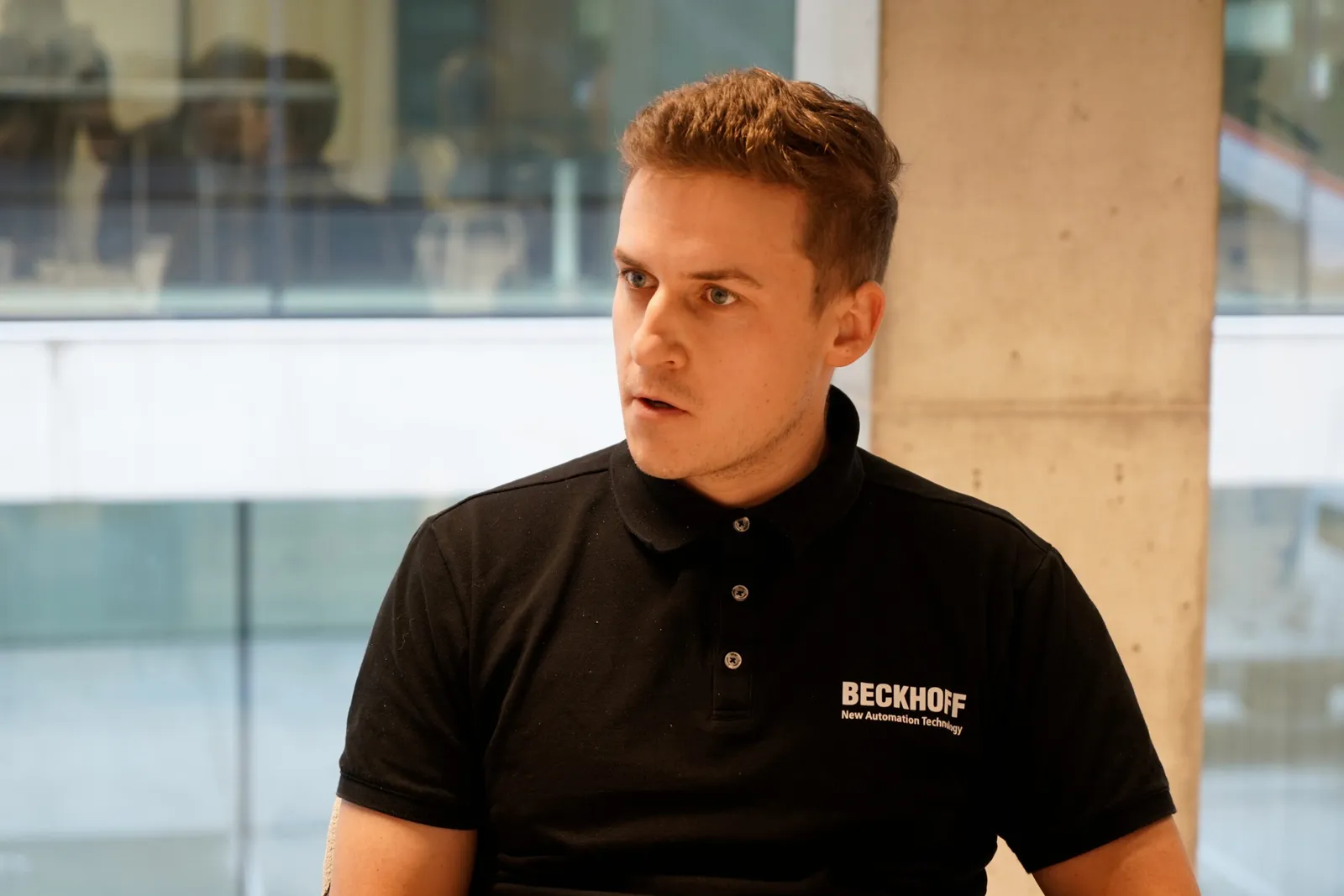
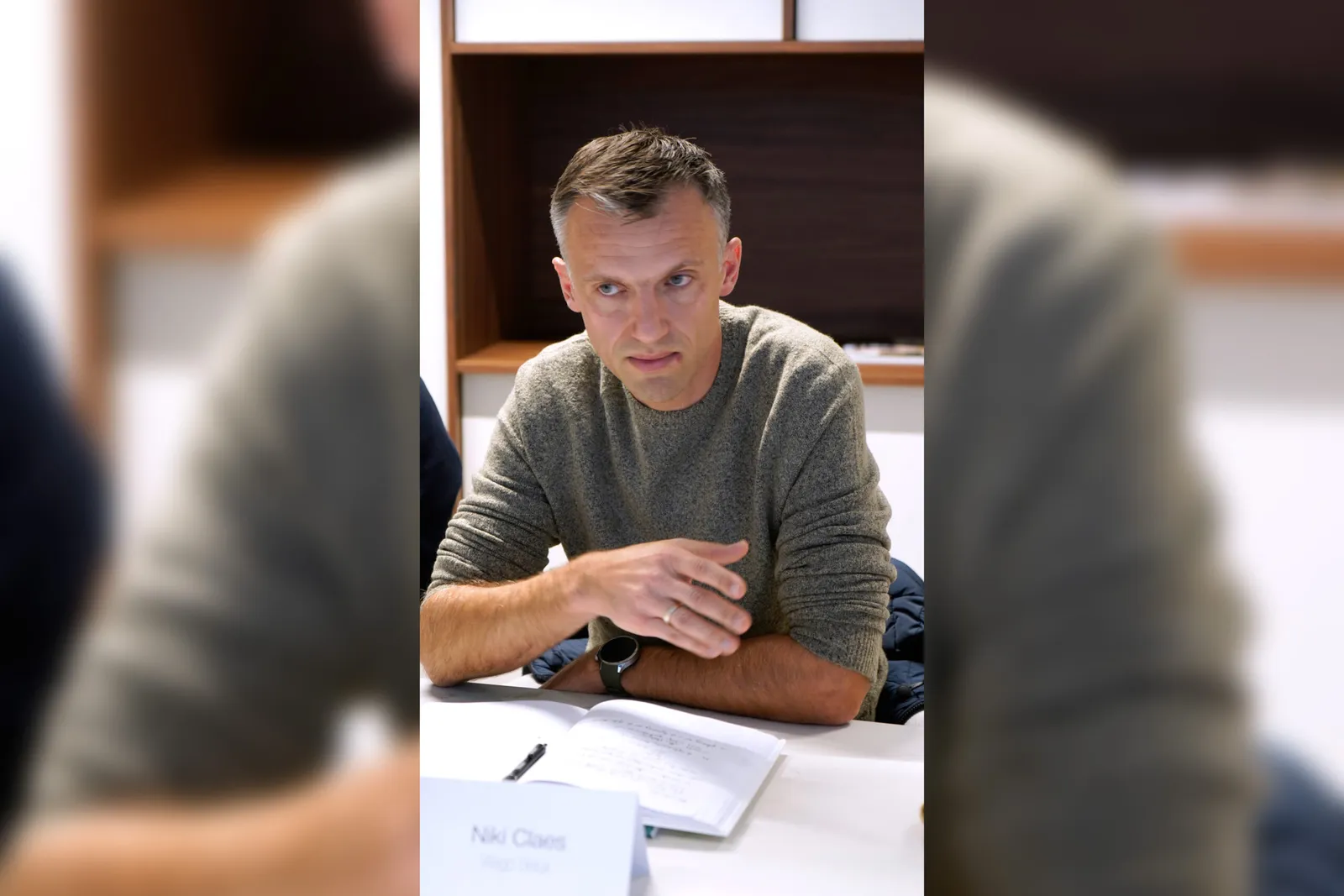
Shift to the fifth is the new baseline for the Indumation trade fair. But what does that actually mean in practice? Will our factories soon be staffed only by humanoid robots? Will we be able to keep a factory running with an army of data analysts? And where should Europe focus its efforts to safeguard its competitiveness? Our esteemed panel, comprising Niki Claes (WAGO), Nico Declercq (Pilz), Jurgen De Wever (Siemens), Werner Fransen (Yitch), Aäron Leman (Beckhoff Automation), Elke Luxem (Schneider Electric), Jeroen Macharis (Multiprox), Koen Van Den Plas (ifm electronic), Marc Vissers (Lenze) and Alain Wayenberg (Agoria), discussed these questions at Industrial Automation’s first round-table discussion in November. In this article, we summarise the main
Let’s start with the definition of Industry 5.0. In keeping with the spirit of the age, we won’t look it up in a dusty encyclopaedia (do they even still make those?), but will simply ask AI, Gemini in this case. It describes Industry 5.0 as a vision for the future that goes beyond Industry 4.0’s focus on technology, putting people, sustainability and resilience at the centre. Wayenberg explains why this leap is needed. “Industry 5.0 will show us exactly what benefits the industrial revolution has actually brought us. Why we need data and need to bring OT and IT together to take the next steps.” Macharis agrees: “Capturing and visualising data is all well and good, but the added value only comes when you link it to an actual action. That’s where we need to go now.” Declercq believes we are not far off. “I went to a talk by trend watcher Bruno Fabre. He showed just how close we already are to companies operating without a single person on site.”
Fail fast
So what’s the quickest route to Industry 5.0? “The fastest one,” Vissers replies with a wink. “Start today, and if you fail, fail fast,” he explains. “I think the message to companies should be that automation and digitalisation are an ongoing journey. The work is never done. You have to keep investing to stay ahead of your competitors.” It would be an understatement to say that not every company is equally far along. “That’s why you shouldn’t compare them either,” says De Wever. “Every company is different. Start with a robust architecture and a goal to work towards. There’s no other way. We have a structural shortage of people. Technology is the answer. Automating automation will ensure that we can continue to stand out through creativity and flexibility. Those who are too slow to adapt will have a competitiveness problem the day after tomorrow.”
Building on our strengths
Is this a European problem, then? Can we stand up to the bison in the West and the elephants in the East? Is our manufacturing industry at risk of being trampled? Luxem doesn’t think so. “Europe needs to build more on its own strengths. We have more inhabitants, and therefore more consumers, than America. We also have advanced technology and the knowledge to use it. So let’s move away from the idea that Europe should become a service economy. We need industry to underpin our prosperity. So let the service sector work around our industry. And I hope that industry will be clean, sustainable and focused on electrification and energy efficiency.”
America is lagging behind
“All the major players in AI may seem to come from America, but that’s just one small corner of the continent,” Fransen interjects. “Anyone who has been to America knows that the rest is lagging behind us. I’d be more worried about China. You might have called them copycats in the past, but not any more. There’s a lot of innovation happening there. But I think Europe has huge strengths. In technology, in knowledge and in education. And we need to make more of them. I think we can still achieve a great deal.” Claes also sees no reason to panic. “We Europeans are a little more risk-averse. We don’t throw billions around like the big AI companies, which, incidentally, haven’t made half a euro in profit yet. Yes, they developed generative AI, which can be used widely, but where we’re stronger locally is in developing AI applications for very specific uses, which are profitable straight away.”
Europe as one
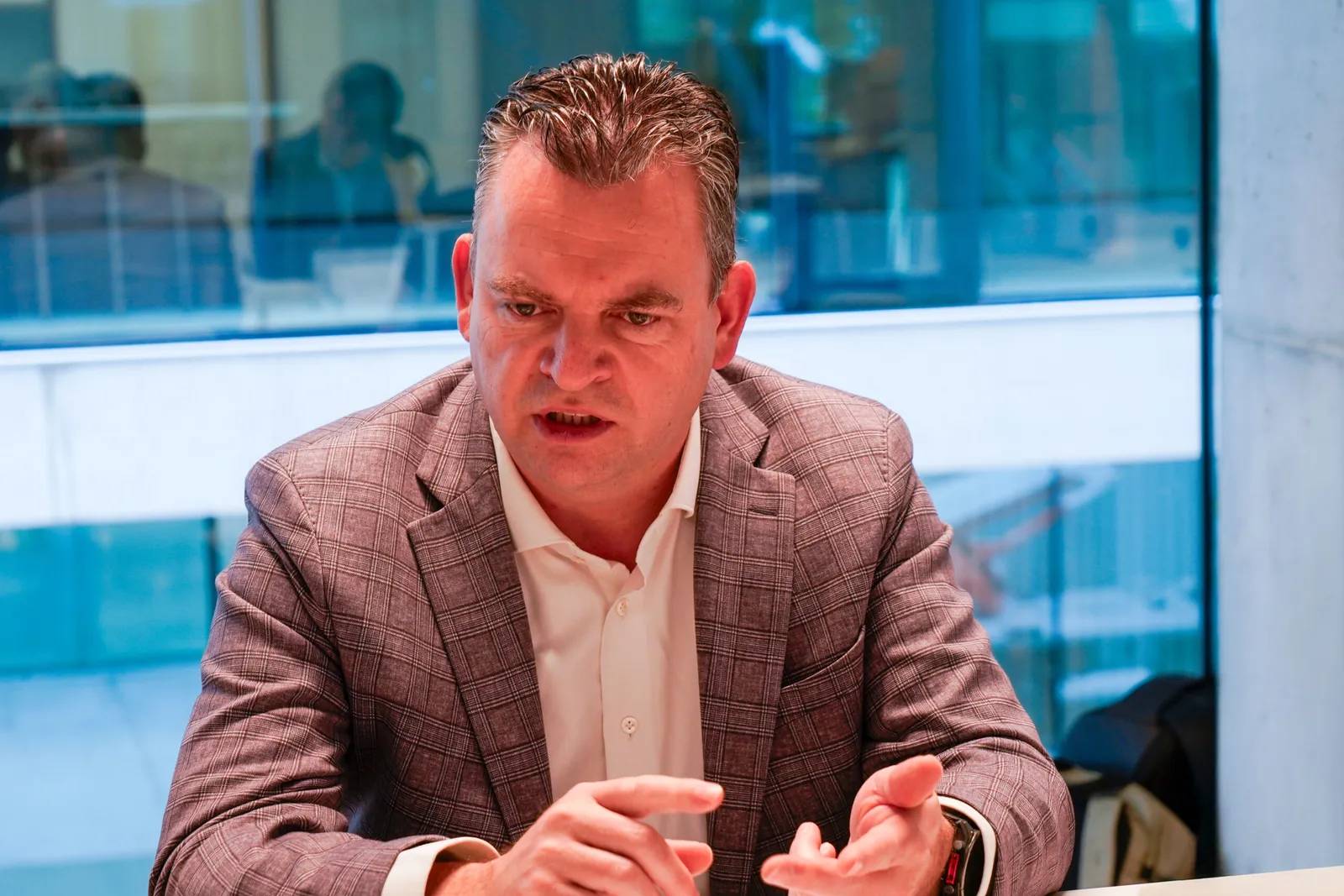
Van Den Plas believes collaboration is key to making a difference. “I think we in Europe need to work together more, so that we can do better and stay one step ahead of our competitors. Innovation is the only way forward; subsidies are a dead end. Just look at the mining industry that has disappeared.” Declercq agrees: “Europe is still too fragmented. We need to move towards a genuine free-trade economy within our borders. And, as Bart De Wever suggested, we can set a good example with the Benelux. We’re already innovating together here.”
Inspiring people
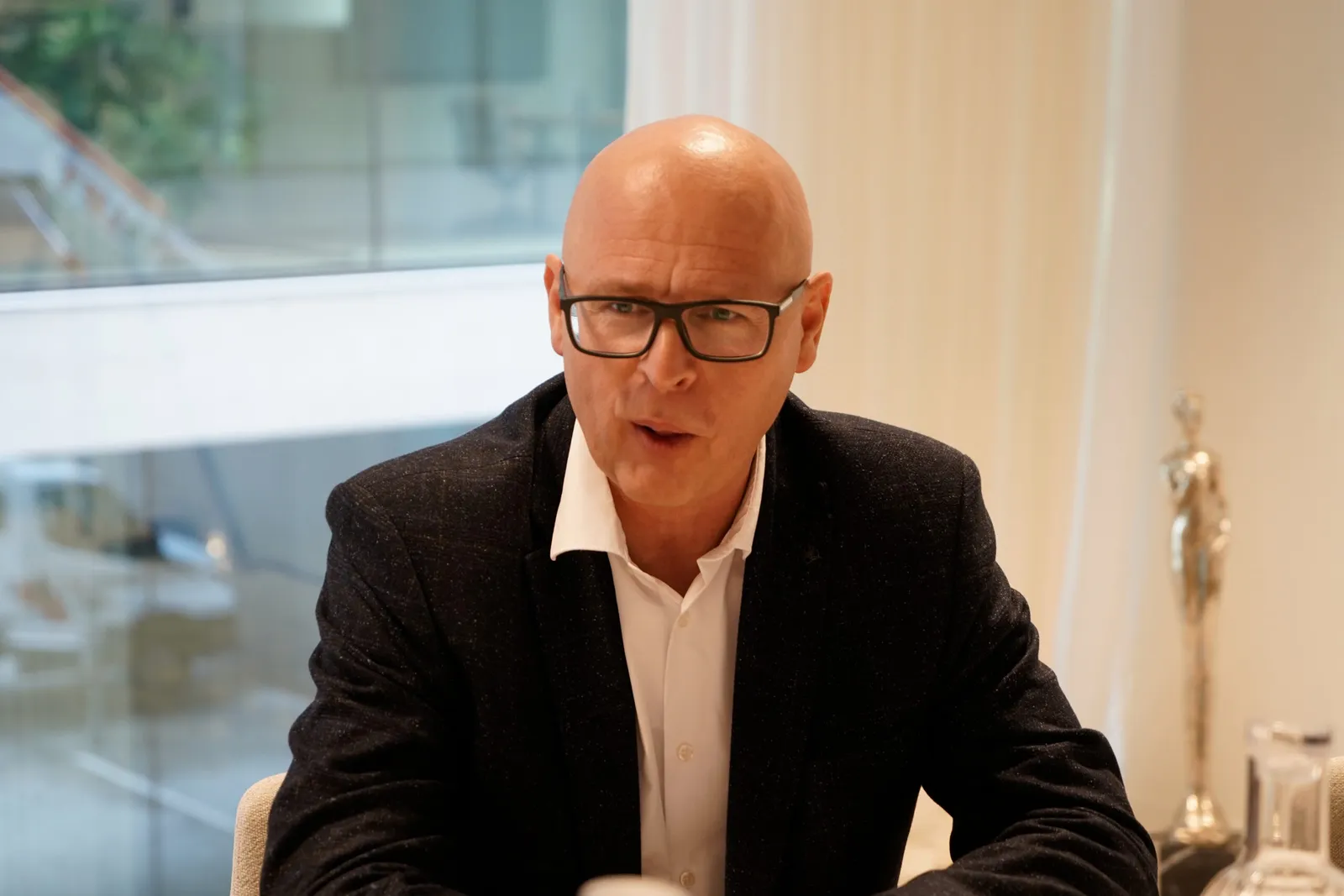
But can we find enough people to bring those innovations to life, or will we have to wait for humanoid robots to make their breakthrough? Leman points to some encouraging figures. “At UGent Campus Kortrijk, the number of engineering students who enrolled doubled. That’s a positive sign. I think the whole AI story appeals to people.” De Wever underlines the importance of inspiration. “Everyone in the field has a role to play. Just look at how many people come to open company days to see major infrastructure projects and the machinery needed for them. Technology is also becoming more accessible. If you can maintain a machine fleet with the same user experience as your banking app, there are opportunities to inspire young people. Technology is fun. Not just in games, but in an industrial context too.”
The right trigger, at the right time
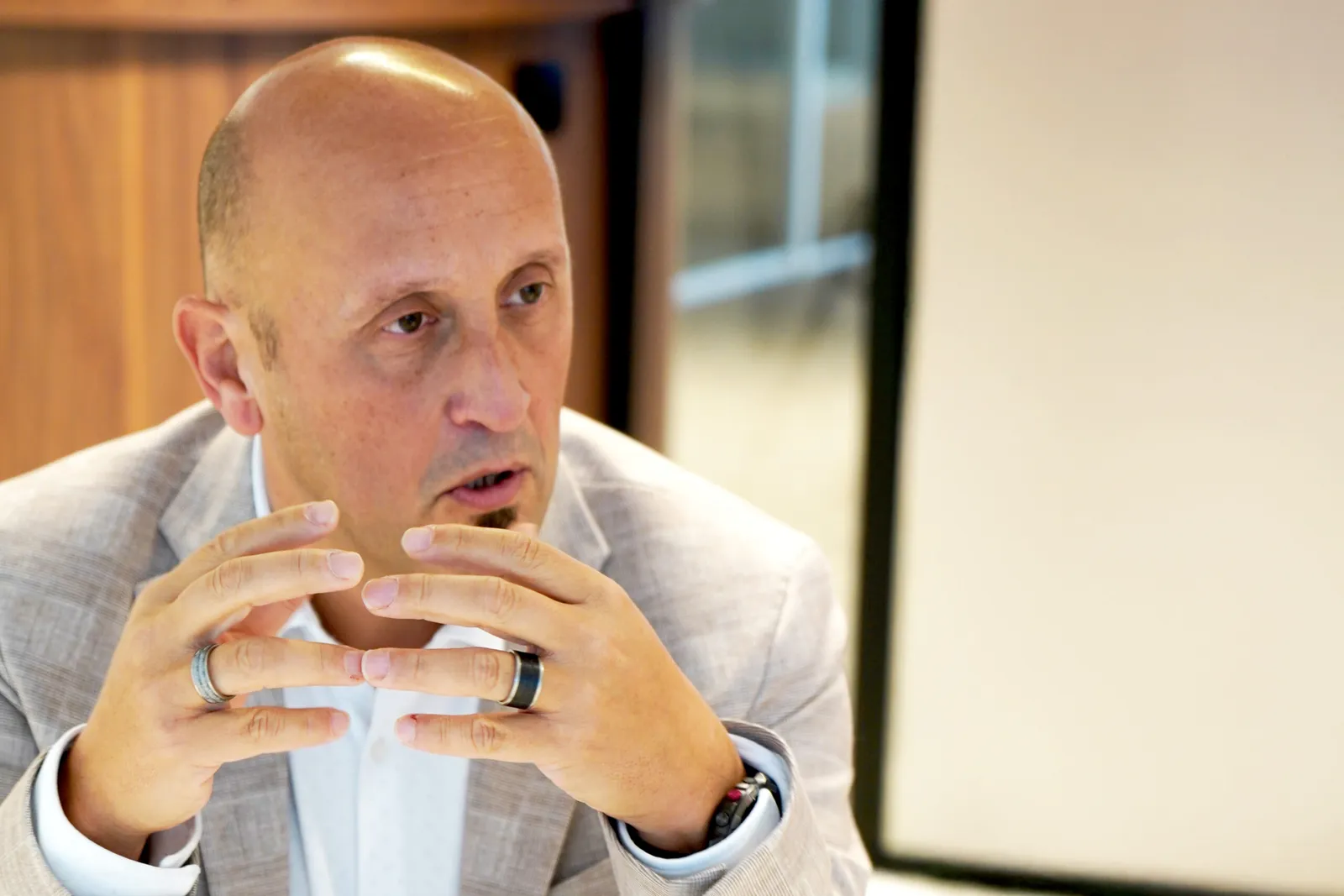
Fransen shares a personal anecdote. “I once visited Flanders Technology with my father. There was a kind of delta robot that used vision technology to pack biscuits into plastic blisters. That was when the spark caught for me. We actually do far too little of that sort of thing today. We need to show more of the problems technology can solve for society.” Vissers believes the sooner, the better. “Organise discovery trails where boys and girls can get a taste of drive technology, sensors, motion control … But do it before they start secondary school. Make sure they get that trigger before they start making choices.”
The right role models
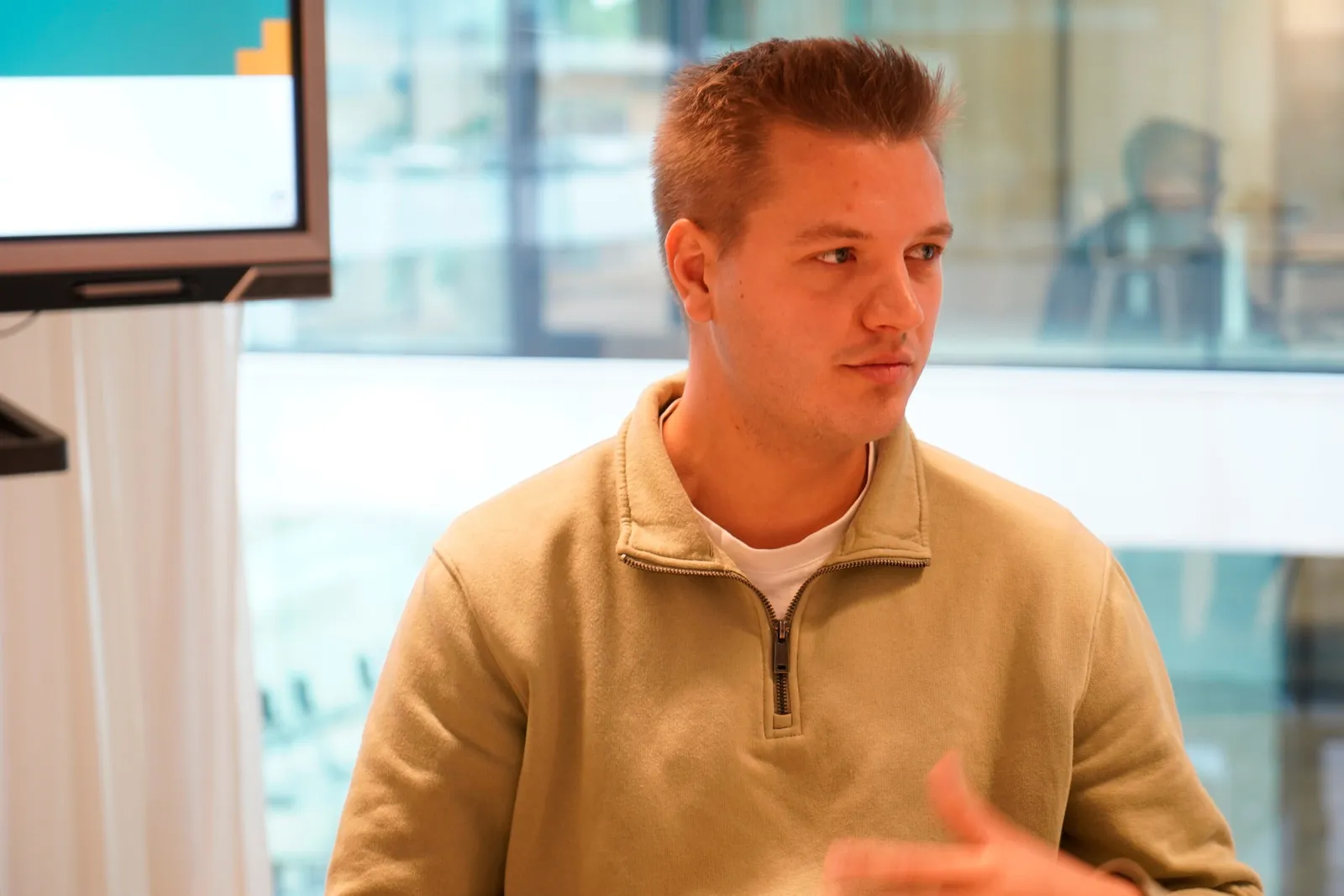
So who is best placed to inspire them? Macharis points to social media. “Instead of scrolling through videos of people dancing, I follow tech influencers on Instagram. That can really work for young people.” Leman thinks it should happen in the classroom too. “Someone who has done the job and has technical knowledge. But I don’t think an engineer from, say, BASF would switch to teaching in secondary school. So why not set up an exchange, with a weekly guest lecture from an industry specialist?” Claes cautions, however, that this solution is no silver bullet either. “At my school, there were a number of teachers who had come from industry. But they dropped out because they were disappointed, and ended up creating a negative perception. You have to encourage the right people to teach.”
Technology is fascinating
“We’re trying to change that with a STEM textbook. That way, we want to give teachers the enthusiasm they need. They too need to be convinced of the importance of technology.” Van Den Plas adds that there is another party in this story: parents. “A technical course can actually be so fascinating. I think everyone around this table is convinced, but perhaps the average Belgian isn’t. They’d rather see their son or daughter become a lawyer than an engineer.” Luxem can’t understand that way of thinking. “Because what an engineer does is much more tangible. He or she makes things. A lawyer talks,” she concludes with a broad smile.
Question about this story? Ask your question
Companies in this story



Keep following this
Get an email when a new story is published. No account needed.
- SubjectNews
- CompanyBeckhoff Automation
- CompanySchneider Electric
- CompanyLenze BV







