












The four aspects of power management
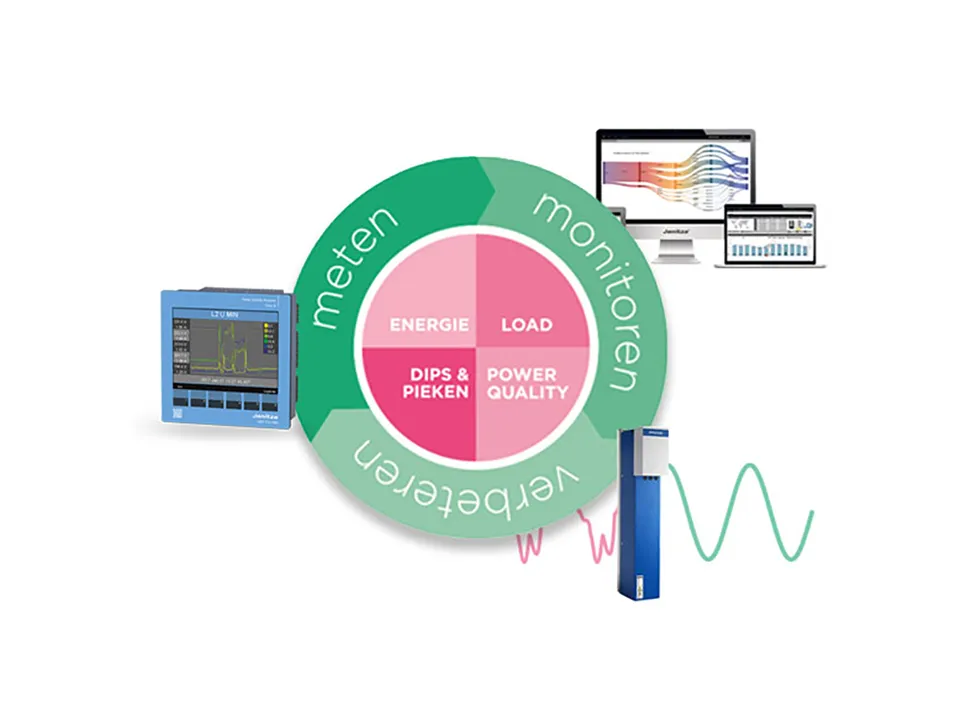
Power management is a continuous process of measuring, monitoring and improving electrical energy use. Its aim is to save energy, reduce the risk of downtime and keep maintenance costs down.
This cannot be achieved by managing consumption (kWh) alone. Voltage and current quality are just as important. Harmonic distortion, resonance and voltage dips significantly increase costs in modern installations.
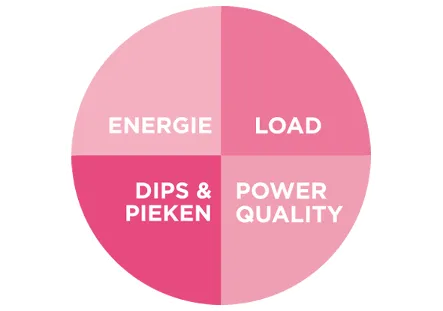
Find out about the four aspects of power management. How can they help reduce the consequences of poor voltage and current quality?
Read more about power management
1: Energy management
Cut your energy bill and reduce CO₂ emissions
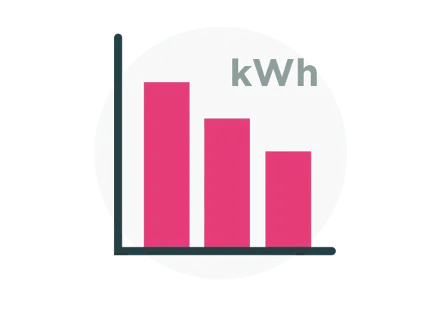
Mandatory EED energy audits and growing government requirements make continuous insight into energy flows essential. Making energy use visible raises awareness and encourages people to take action, while giving you a continuous view of the impact of those measures.
Visualise your installation
It also makes it possible to allocate energy costs to subtenants. Visualising consumption throughout the installation makes energy losses, standby loads and meter wiring errors immediately apparent.
2: Load management
Prevent overloading and determine available capacity
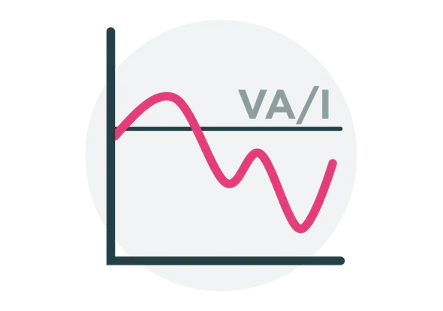
Electrical installation managers need to know where capacity can be increased without expanding the installation. Harmonic distortion, a low power factor and unbalanced phase loads place additional strain on the electrical installation, particularly the mains transformer.
Switching to generator operation
When switching to generator operation, it is essential to know whether sufficient power is available to supply the connected equipment. The dynamic behaviour of the load also makes it difficult to predict demand. Millisecond-level insight is therefore essential.
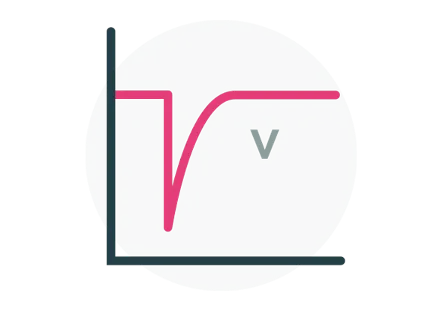
3: Voltage dip and peak management
Limit the knock-on costs of voltage dips and current peaks
Events such as voltage dips and current peaks can cause all or part of an electrical installation to fail. Timely alarms reduce downtime: faults can be located more quickly, making it possible to find a solution sooner.
Record dips and peaks
Recording these dips and peaks at a resolution of 50 microseconds makes it possible to identify the cause and establish whether a voltage dip originates in the grid or is caused internally. The data can be used to size a suitable solution for mitigating voltage dips.
Read more about voltage dips in the white paper
4: Power quality management
Prevent downtime, reduce maintenance costs and eliminate energy waste
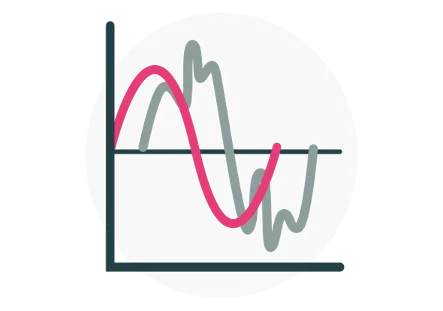
A ‘healthy’ voltage reduces maintenance costs, helps prevent downtime and saves electrical energy. It also provides insight and clearly defines responsibilities. This is important in liability cases following equipment failure. Voltage quality standards play a key role here. Among other things, they determine whether equipment may be connected and whether equipment failure is covered by warranty.
Energy measurement systems for energy savings
When integrating , it is essential to take voltage and current quality into account and incorporate them into the measurement concept.
Read more about power quality in the white paper
Power Management by fortop
All aspects of power management are integrated into fortop’s systems. It starts with accurate measurement and a robust web-based monitoring environment, alongside the products and services needed to make improvements.
At fortop, you will find everything you need to:
- continuously improve processes to reduce energy costs;
- increase availability; and
- reduce maintenance costs.
Get in touch to find out more!
Question about this story? Ask your question
Keep following this
Get an email when a new story is published. No account needed.
- ThemeLess downtime through maintenance
- SubjectNews







