












The art of automation
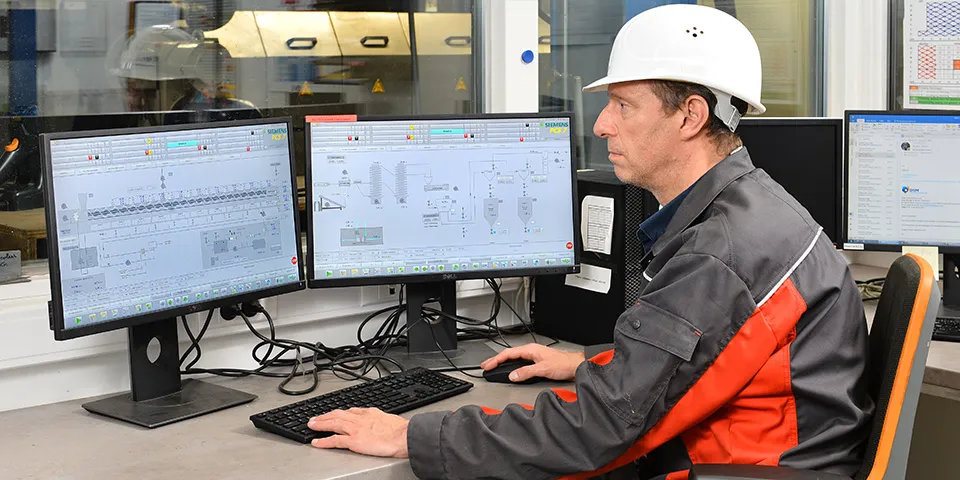
What do 90% of all cars and almost all mobile devices in the world have in common? They all contain highly specialised plastics from DSM Engineering Plastics. In recent years, DSM production sites around the world have switched to Siemens’ Simatic PCS7 for automated process control. The production site in Genk, where 260 people work, is serving as a pilot project.
DSM Engineering Plastics in Genk produces highly specialised plastics for industries including automotive and electronics. Customers expect not only high-quality materials, but also the flexibility needed to respond to changing market demands. The DSM Group is also consistently committed to sustainability. Ideally, an automation project at DSM Engineering Plastics would therefore result in less waste and fewer errors. An opportunity arose in Genk with line 6: one of the oldest production lines was using the now discontinued Siemens Simatic S5 and was due for an upgrade. Erwin Schepers, process control engineer at DSM Genk, explains: “After a thorough cost-benefit analysis, we decided to take the leap and raise the level of our line automation straight away.” What began as the migration of a single production line in Genk has since become a company-wide project. DSM seized this opportunity to adopt a future-proof solution that could also be rolled out at other production sites.
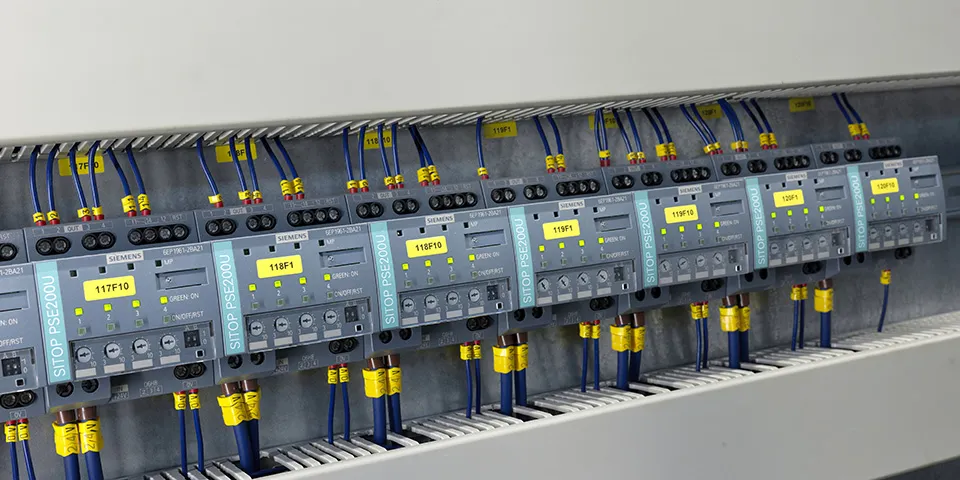
Of the four proposals, DSM ultimately chose Siemens PCS7. “The main reason? The platform’s openness, which gives us easier access to qualified programmers.
PCS7: the perfect answer to the requirements
A wide range of products is manufactured on the line. It was therefore essential to reduce changeover times as much as possible. “We also wanted to move towards greater standardisation and ease of use across different lines,” says Schepers. “That would make it much easier to deploy operators flexibly, depending on the workload.” System integrator Engie Fabricom used this list of requirements to develop a number of proposals for improved automation. Of the four proposals, DSM ultimately chose Siemens PCS7. “The main reason? The platform’s openness, which gives us easier access to qualified programmers. The use of so-called ‘recipes’ also makes PCS7 ideal for semi-continuous production processes such as ours at DSM. These significantly shorten changeover times between the production of different compounds.” Finally, a standardised HMI environment was introduced, allowing operators to work across different lines.
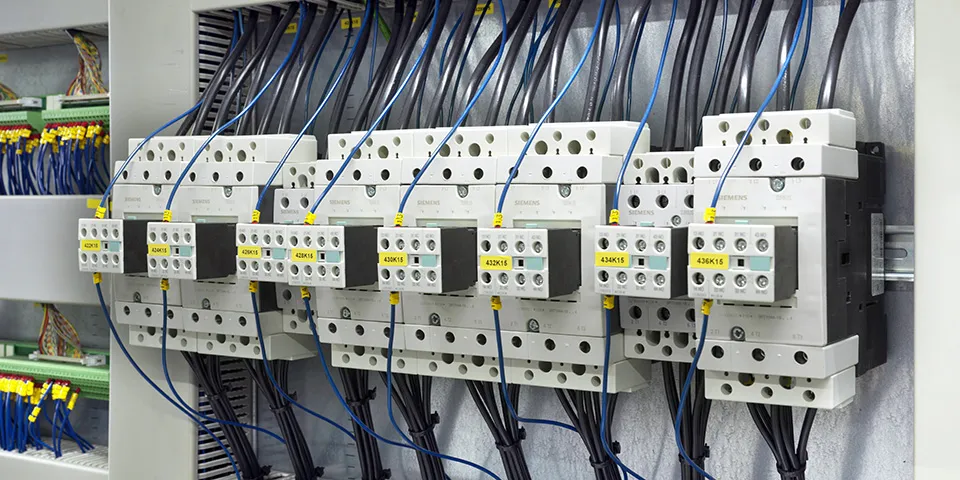
As the focus is on optimising production itself, not all of PCS7’s capabilities are being used yet, for example, those for preventive maintenance.
Less time, less waste
Schepers is particularly pleased with the new production line. “The smoother changeovers between products mean that not only is less time lost, but the amount of waste has also fallen significantly. As the focus is on optimising production itself, not all of PCS7’s capabilities are being used yet, for example, those for preventive maintenance. However, the data are already being collected, making it easier to take the next step towards new, future-proof applications.” DSM’s management was also convinced and decided to roll out the success of line 6 to other production lines at the Genk site. DSM plants abroad, including those in China and the Netherlands, have also chosen to migrate their production lines to PCS7 following an evaluation of the project.
Question about this story? Ask your question
Keep following this
Get an email when a new story is published. No account needed.
- ThemeFrom design to flexible machine
- SubjectNews







