












Sensor integration as the key to Food Industry 4.0

Flanders’ food sector is strongly export-oriented. Accelerating the digitalisation and innovation of production equipment is essential to maintaining or even strengthening its position in local and international markets, and to responding more effectively to changing market demand. This also calls for a rethink of quality control. Innovative sensor technologies will make the difference. Flanders’ FOOD and Sirris have therefore launched the SensInFood project. They see sensor integration as the key to Food Industry 4.0.
Exports are driving revenue growth in the food industry. Food companies face a range of challenges: rising quality requirements, a wider variety of products and the need for greater flexibility, constant pressure on costs and delivery times, high labour costs, and difficulties in finding and retaining specialised staff. Product quality is therefore crucial. Flemish food companies need to rethink how they currently monitor process and product quality across their production systems. Integrating innovative sensor technologies throughout production systems, together with technological developments in the context of Industry 4.0, offers considerable potential for in-line process monitoring, ingredient and product quality control, and production optimisation.
Problem statement
Integrating advanced sensors into a food production line is no simple task. Food companies cannot easily make a well-founded assessment of the technical and economic feasibility of integrating sensors into production systems for specific use cases. Sensor systems in the food industry face stringent requirements. They must not only be robust and withstand extreme conditions, but also measure at high speeds and comply with all applicable regulations, including those on material selection and food contact. The cost of integrating sensors into machinery is also a key consideration, as is estimating the potential impact and return from applications that use the sensor data.
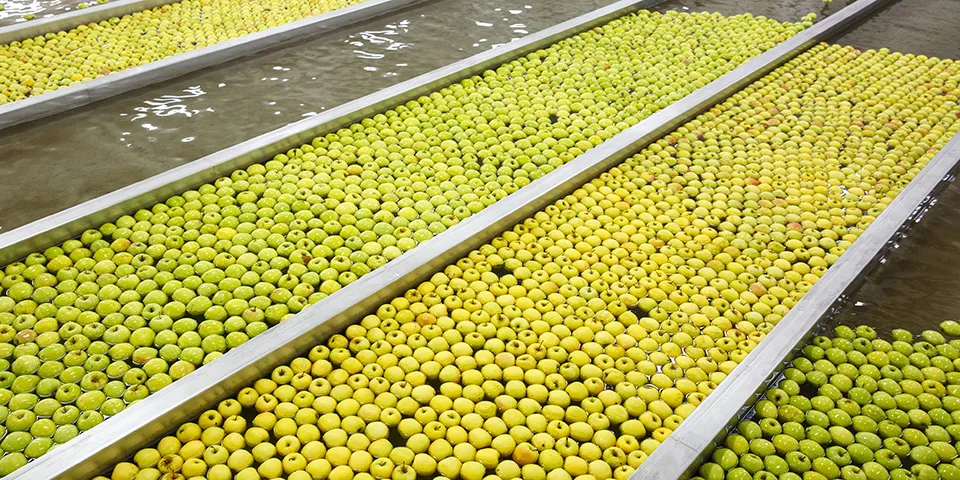
Using industrial use cases, SensInFood analyses the challenges of integration and develops and validates practical guidelines and methods for sensor integration. (Image: zlikovec)
Objectives and approach
The SensInFood project aims to help bridge the integration gap by providing stakeholders across the value chain with practical guidelines and methods, validated through industrial use cases. By bringing end users and suppliers together in the project’s user group and analysing integration challenges in collaboration with them, Flanders’ FOOD and Sirris aim to deliver results that closely match the needs of food companies. This will enable the Flemish food industry and its technology suppliers to make full use of the potential of existing and innovative technologies. The SensInFood project, ‘Sensor integration as the key to Food Industry 4.0’, is aimed at food companies and suppliers of production technology offering smart automation and digitalisation solutions to food companies, including system integrators, machine builders, sensor developers and technology providers. The project takes a pragmatic, case-driven approach.
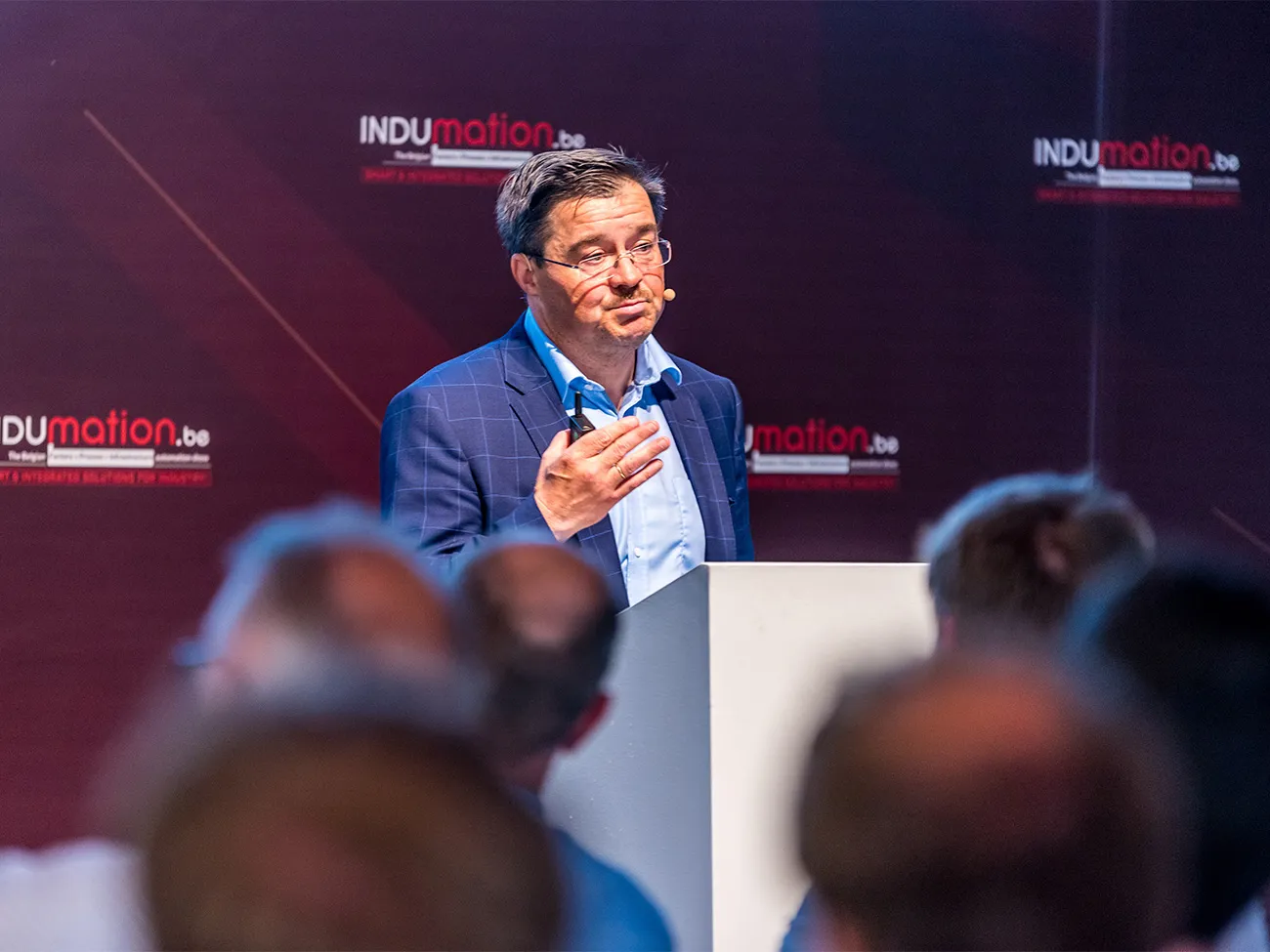
Sensor systems in the food industry face stringent requirements. They must not only be robust and withstand extreme conditions, but also measure at high speeds and comply with all applicable regulations (Image: vladimir_n)
Specific objectives:
- Understand the different requirements for a sensor system used to inspect food products. This will help food companies and their production technology suppliers better assess the challenges and risks.
- Assess the techno-economic feasibility and ROI of sensor integration at an early stage. Technical feasibility covers both mechanical integration aspects (for example, the steel frame and product presentation, product-specific measurement configuration, and physical sensor integration) and ICT integration aspects (for example, the hardware platform, software and Industry 4.0 connectivity).
- Practical guidelines and best practices validated using real-world industrial use cases.
- Working closely with food companies and technology integrators in the user group, SensInFood analyses integration challenges using industrial use cases, then develops and validates practical guidelines and methods for sensor integration, including ROI assessment and the feasibility of mechanical and ICT integration.
Question about this story? Ask your question
Companies in this story
Keep following this
Get an email when a new story is published. No account needed.
- ThemeProcess measurement and control
- SubjectNews
- CompanySirris







