












Seamless integration boosts cycle times
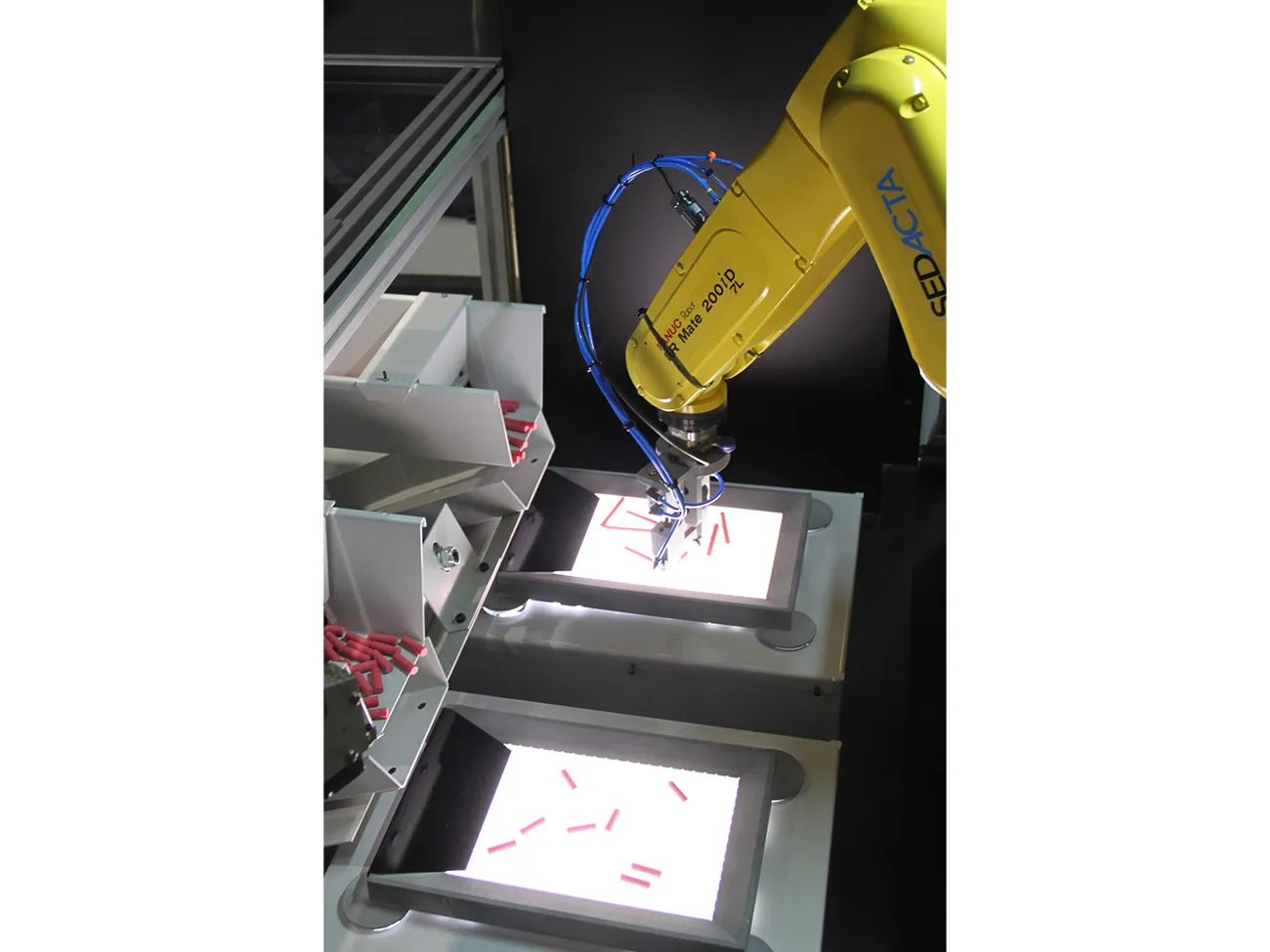
Automation plays a key role in making industrial production processes more sustainable. Every project, regardless of its size, brings together different aspects, each requiring a thorough, considered approach to achieve a fully integrated, functional solution. So how does it work in practice? A recent project by integrator SedActa shows how. The company developed a robotic cell in which the mechanical design and machine control system were 100% integrated using Beckhoff technology.
Trust is the key to any good relationship. It is the foundation of the enduring partnership between SedActa, a provider of complete industrial automation solutions, and Beckhoff, a specialist in open automation systems based on PC-compatible control technology. Together, they take on some very unusual challenges. “At Indumation 2019, we were approached to develop a solution for handling small and long plastic rods. The heart of the solution had to be a robotic cell,” says Thomas Mortier, project manager at SedActa.
100% coordination required
A piece of cake? Nothing could be further from the truth. The technical specifications, which must remain confidential at the end customer's request, made this a highly challenging job in which seamless integration was key to success. “It all revolves around the Fanuc robot that picks up and positions the products,” says Mortier. The products are fed in via a vibratory bowl feeder, which ensures they are dosed correctly. “A camera vision system then assists the robot, enabling it to identify the positions on the vibrating plate. LED lighting is also provided so it can see what it is doing. Given the complexity, it was crucial that we could coordinate the mechanical design and machine control system 100%.”
Adaptability and scalability
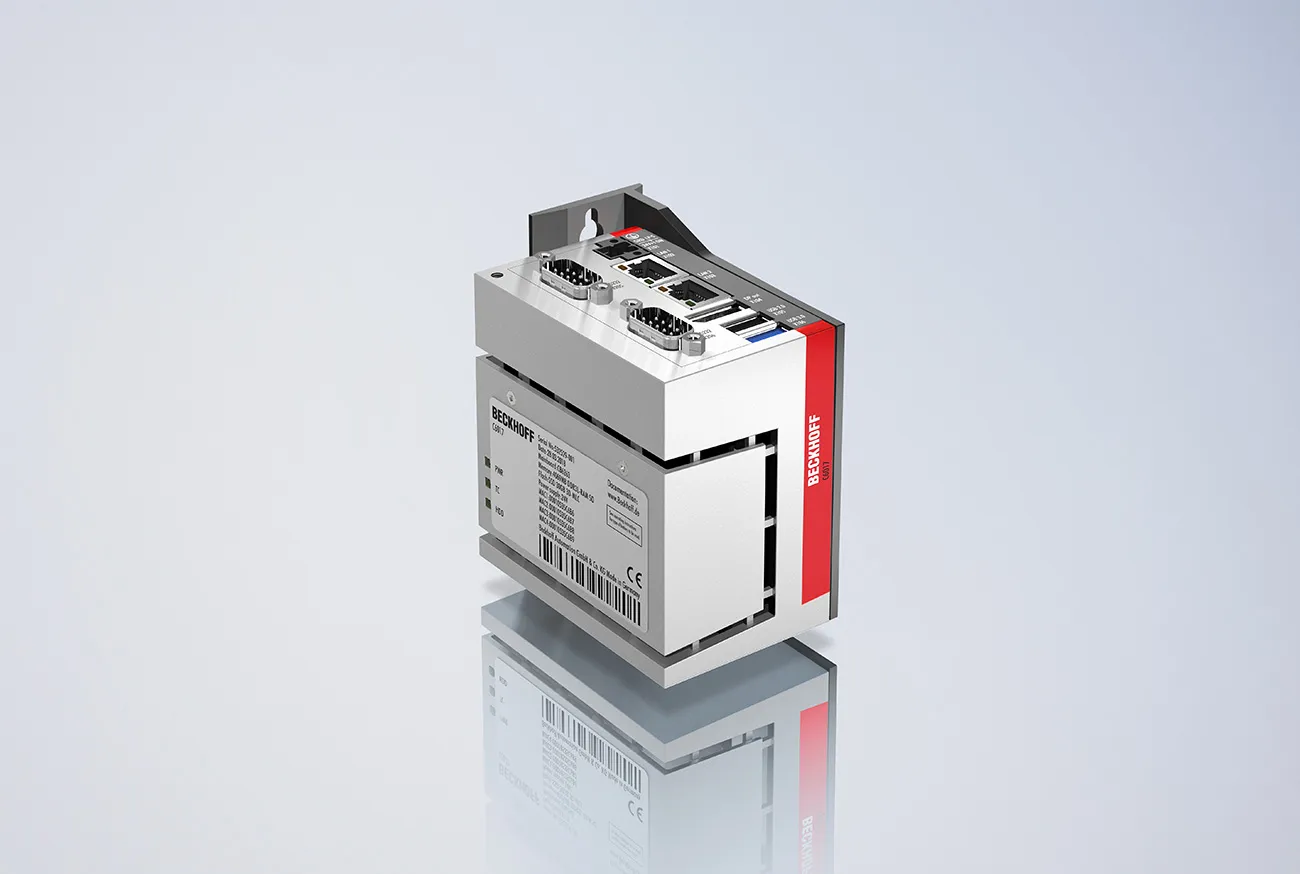
Beckhoff technology once again made the difference for SedActa on this project. Beckhoff Automation's ultra-compact C6017 industrial PC delivers the rapid cycle times required. All data comes together on the TwinCAT 3 automation platform, which controls the cameras, image processing software and LED lighting. Communication with all sensors, actuators and even the robot takes place in real time via EtherCAT. “By choosing PC-based technology, we give ourselves and the customer all the flexibility in the world. That came in handy on this project, as needs, and therefore specifications, continued to evolve as the project progressed. The adaptability and scalability of the powerful, open solution we implemented also laid the foundations for this successful collaboration.
Question about this story? Ask your question
Companies in this story

Keep following this
Get an email when a new story is published. No account needed.
- SubjectNews
- CompanyBeckhoff Automation







