












Resistance to digital transformation is futile
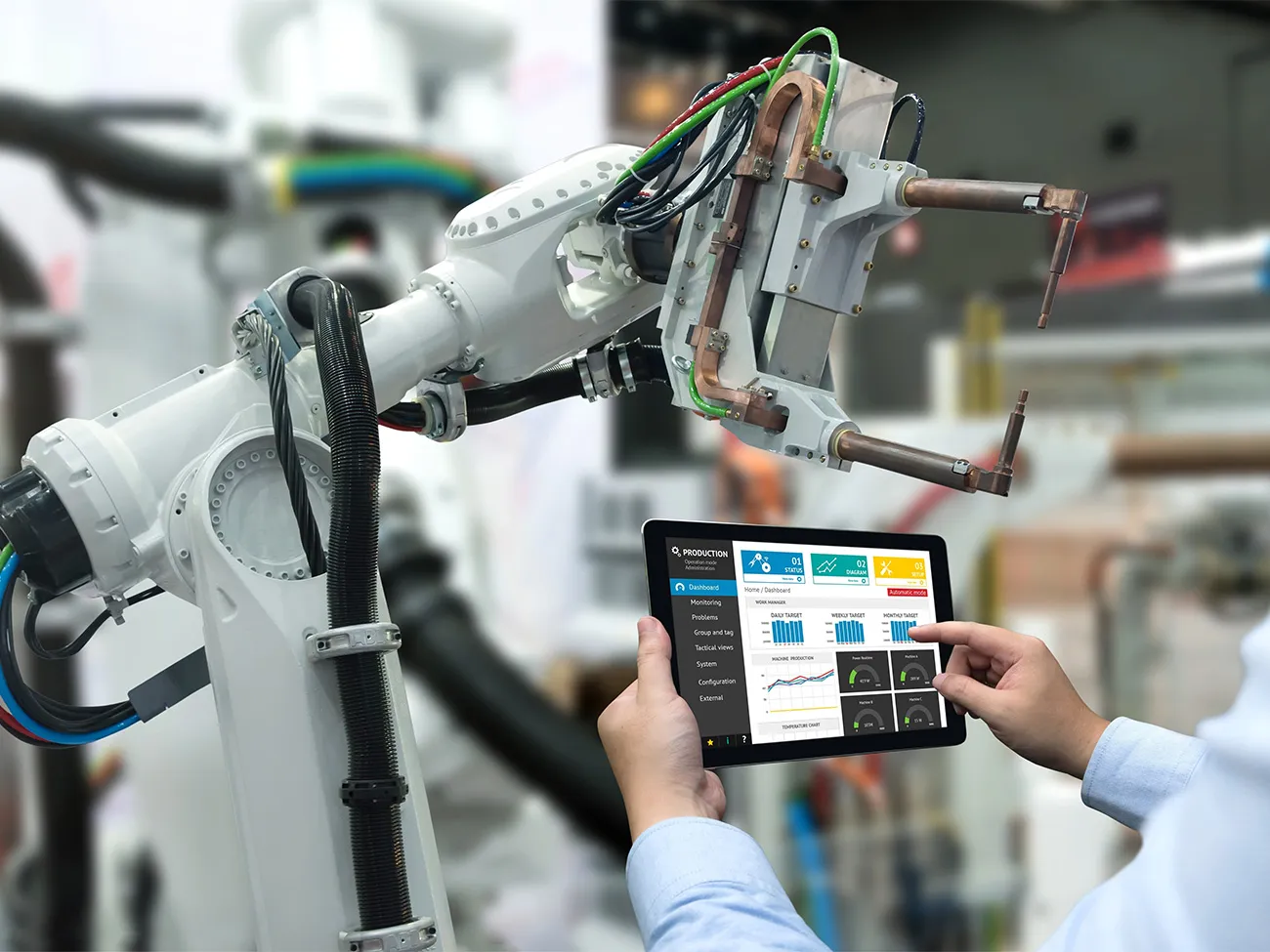
Covid has turned the way we produce on its head. The digital transformation has shifted into a much higher gear. Work that would have taken years has been done in months, as business leaders realise that going digital is the only way to future-proof their organisations. But what will automation look like in the post-Covid world?
Innovating for innovation’s sake is passé. The pandemic may have proved a major driver of digital transformation, but pragmatism has always come first. By 2022, 70% of all organisations will have accelerated their use of digital technology to increase customer engagement, boost productivity and build resilience. While only 27% of all companies have undergone comprehensive digital transformation today, that figure will have risen to 75% by 2024. Digital is fast becoming the new normal in business and society. By applying hyperautomation technology alongside reimagined production processes, companies will be able to cut costs by as much as 30% by 2025. Automation and digitalisation really do deliver results.
Technology innovations do not operate in isolation
There is considerable market interest in artificial intelligence, machine learning, digital twins and robotic process automation (RPA). But these technologies only deliver tangible business results when they do not operate in isolation. It is time to move away from siloed approaches and towards an integrated model that brings together the right capabilities to solve specific problems and identify opportunities. This process is known as hyperautomation. It is never-ending, but rather a disciplined approach to quickly identifying and assessing which business and IT processes can benefit from automation. It involves different technologies working together as a single architecture. And this is not just for companies. Cities, too, are using IoT, artificial intelligence and digital twins to bring the physical and virtual worlds together and improve infrastructure management.
People and machines working together
This decade must put an end to the battle between people and robots. The best-performing organisations will be those that understand how digital technology can be seamlessly integrated to boost human productivity. Everything that can be automated will be; all other processes must be supported. In other words, machines will automate 80% of processes and provide people with information to make the right decisions in the other 20%. New forms of automation will directly or indirectly support a quarter of remote workers by the end of the year. By next year, 65% of them will be equipped with data, artificial intelligence and security tools to improve productivity, adaptability and decision-making in an ever-changing environment. But this is not limited to that field. By 2023, half of knowledge workers are expected to have their own AI robot assistant to help them prioritise tasks, gather information and automate repetitive work.
From industry leader to innovation hub
Only when all the technology is on the same platform can it deliver quality, consistent data and powerful insights. In the coming years, companies that lead the global industry will have acquired at least one start-up specialising in AI software by 2023. In this way, they aim to ensure they have the right skills in-house and retain ownership of their intellectual property. The need for integrated data will also make it harder for companies to survive as standalone technology players. But integration is not limited to acquisitions. Networks of companies working together at a very deep level will also emerge. They are known as digital innovation factories. 40% of IT and OT suppliers are expected to join forces to take holistic solutions to market. By 2025, 75% of industry leaders are expected to use digital platforms and ecosystems to adapt their value chains to new markets and industries.
Question about this story? Ask your question
Keep following this
Get an email when a new story is published. No account needed.
- ThemeData from shop floor to decision
- SubjectNews







