












Measurement is knowledge: theoretical damping curves put to the test
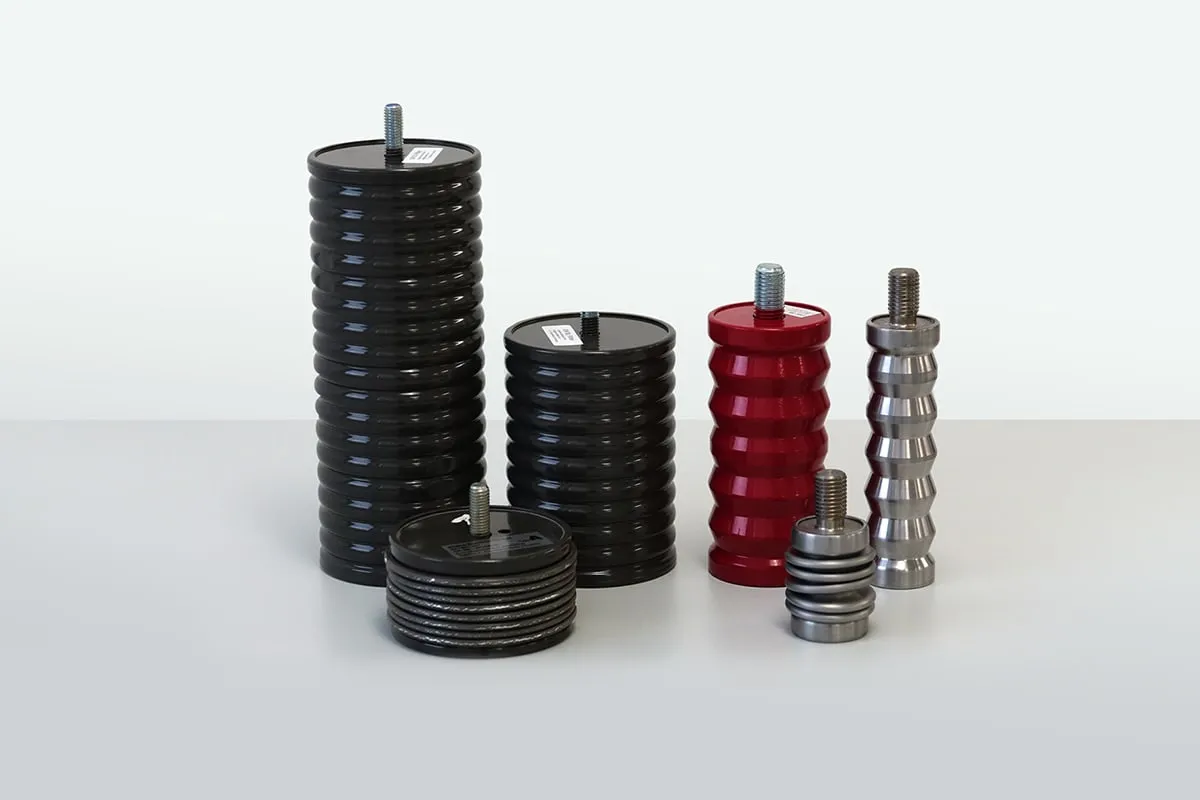
To map the dynamic parameters for customer-specific projects in industrial damping technology with precision, damping specialist ACE Stoßdämpfer has been working successfully with Burat & Klein Datentechnik from Baden-Württemberg for many years. Special measurement technology is used to check whether theoretical damping characteristics match what happens in practice.
Small and industrial shock absorbers are used in many automated production processes as efficient, current-free hydraulic components for decelerating or accurately stopping masses. The aim is to increase productivity and make processes safer. ACE Stoßdämpfer GmbH supplies a wide range of self-compensating and adjustable shock absorbers for a broad variety of applications. This means engineers can benefit from damping solutions for most applications, even with standard components.
Simulations for custom solutions
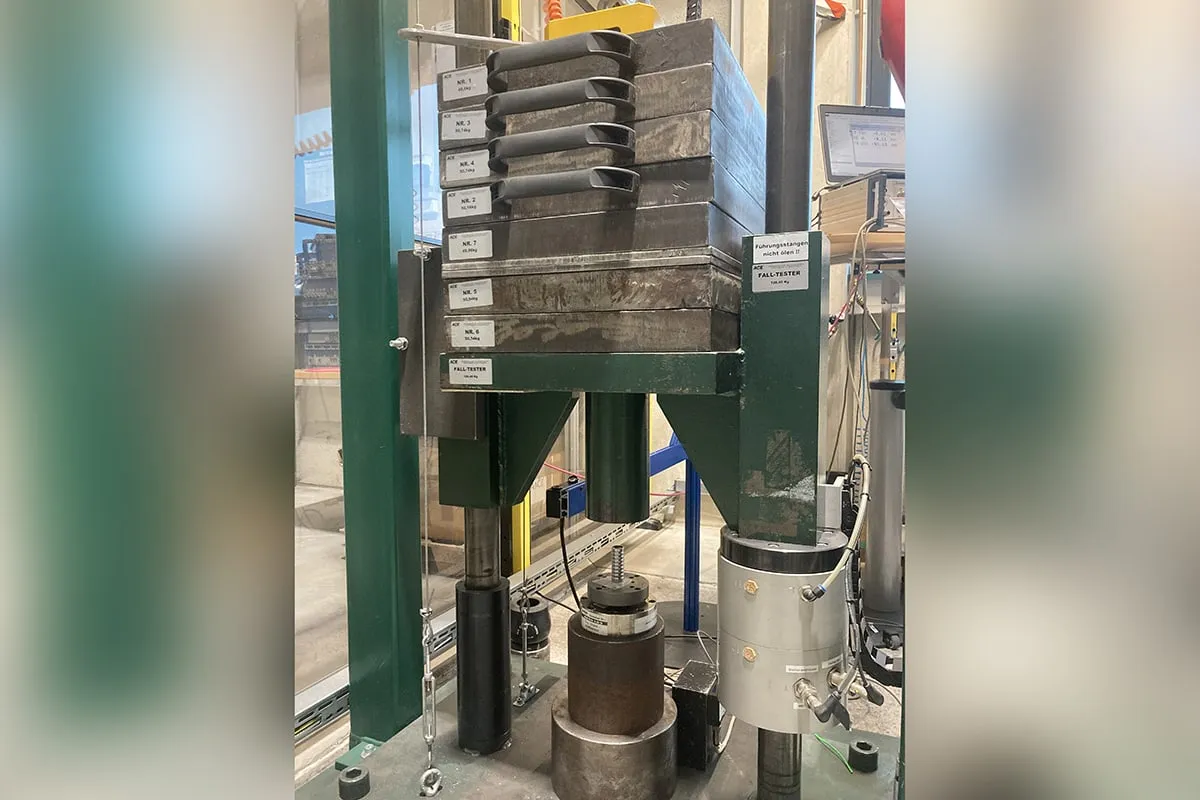
When engineers need to determine the actual damping behaviour of an ACE shock absorber for a specific application in advance and with great precision, for particularly sensitive applications, sensors and simulations come into play. This may be necessary, for example, in special automation and handling applications, or when decelerating exceptionally high loads on machine tools or rotary tables. If the damping curves of a standard shock absorber do not meet the customer's requirements, ACE's consultants use in-house test facilities to check and validate the theoretical simulations derived from calculations in practice. Modifying the shock absorbers' internal components ultimately results in special, customised versions.
Measurement technology validates simulation and test results
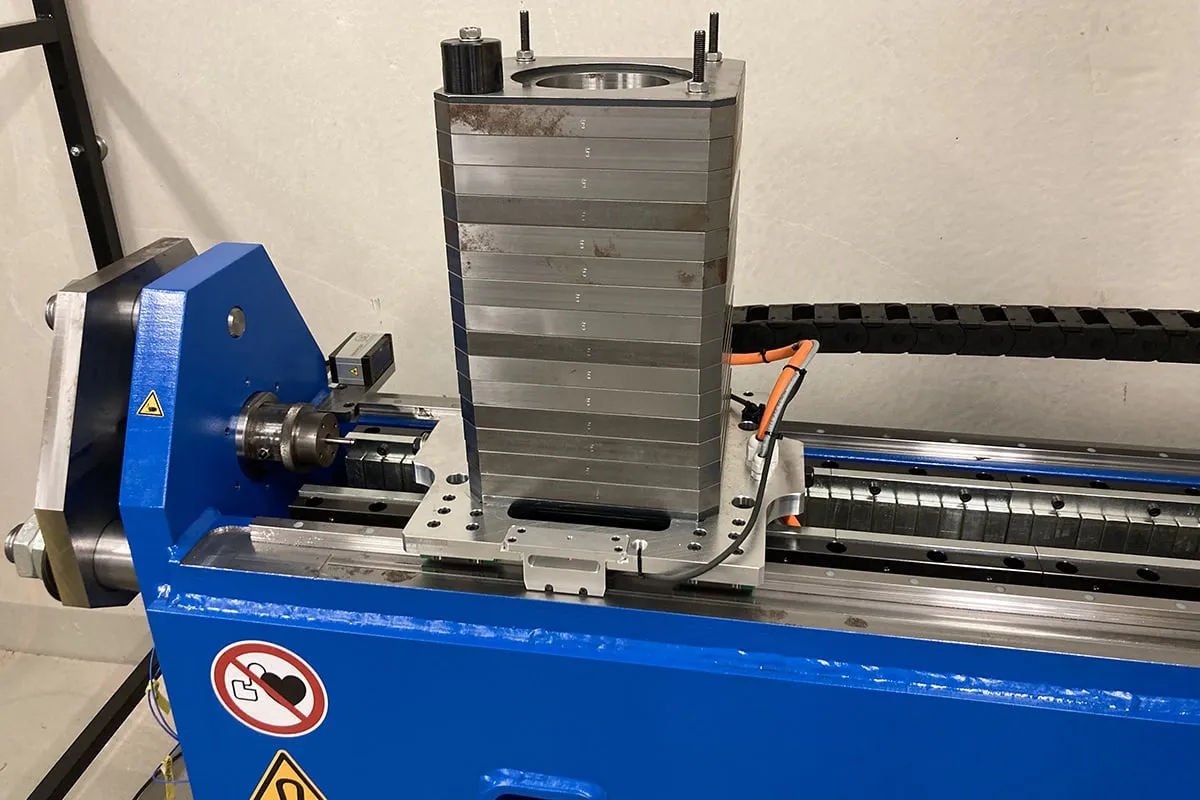
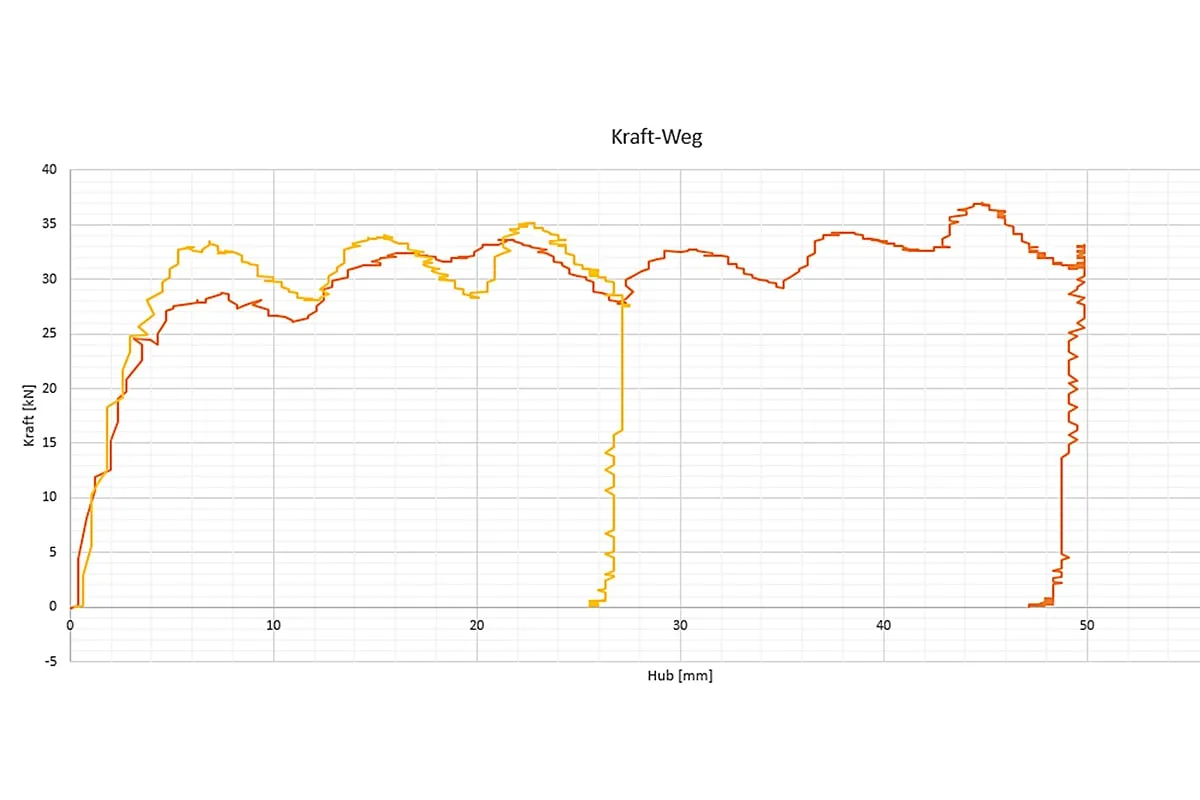
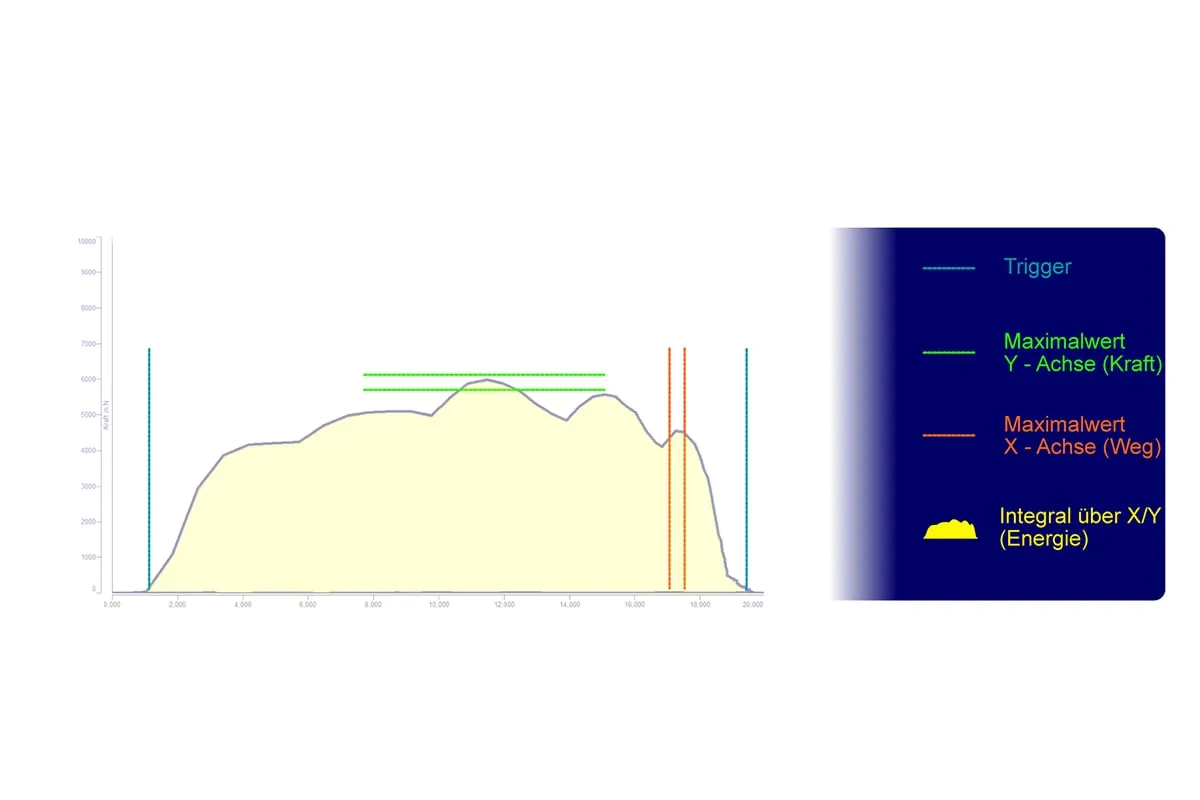
For both standard shock absorbers and custom components tested on vertical or horizontal linear axes, ACE uses a laser measurement system and force sensors to determine the actual reaction force. The company has been working with Burat & Klein Datentechnik GmbH from southern Germany since 2004. The various sensors are connected to the MultiMessBOX measurement system, while the test data can be analysed using MessMax® software programmed by Burat & Klein. This makes it possible to compare the test curve with the theoretical curve calculated by the computer. Jörg Küchmann, research and development engineer at ACE, says: “Burat & Klein's special measurement and analysis software lets us compare three parameters. In this case, we look at the maximum reaction force and maximum damping stroke. We also analyse and check the energy, that is, the area under the force-stroke curve.”
Have a business enquiry for ACE Stoßdämpfer GmbH? Get in touch
Companies in this story

Keep following this
Get an email when a new story is published. No account needed.
- SubjectNews
- CompanyACE Stoßdämpfer GmbH







