












Machine building and automation: the future looks as exciting as it is challenging
Exciting times lie ahead for machine builders and companies investing in automation and digitalisation in production environments. On the one hand, manufacturing in our country is only at the start of the major digitalisation wave, so there is significant potential for growth. On the other, labour shortages, the chip shortage and further consolidation in many sectors are also putting considerable pressure on the industry.
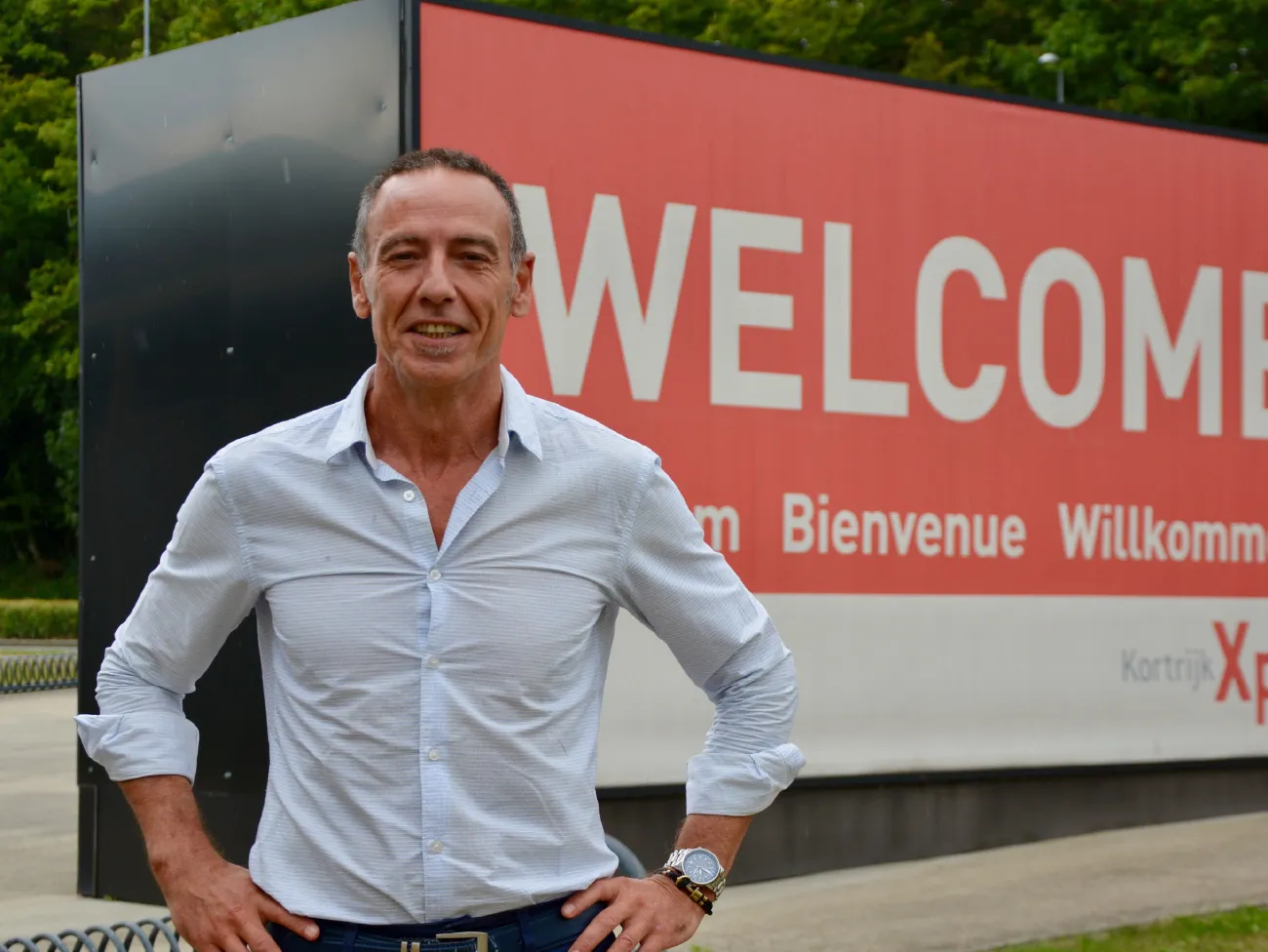
“When it comes to manufacturing in our country in the broader sense, we have more or less reached a turning point,” says Alain Wayenberg, Business group leader manufacturing at technology federation Agoria. “In 2021, it is no longer unrealistic to attract new manufacturing companies to Belgium, in addition to the growth of the established players here. At the same time, we are seeing some Belgian manufacturers bring part of their production back to their home country. Sectors such as industrial automation and machine building can therefore reap the benefits in the years ahead: a genuine catch-up is under way.”
Challenges on the horizon
The good news, then, is that the sector has some potential for growth. But in recent months, it has also faced several significant challenges. In addition to the general problems affecting many supply chains, which almost every industrial sector has had to contend with, most high-tech companies have also faced the threat of shortages of chips and electronic components. “Looking ahead, this is both a threat and an opportunity,” says Wayenberg. “Machine builders will have to continue to factor in possible delays over the coming months. At the same time, for example, we are seeing concrete plans take shape in Germany to start producing chips domestically.”
Local suppliers
Karl D’haveloose, CEO of Invent Media and organiser of a number of leading industrial trade fairs in our country, agrees. “Most of the manufacturing companies we speak to confirm that they are stepping up their search for more local suppliers on their doorstep. But building an entirely new supply chain with local suppliers is far from straightforward. There simply aren’t enough of them, and they are generally not price-competitive compared with the familiar Asian producers. The CEO of ASML, a particularly important manufacturer of chipmaking machines, expects the shortage of circuits to last until at least the third quarter of 2022. I fear the industry will have to wait some time yet for electronic component supplies to return to normal, while demand is currently very high.”
Scarcity
Wayenberg and D’haveloose agree on one thing: we are only at the start of the real digital revolution, which will further sharpen a number of existing challenges for machine builders and other industrial companies in our country. These range from ever-greater investment to keep up technologically to labour shortages, which are gradually reaching worrying proportions. “I already know of companies that could increase production but aren’t doing so because they can’t find enough people,” says Wayenberg. “Digitalisation and robotics can replace human labour in some areas, but at the same time they often open the door to new business and innovative products. This enables companies to grow, creating a need for new workers again in the longer term.”
Automation the only option
D’haveloose: “We are facing an unprecedented shortage of engineers and workers with the necessary digital skills. Companies can barely find people even for operator roles. Large-scale digitalisation and automation to optimise the human links in the process are therefore the only way to increase productivity
.
At the same time, companies will have to rely on external co-creation and co-engineering companies. In the past, strategic engineering and product development were carried out almost exclusively in-house, so this will also require a major shift in mindset for many companies.” D’haveloose also points to another side effect of digitalisation and automation. “I see growing pressure on all machine builders to acquire critical suppliers in the supply chain and, where possible, take over competitors and break into new markets. Acquire or be acquired, in other words. The Capex and research budgets needed to keep up technologically are immense. Manufacturing accounts for 70% of all research budgets in Belgium, which says it all. Last but not least, given the limited number of operators at end customers and the rising cost of repairs and interventions, machine builders will increasingly switch to a MaaS model: Machines as a Service. The machine builder no longer sells just the drill, but also the hole. This model will also strengthen the relationship with the customer and generate additional revenue on top of the machine sale itself.”
Digital twins
When it comes to digitalisation in the sector, digital engineering and, increasingly, the use of AI in an industrial setting are clearly essential elements. “More and more manufacturers are investing in digital twins,” says Wayenberg. “These are no longer just digital twins of the products themselves, but also of the entire production process. This will undoubtedly become an important growth niche for machine builders and companies involved in industrial automation. A conventional robot will soon have to become a smart, self-learning robot, and ultimately an entire factory can become a smart factory. All kinds of sensors, smart camera systems and operator support software that also keep as much paper as possible off the shop floor play a key role in this. Alongside this trend, we are seeing AI in production environments approach a major breakthrough: machines are being optimised as much as possible based on available data, preferably data that is as structured as possible. This allows companies to analyse their production processes much more effectively and then optimise them.”
How to use data?
It all sounds very promising, but Wayenberg also offers a note of caution. “We find that companies are still mainly looking at how best to use the data available to them. A few players are already quite advanced, but there is still a long way to go, especially for SMEs.” There is also an important caveat to this trend. If, in the longer term, we move towards production environments that are fully integrated into the wider IT world, security will naturally become much more important. Wayenberg says: “Manufacturers will have to step up their efforts in this area. It is not just about the technological security of machines and software: people and the mindset on the shop floor will also have to evolve. Until recently, passwords for operating machines were not exactly commonplace in production environments. But in 2021, a cyberattack can bring your company to the brink of bankruptcy, so cybersecurity is becoming an increasingly important consideration for suppliers. They will have to build security into their new products.”
Question about this story? Ask your question
Keep following this
Get an email when a new story is published. No account needed.
- ThemeFrom design to flexible machine
- SubjectNews







