












Machine builders face growing foreign competition
“Every machine must be smart, high-performance and energy-efficient”
Machine building is one of the most energy-intensive sectors in Flanders. It is therefore feeling the impact of inflation in energy, materials and labour costs, while having to maintain its strong position against the competition. Deprez, named SME of the Year 2022 by Unizo, and East Flanders family business De Pecker Gent discuss the challenges and prospects in their sector.
Although energy prices are gradually falling again, high bills remain a pressing issue for both households and businesses. And they are not the only significant cost factor. There is no sign of a slowdown in the price of materials and raw materials. “The sharp rise in energy costs is mainly driving up the price of goods, in our case steel and steel-related products. These account for around 30% of our turnover, so a 50% increase in the price of certain goods is significant,” says Jeroen Deprez, Operations Manager at West Flanders machine builder Deprez. “We have no choice but to pass on these price rises in our new quotations, but we have to swallow the bitter pill ourselves for projects already under way.”
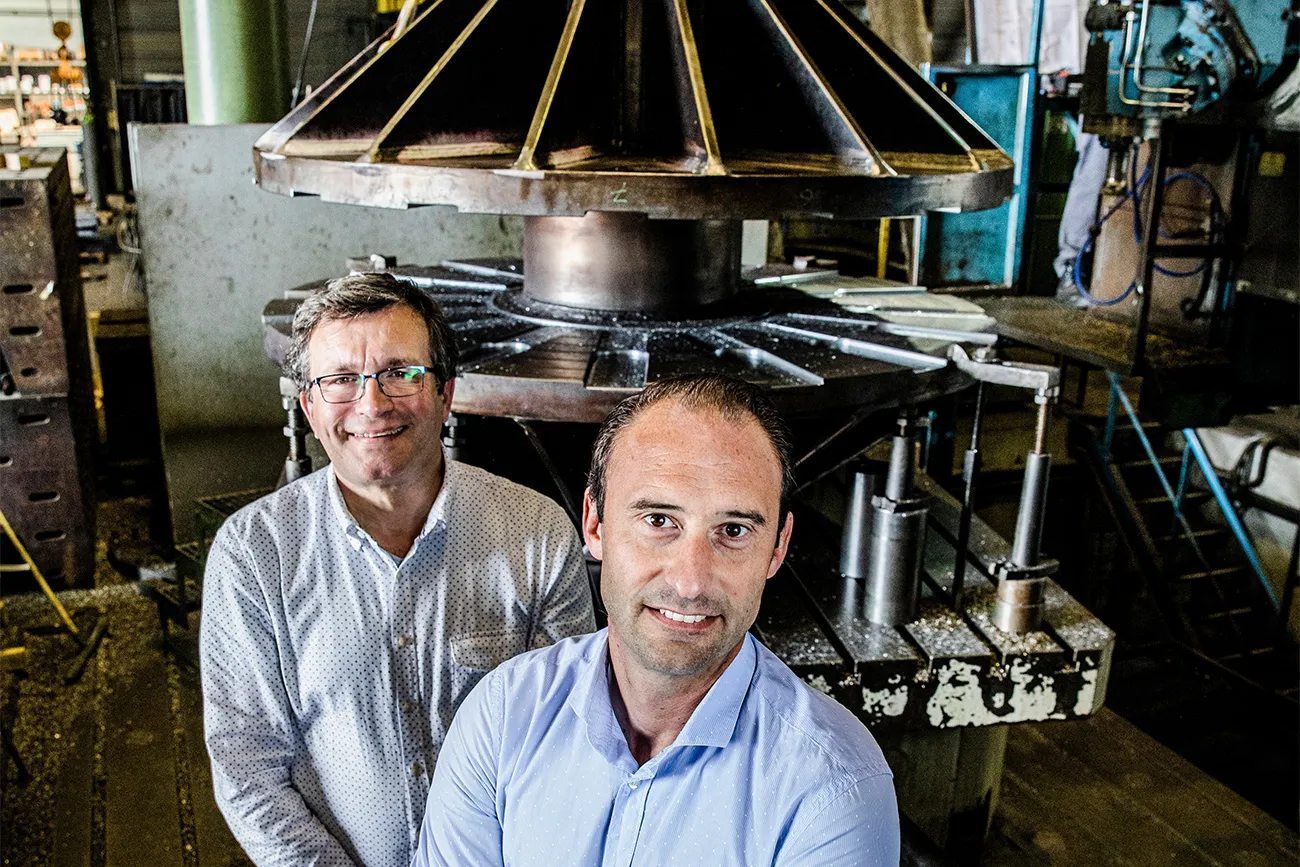
De Pecker, based in Ghent and specialising in machine building and industrial maintenance, is mainly seeing the impact on its customers. Co-CEO Fernand Meire says: “Companies producing energy-intensive goods, whose raw material prices have also risen, are really feeling the strain. We are fortunate that our gas contract is fixed for some time yet, and thanks to our investment in 2000 m² of solar panels, we produced a large share of the energy we needed ourselves during the summer. We also make our staff aware of ways to save energy and have invested in digitising systems such as our heating and air conditioning. The heating no longer stays on when it is not needed, for example after working hours or at weekends.”
Investing in sustainability
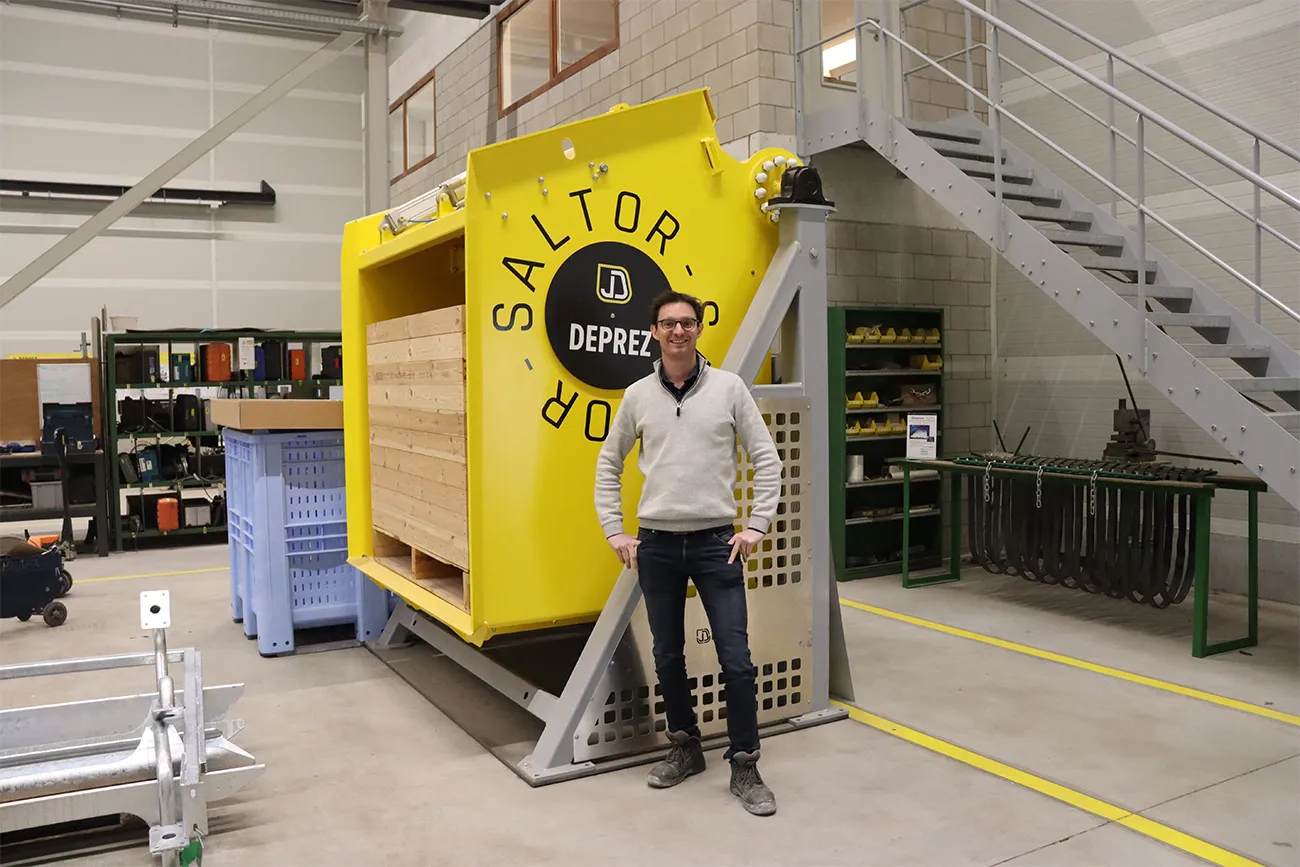
Deprez has also invested in solar panels, both for social responsibility reasons and to charge its fleet of vehicles, which increasingly consists of electric cars. “Sustainability and environmental awareness are making themselves felt in several ways. We are seeing more customers ask us about them too. In the past, requests for quotations focused on a sound, smart investment. Today, the focus has shifted to machines with guaranteed operational performance and low maintenance costs,” explains Jeroen of Deprez.
De Pecker mainly works for heavy industry, where there is a clear focus on higher-efficiency components and machines. “Last year, we invested in developing a fibre cement press for manufacturing insulation panels. Customers are clearly eager to invest in energy-efficient capital goods of this kind,” says Fernand.
A brake on technological progress
The shift towards advanced technologies and automation continues unabated. “Every customer with a growing business faces the same problems: a shortage of workers or a severe lack of space. That is why companies come to us to automate their processes further. We deliver a tailor-made project for every customer, including in terms of digitalisation,” says Jeroen Deprez. Alexander Bolliou, co-CEO of De Pecker Gent, agrees: “Fewer graduates now have the technical knowledge needed to start work straight away. Fewer people are choosing technical courses, and we have also found that the standard of training has not improved. Graduates from the last 2 years in particular have missed out on practical training hours as a result of Covid restrictions and distance learning. That is why, during interviews, we look at other qualities and strengths, and provide thorough, practical training on the job ourselves,” says Alexander. Another option is to expand through consolidation in order to bring in additional expertise. “There will be a lot of acquisitions in the sector over the next few years. One clear driver is the staff shortage, which some machine builders hope to address in this way.”
Working to maintain a strong position
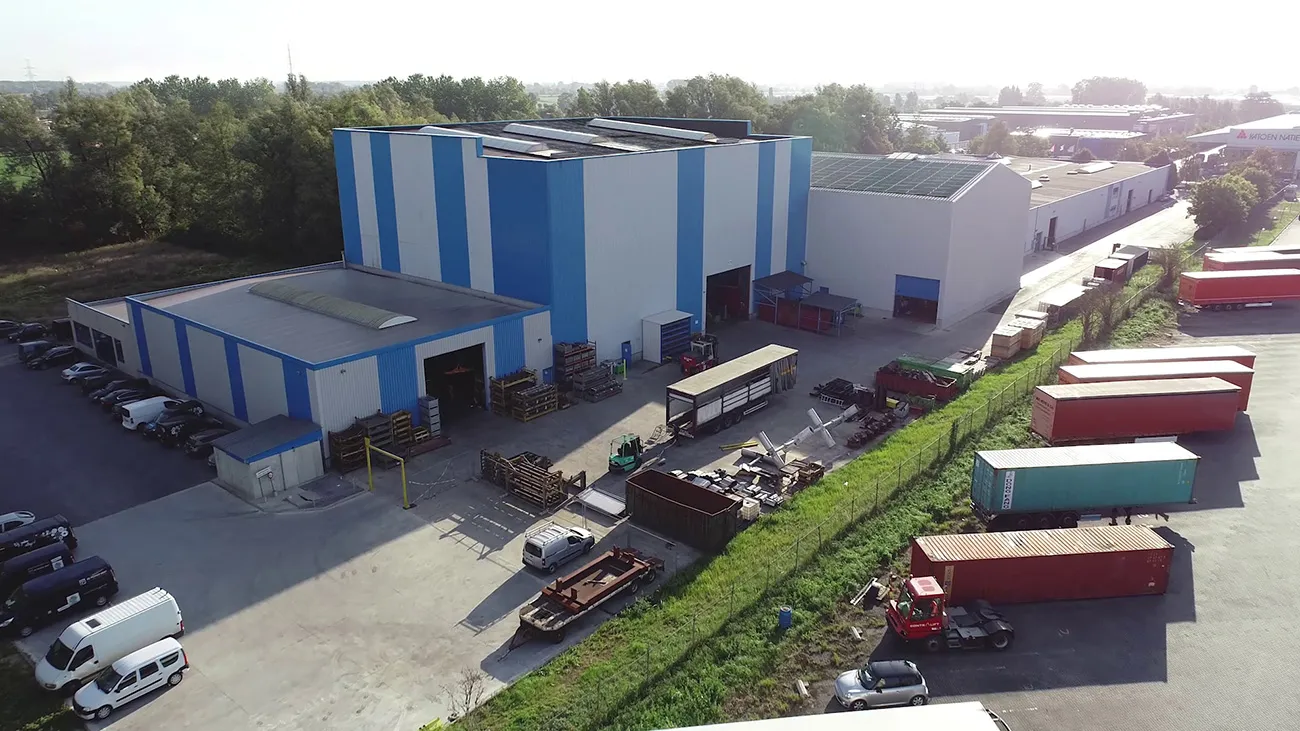
The combination of the energy crisis, inflation and a tight labour market is a major challenge for this sector. “If you pass on too much to customers, you risk losing orders to foreign competitors. Our German competitors are already 7 to 8% cheaper in terms of labour costs. The government apparently isn’t concerned. But if nothing is done, the consequences will be felt. Fortunately, we don’t face the same level of competition across all our machines, and we are still winning sales. That keeps us going,” says Fernand Meire of De Pecker Gent.
Jeroen Deprez also sees the market changing. “There is a great deal of uncertainty, and above all, there is a lack of long-term vision from policymakers. Moreover, changes in the global economy will not improve the competitive position of a Belgian company. We therefore have to keep adapting to sustain our success,” concludes Jeroen Deprez of Deprez.
Question about this story? Ask your question
Keep following this
Get an email when a new story is published. No account needed.
- ThemeFrom design to flexible machine
- SubjectNews







