












Hyperautomation: an end to repetitive, unnecessary work
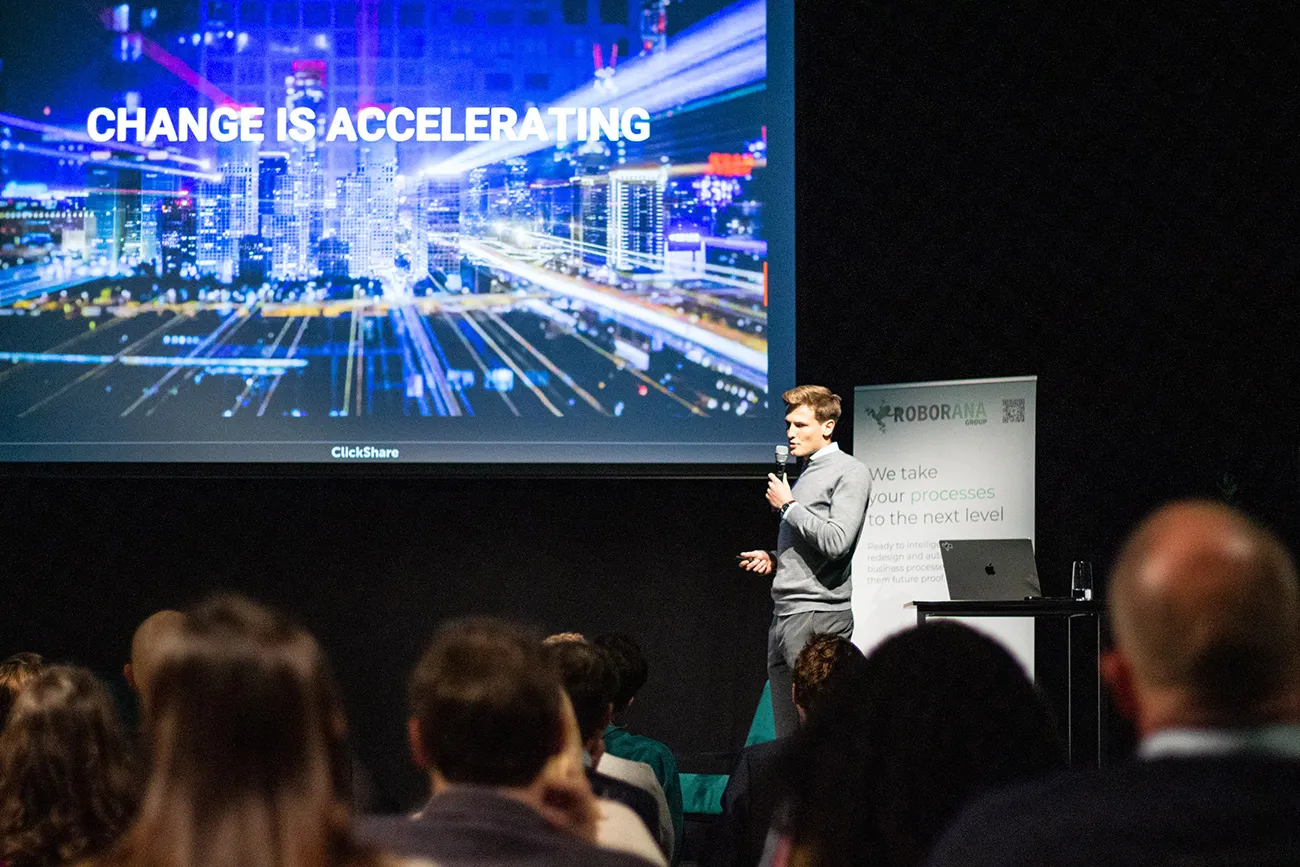
Hyperautomation. Does that sound like Greek to you? Then you should pay attention, because Gartner has named hyperautomation one of the ten strategic technology trends. Why? By embracing hyperautomation, you can boost your company’s productivity. This means looking not only at the machines on your production floor, but above all at how all the surrounding processes are organised and how they interact. There is still plenty of scope here to take repetitive work off your employees’ hands, for example. Employees are scarcer than ever as the war for talent rages on. At an event, RoboRana explained in detail what hyperautomation can do for attendees.
When RoboRana started out five years ago, its focus was on RPA, Robotic Process Automation. This involves a virtual robot taking over tasks in the background. Today, however, the scope is much broader. Intelligent process automation, intelligent document processing, low-code application development: anything that can help support employees. “We no longer start with the technology, but with the customer’s needs, which often go beyond what RPA alone can offer,” says Viktor De Saeytyd, business unit manager low code at RoboRana. “Of course, you need technology to take and continue taking the next steps in automation. But people are at the centre. If you want to provide end-to-end solutions, as we do, you need to draw on a combination of technologies.”
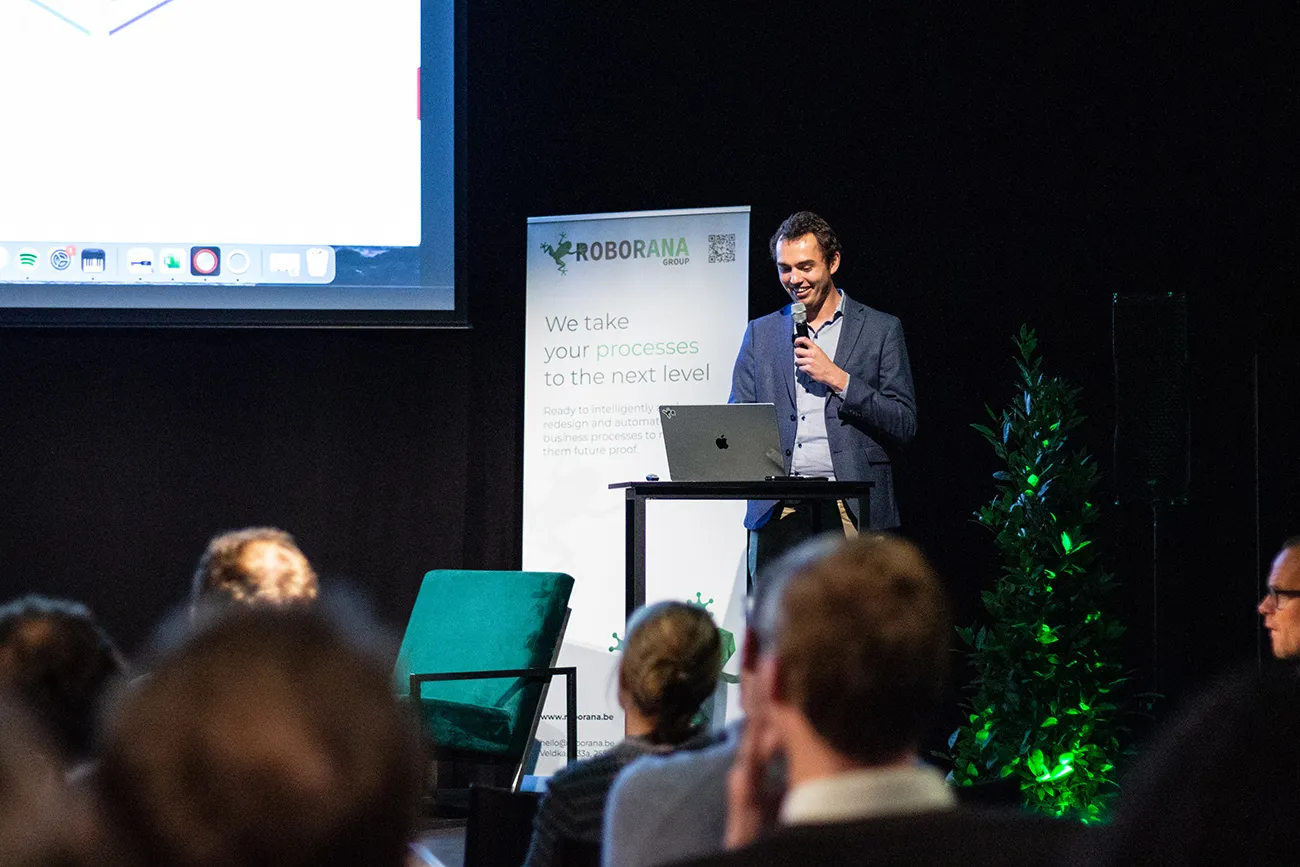
Data at your fingertips
According to De Saeytyd, the need for hyperautomation is more pressing than ever, for two reasons. First, there is the war for talent. “Just take a look at the vacancies out there … Companies need to make the most efficient use of their employees. That doesn’t mean making them work harder, but helping them work smarter and avoid unnecessary repetitive tasks. Technology makes this possible by giving them the right information at the right time.” Secondly, companies face ever-increasing demands. “Think of the quality guarantees they are asked to provide, or customers wanting to know the environmental impact of a particular product. Hyperautomation can replace the entire paper trail with a digital, automated process. You have the data at your fingertips, as it were.”
Setting the right priorities
There are plenty of benefits to be gained, then, and Belgian companies still have plenty of automation work to do. De Saeytyd says: “The Netherlands is typically a little ahead when it comes to implementing these kinds of processes and projects. But that doesn’t have to be a bad thing. Our department in the Netherlands gives Belgian companies the opportunity to learn from its experience and avoid certain pitfalls. Hyperautomation always starts by asking the right questions: what value will automating certain processes bring? The key is to set the right priorities, and only then make the right technology choices. With the wide range of technologies available today, it really comes down to translating a company’s specific needs into solutions.”
Learning from one another
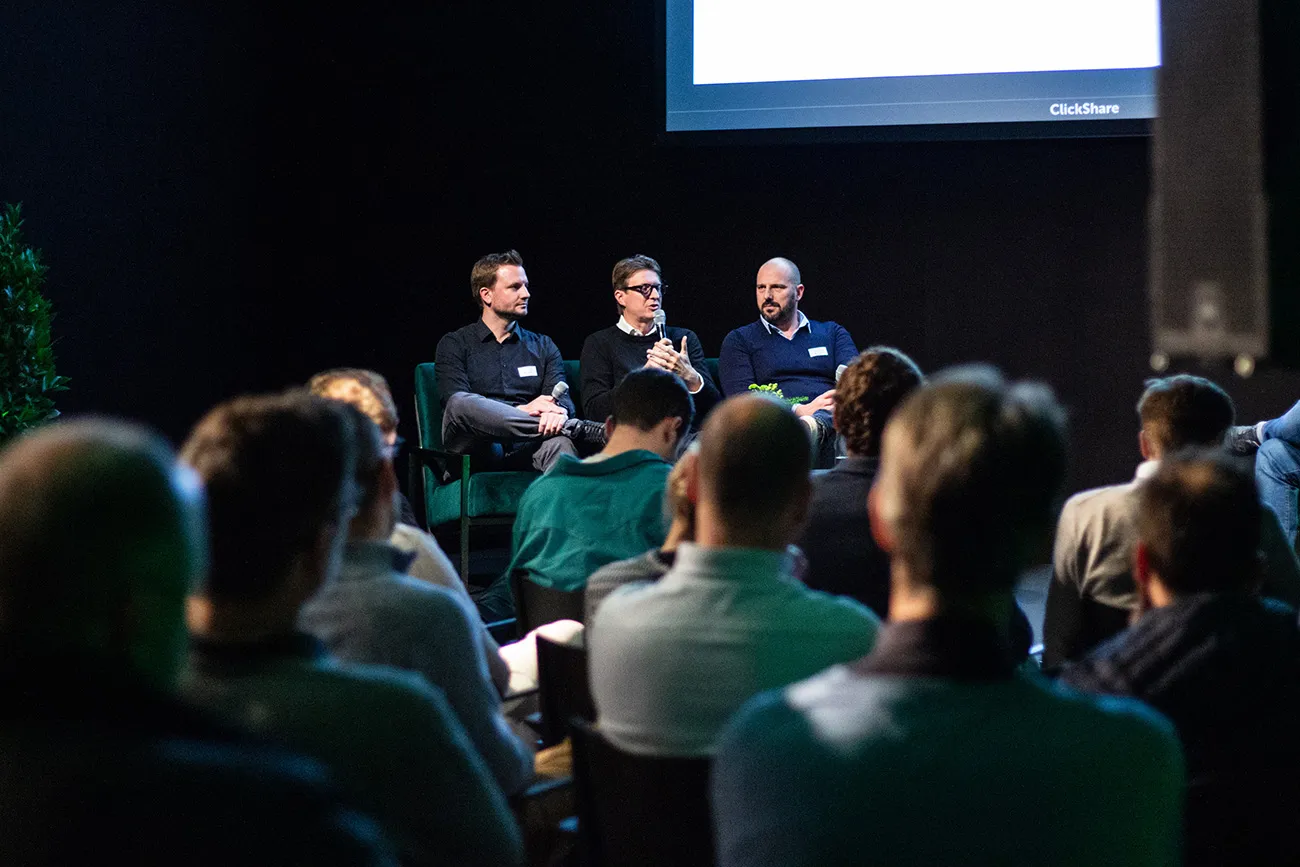
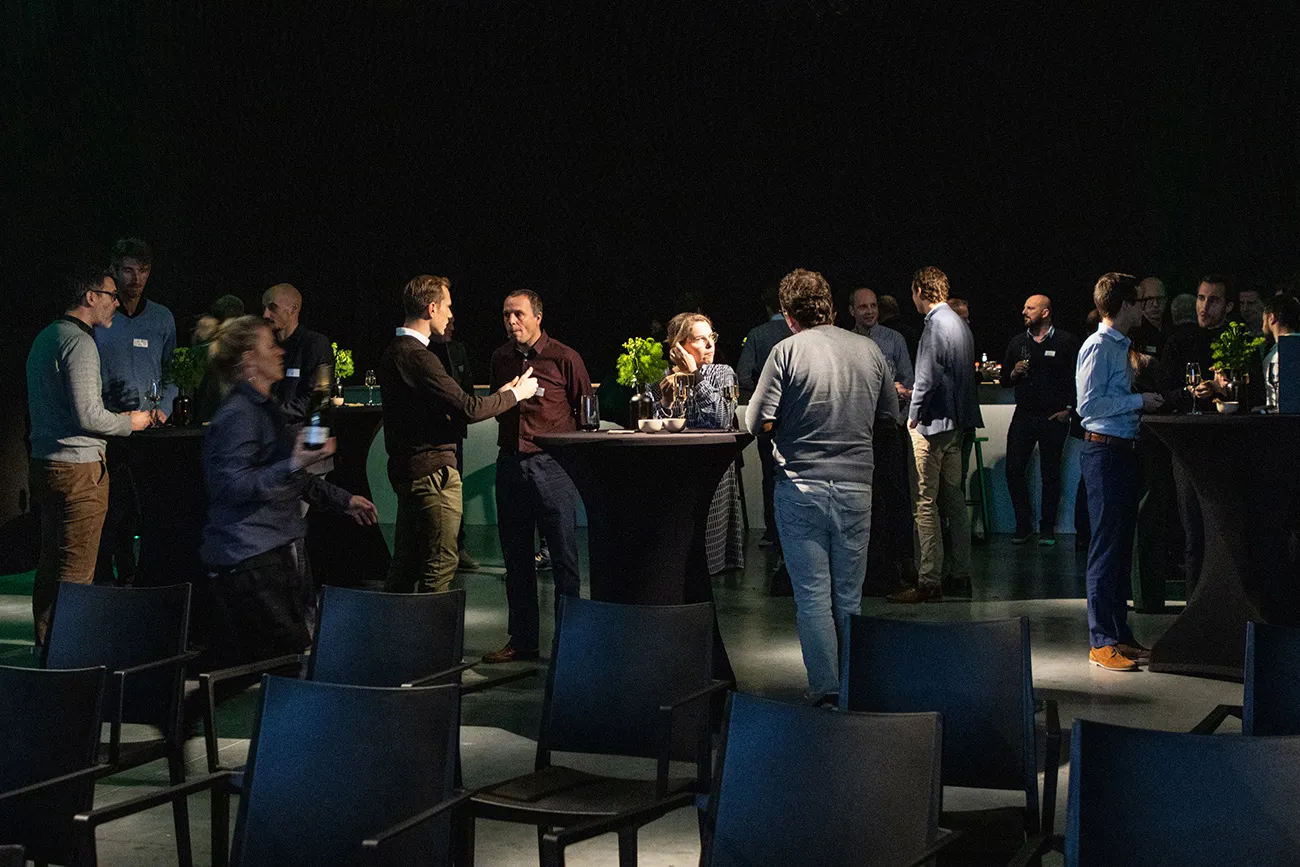
The experience RoboRana has built up in hyperautomation projects is therefore a considerable asset. Several customers at the event confirmed as much. Boskalis, Knauf Insulation and SGS, among others, spoke about the first steps they had taken in hyperautomation with RoboRana. “These customers come from completely different sectors, but the same challenges crop up everywhere. That is why we held this event: it gives customers the chance to learn from one another. What these three companies have in common is that they looked beyond the technology alone to bring about real change and real improvement, step by step,” De Saeytyd sums up. Hyperautomation need not be an expensive revolution. “Think big, start small really applies here. Investing in hyperautomation may be even more important for SMEs, helping them remain attractive employers to current and future staff by freeing them from unnecessary work.”
Looking for technology
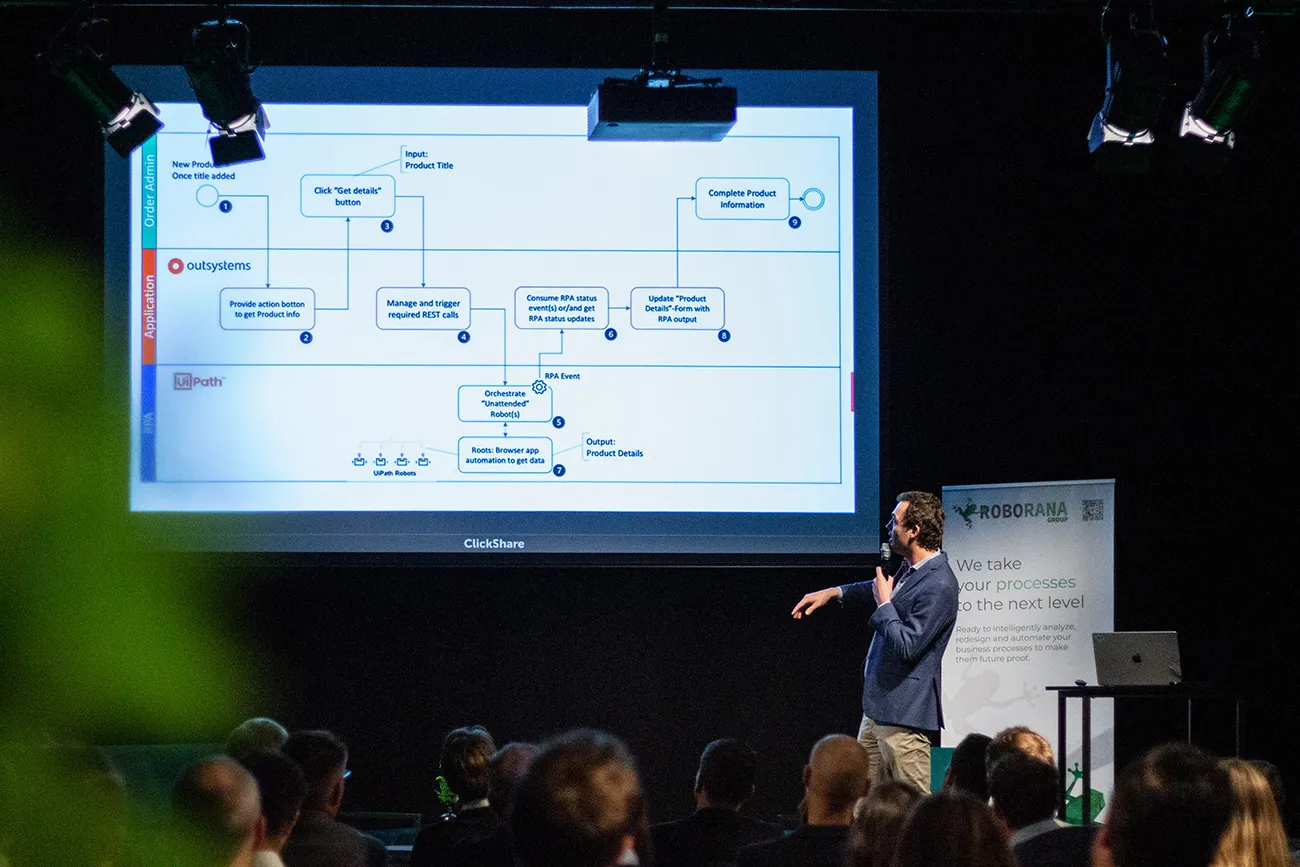
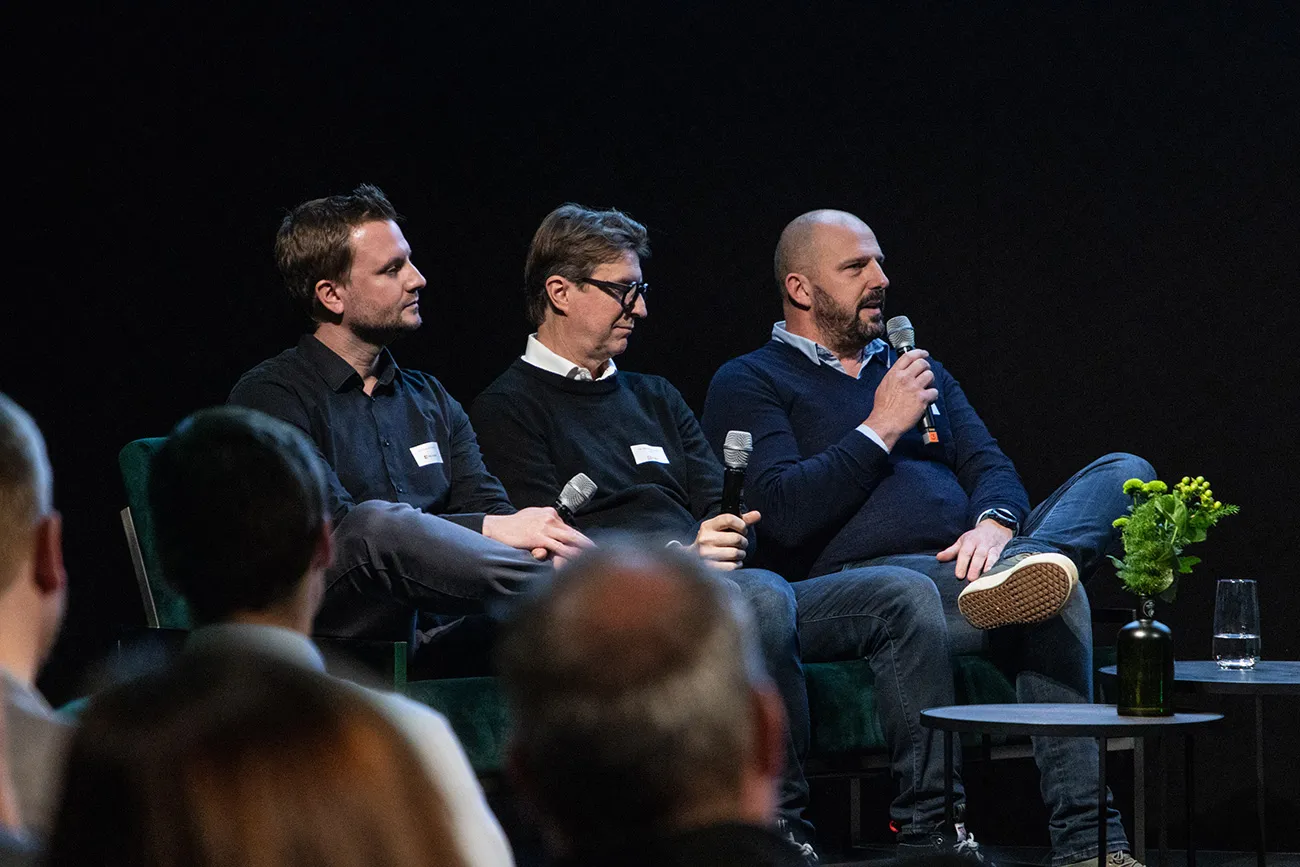
Hyperautomation is not about technology, but about people and how best to support them in their day-to-day work. There is no single technological silver bullet that will work for everyone. The aim is to offer each company the right combination of technologies. That is why RoboRana’s event brought three technologies to the table: Microsoft, Outsystems and UiPath. This was no coincidence, as the three parties recently signed a partnership agreement. “The complementarity of our technologies opens up many opportunities in hyperautomation. Customers can move faster because together we can offer end-to-end solutions,” says Stef Vermeulen of Outsystems, summarising the main motivation behind the agreement. They are firm believers in the power of hyperautomation. Yannick Reekmans of Microsoft MVP says: “Employees are a valuable asset. We don’t want them wasting time on tasks that could easily be automated. The next generation won’t put up with that.” Joost van Wendel de Joode of UiPath agrees. “The war for talent is raging. By helping one another, we can also help our customers retain their staff. Hyperautomation is the key to boosting productivity.”
Question about this story? Ask your question
Keep following this
Get an email when a new story is published. No account needed.
- SubjectNews







