












GO! Atheneum Oudenaarde pupils and LightStream unveil their own ‘handheld controller’ at Indumation Kortrijk
STEM challenge completed after a demanding journey
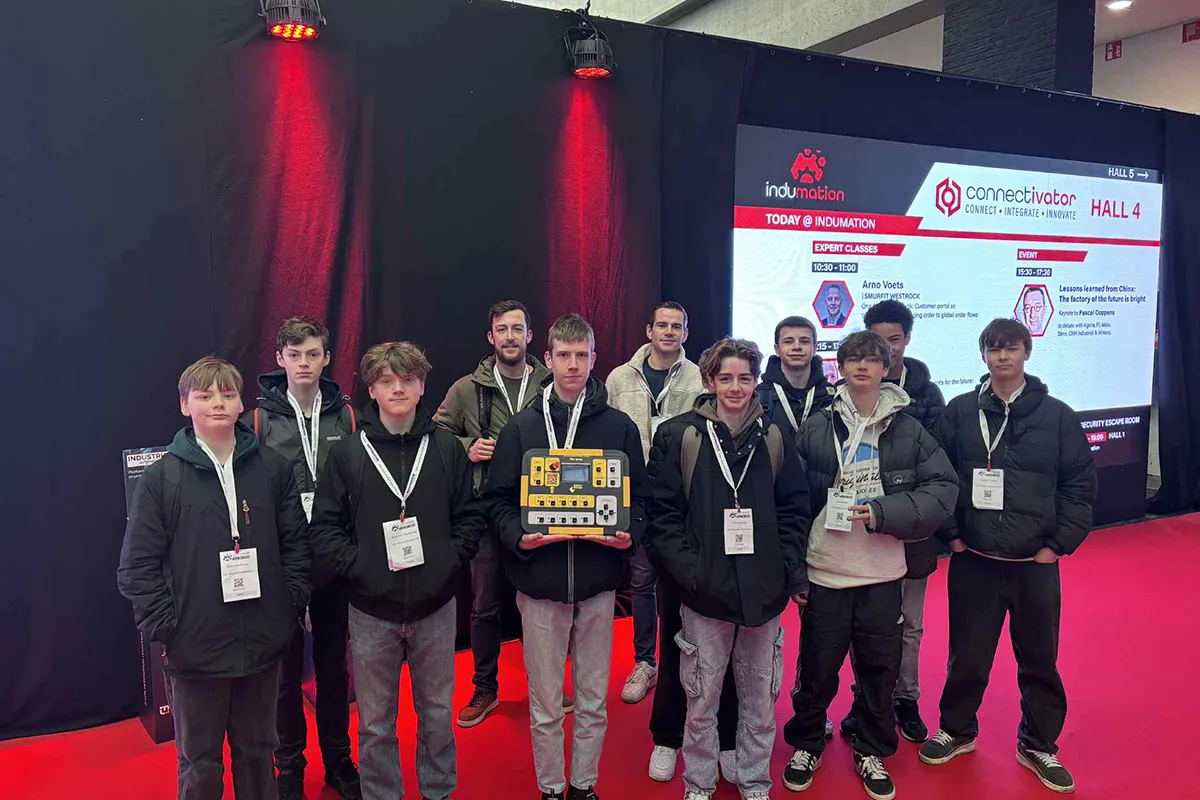
What began as an ambitious STEM challenge in the autumn is now complete: pupils from GO! Atheneum Oudenaarde have built a fully functioning handheld controller with technology company LightStream. The device was designed and assembled to meet all industrial standards. It is being unveiled today at the Indumation trade fair in Kortrijk. Major technology fairs in Germany and the US will follow.
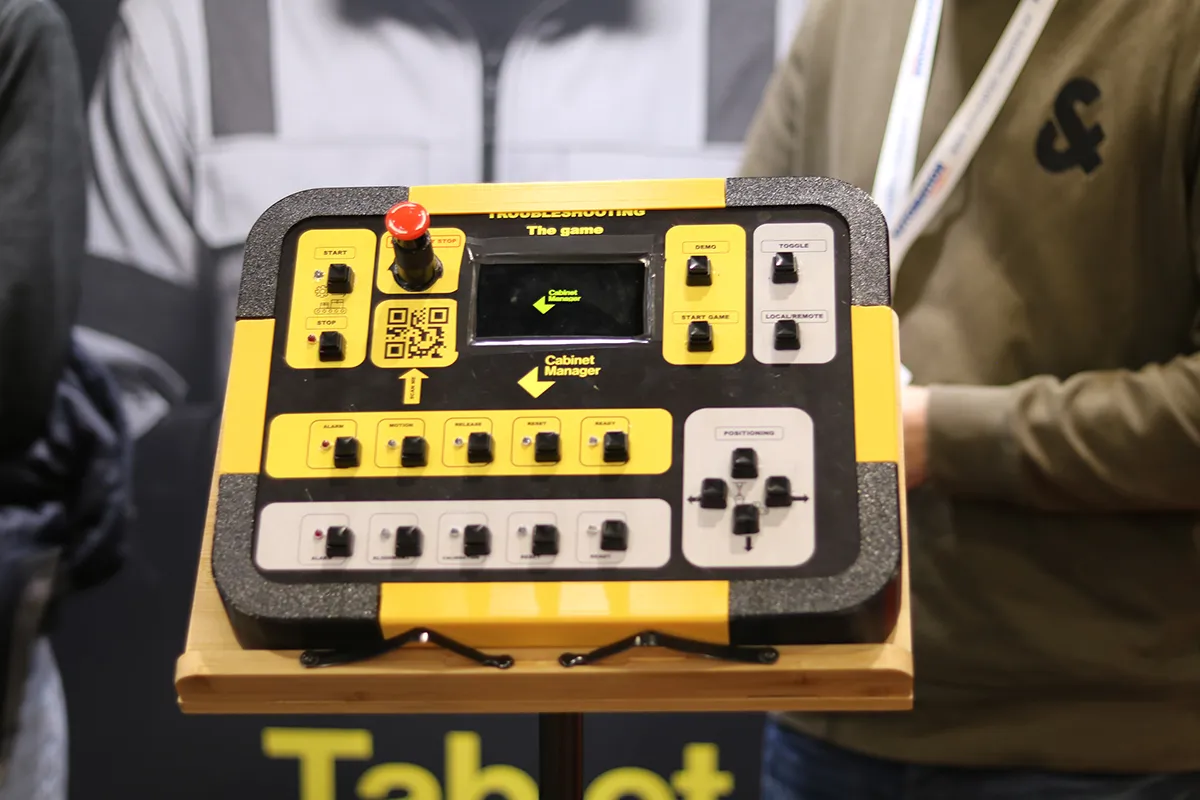
The handheld controller is a portable industrial control device developed as a realistic prototype for the factory of the future. It enables users to operate a (fictional) production line, call up information and resolve faults step by step, alongside XR/AR visualisations. The project shows how physical controls and digital information can be brought together to make maintenance and troubleshooting faster, clearer and less prone to error.
The pupils and LightStream deliberately chose Arduino technology for the controls. Arduino is an open-source platform for electronic prototyping that users can use to create interactive electronic objects. It is accessible and ideal for further classroom use, but it also immediately revealed a number of significant limitations.
The microcontroller’s limited processing power and memory, combined with basic displays, meant the playful graphic animations could not simply be carried over. Every pixel and every frame had to be carefully reconsidered.
This also created further learning opportunities: pupils learned to communicate with SD cards to store and retrieve data, had to redesign the software so the animations would run smoothly, and debugged the system just like a real R&D team. What started as “we’re building a controller” quickly became a mini-course in embedded development, memory management and optimisation.
“Along the way, the pupils dismantled their own work and rebuilt it better several times. That’s exactly how product development works in industry too,” says Dylan Caufrier, CEO of LightStream.
Working within strict constraints
During the project, people joked that the Arduino in the controller had more processing power than the Apollo 13 onboard computer back in the day. But the pupils mainly experienced what it meant to solve problems with limited resources. Rather than having unlimited resources, the challenge was “a square peg in a round hole”: how do you fit everything you want to display and make happen into very limited memory, graphics and processing capacity?
On a smaller scale, the pupils did exactly what is required in industry: working within tight technical constraints, thinking creatively about alternatives and progressing step by step towards a robust solution.
Integrated learning in action
Twelve pupils took part in the project: ten from the Electrotechnology programme and two from Technological Sciences. One group handled the electronics, Arduino control, push-buttons, LEDs and screen, while the other designed the housing and translated the large fault-finding cabinet into a compact controller.
“A small change can immediately bring new challenges. Even a one-millimetre difference in material choice affects the entire design. You learn to think about the whole, not just your own part,” says teacher Gilian Joos.
Bringing design, programming, electronics and problem-solving together in a single project means it fully aligns with the learning objectives, and teachers are seeing greater pupil engagement.
“Pupils themselves asked if they could keep working for longer. This isn’t a fictional exercise: they know their controller will soon be used at technology fairs. That makes a huge difference,” adds teacher Stijn Bauters.
From Oudenaarde to the exhibition floor
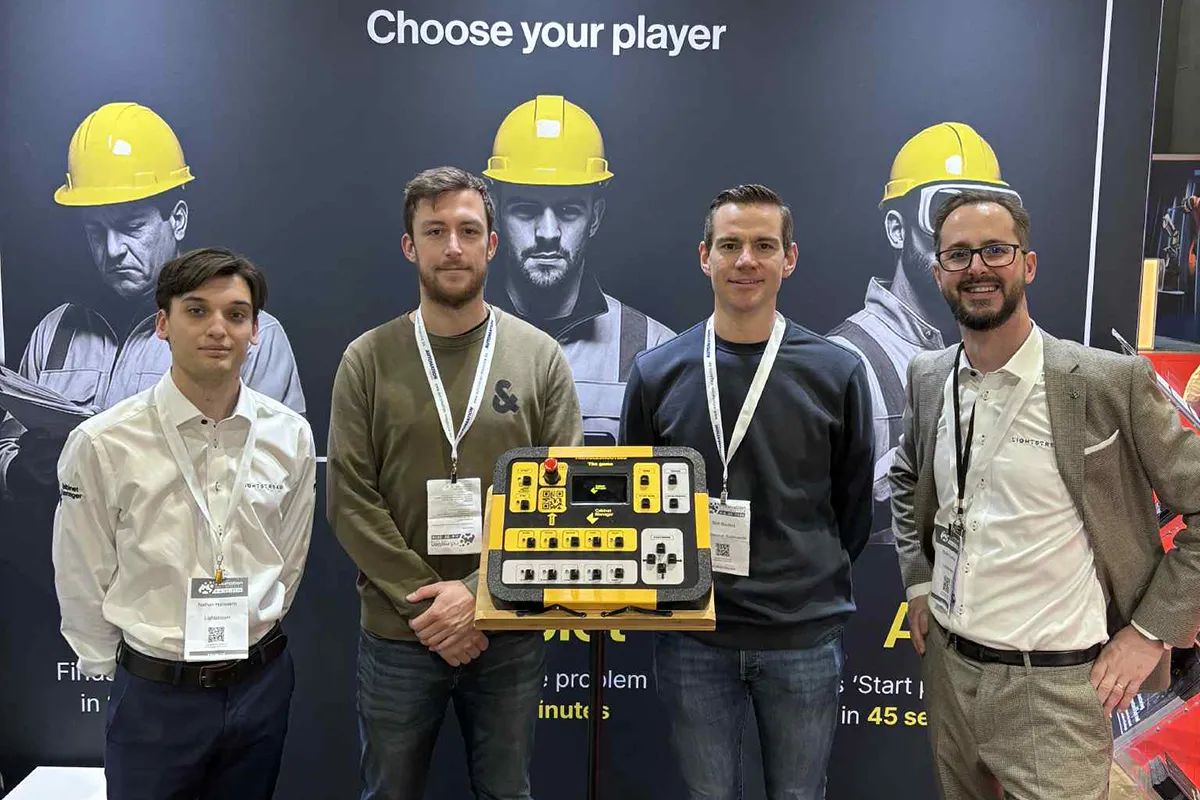
The first controllers are being unveiled this week at the Indumation technology fair in Kortrijk. The controller will later travel to international technology fairs, where it will be used to show maintenance technicians how to approach faults systematically and safely. For GO! Atheneum Oudenaarde and LightStream, the project has clearly whetted their appetite for more: everyone involved sees this kind of project as a powerful response to today’s STEM challenges.
Question about this story? Ask your question
Keep following this
Get an email when a new story is published. No account needed.
- SubjectNews







