












Global Maintenance Day 2025: Maintenance as a key to sustainability, safety and economic resilience
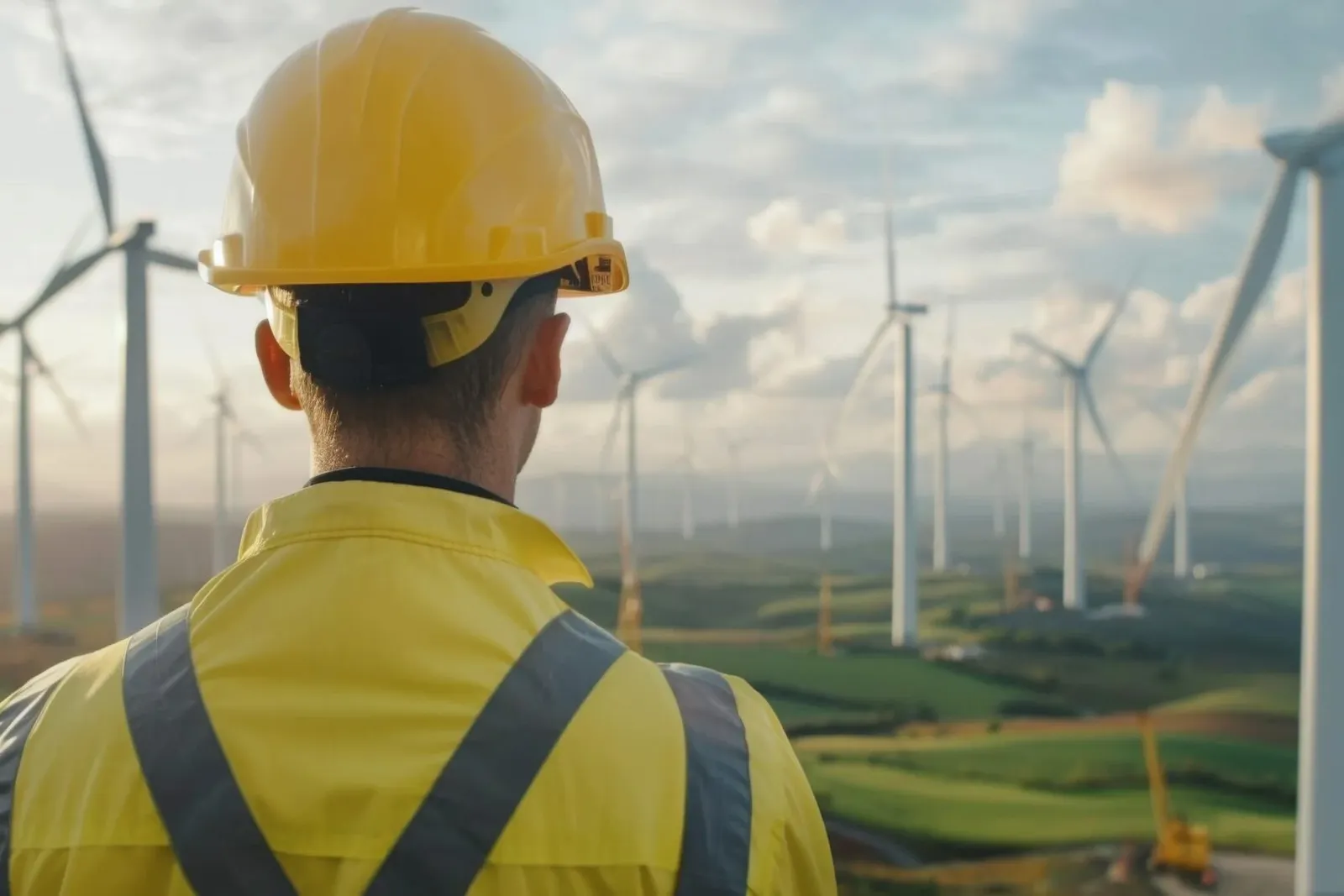
On 9 June, we celebrate the third edition of Global Maintenance Day, an international day that puts the importance of maintenance and technical services in the global spotlight. At a time when sustainability and economic resilience are high on the agenda, BEMAS, the Belgian Maintenance Association, is calling for the critical importance of maintenance to be taken seriously. Because without maintenance, society cannot function.
Around 6 million people work in technical maintenance in Europe. Some 450 billion euros is spent each year on maintaining industrial technological assets, with an estimated replacement value of 10,000 billion euros. Belgian industry accounts for around 1.5% of European industry. BEMAS estimates that around 9 billion euros (approximately 1.4% of GDP) is spent on industrial maintenance in Belgium each year. Around 90,000 maintenance workers keep an industrial machinery fleet worth 200 billion euros in working order.
An invisible force that keeps everything running
Maintenance, however, extends far beyond industry. We live in a technological society in which our daily lives depend on complex technical systems. From agriculture to water supply, energy production to healthcare, and mobility to digital communications, everything relies on installations and infrastructure that must remain reliable. Maintenance is the unseen force that keeps them running.
Without maintenance, systems fail, production grinds to a halt, essential services falter and safety is put at risk. That is why, on 9 June, we are calling for recognition and appreciation of the maintenance professionals who, often unseen, help support the foundations of our economy and wellbeing.
Maintenance contributes to Europe’s sustainability goals
Maintenance plays a crucial role in the fight against the climate crisis. The MORE4Sustainability project, coordinated by BEMAS and launched with support from Interreg NWE, shows that organisations which make their maintenance strategies more sustainable can achieve up to 31% greater energy efficiency and 28% CO₂ reductions in a relatively short time.
Smart maintenance is a lever for reducing energy use and emissions, even without major investment. For example, the technical team at Safran Aero Boosters managed to cut energy consumption by 15% through technical optimisations, such as eliminating standby power consumption in machines. Safran received the Technical Team of the Year 2025 award for this work, presented by BEMAS in March.
In a world increasingly vulnerable to climate damage and facing dwindling resources, maintenance is also a form of risk management. It extends the service life of infrastructure and installations, limits energy use and emissions, and thus contributes to a circular economy and a sustainable future.
Warning over shortage of technical talent
These opportunities are countered by a structural threat: a chronic shortage of technicians and young people with technical training. Maintenance technician is currently the number one occupation in short supply in Flanders, with nearly 2,600 vacancies at the end of April 2025.
The abolition of the 7th specialisation year in ‘Maintenance Techniques’ in secondary education threatens to make the situation even worse. In collaboration with BEMAS, Richtpunt Eeklo tested the maintenance knowledge and skills of pupils in their 6th and 7th years. The results of this sample are alarming: not a single pupil in the 6th year passed the test, while pupils in the 7th specialisation year achieved positive results. These figures show that the 7th year adds clear value in terms of the knowledge and skills that are essential in the labour market.
The 7th year is an important step in preparing young people for a sustainable career. This extra year better equips them to meet employers’ expectations and make the transition to work more easily. These results underline the need to retain the 7th specialisation year as a permanent option and make it more widely accessible, including to pupils graduating from a dual finality pathway in their 6th year.
STEM is more than theory: maintenance deserves recognition too
Technical maintenance is an essential part of the STEM disciplines (Science, Technology, Engineering & Mathematics). Yet practice-oriented technical courses do not receive the recognition they deserve in society. As a result, Flanders continues to lag behind in the number of STEM graduates and the proportion of women entering technical courses.
BEMAS is therefore calling on policymakers, education providers and businesses to invest much more in practice-oriented technical STEM education and to reintroduce a 7th year in maintenance, run by local secondary schools and open to all pupils interested in the field. Without well-trained technicians, the future of our industry is at stake.
Global Maintenance Day on 9 June is the perfect opportunity to reflect on the vital role of maintenance. But recognition should not stop at one day: sustained appreciation, investment and training are needed to keep our economy and society running.
Question about this story? Ask your question
Keep following this
Get an email when a new story is published. No account needed.
- ThemeLess downtime through maintenance
- SubjectNews







