












Four captains of industry on industrial policy
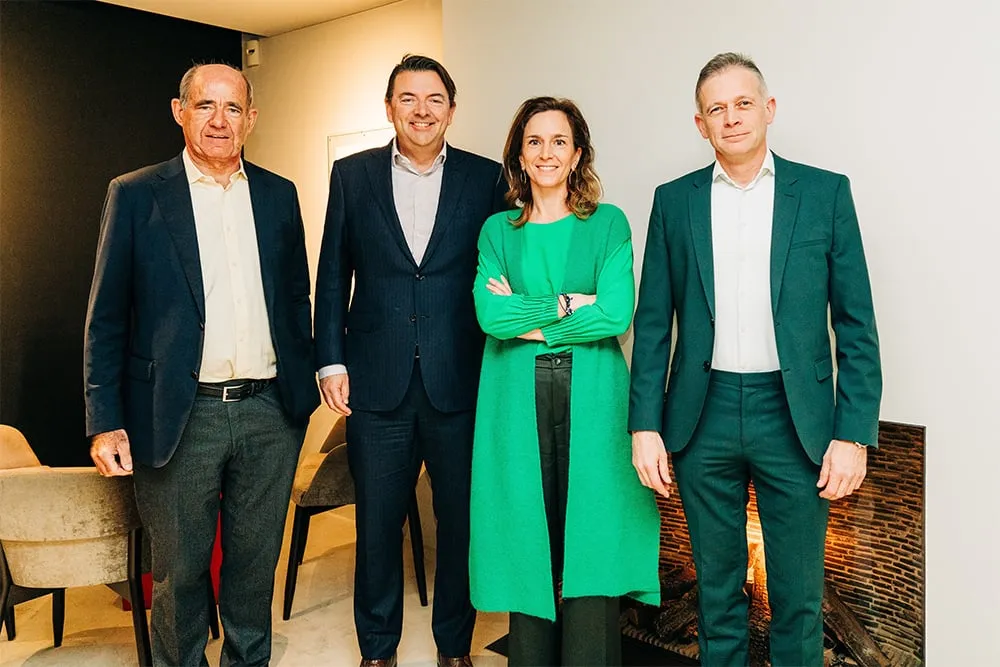
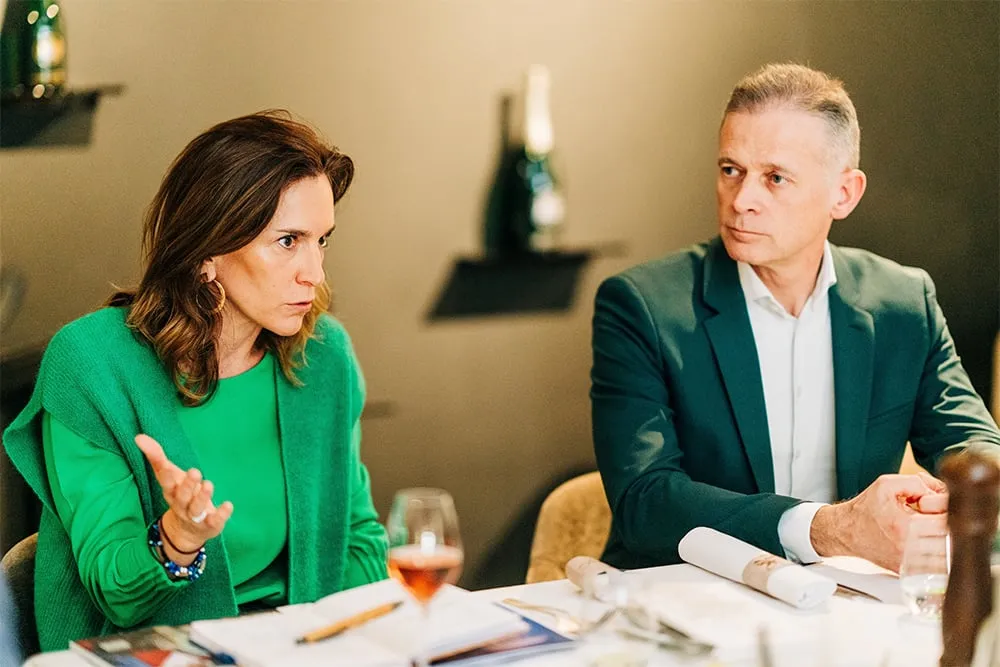
Industrial policy has become the hot topic of the moment in recent weeks. Problems in the chemicals sector and at bus manufacturer Van Hool have fuelled calls for a clear political framework and support. Business Vlaanderen brought four captains of industry to the table for a discussion about policy shortcomings and solutions for the future: Karla Basselier (CEO of Fedustria), Tim Berckmoes (CEO of ABC Engines and chair of Agoria Vlaanderen), Michaël Corten (CEO of Belgian Eco Energy) and Paul Renson (CEO of Renson). “Although industrial policy is by definition a long-term undertaking, in practice we are faced with a growing stack of rules, many of them contradictory.”
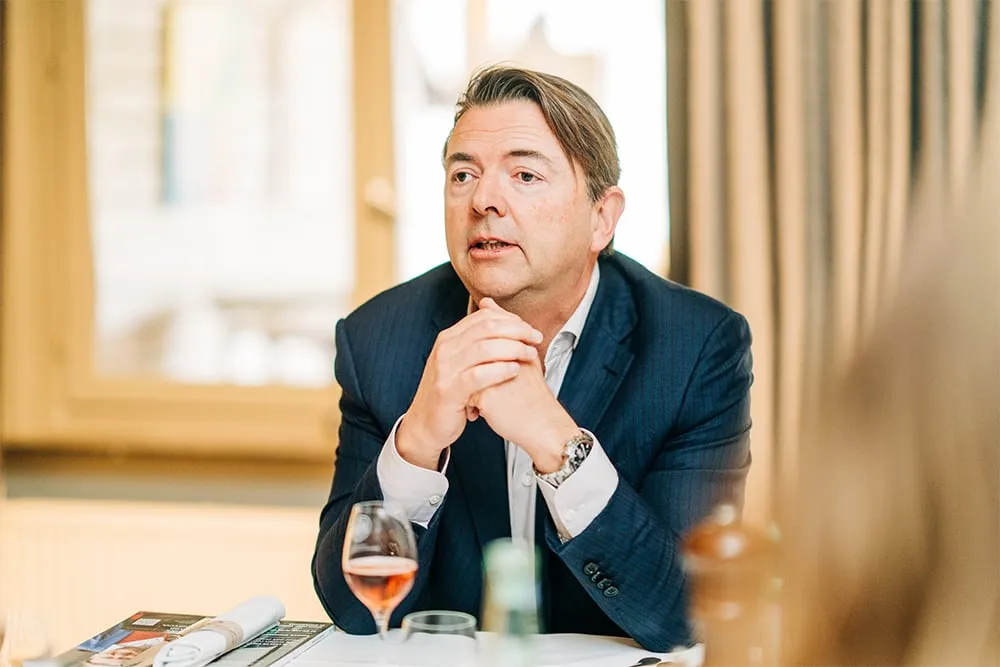
The many alarm bells ringing across industry leave little room for interpretation: our industrial policy needs a systemic change. For businesses, the top priority remains finding enough workers. “Above all, the employment rate needs to rise. If we can increase it, many problems will solve themselves,” says Paul Renson, CEO of the family business that bears his name. “I’m also convinced that many people would like to work more, including students and pensioners. That’s why work needs to pay more. Employers who give a pay rise make themselves look ridiculous, because hardly any of it reaches the employee.”
Alongside attracting and retaining the right talent, one important task for policymakers, according to Tim Berckmoes, CEO of ABC Engines and chair of Agoria Vlaanderen, is addressing energy costs for manufacturing companies. “Energy and distribution costs have soared as a result of the recent coronavirus crisis and the energy crisis that followed, putting many companies in difficulty. Energy also has a major impact on labour costs through automatic wage indexation.”
Overregulation
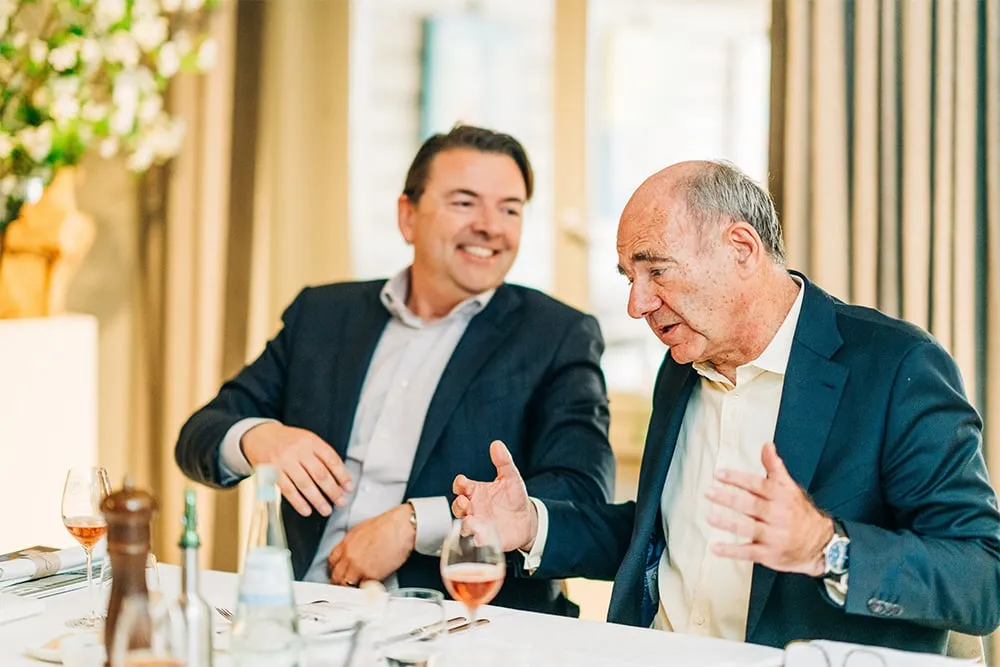
But the most animated discussion comes when the regulatory framework is brought up. “Overregulation and excessive legalism, for example in permitting, are relatively recent developments and are becoming increasingly prominent. They leave business owners feeling that they are no longer wanted, or at least that people are no longer proud of them,” says Karla Basselier, CEO of Fedustria, the federation of the textile, wood and furniture industries. “Although industrial policy is by definition a long-term undertaking, in practice we are faced with a growing stack of imposed rules, many of them contradictory. There is no vision behind it. When I speak to our members, this is invariably the first thing they raise, alongside the loss of competitiveness due to higher costs than abroad. We should not forget that manufacturing is primarily export-oriented.”
This criticism applies at every level of government. “Policy today goes much too far with regulation, including in Flanders. Government is omnipresent,” says Michaël Corten, CEO of Belgian Eco Energy (BEE). “Take collective agreements, for example, which have become almost impossible to keep up with without a whole raft of advisers. I believe government needs to question its own role much more and decide where it can genuinely make a difference to prosperity, because it certainly can. ‘Less is more’ should be the guiding principle. A debate about core responsibilities is needed, but unfortunately I find that this discussion is barely taking place, if at all.”
This is first and foremost the responsibility of politicians themselves. “Politicians in Wallonia in particular have no idea what industrial policy entails today. That’s dangerous, because it creates expectations among their voters,” says Tim Berckmoes. The consultancy sector’s prominent role in policymaking is another important factor. Karla Basselier says: “Consultants benefit from the flood of regulations and, in doing so, help create the paternalistic environment that business owners have to contend with.” Michaël Corten agrees: “The reality today is that large consultancy firms would lobby against administrative simplification. They have effectively made complexity part of their business model.”
Another decisive factor is the increase in European regulation. Much of the regulation affecting companies originates here, partly eroding national and regional decision-making powers. Our captains of industry find that European rules are often highly prescriptive for the companies that have to comply with them, and not always coherent. “Take energy mix policy, for example. At European level, it is practically non-existent. Anyone driving a Tesla in Germany today is effectively running it on electricity generated from coal, with a Chinese-made battery. And yet that is what gets promoted! The same goes for the CO2 tax, which was increased fourfold last year but mainly affects European companies. You can’t explain that to customers outside Europe,” says Tim Berckmoes.
Seizing the momentum
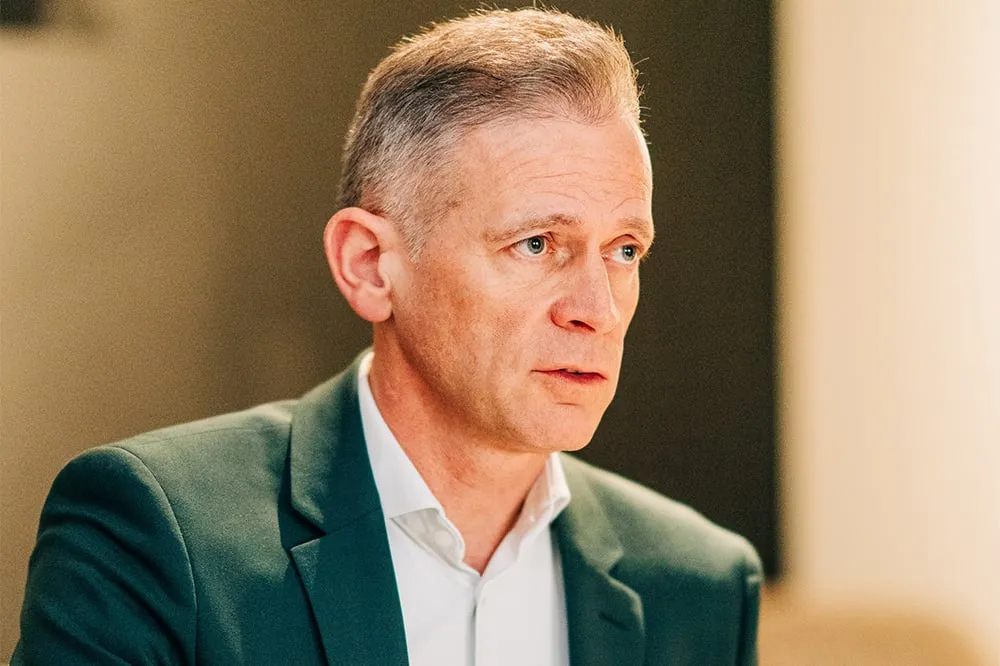
The growing recognition that reform is needed, given fresh impetus in recent weeks by the problems at Van Hool, also presents many opportunities, our panel believes. “The momentum is here. We need to seize it. Politicians at both Flemish and federal level, as well as people on the street, need to realise that you cannot drive innovation without industrial policy. If you lose manufacturing, innovation will disappear too,” says Berckmoes.
To turn this momentum into political action, the four industry federations Fedustria (textiles, wood and furniture), Fevia (food), essenscia (chemicals) and Agoria (technology) presented their Future Pact for Flemish Industry at the end of March. The Flemish government co-signed the pact. It is therefore an important commitment to making industrial policy a core responsibility and priority. The pact was signed at the industry summit in Antwerp, on the sidelines of the Flanders Technology & Innovation festivals.
In the pact, the federations and the Flemish government set out a blueprint for the future of industry. “We explain that industry is what creates growth and prosperity, and that it is therefore also the source of solutions for the climate transition,” says Karla Basselier. “In short, industry embedded in your economic fabric is essential to our future. Everything else in that fabric, from the entire services sector to social security and its affordability, is linked to it. We need to tell that story much more widely now.”
“The pact’s main strength is that the four federations are clearly speaking with one voice. That makes it much easier to exert political pressure and for policymakers to make choices,” says Tim Berckmoes. “The most important thing is that our Future Pact becomes a real action pact,” say Berckmoes and Basselier.
Above all, this means policymakers need to be willing to make clearer choices. “We should take more pride in our own products and expertise. Public procurement should take much greater account of our domestic industry and the products we make. Specifications should therefore be much more targeted. This is standard practice abroad,” explains Tim Berckmoes.
Mutual trust
“A small country like Belgium needs to be able to differentiate itself in order to innovate and therefore also to grow through exports. If we don’t, we are economically doomed. It’s as simple as that,” says Paul Renson. Government can certainly support domestic industry, provided it goes about it the right way, stresses Michaël Corten: “Just look at the saga around the gas-fired power stations. The contracts eventually went to Engie and Luminus, both French companies, because a consultant hired by the government wrote the tender to suit them perfectly. That was the exact opposite of what the government had intended, and a missed opportunity to open up much-needed competition in the energy market.”
In other words, the proposed paradigm shift is primarily about building a relationship between politicians and business owners based more on mutual trust, and recognising manufacturing’s contribution to society. “One way to bring about that shift is to focus on legislation that sets objectives. It defines the goals but gives business owners the freedom to decide how to achieve them. That means giving them autonomy and trust,” says Karla Basselier.
“There’s no denying that many political parties today push entrepreneurship under the carpet. That has to do with a lack of long-term vision, when that is precisely what we need more than ever,” concludes Paul Renson.
Question about this story? Ask your question
Keep following this
Get an email when a new story is published. No account needed.
- SubjectNews







