Plastics industry in transition at K 2025 trade fair in Düsseldorf
Text KDV - Language & MoreImage Fairwise
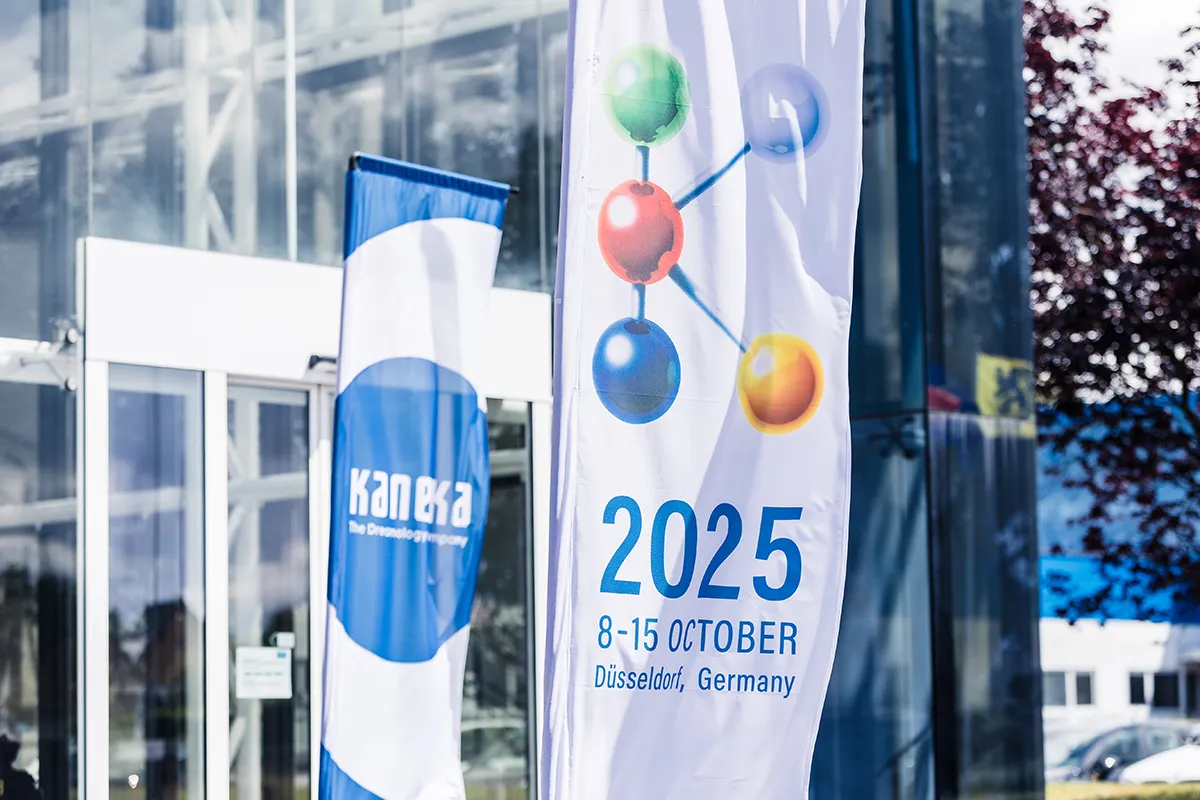
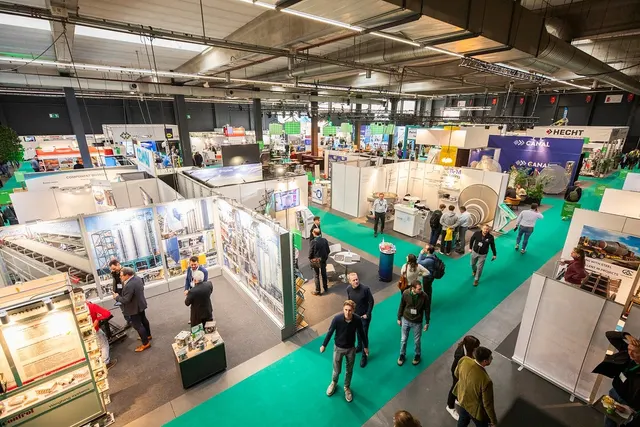
K 2025 puts the circular economy, digitalisation and people centre stage In October, the global plastics and rubber industry will once again gather in Düsseldorf for K 2025, The World’s No. 1 Trade Fair for Plastics and Rubber, the leading event held every three years. More than 3,000 exhibitors from 60 countries and over 177,000 visitors will discuss the challenges and solutions facing an industry in transition, with one message running through it all: plastics are part of the answer.
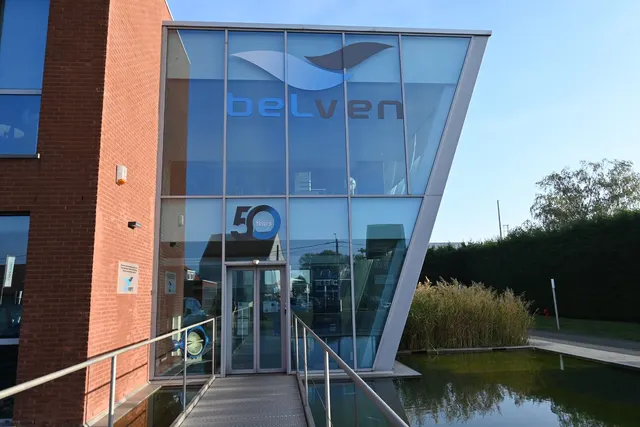
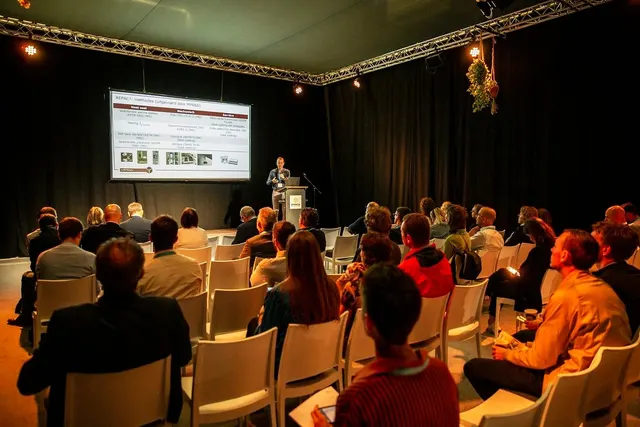
The trade fair organisers are pulling out all the stops to put today’s key issues firmly in the spotlight: the circular economy, digitalisation and people. As a preview of K 2025, Fairwise, which specialises in international trade fairs and represents K Messe in the Benelux, invited us to an inspiring sneak peek at Kaneka Belgium in Westerlo.
A key role in a circular economy
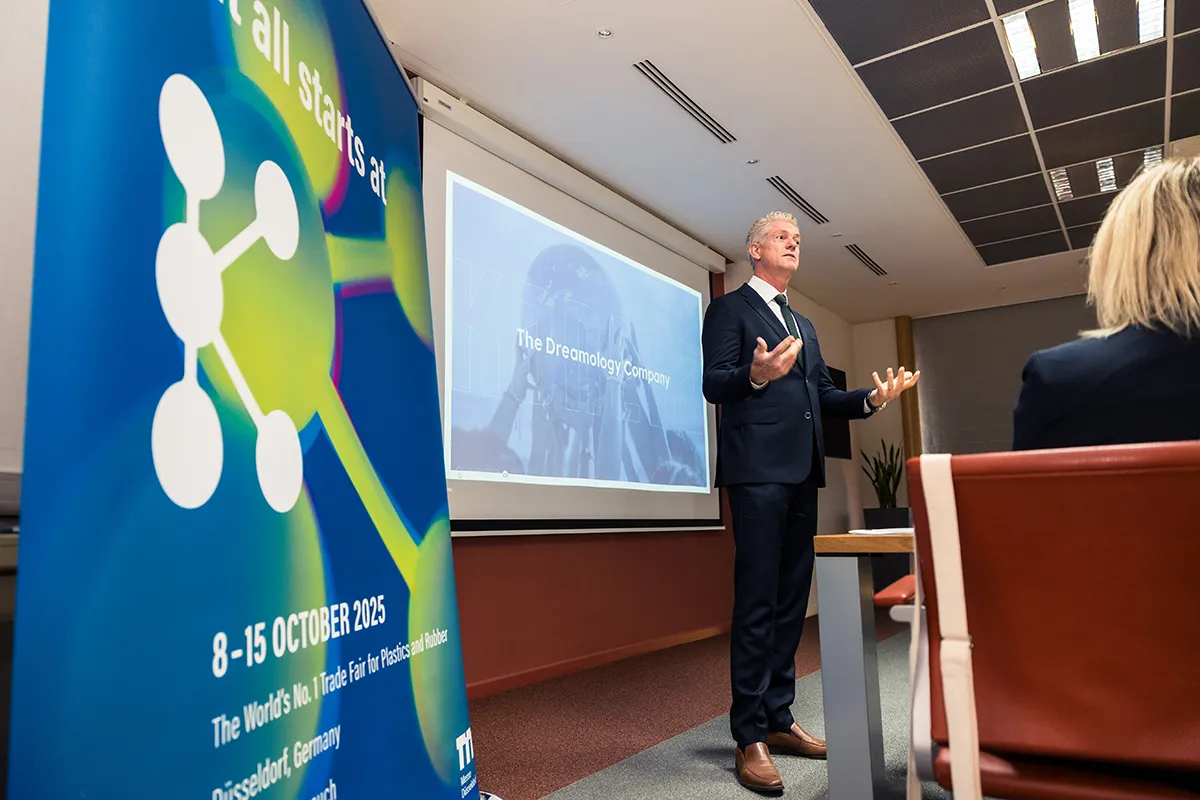
Kaneka, a company with Japanese roots and a strong presence in Europe, has been a regular exhibitor at K since 2013. As a pioneer in sustainable plastics solutions, the company wants to show that, with innovation and responsibility, plastics can be part of the solution. “We’re ready and have already taken many steps. Now we just need the legislation,” says Olivier Renson, senior vice-president at Kaneka Belgium.
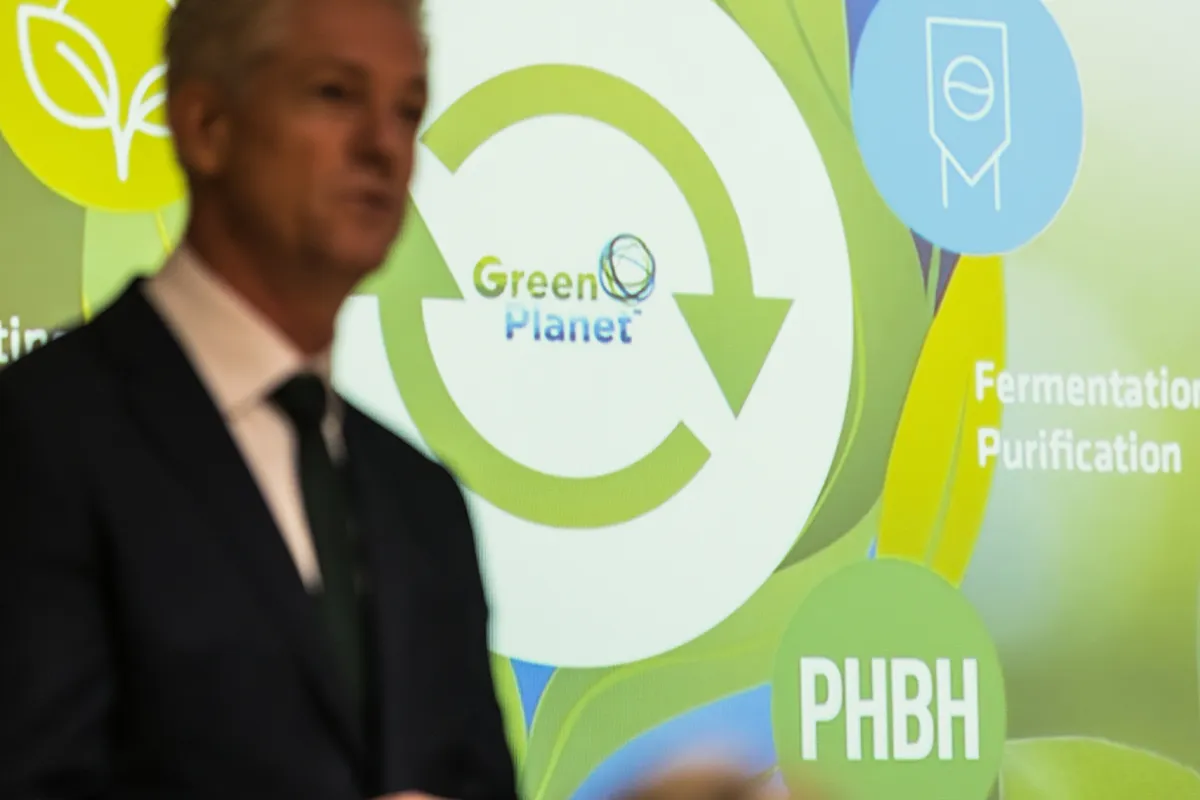
With products such as Green Planet, a biodegradable material that leaves no microplastics behind, and Eperan and MS Polymers, which are recyclable and solvent-free respectively, Kaneka is making a tangible contribution to circular material use. Its involvement in the Science Campus at K 2025 underlines its commitment to collaboration and open innovation.
The need for circular solutions is pressing: less than ten per cent of plastic waste is recycled worldwide. Yet producing recycled plastics requires far less energy, reducing CO2 emissions and improving security of supply. At the same time, recycling is technically and economically challenging: processes are complex, energy-intensive and more expensive than using virgin plastics. The transition to a circular economy therefore requires structural support. While some regions are focusing on voluntary initiatives, Europe has opted for (over)regulation. Accelerated procedures, investment incentives and international cooperation are essential to speed up progress.
At K 2025, Kaneka and other industry players will present their innovations and practical solutions for a circular future under the motto Shaping The Circular Economy.
Digitalisation as a lever
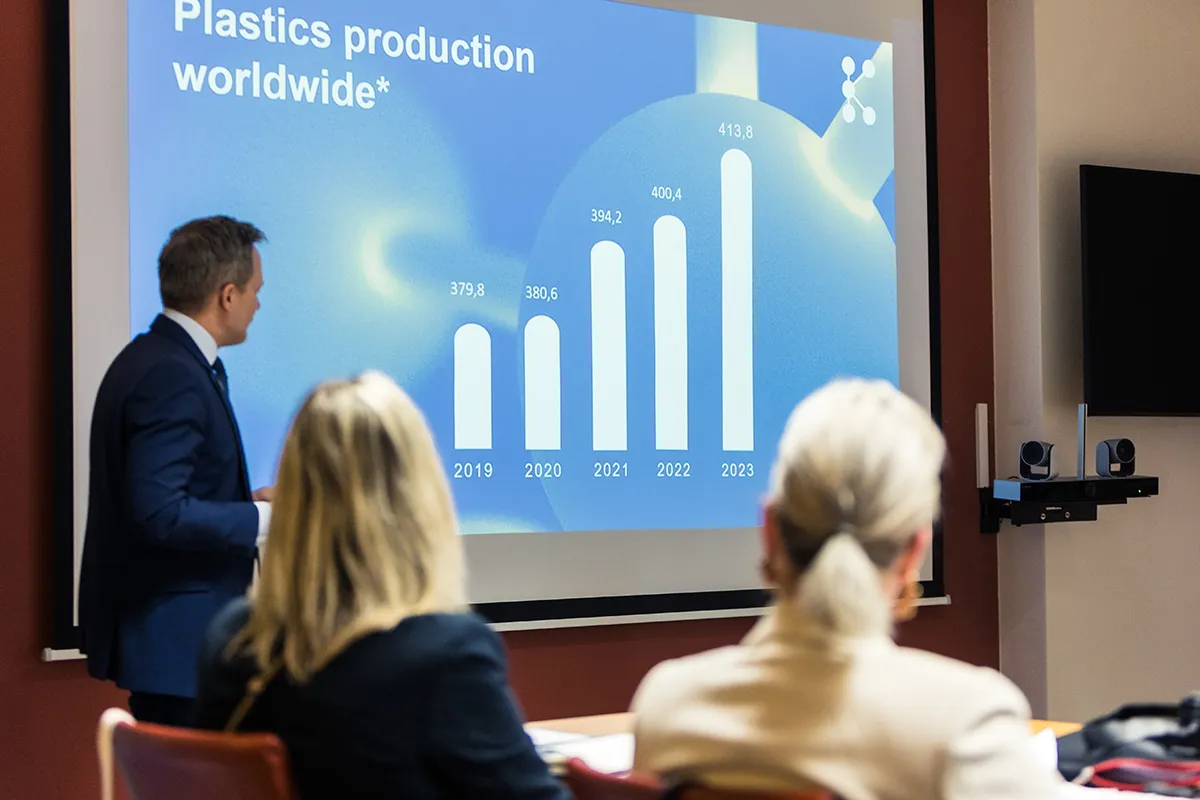
The second key theme, Embracing Digitalisation, is more relevant than ever. According to figures from the German Ministry of Economic Affairs, the level of digitalisation in industry has risen by 14 per cent in five years. Digitalisation is proving to be a catalyst for a more sustainable and efficient plastics industry. However, practical implementation remains a challenge. Artificial intelligence (AI), digital twins and data-driven quality control make it possible to optimise production processes, reduce waste and sort materials more accurately for recycling. Connected production systems enable real-time optimisation, helping companies respond more effectively to market fluctuations. New business models can also be developed, for example in the form of digital platforms and maintenance services.
The press conference showed how Kaneka, through its European R&D centre, is actively using digital tools to accelerate sustainable innovation. Its digital systems support, among other things, the Digital Product Passport, which becomes mandatory in the EU from 2025.
Putting people at the heart of the transition
Alongside technology and the environment, Caring About People is another essential theme at K 2025. This is about more than occupational safety and inclusion: it also means attracting and retaining talent. The plastics sector is facing a severe shortage of technically skilled staff. Kaneka is addressing this through close partnerships with universities of applied sciences and by taking part in initiatives such as Women in Plastics at the trade fair.
Thomas Franken, Director K: Plastics & Rubber at Messe Düsseldorf GmbH: “K 2025 will be a superb exchange of ideas, with opportunities to share knowledge, network and grow in turbulent times. Through The Power of Plastics and themed areas dedicated to the circular economy, the event offers practical answers to today’s biggest challenges. Anyone who wants to see the future of plastics and rubber should be in Düsseldorf from 8 to 15 October.”
Question about this story? Ask your question
Keep following this
Get an email when a new story is published. No account needed.
- SubjectEvents