Flanders make symposium 2024 makes the case for broader roll-out
Text and images Piet Debisschop
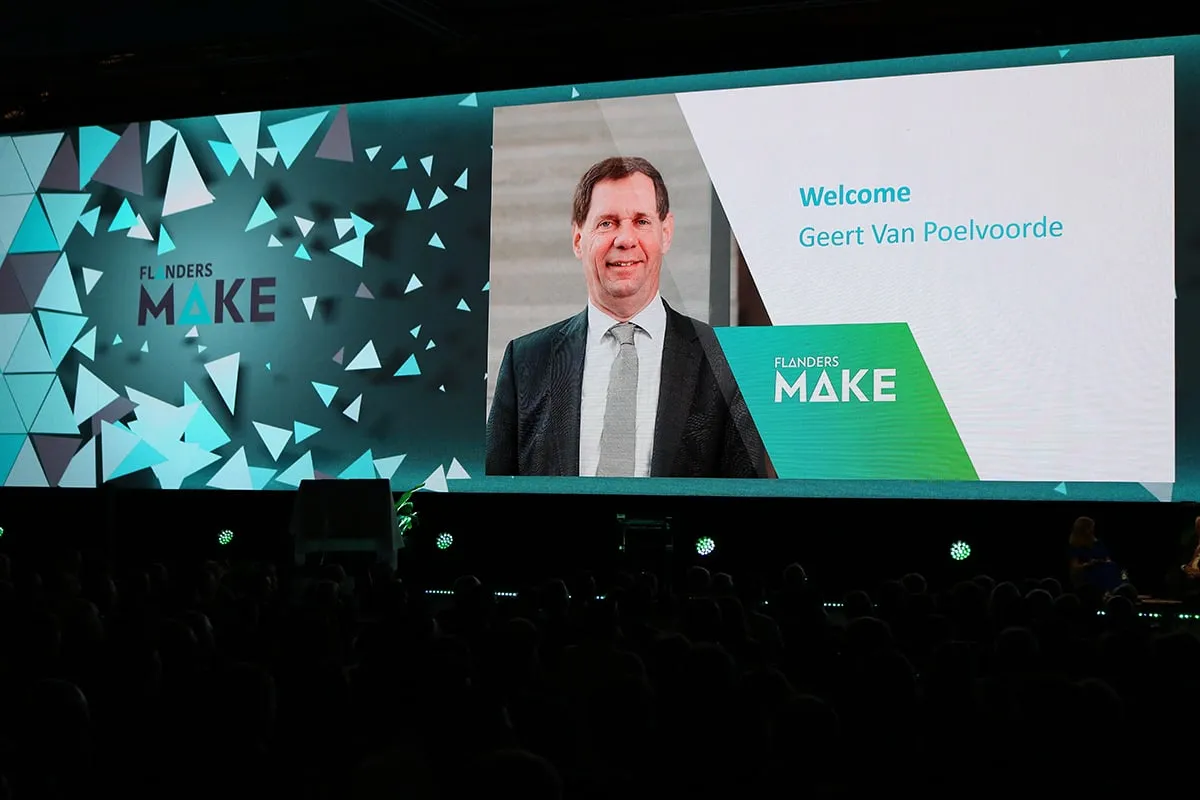
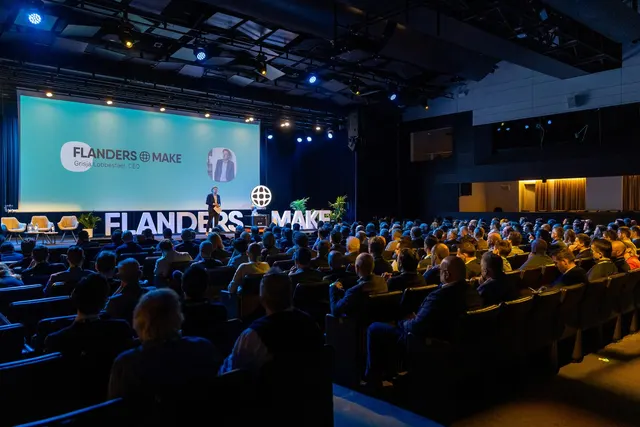
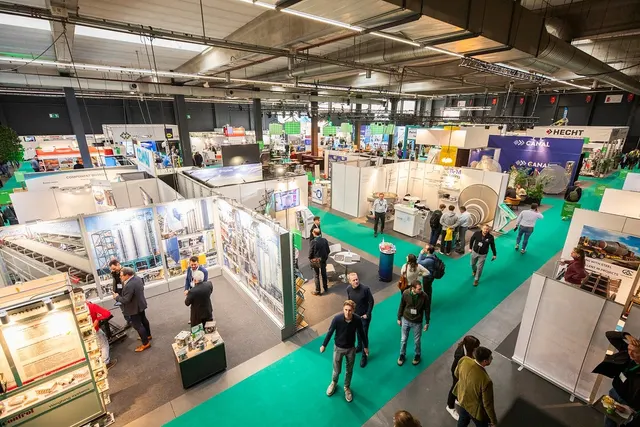
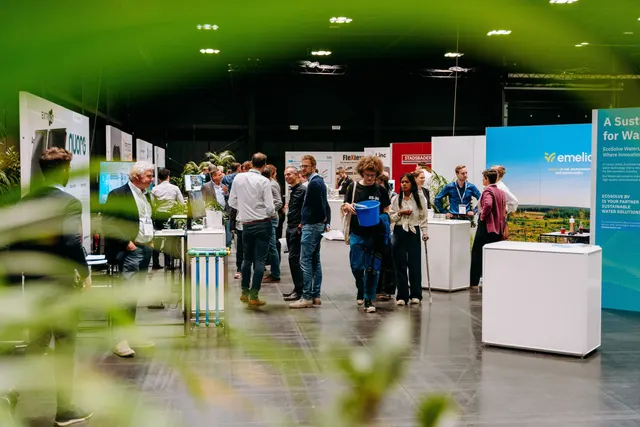
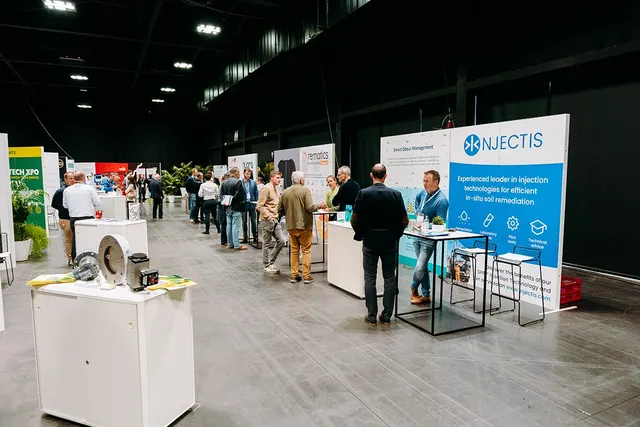
Every major event deserves an impressive venue. For the 2024 edition of the Flanders Make Symposium on 22 October, the Nekkerhal in Mechelen was chosen as the venue. This impressive location provided a grand setting for the symposium, with a giant screen, no fewer than 24 demo stands and a large turnout of enthusiastic visitors. We were there too.
Passing on the baton
With a line-up of engaging speakers, the symposium was once again a memorable event, highlighting technological advantage through robotisation, AI and digital twin implementation, as well as issuing an unmistakable call for renewed industrial autonomy. The change in leadership also clearly signalled a stronger commitment to further anchoring the organisation in Flanders’ technology landscape. Urbain Vandeurzen stepped down as chair of Flanders Make, handing over the baton to Geert Van Poelvoorde.
Flemish innovation
A message that did not go unnoticed by the Flemish Government. Newly appointed Minister-President Matthias Diependaele, who gave the opening address at the symposium, promised the necessary funding to continue supporting the reindustrialisation of Flanders through innovation and technological development.
Innovation as a decisive lever
Keynote speakers drew on their respective areas of expertise to highlight the challenges ahead in the age of Industry 5.0, and soon even 6.0, and the innovative solutions this will require from Flemish industry. They explored how sustainability and the circular economy will make a difference, and how AR and VR will play a key role in staff training. All of this will be underpinned by the implementation of digital twin technology and AI.
The demo stands
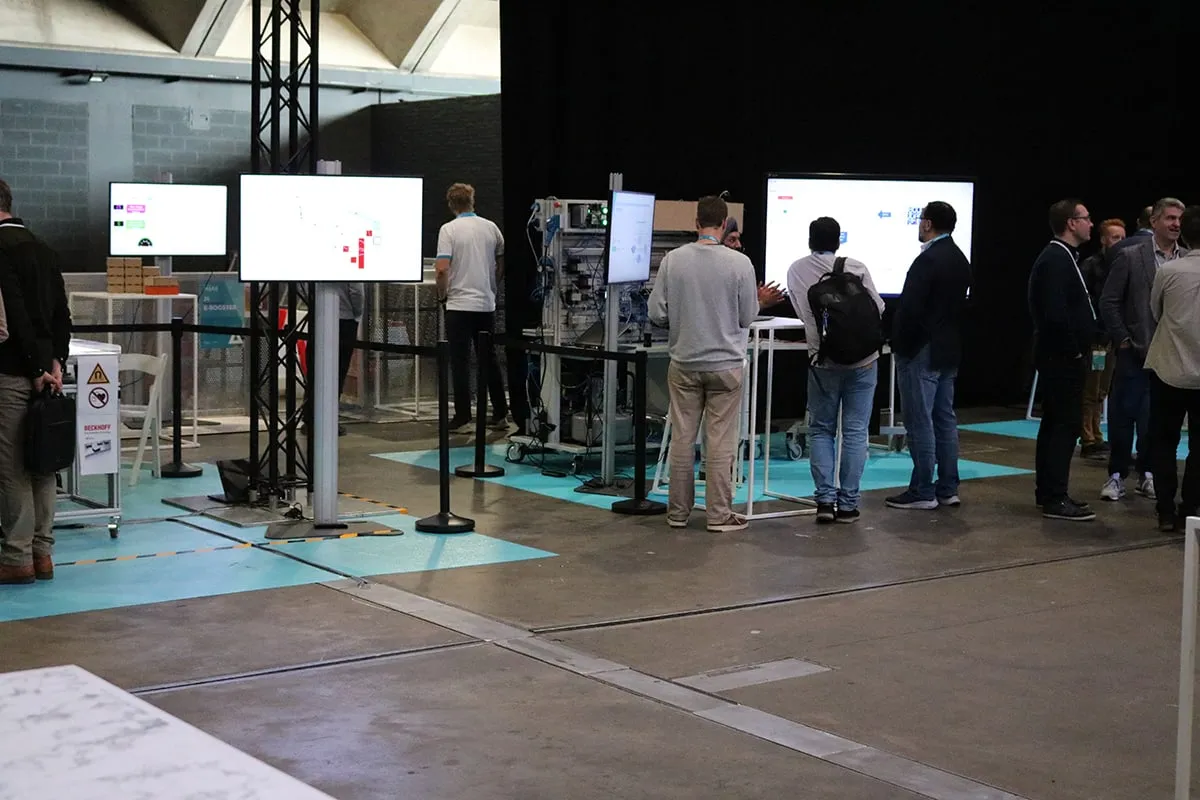
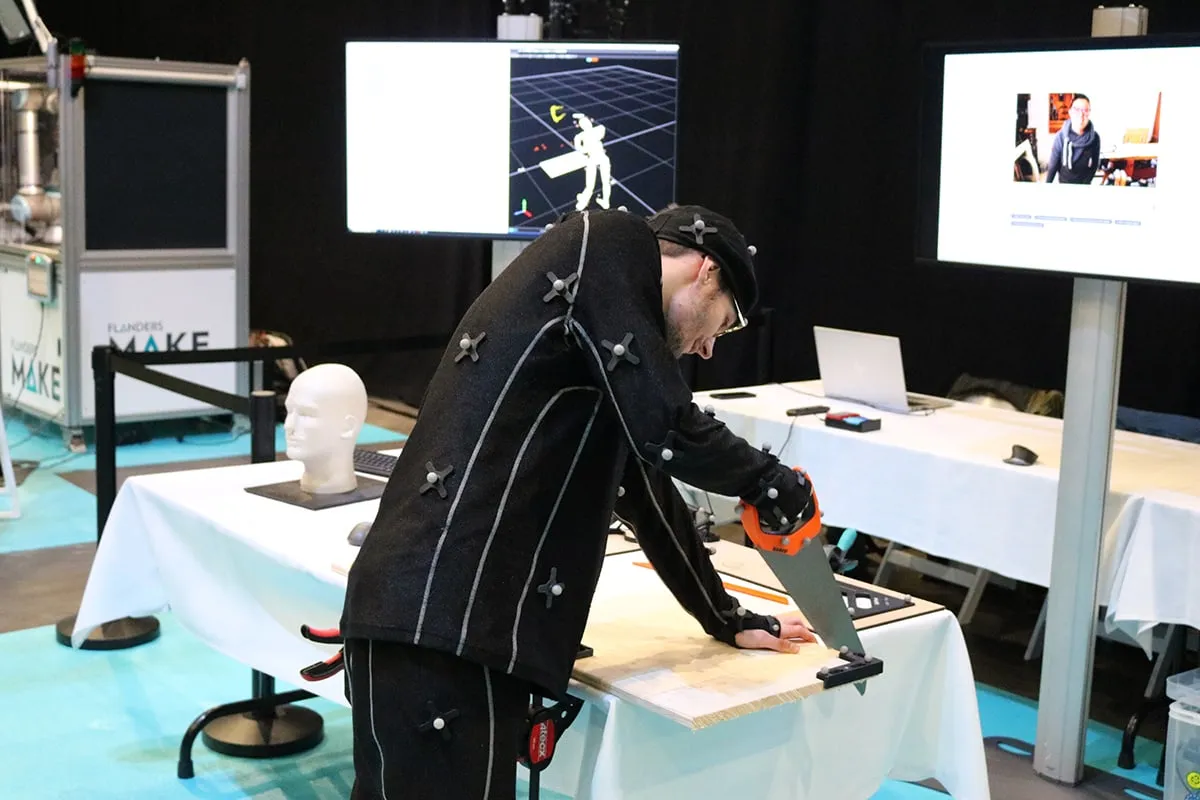
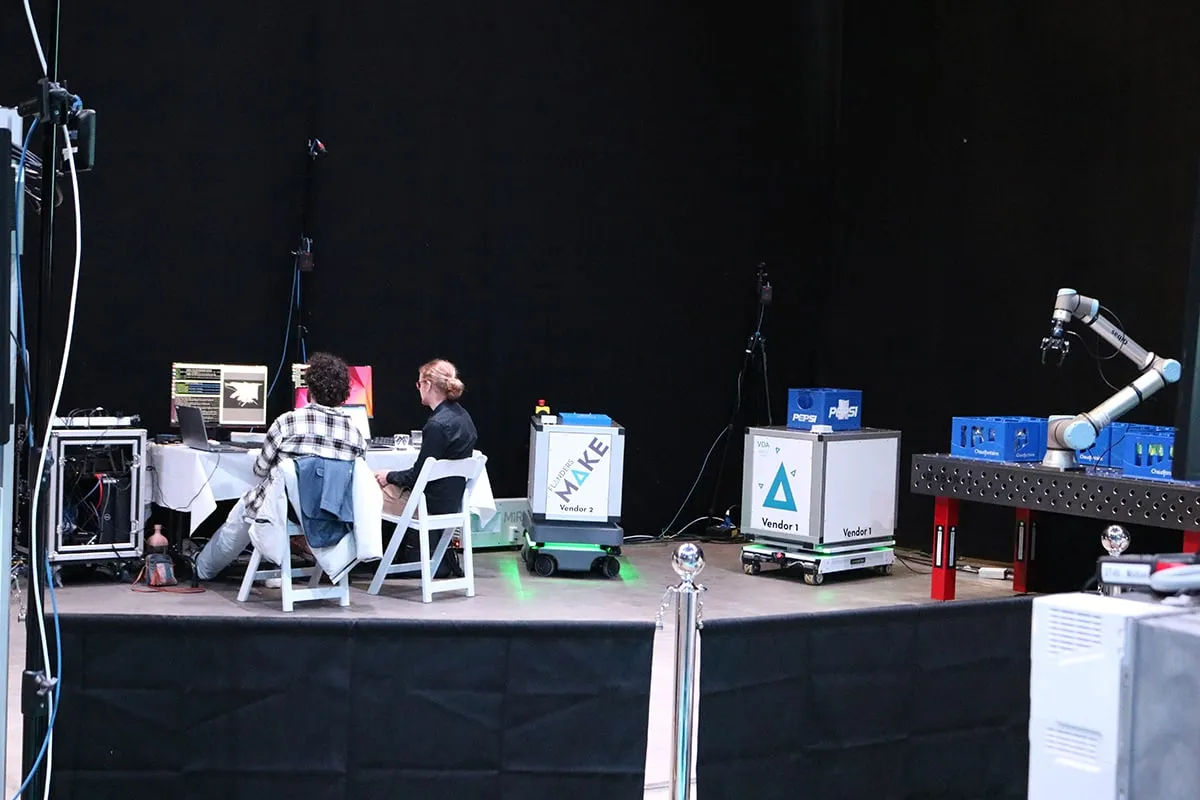
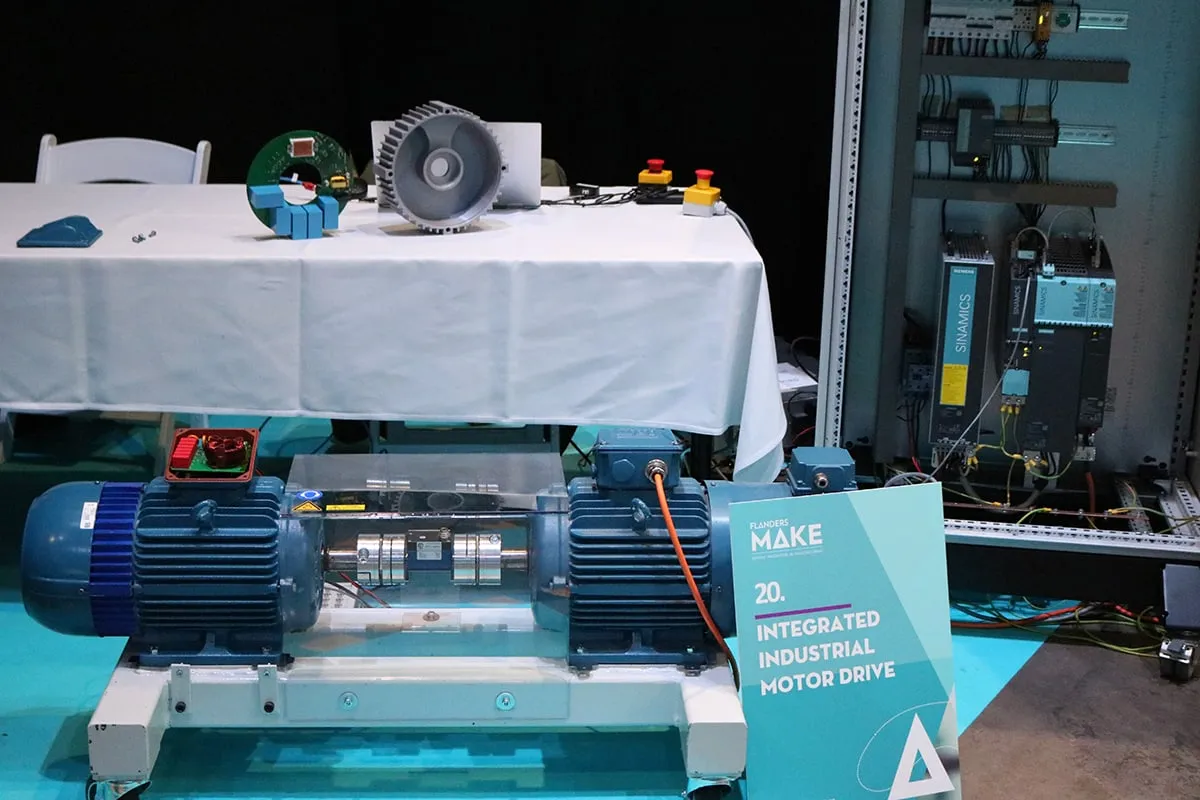
And yes, we counted them carefully: there were 24. Every one a technological gem, either in full development or already being implemented. The selection included some of the top demonstrators from projects run by the core labs that are part of Flanders Make’s co-creation centres in Leuven, Kortrijk and Lommel, as well as the Flanders Make core labs at the 5 Flemish universities. It was a pleasure to see these thriving collaborations in action. Above all, they show just how purposeful and efficient this work can be under the Flanders Make umbrella. As mentioned, there were 24 demo stands, too many to cover in a single article. So we have picked out a few projects that particularly caught our attention:
The digital twin as standard
Innovation, digital twin generation and 3D visualisation ran like a recurring theme throughout the demo area.
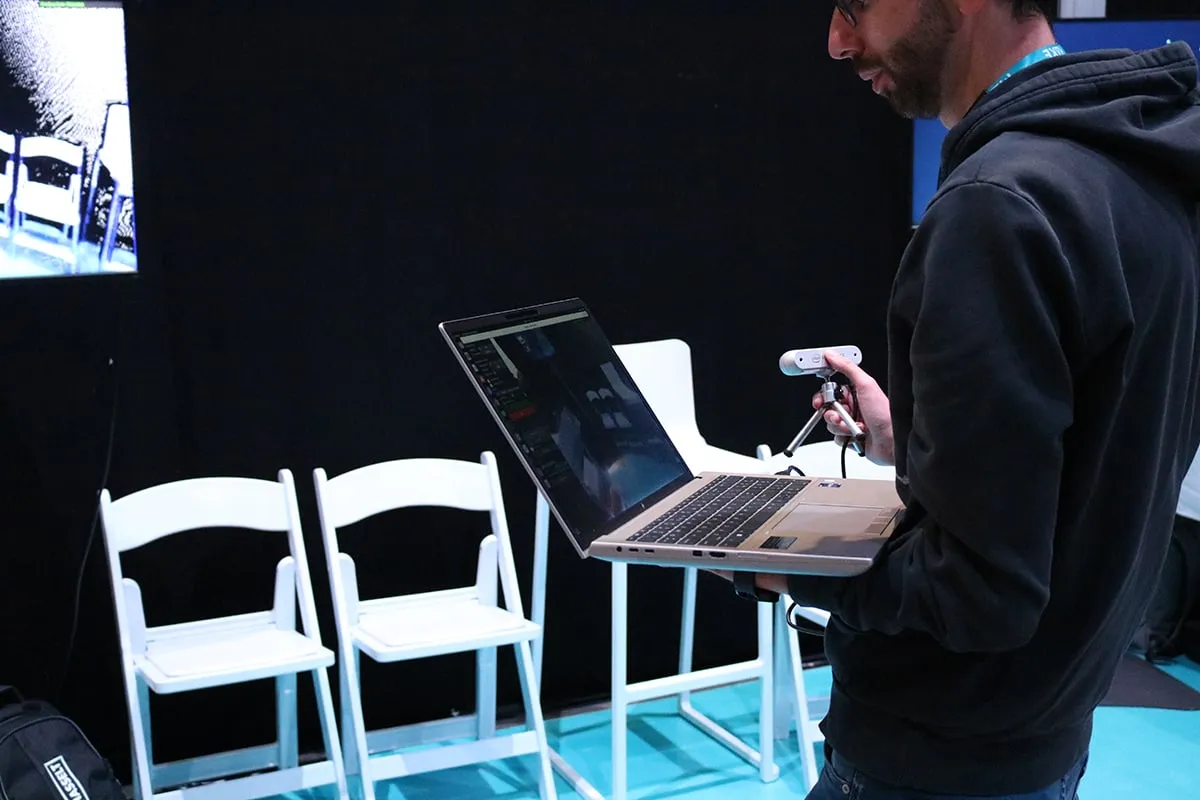
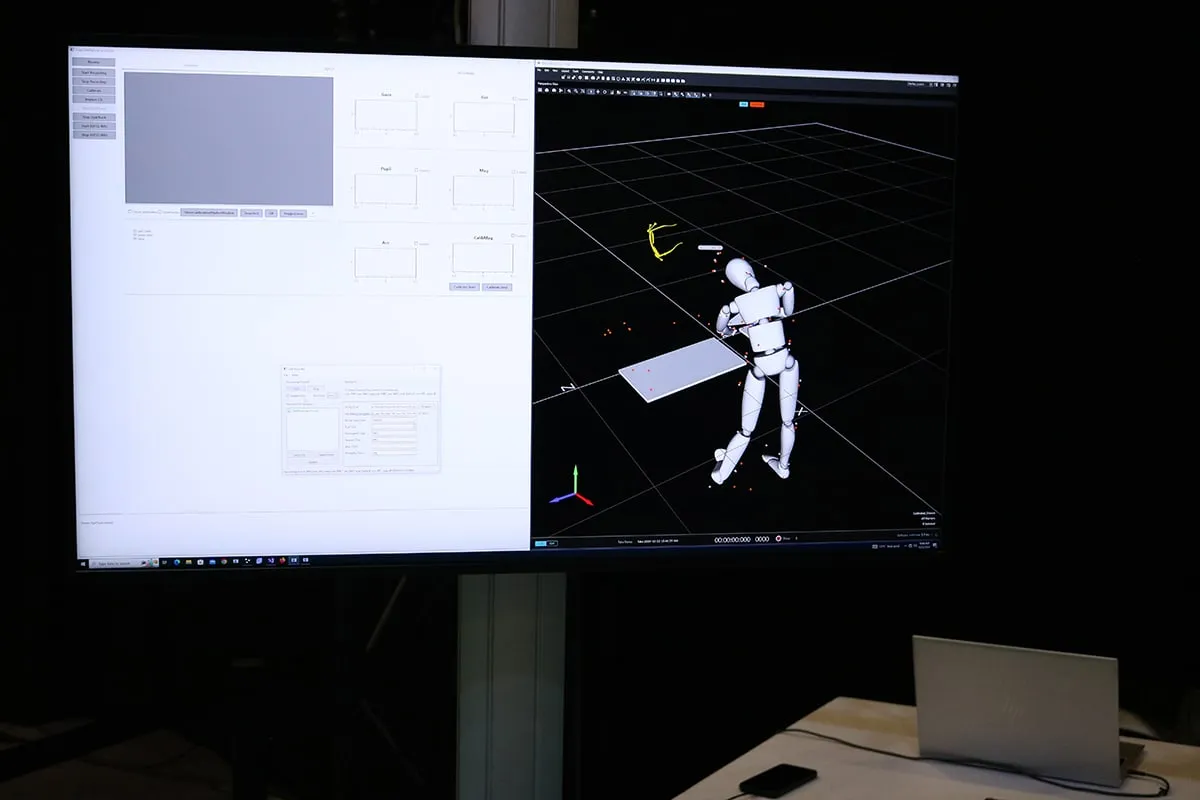
Direct, low-cost 3D scanning (Tom Mertens and Lode Jorissen, Flanders Make@UHasselt)
One project by Flanders Make at UHasselt that stood out was an impressive solution enabling fast, low-cost 3D scanning of industrial spaces. Combining handheld devices with powerful software allows corrections to be made in real time, filtering out incidental elements from the final scan, such as staff passing through the frame or objects moving between 2 scans.
An excellent simulation tool for time and space studies, with a range of applications including AR and VR training and virtual inspection of production spaces.
Integrated motor drive (Yentl Joos, Flanders Make@UGent)
This is an example of far-reaching motor innovation that can be deployed either as a plug-and-play solution or as a retrofit. Yentl Joos’s project involves integrating a variable frequency drive directly into the motor housing. No more heavy drive cabinets requiring specialist attention and, above all, compromising the ergonomics of an installation. The design also eliminates the otherwise delicate process of ‘matching’ the drive to the motor, as the drive will become part of the motor manufacturing process. Here we can see the beginnings of a new standard.
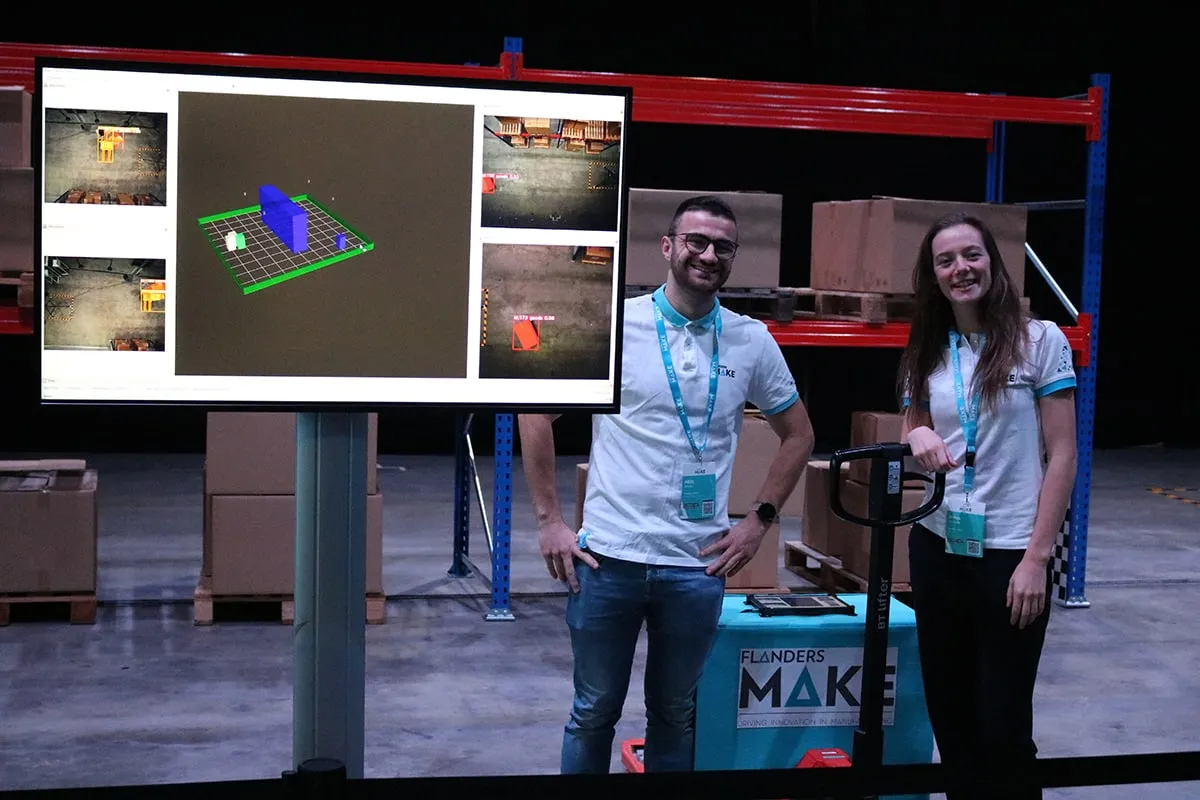
Intelligent, proactive vision system for warehouses (Emma Van Doren and Neel Broeckx, Flanders Make)
The vision system generates a highly detailed digital twin of warehouse spaces in real time, regardless of their size. Alongside some obvious applications such as warehouse management and optimisation, with the system detecting inefficient or wasted space, it also enables unmanned operation. The concept uses ‘smart’ forklifts, each equipped with camera systems. This enables unmanned ‘smart warehousing’, with forklifts that scan product codes themselves, detect empty stock locations and feed their data into inventory management. The digital twin’s powerful real-time capabilities are undoubtedly its key strength.
Question about this story? Ask your question
Keep following this
Get an email when a new story is published. No account needed.
- SubjectEvents