












Electrifying industry
Text Valérie CouplezImage iStock
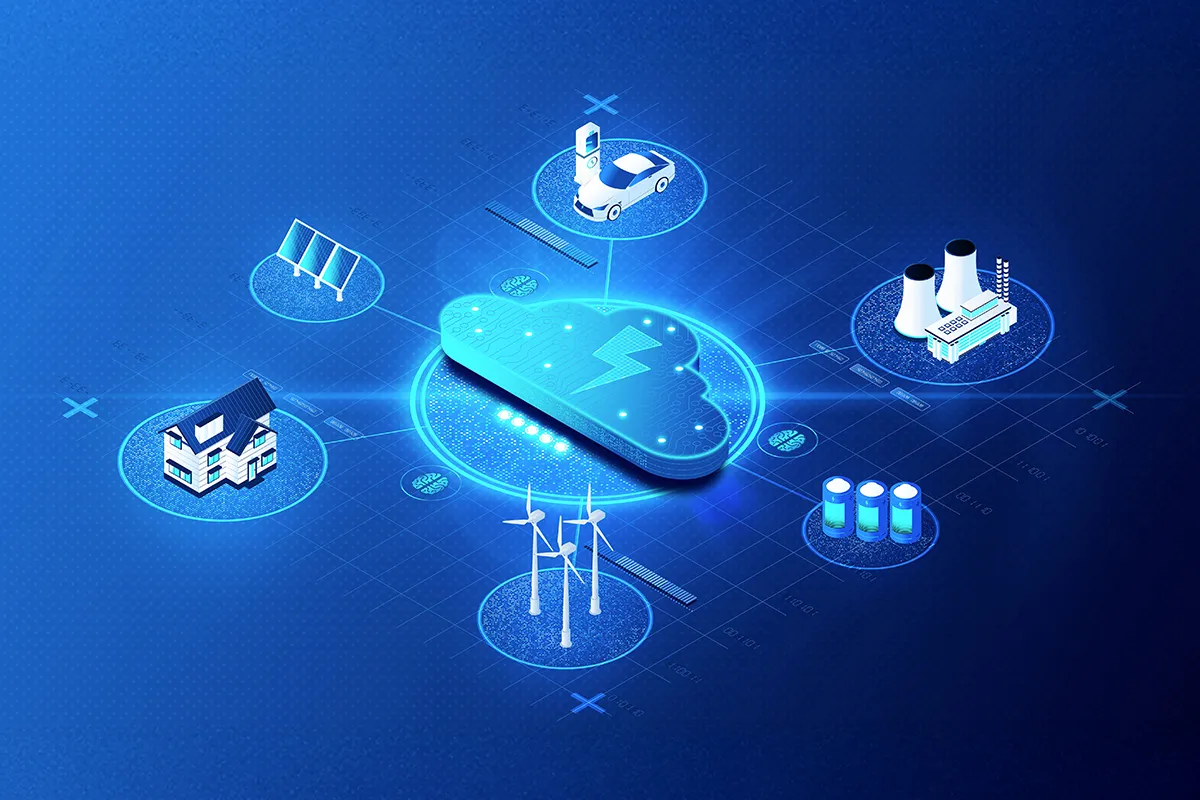
It is not just transport that needs to go electric. Europe also expects its industry to learn to run on electricity. It is already doing so to some extent, but if we are to become truly carbon-neutral, we will need to step up the pace at which we electrify processes. That is far from straightforward. The technology is not the problem: it exists and is sufficiently mature. But putting the full financial package together in challenging times is difficult. Even so, it is the only way forward.
Although the energy sector is decarbonising at a remarkable pace, society is not electrifying quickly enough. The electrification rate across our continent appears to have reached a worrying plateau: it has remained at 23% for the past ten years. Looking at industry, the figure is stuck at 33%. China, meanwhile, is going all in: electrification has increased by 7% since 2015. Why? Between 2022 and 2023, electricity demand in the EU fell by 7.5%, mainly as a result of companies closing or relocating abroad. Industrial customers account for a third of current electricity demand, while only 4% of high-emission industrial heating processes have been electrified.
The technology is available
What is often overlooked, however, is that 92% of process heat in low- to medium-temperature processes can be electrified directly using technologies such as electric boilers, electric arc furnaces, industrial heat pumps, induction heating, plasma torches and thermal storage … At least 50% of the fuels used by industry for processes up to 1,000 °C can be replaced by electricity without requiring structural changes. A relatively simple equipment swap may be all that is needed. But we cannot take this step without competitive electricity prices to incentivise the switch away from fossil fuels. 75% of industrial emissions are at stake.
Demand needs to grow
Europe is facing a persistent period of deindustrialisation, driven by various factors but ultimately down to declining competitiveness. This has led to a 100 TWh drop in electricity demand, equivalent to the energy demand of almost the entire EU steel industry. In theory, electricity demand would surge if industry in Europe electrified. But that will not happen at current prices. At €0.19/kWh, electricity was almost three times as expensive as gas in 2023, which cost €0.07/kWh. One of the main ways to address this is to tackle the unfair tax burden on electricity, which is around 1.4 times that on gas. We must also phase fossil fuels out of the energy mix, as they drive up the cost of generating electricity. Our latest data show that EU oil and gas imports have fallen steadily over the past five years. However, the cost of importing fossil fuels remains far too high for Europeans, reaching €451 billion in 2023, or 2.6% of the EU’s total GDP.
Reform the market
To reduce dependence on imported fossil fuels, Europe must swiftly reform the electricity market across all EU Member States. This is necessary to protect consumers from price volatility and ensure fair remuneration for assets that help bridge the intermittency of renewable energy sources. If there is to be a Clean Industrial Deal, it must live up to its name in full:
- To be ‘clean’, it must focus on electrification. The fate of the decarbonisation targets set out in the Green Deal and the forthcoming 2040 target depends on greater electrification. This is an opportunity to include an electrification action plan in the Deal. And given the explicit reference to electrification in the 2024-2029 Strategic Agenda, it should be included.
- To involve ‘industry’, we must address the economic barriers it faces today. Companies must have access to affordable, reliable and sustainable energy. At the same time, we must make sure we use carrots more often than sticks to help our industry keep pace with the times and achieve our green growth objectives.
- Finally, ‘deal’ means the collaboration that is needed. Industry, the energy sector, national and EU institutions, and European citizens must all work together to create a greener, cleaner and industrialised Europe. If we can unlock the potential of industrial electrification, we can secure our prosperity and decarbonise the continent.
Question about this story? Ask your question
Keep following this
Get an email when a new story is published. No account needed.
- SubjectNews







