












Drop-test rig: young mechanical engineers rely on ACE’s small shock absorbers
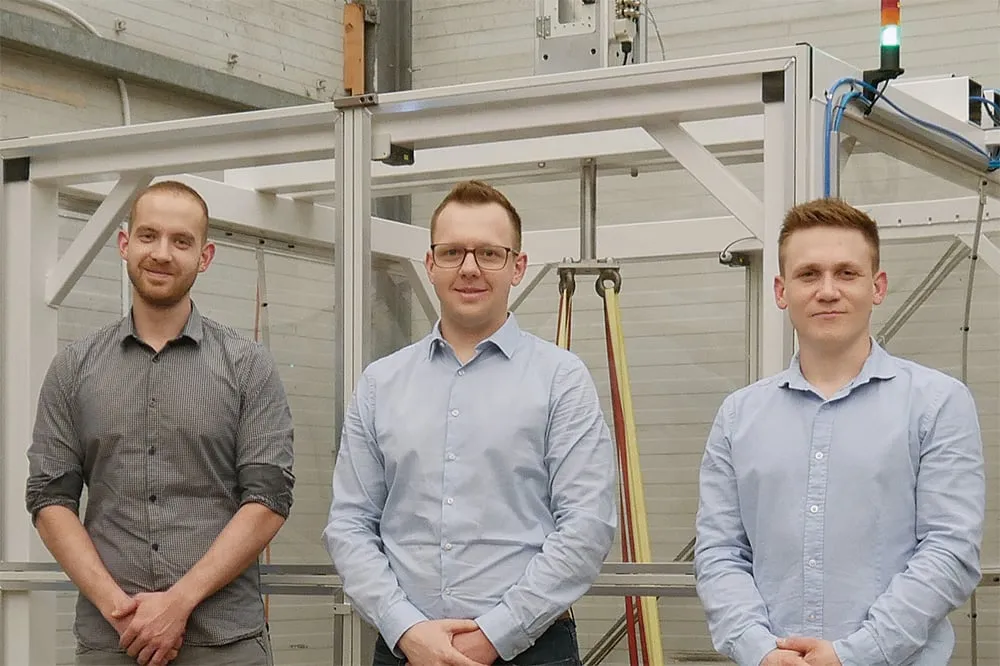
For understandable reasons, manufacturers play it safe when testing wheelchairs. So when three mechanical engineers were commissioned by the renowned company Meyra to develop a wheelchair test rig, they left nothing to chance. To protect their design, they relied on small shock absorbers from ACE Stoßdämpfer GmbH.
Three students at the Felix-Fechenbach-Berufskolleg in Detmold, Germany, decided to work closely with MEYRA GmbH as part of their final project. The company is one of the world’s leading manufacturers of high-quality wheelchairs and has also made a name for itself as a supplier of rehabilitation aids. In this way, MEYRA helps many people with disabilities around the world achieve greater mobility and independence. Ongoing dialogue with users and experts in medicine, therapy and healthcare, as well as close collaboration with specialist medical retailers, makes it possible to develop practical products of this kind.
MEYRA’s practical approach appealed to the students. One of them, Tobias Ridder, works as an engineer in the wheelchair manufacturer’s custom production department. Together with Arne Hankemeier and Julian Raimann, he developed a wheelchair drop-test rig as his final project, primarily to test the load capacity of new models.
High load capacity required
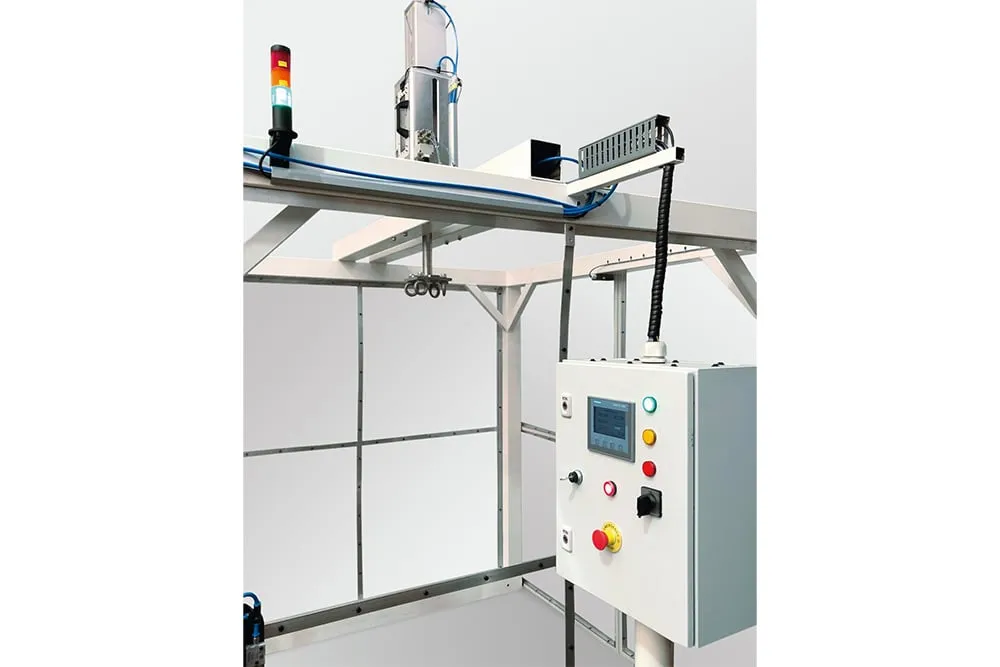
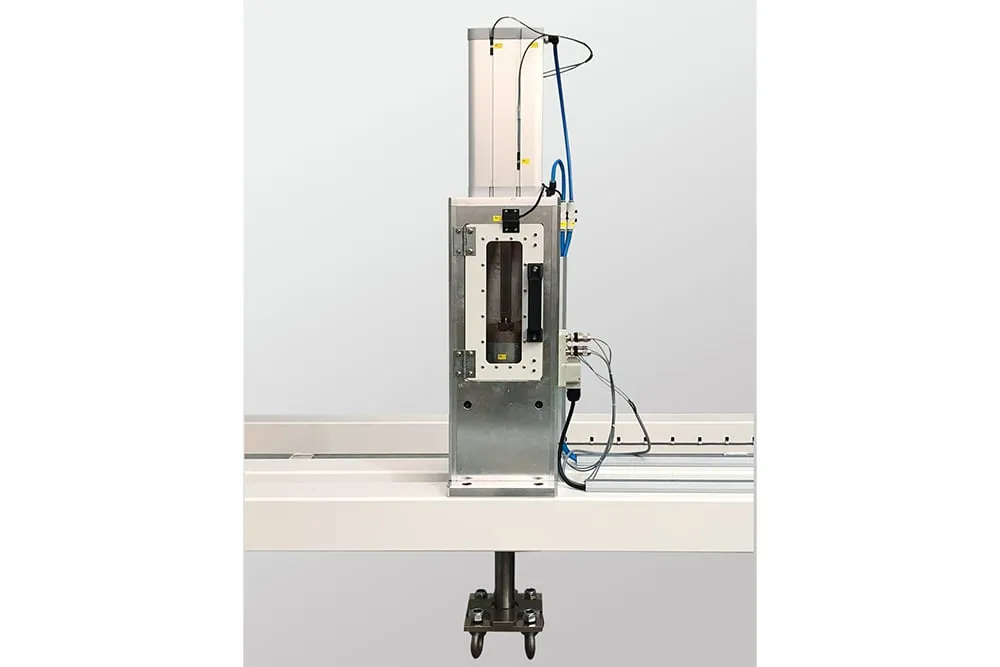
The test rig is designed so that each wheelchair under test is loaded to the maximum permitted weight and driven onto the rig. The wheelchair is then lifted pneumatically by a gripper. Once it reaches a predetermined height, it is dropped. The three engineers considered fitting shock absorbers to damp the force on the lifting mechanism’s impact plate and protect the structure as a whole. After all, the aim was not only to demonstrate the stability of the wheelchairs, but also to show that the test equipment was robust and would not need repairs after just a few cycles. Another argument for the hydraulic damping elements was that their linear characteristics prevent rebound. This ensures that the already time-consuming drop test does not take even longer. “Thanks to a presentation by ACE Stoßdämpfer GmbH, which we were able to attend as part of our lessons, we knew that shock absorbers were suitable not only in terms of their damping properties, but also because they make tests faster than, for example, damping with steel springs or rubber buffers,” Hankemeier recalls. Since potential applications can be calculated at any time on ACE’s website, and suitable dampers can be ordered directly, the student team contacted ACE in Langenfeld, Germany. ACE’s sales engineers not only confirmed the students’ calculation data, but also supplied them with four small shock absorbers free of charge. ACE has been working this way for years, as the damping specialist knows from experience that such collaborations often lead to innovative solutions and even new product series. After all, both wheelchair manufacturer MEYRA and ACE share the same goal: advising and supporting customers so they can do as much as possible independently.
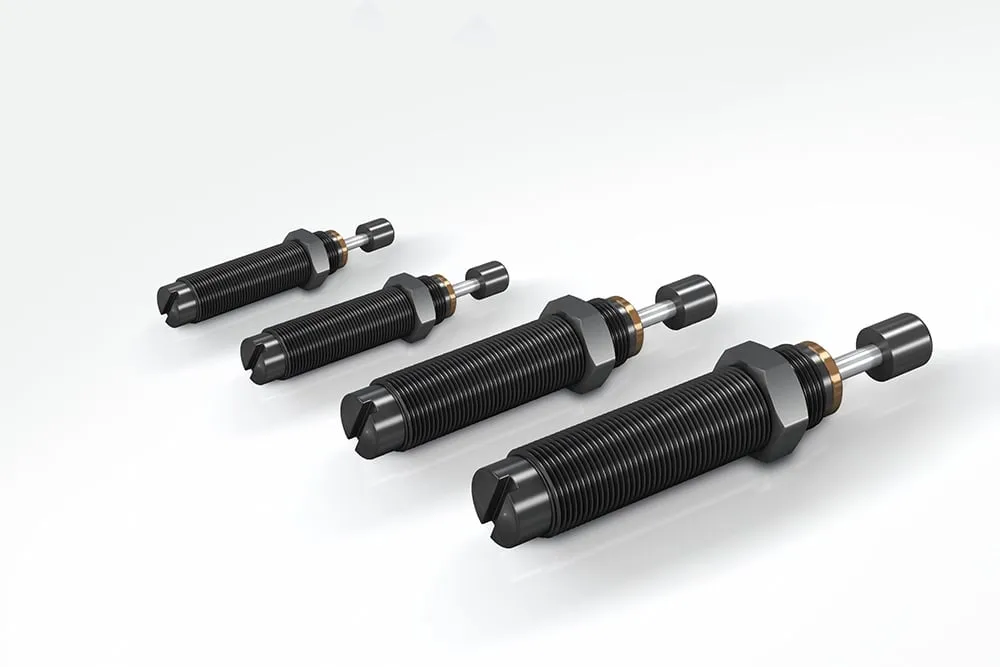
Hydraulic damping elements as problem-solvers
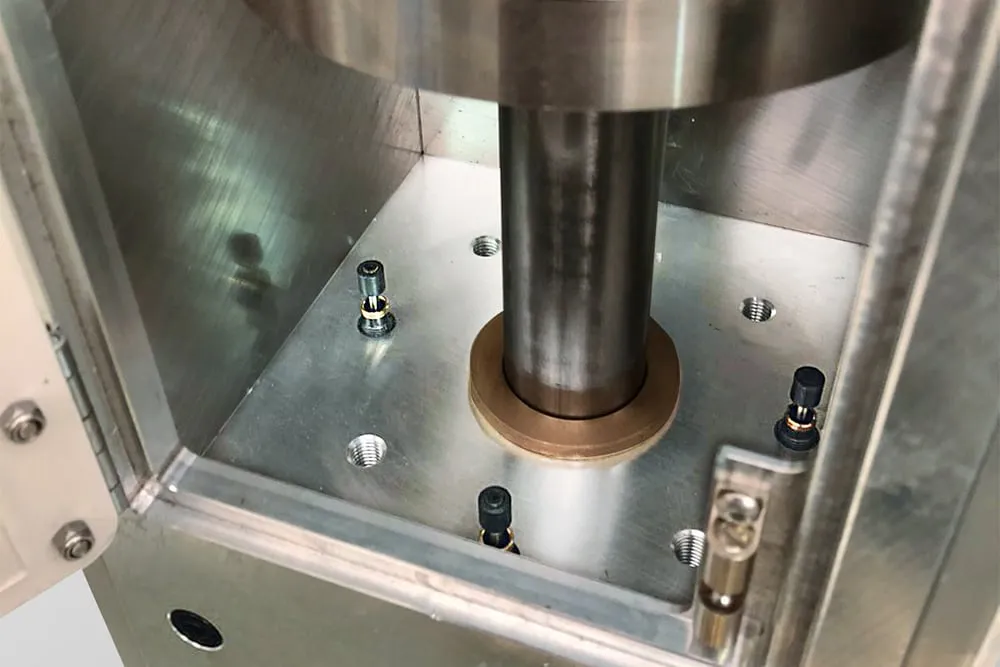
Once the team had received the four small shock absorbers, type MC25EUM, work progressed quickly: thanks to their compact design, the hydraulic components can be integrated rapidly into existing structures. The dampers are available with or without a rolling diaphragm and optimise a wide range of machines by decelerating moving masses quickly and without damage. Customers can choose between adjustable and self-adjusting versions. The students opted for self-adjusting types. The dampers’ solid housing is made in one piece and filled with temperature-stable oil. They also have an integrated fixed stop. The machine components are maintenance-free. The models used are suitable for energy absorption of 2,8 Nm/stroke, with a stroke of 6 mm. Integrating the four ACE components was ultimately a piece of cake, says Hankemeier. “Using the fine thread, we were able to adjust the damper precisely and, thanks to the lock nut, keep it exactly in the preset position. The dampers reliably, quietly and quickly absorb the permitted load and fully serve their purpose. A large load can be decelerated over a small area almost silently and without rebound.
Have a business enquiry for ACE Stoßdämpfer GmbH? Get in touch
Companies in this story

Keep following this
Get an email when a new story is published. No account needed.
- SubjectNews
- CompanyACE Stoßdämpfer GmbH







