












Digitalisation projects pose major challenges for SMEs
Text Bavo BoutsenImage Flanders Make, imec & EDM
For Belgium’s manufacturing industry to have a future, it needs to become even more efficient. Embracing digitalisation and innovative, smart technologies is more important than ever. But the difficult economic climate makes large, complex investments far from straightforward. The technology sector is therefore working to lower the barriers facing manufacturing as much as possible.
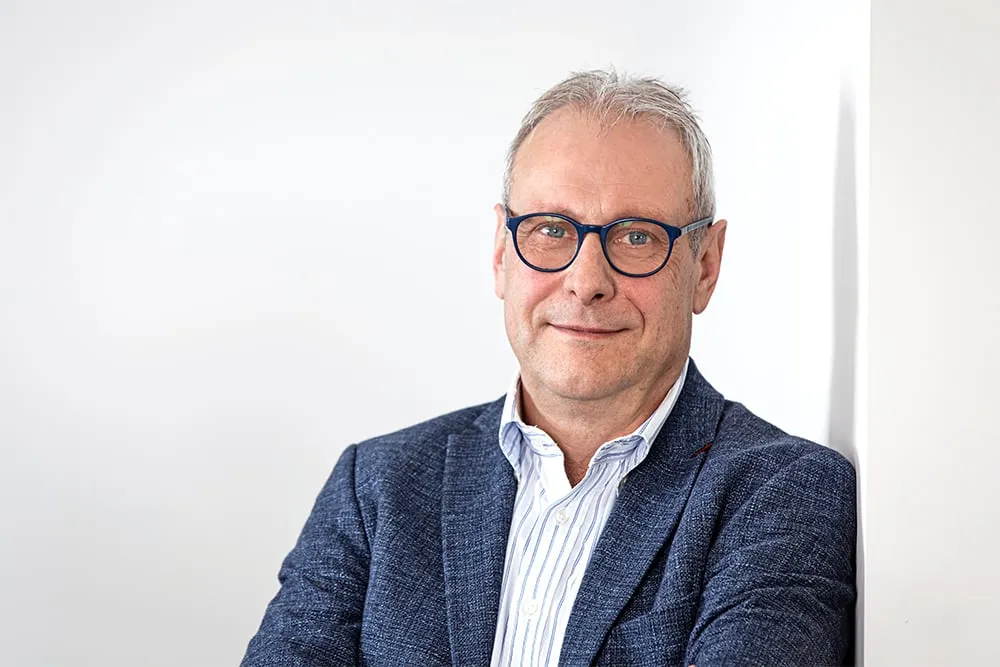
Flanders’ manufacturing industry is rapidly embracing digitalisation. A survey conducted last year by strategic research centre Flanders Make found that the digital maturity of Flanders’ manufacturing industry had improved noticeably since 2019. “Even so, we need to accelerate growth further. Many companies, especially SMEs, still have no digitalisation plan or strategy. There is a huge gap between large and small companies,” says Ger van den Kerkhof, project leader at Flanders Make.
A critical moment
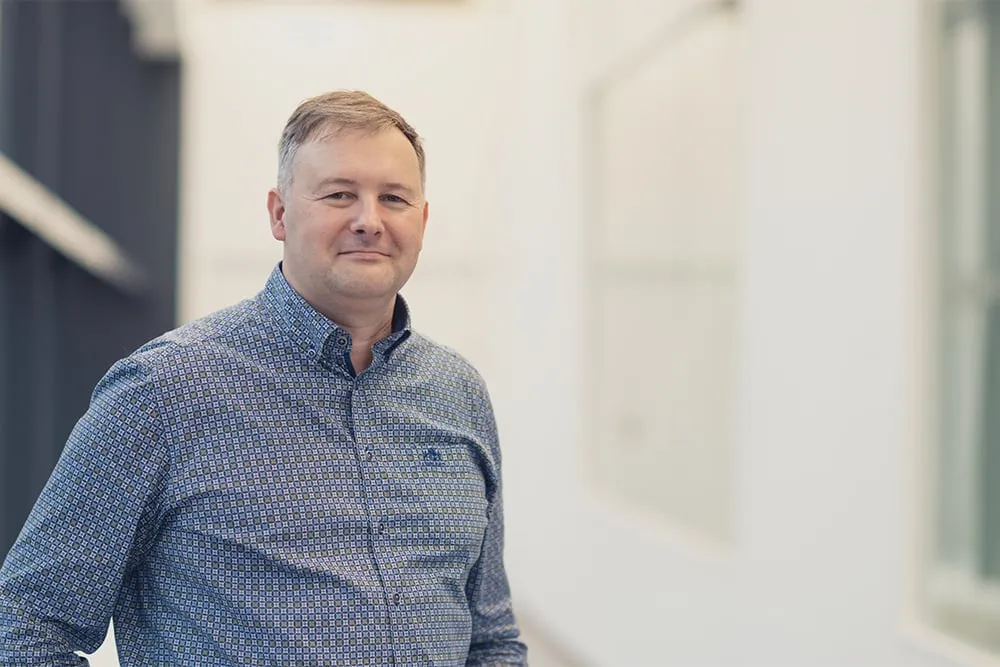
At the same time, SMEs in manufacturing are under considerable pressure because of the difficult economic climate facing industrial companies. This is due to inflation and competition from low-wage regions. “As a result, SMEs are less keen to invest in digitalisation projects. What’s more, people in Flanders tend to be somewhat more risk-averse by nature,” says Kris Van de Voorde, business program manager at imec.
So while accelerating the pace is essential, SMEs face a host of factors that can slow them down. “If we want to keep manufacturing in Belgium, we need to start thinking now about ways to produce more cheaply and on a larger scale. That starts with the design of your products, with a view to automated production,” explains Geert Willems, head of the Electronics Design and Manufacturing Forum (EDM), an imec initiative to develop quality electronics that are easier to manufacture and promote their integration into smart products and machines.
Factory of the Future
Operators are crucial to this whole story, too. “It all depends on having a well-trained workforce. Everyone working in the digitalised environment needs to be on board. That’s precisely why imec and Flanders Make are currently running a pilot project to examine the cognitive and operational support available to operators,” adds Van de Voorde.
That is also the message behind the Factory of the Future label. This recognition, awarded annually by technology federation Agoria and expertise centre Sirris, honours companies that successfully carry out a digital transformation while also taking the human factor into account. “What is still too little understood is that Industry 4.0 affects the entire company. It builds on the existing human and technological reality and makes better use of it,” says Van den Kerkhof.
The technology sector is therefore actively working to raise awareness. “It’s important to us that SMEs find their way to us. So we make a point of being present on the ground, at trade fairs such as Indumation and Advanced Engineering. We also facilitate contacts through our own major events, such as the annual Flanders Make Symposium and Imec Technology Forum,” explains Kris Van de Voorde.
European and green drivers
Facilitating the strategic benefits of digitalisation is also the aim of the DIGITALIS project, coordinated by Flanders Make. “Several research and education institutions are joining forces to secure the future of manufacturing,” says Ger van den Kerkhof. “Together, we’re working to lower the barriers to digitalisation for SMEs. We encourage them to invest in digital technologies, offer training and help them find the right funding. The technologies we offer range from robotics to AI, as well as basic knowledge of designing and manufacturing the electronics that form the hardware platform.”
Companies interested in this can attend a free inspiration session and, through DIGITALIS,
also benefit from a European discount on investments. The EU’s role is growing in this area, too. “Just think of the growing number of rules requiring companies to report on sustainability. In practice, these force manufacturers to review their operations and look for efficiency gains. That inevitably leads to digitalisation and the adoption of new technology,” concludes
Kris Van de Voorde.
Question about this story? Ask your question
Companies in this story
Keep following this
Get an email when a new story is published. No account needed.
- ThemeData from shop floor to decision
- SubjectNews
- CompanySirris







