












Condition monitoring: a win-win for machine builders and end users
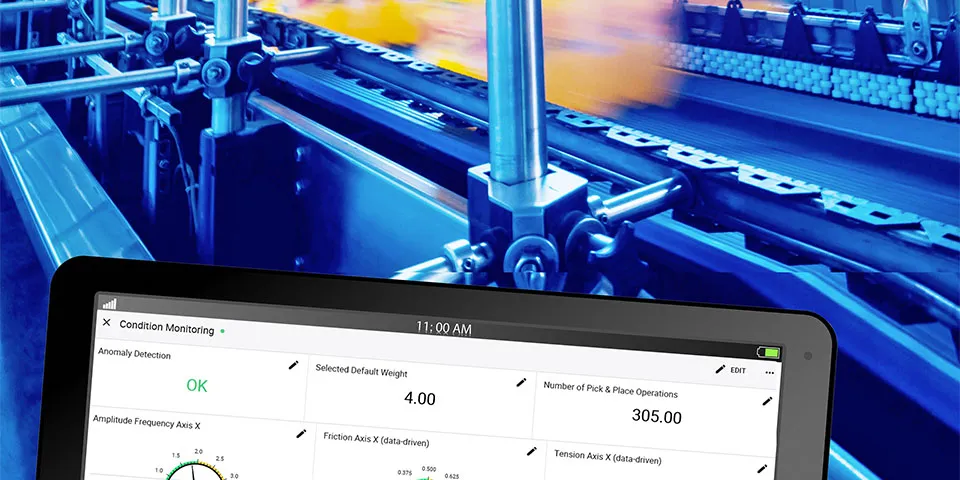
Companies want to make the move to predictive maintenance. But before you can predict when faults will occur, you need a clear picture of how your machine is operating. In other words, condition monitoring. Lenze says there is no need to integrate additional, expensive sensor technology. It turns the drive itself into the sensor, enabling machine builders to become data scientists for their own machines.

Stefan van Dooren, Technical Account Manager Systems & Digital at Lenze
Every machine builder is now looking at how to obtain the data needed to assess the condition of their machines. According to Stefan van Dooren, Technical Account Manager Systems & Digital at Lenze, there are several reasons for this. “Cost savings, of course. It’s the way to achieve remote maintenance. But understanding how a machine operates is also essential for optimising life cycle management.” Van Dooren is convinced that the growing interest in condition monitoring will gain further momentum as a result of the coronavirus pandemic. “Companies are now looking to accelerate the integration of digital technology so they can work remotely. Lower turnover may, of course, put a brake on investment. But, where possible, they want to invest now to be ready for the future. The pandemic has also given them some breathing space to consider what innovations are needed.”
The challenge is to implement condition monitoring without incurring higher hardware costs. The trick is to extract added information value from data sources that are already available.
The drive becomes the sensor
End users are also pressing machine builders to develop their expertise in condition monitoring. They see it as the best way to increase the availability and performance of their machines. “The challenge is to achieve this without incurring higher hardware costs. The trick is to extract added information value from data sources that are already available.” That is why Lenze turns the drive into the sensor. All the information needed to track how a machine changes over time can be found there: torque, speed, inertia, elasticity … And adding machine learning and artificial intelligence algorithms makes a wealth of information available.” Exactly which data is needed depends very much on the application and the customer. Cooperation between the machine builder, end user and manufacturer is therefore the best guarantee of the highest possible ROI.
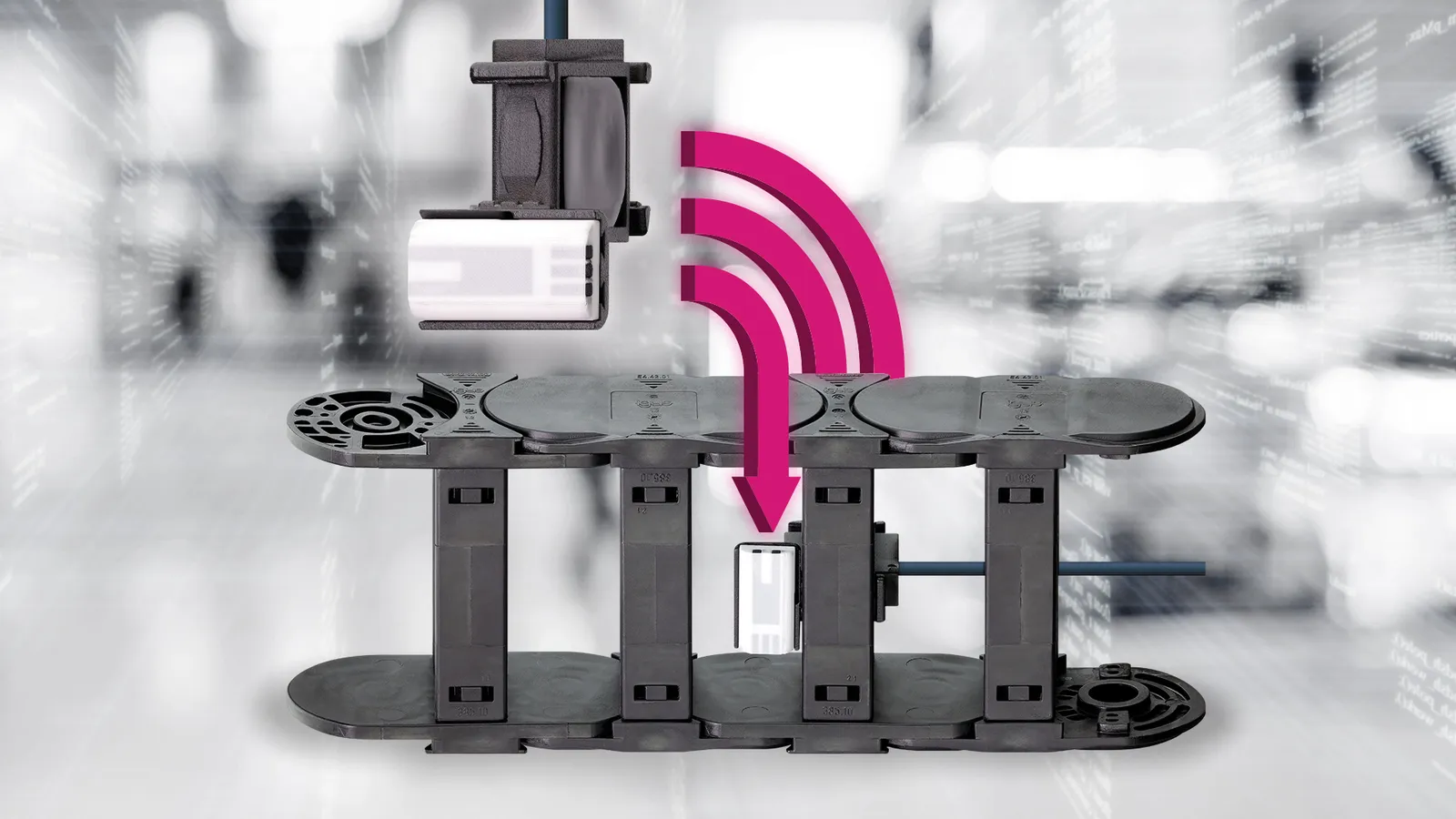
Lenze turns the drive into the sensor.
All the information needed to track how a machine changes over time can be found there.
Brainware makes the difference
Software is what will deliver most of the added value. Lenze began laying the groundwork for this 20 years ago. “Condition monitoring requires the integration of operational technology (OT) and information technology (IT). For example, we developed the x4 platform to bridge the gap: an open, ready-to-use cloud solution for condition monitoring, remote maintenance and asset management. This evolution has greatly broadened the field of expertise, making the manufacturer’s role in providing the right support more important. That is why we also add a degree of brainware to our components. Customers can benefit from the wealth of experience and knowledge we have already built up in this area. We sit down with them in advance to find out which pain points they want to identify, what hardware is needed to extract the right information, and what software can process that data into information of immense value. We bring together expertise in drives, automation and digitalisation,” concludes Van Dooren.
Question about this story? Ask your question
Companies in this story

Keep following this
Get an email when a new story is published. No account needed.
- ThemeFrom design to flexible machine
- SubjectNews
- CompanyLenze BV







