












“Complacency is Europe’s biggest energy risk”: Schneider Electric calls on the EU to accelerate energy efficiency and electrification
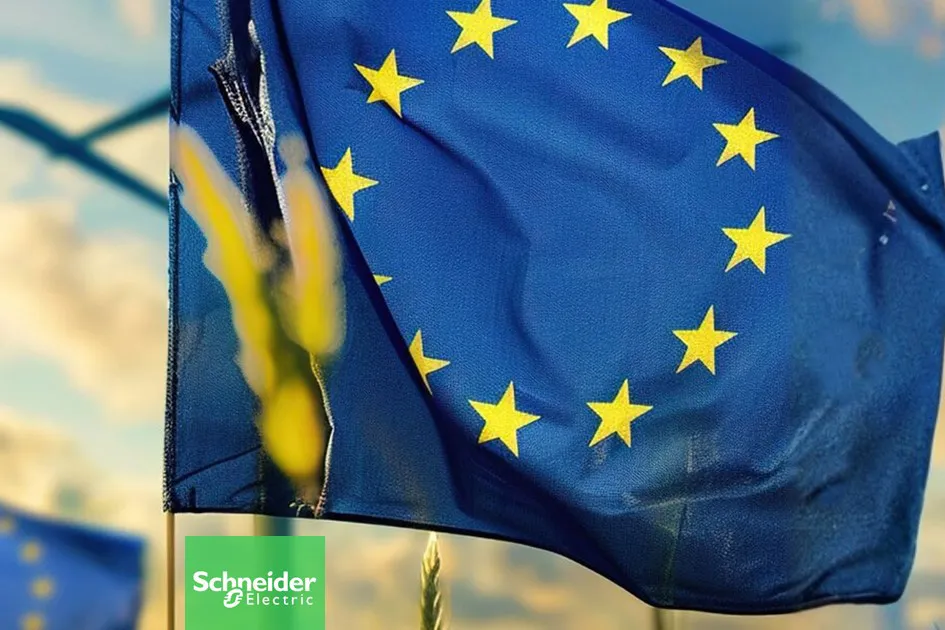
Schneider Electric, a global leader in energy technology, is calling on the EU to urgently accelerate energy efficiency and electrification in Europe. The company says this is the only scalable, locally available and resilient response to continued volatility in energy prices.
- The company welcomes the existing measures, but calls on the EU to make greater use of energy efficiency and electrification to build resilience in an uncertain energy landscape.
- Schneider Electric is calling for targeted financial support and incentives to help businesses take energy-saving measures quickly.
- The company is calling for an end to the outdated energy tax system, which still favours fossil fuels over clean alternatives and energy efficiency solutions.
With global energy prices expected to rise by 24% this year, the biggest increase since 2022, Europe is particularly vulnerable, with energy costs typically two to four times higher than in other major regions. Against this backdrop, Schneider Electric is urging policymakers to stop treating energy efficiency and electrification as ‘extra’ climate measures, and instead recognise them as the only scalable, home-grown energy measures. Accelerating their uptake could deliver at least by 2040 €250 billion in savings per year, reducing energy demand, cutting dependence on fossil fuels and strengthening competitiveness.
Europe remains structurally vulnerable: the EU still depends on imports for almost 60% of its energy, which amounted to 336.7 billion in costs in 2025. As a result, households, industry and public services remain exposed to volatile global fossil fuel markets and geopolitical fluctuations. According to Schneider Electric, energy efficiency and electrification on the demand side can be rolled out quickly and also deliver rapid returns. They therefore provide immediate relief while accelerating the transition to a stronger, more energy-independent system.
Schneider Electric is calling on the European Commission and Member States to prioritise five policy measures:
- Implement energy efficiency solutions with short payback periods
Schneider Electric is calling for support measures and incentives to help businesses scale up proven energy-efficient solutions more quickly and cut their energy use within just a few months.
- Buildings: Interest-free loans to support the wider rollout of smart controls and building energy management systems. These can optimise heating, cooling, ventilation and lighting in real time, lowering energy bills in the short term and improving readiness for electric heating and demand response. This could reduce total EU energy consumption by 5-6%
- Industry: targeted support, particularly for SMEs, to scale up energy management systems and low-cost or no-cost efficiency measures. Such measures can deliver energy savings of up to 30% over time and also provide the foundation for further digitalisation of production processes.
2. Rapidly and rigorously implement existing EU legislation on energy efficiency and buildings
The Energy Efficiency Directive (EED) and the Energy Performance of Buildings Directive (EPBD) must be fully implemented to deliver short-term benefits in response to the energy crisis. The focus should be particularly on:
- Rapidly rolling out Building Automation and Control Systems (BACS) under the EPBD. These systems can deliver annual final energy savings of 450 TWh, avoid 64 million tonnes of CO₂ emissions and cut energy bills by €36 billion.
- Tightening energy audits under the EED by requiring businesses to act on their recommendations. The initial focus should be on SMEs, supported by leasing arrangements and financing models such as energy-as-a-service.
3. Accelerate electrification with targeted incentives
Although more and more renewable electricity is being generated, a large share of energy use on the demand side still does not run on electricity. As long as people drive petrol cars and heat homes with gas, Europe will remain dependent on imported energy and volatile prices.
Faster electrification enables more effective integration of renewable energy and reduces exposure to fossil fuel price volatility. It can also help reverse the years-long stagnation in electrification in Europe, which, at 21%, still lags 10% behind China, where electrification is advancing rapidly. Schneider Electric is therefore calling for:
- A major acceleration in the rollout of heat pumps (which are 3-5 times more efficient than gas boilers), with a target of one million installations per year by 2030. This requires support measures to lower the upfront cost barrier, for example through social leasing schemes.
- Faster electrification of transport through targeted measures, including incentives to accelerate the electrification of company fleets and help expand the second-hand electric vehicle market.
4. Use taxation and financing to encourage the shift from fossil fuels to clean electricity
Schneider Electric is calling on policymakers to make electrification more economically attractive by:
- Cutting taxes on electricity, for example through lower VAT and excise duty rates, to narrow the price gap between electricity and gas.
- Making public funding more accessible and targeting it more effectively at energy efficiency and electrification, including through the Recovery and Resilience Facility and ETS revenues.
- Limiting temporary support measures that cap or subsidise gas prices in scope and duration as much as possible, because they delay investment in clean energy.
5. Promote self-generation, flexibility and smart grids to lower energy bills
Schneider Electric is calling for barriers to be removed and incentives introduced for flexibility, storage and digitalisation, so that peak demand and system costs can be reduced. Priorities include: Priorities include:
- Enabling flexibility in buildings and industry through rooftop solar panels, storage and digital controls, and supporting demand response.
- A faster, higher-quality rollout of smart meters, focused on functionality, real-time access and interoperability, with priority given to large commercial buildings, industry and electric vehicle charging.
- A more digital electricity grid and smarter network planning, including support for technologies that improve grid capacity, outcome-focused KPIs and tariff structures that reward peak reduction and grid-friendly energy use.
Laurent Bataille, Executive Vice President Europe Operations at Schneider Electric: “The call on policymakers to prioritise energy efficiency and electrification is just as relevant today as it was four years ago. The solutions have not changed. Yet in that time, Europe has gone from one energy crisis to the next, without making the progress needed to protect itself from the price shocks and soaring energy costs that leave businesses, households and industry so vulnerable. Complacency is Europe’s biggest energy risk. Plans to subsidise energy costs are little more than sticking plasters and are inadequate in the long term. Europe needs structural change that encourages the adoption of clean technology solutions, so that businesses and households can make their energy use sustainable for the long term. We need policies that promote an energy system built in Europe and for Europe, with less dependence on volatile markets, better access to clean, reliable energy and a strong competitive position for Europe.”
Een zakelijke vraag aan Schneider Electric? Get in touch
Companies in this story
Keep following this
Get an email when a new story is published. No account needed.
- SubjectNews
- CompanySchneider Electric







