












Closing the ‘legislative gap’ for product-service combinations
Text and images Steunpunt Circulaire Economie
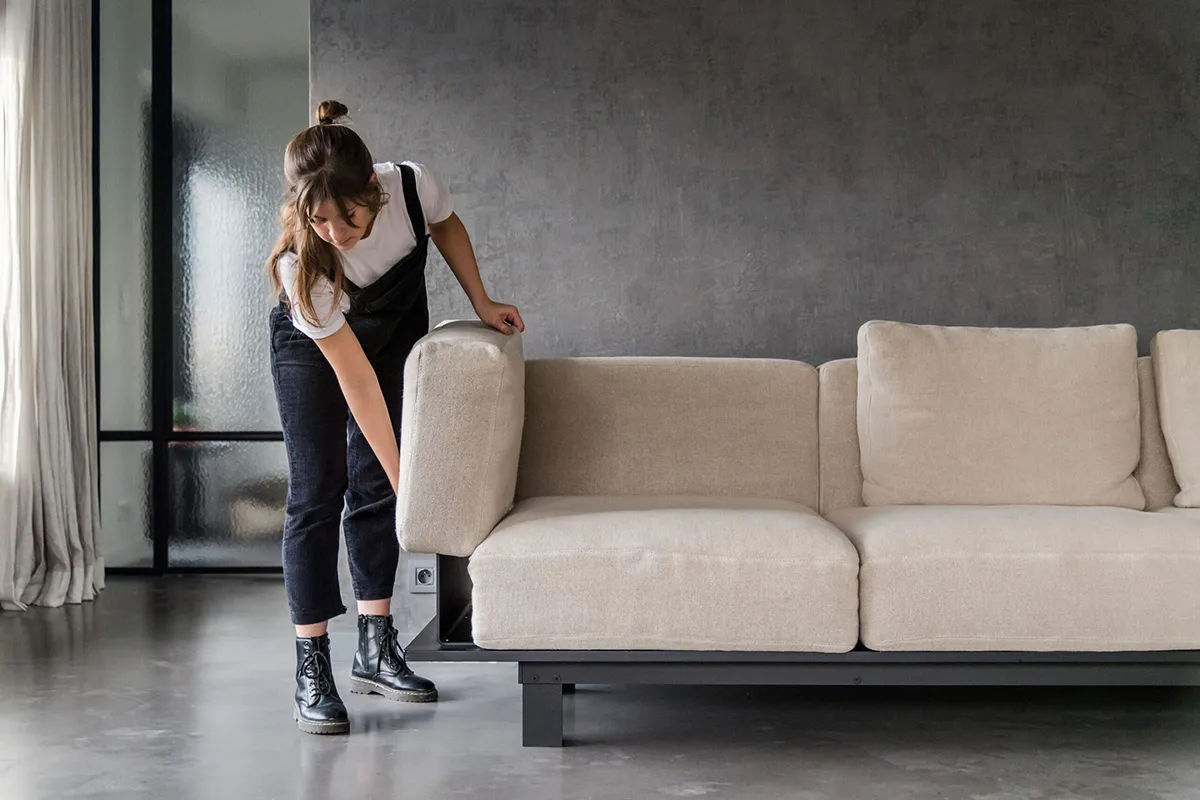
In a circular economy, which Flanders is now fully committed to, a product-service system is a promising business model. The seller always retains ownership of the product, while the customer uses it as a ‘service’. Service providers often run into problems because the framework for ‘product as a service’ is not clearly defined. Until now, there have been no clear guidelines for setting out this business model in a contract. A new study by KU Leuven, carried out as part of the Steunpunt Circulaire Economie, is changing that.
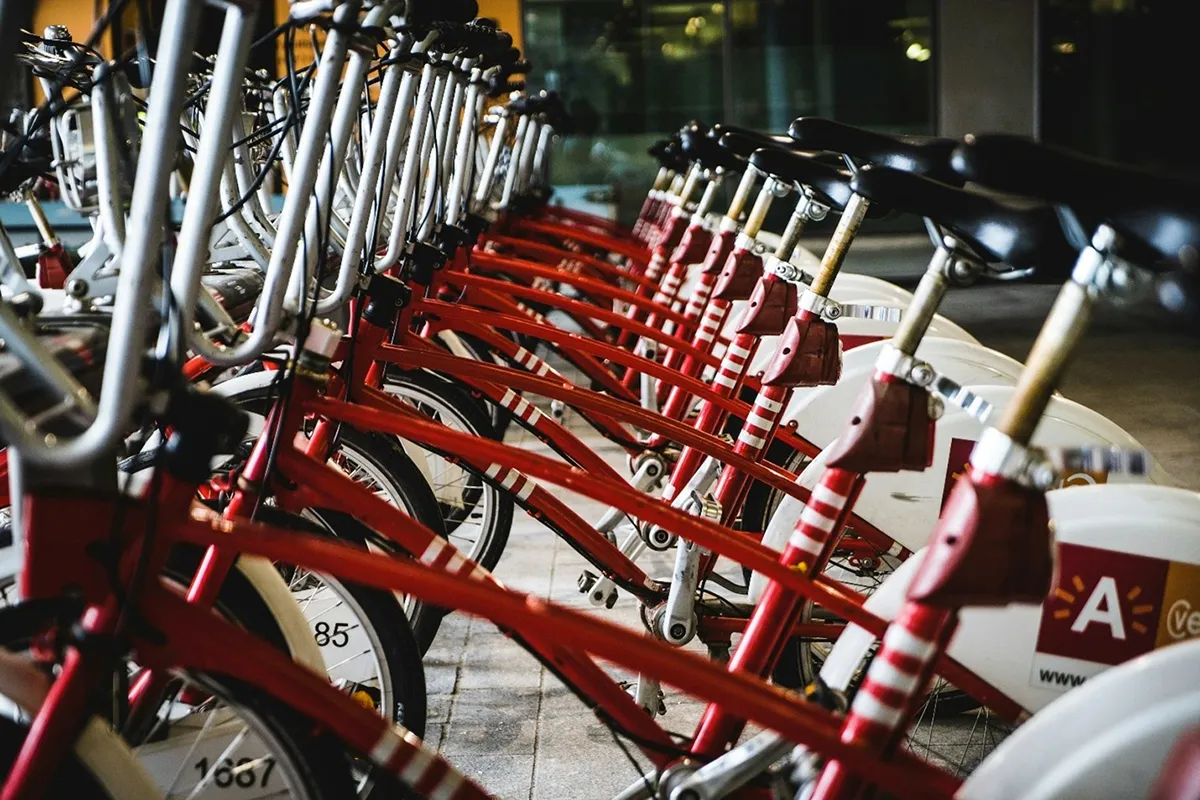
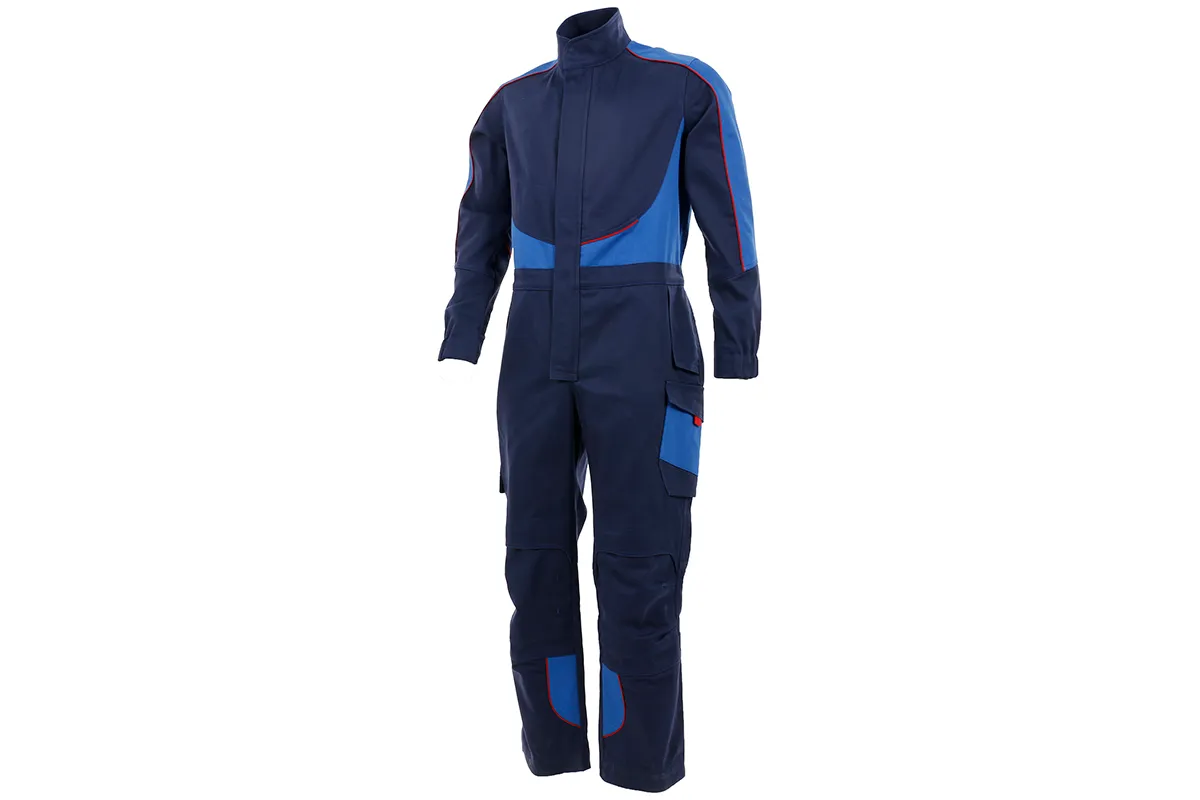
A circular economy focuses on minimising waste and materials, and keeping products in use in the economy for as long as possible, to the greatest extent possible and at the highest possible quality. A product-service system is an alternative to the traditional business model, in which customers buy a product from a company and then enjoy its benefits as owners. A product-service system, also known as ‘product as a service’, works differently. The company provides the benefits of a particular product, often together with a range of additional services, without the customer actually owning the product. Car-sharing and bike-sharing are familiar to the general public, but other models are also gaining ground, such as ‘light as a service’ and ‘workwear as a service’. Jo Van Landeghem, Sustainability and Education Manager at Alsico Group: “At Alsico, we have been working according to the ‘product as a service’ model for years. We make clothing tailored to the needs of laundries, which then rent it out to the many end users. At the end of its useful life, we take our clothing back ourselves so that the garments can be put to the greatest possible use in new textile applications.”

Shift towards shared use
‘Product as a service’ is gaining popularity. Brigitte Mouligneau, transition manager at Vlaanderen Circulair, has noticed this too: “Renting and sharing are at the heart of the circular economy. By making greater use of new business models such as ‘product as a service’, we can avoid using materials unnecessarily. That is why Vlaanderen Circulair is a co-organiser of the Green Deal Huren en Delen, an initiative by Wij delen and Vlaanderen Circulair, supported by VLAIO’s Living Labs grant. More than a hundred organisations active in the rental and sharing market are already working together towards this clear mission: to make the shift to shared use of products, choosing to rent or share high-quality products in combination with good maintenance.”
Obstacles
In the absence of specific legislation governing such systems, however, it can be difficult for those interested to know what they may, can and must agree with one another. A survey of a number of companies found that they encounter the following problems:
- What if one of the customer’s visitors uses the sofa carelessly and damages it? Does the customer then pay the service provider for the repair costs?
- What if the customer terminates the contract and the light fittings cannot simply be removed from their home? Can the customer then become the owner?
- What if the customer wants to get hands-on and repair the washing machine themselves? Can the service provider prohibit this to protect the machine?
- What if the heating equipment needs regular maintenance? Can the service provider simply keep turning up at the customer’s door to carry it out?
- What if the customer considers it important for the service provider to reuse the television for another customer once the contract ends? Can the customer require the service provider to do so?
A menu of clauses to choose from
KU Leuven has now produced a practical, user-friendly report containing ‘model clauses’ that the growing number of product-service system providers can use with ease. For Q-Lite, which offers ‘displays as a service’, these model clauses are very welcome: “Good agreements make good friends. It was not always easy to draw up the right legal clauses. A kind of menu that lets you pick out provisions suited to your specific business will certainly make ‘product as a service’ much more accessible. At Q-lite, for example, we spent a long time looking for suitable clauses to guarantee the continuity of our services and product updates over fifteen years in the contract,” says Jeroen Raeijmaekers, Q-Lite Business Developer Sustainability. Nele Vlaeminck, founder of Sofar, agrees: “We would like to offer our sofas to businesses as a service, but at the moment we are not sure how to include the right clauses in this type of business model. This report gives us the right tools to make good agreements with customers who want our ‘sofa as a service’.”
Further uptake of ‘as a service’ models
The collection of clauses is also free to use and available on the Vlaanderen Circulair website (www.vlaanderen-circulair.be). The organisation hopes this will encourage companies to make greater use of product-service combinations and help create a more circular economy in Flanders. “Product-service systems can help reduce material consumption and make businesses more sustainable. Companies retain ownership of their products. This gives them an incentive to maintain and repair them as well as possible, and to reuse them as often as possible. Companies are also responsible for ensuring products are processed correctly at the end of their life. We want to encourage this by making it easier to draw up contracts between providers and customers,” concludes Christopher Borucki (KUL), postdoctoral researcher at KU Leuven, who helped develop the model clauses.
Question about this story? Ask your question
Keep following this
Get an email when a new story is published. No account needed.
- SubjectNews







