












Big data generates revenue: a new service model for residential solar energy systems
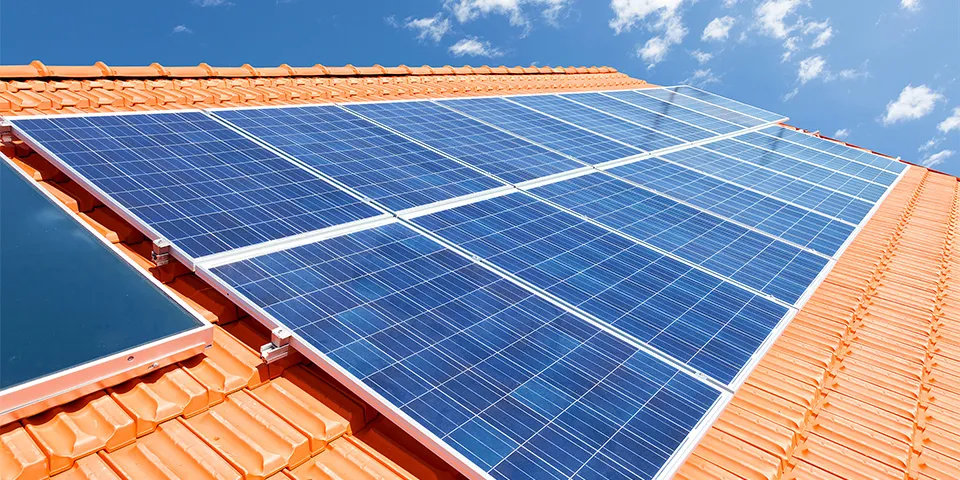
Homeowners today generally buy their solar panels outright. A US solar energy company is proving that there is another way. Under the new Power Purchase Agreement (PPA) concept, the solar energy company invests in installing and maintaining the panels on the homeowner’s roof, while the homeowner buys the electricity they generate. To make this model possible, the company needed an edge-to-cloud solution. Big data, cloud storage and reliable wireless communication are essential to the concept. The US company developed solutions for accurate monitoring and billing using hardware products from Moxa, represented in Belgium by Technolec.
A US solar energy company has developed a highly innovative Power Purchase Agreement (PPA) concept, using big data, cloud storage and reliable wireless communication to make solar energy systems more accessible to the general public and more affordable. “When the company and the homeowner enter into a PPA contract, the company can install a solar energy system on the roof. In return, the homeowner agrees to buy the electricity generated by the solar panels at a fixed rate. The homeowner therefore does not have to buy or maintain the installation, while it provides the solar energy company with an additional revenue stream,” says Karel Mus, general manager of Technolec, the value-added distributor of products and components from companies including Moxa. “To make this partnership run efficiently and smoothly, and to provide the customer with an accurate bill, the supplier needs access to accurate, real-time data. That is why they set out to find an edge-to-cloud solution.”
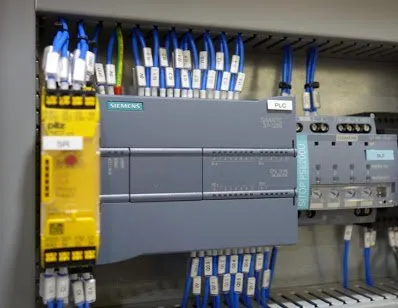
The Power Purchase Agreement model uses Moxa’s UC-8100 series industrial ARM-based wireless DIN-rail computers, with two serial ports and two LAN ports, and its ThingsPro Gateway data acquisition software.
Moxa provides a solution
A reliable network system is essential for monitoring the end user’s energy consumption in real time, and therefore for accurate billing. The solar energy company also needs this real-time data to balance energy supply and demand. This makes IIoT gateways, integrated into the solar energy system, an important part of the project. These IIoT gateways use Modbus communication to receive accurate energy production and consumption figures. The data is then sent over wireless networks to an AWS Cloud with a ready-to-use data acquisition platform. The IIoT gateways enable the solar energy company to collect real-time data on the storage and consumption of many different solar energy systems across a large geographical area. To prevent data loss, the gateways have a failover mechanism that automatically switches network communication to the secondary transmission method, the cellular network, if the primary method, Wi-Fi, fails. “If a fault occurs, the solar energy company can repair the Wi-Fi and, if necessary, adjust settings remotely using its own maintenance applications. RESTful APIs are used for this. Operators can therefore also carry out maintenance using their mobile devices,” Mus adds. “The Power Purchase Agreement model uses Moxa’s UC-8100 series industrial ARM-based wireless DIN-rail computers, with two serial ports and two LAN ports, and its ThingsPro Gateway data acquisition software. The concept is already being well received in the US. Whether it will ever make its way to Belgium depends on the choices our policymakers make in the future.”
Question about this story? Ask your question
Companies in this story
Keep following this
Get an email when a new story is published. No account needed.
- SubjectNews
- CompanyTechnolec







