












Acceleration programme for end-to-end digitalisation with six Flemish manufacturers
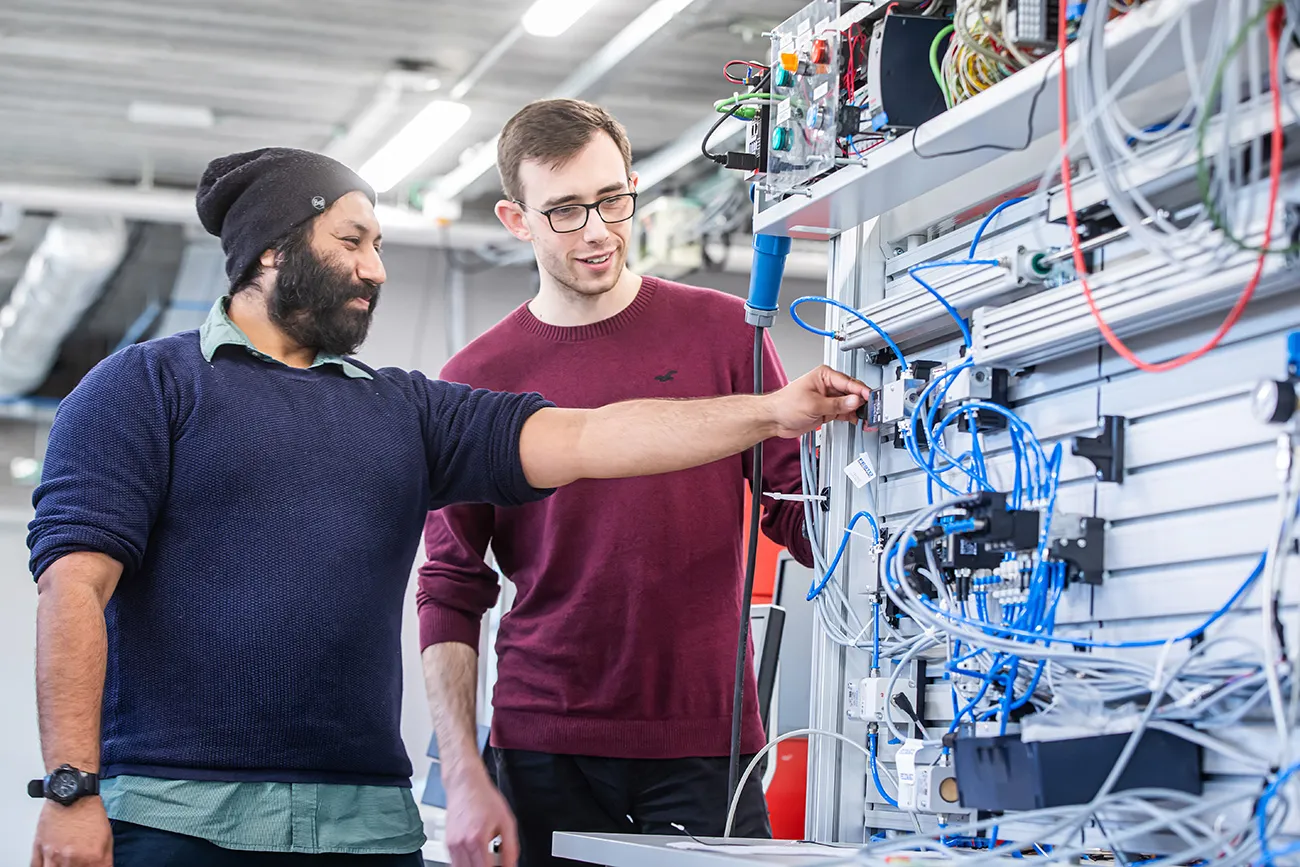
Our manufacturing companies need to invest in automation and digitalisation to grow further and meet the competition. Strategic research centre Flanders Make recently launched an acceleration programme for the end-to-end digitalisation of Flemish manufacturers. Over a five-year period, it will support six companies from different sectors, Vandewiele, Picanol, Atlas Copco, CNH, Crop’s and Sabca, as they fully and sustainably digitalise their production. We spoke to Flanders Make CEO Dirk Torfs about the project and the benefits it offers companies.
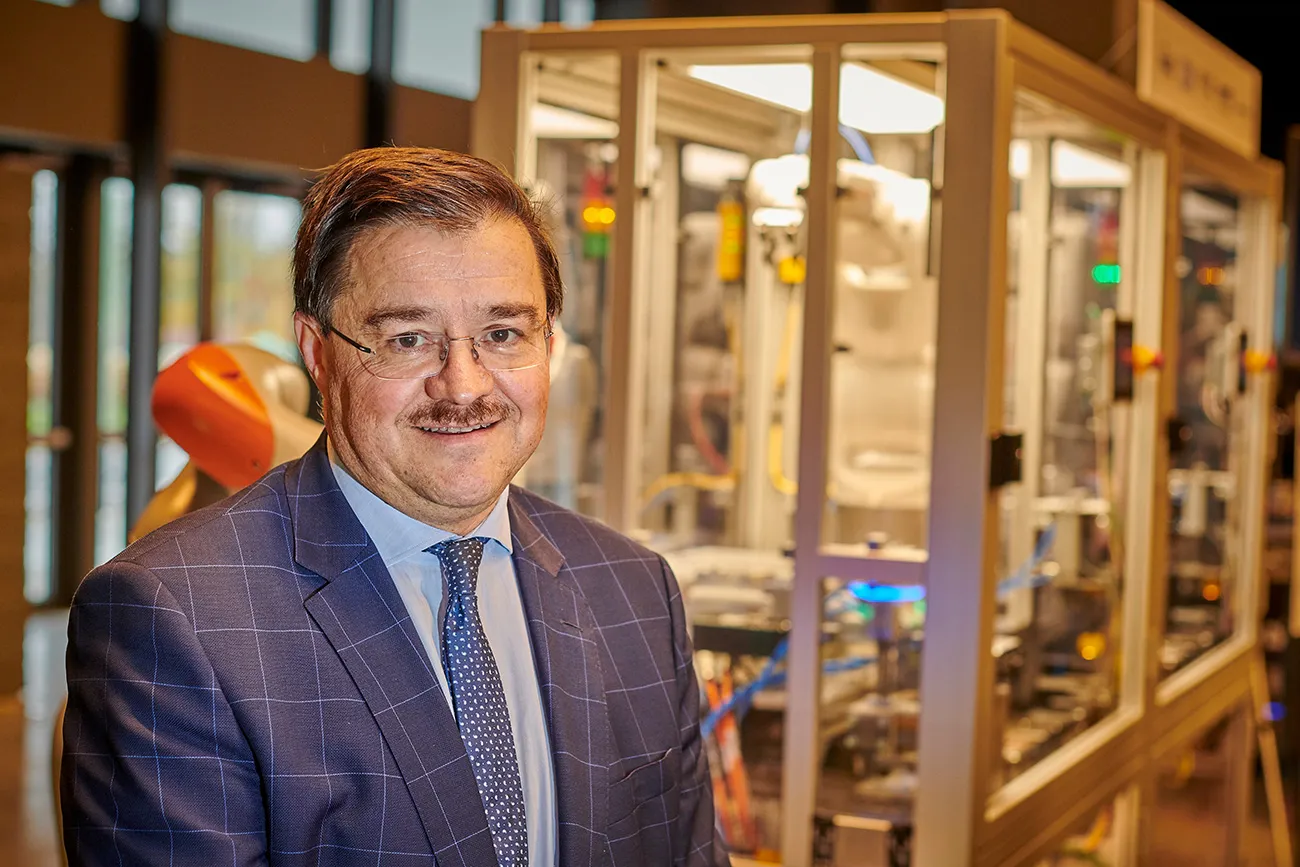
What is Flanders Make and what does it do?
“We are a strategic research centre for the manufacturing industry and for industries facing manufacturing challenges. From our sites across Flanders, we promote open innovation through high-quality research. SMEs and large companies can also work with us on tailored innovation. We support them with feasibility studies, product design and improvements to production processes, and advise them on new technologies and their implementation. Finally, the manufacturing industry can use our testing and validation infrastructure.”
“Ultimately, we aim to contribute to industry-driven, pre-competitive technical research into the vehicles, machines and factories of the future. We also focus on international innovation partnerships and participation in European research projects. To that end, we have co-creation centres in Lommel, Leuven and Kortrijk, the Droneport Campus in Sint-Truiden, and twelve core labs at five Flemish universities (Leuven, Antwerp, Hasselt, Ghent and Brussels). The drive to innovate runs through everything we do. First, this research leads to practical applications for the companies taking part in the project. Ultimately, the results are also shared with other companies, helping them take the next step too.”
What does this new project involve, and what is your role?
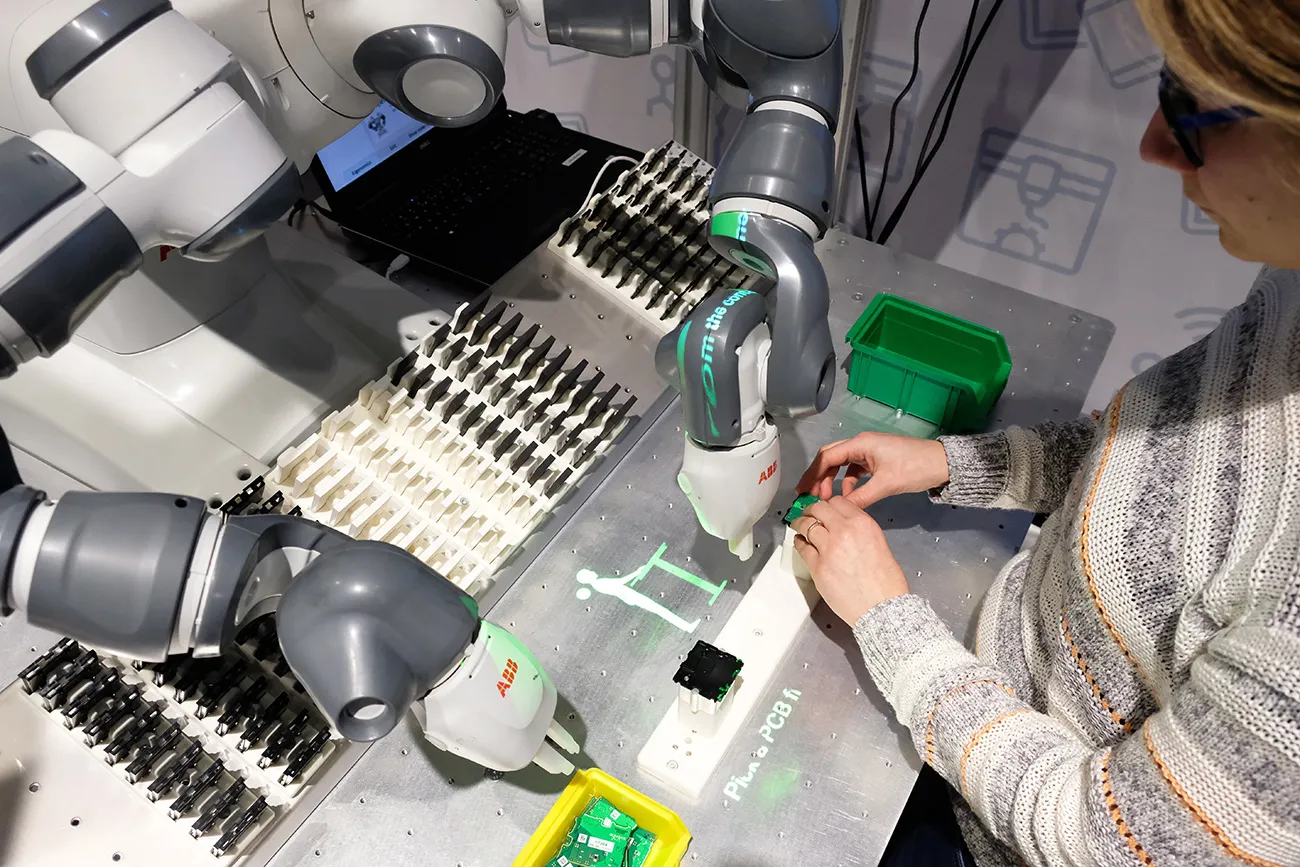
“As part of Flanders’ contribution to the European resilience programme, we launched an acceleration programme for end-to-end digitalisation together with six leading Flemish companies. End-to-end digitalisation goes beyond so-called silo automation, which usually addresses just one aspect of the production chain. Here, all processes are aligned, from product design to production control, across the entire chain from supplier to customer. Over the next five years, we will act as a catalyst for this far-reaching business transformation. In doing so, we are also supporting the Flemish government’s ambition to become an innovation leader among Europe’s top regions.”
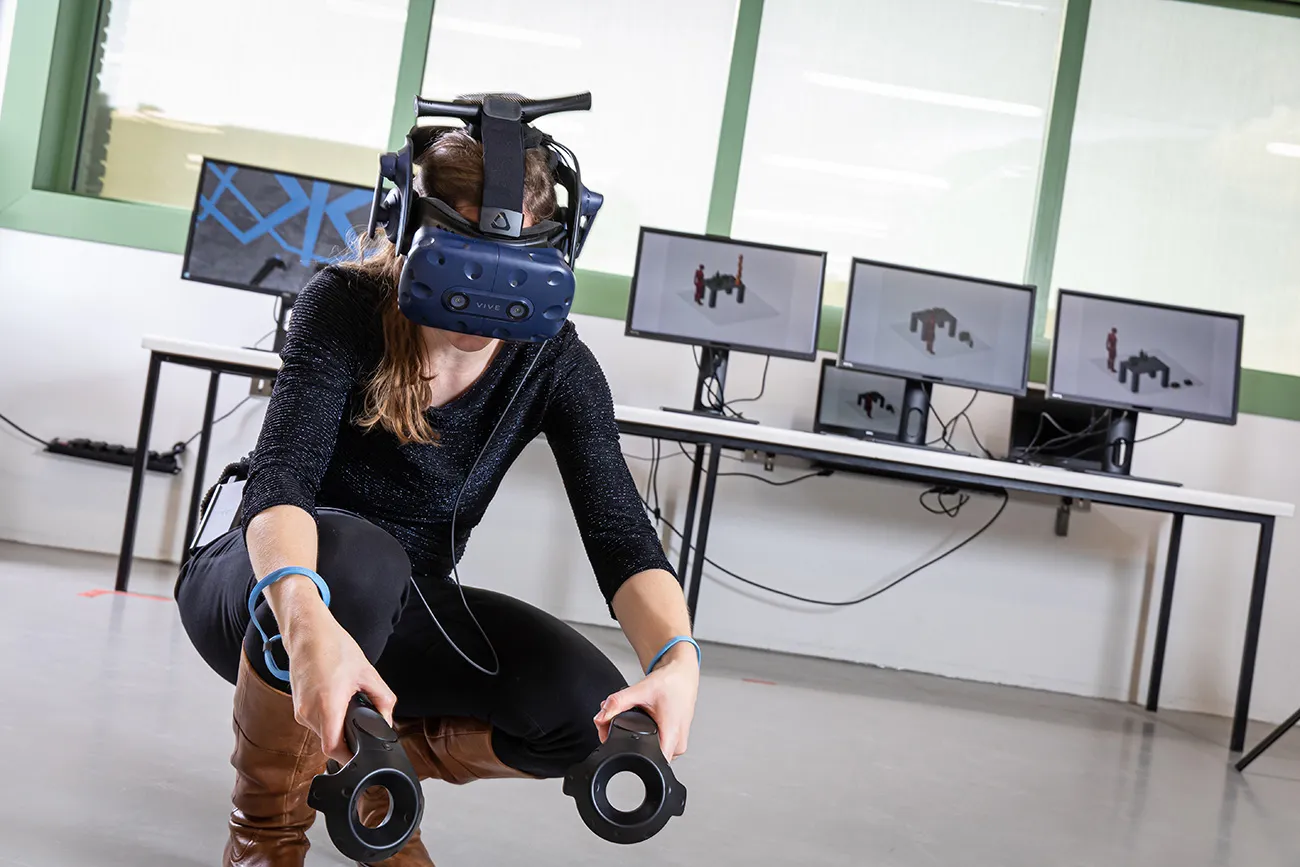
“This digital transformation is needed to strengthen the competitiveness of Flemish companies and accelerate the transition to sustainability. Industry 4.0 is undoubtedly the driving force behind this transition. At our co-creation centre in Kortrijk, we are creating demonstration environments that will serve as the basis for pilot production lines at the participating companies themselves. They can then use these to learn how to digitalise their entire production process more quickly and sustainably, enabling them to produce a wide variety of products in low volumes, tailored to their customers. The results achieved by these lead companies should then inspire other firms.”
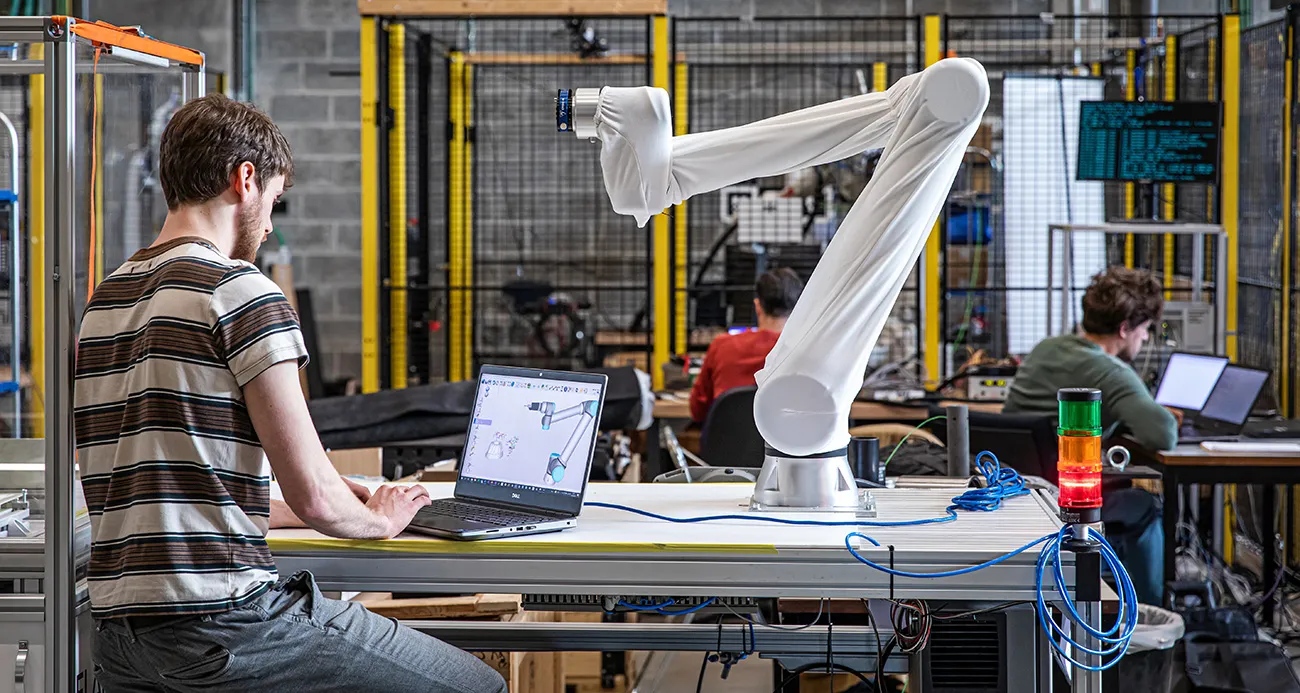
Who are the six companies, and what benefits does the project offer them?
“We were looking for partners willing to take part in the project and who already had investment plans of their own. That led us to six leading companies: Vandewiele, Picanol, Atlas Copco, CNH, Crop’s and Sabca. Vandewiele is a market leader in the design and manufacture of high-tech machinery and solutions for the textile industry. Picanol is a diversified industrial group active in machinery, agriculture, food, energy, water management, the efficient (re)use of natural resources and other industrial markets, with a focus on water. Atlas Copco specialises in high- and low-pressure air compressors, power generators and construction equipment, as well as industrial tools and assembly systems.
CNH supplies combine harvesters, balers and forage harvesters, as well as tractor components. Crop’s grows, produces and sells frozen fruit and vegetables and prepared meals. Sabca, meanwhile, has built a strong worldwide reputation as a manufacturer of components for the aerospace sector.”
“These six companies are the accelerators. We deliberately chose partners from different sectors so that, in time, the knowledge and expertise gained can be applied across industry. The participating companies will also work with local and European technology developers and integrators. By joining forces to pursue this kind of sustainable digitalisation, we can anchor manufacturing in Flanders and also establish new production here. Collaboration is already crucial to building momentum, and it will become even more important in the future. It allows companies to learn a great deal from one another and implement technologies more cost-effectively.”
“The project will also create relationships that are sure to lead to further collaboration in the future. By taking the step towards end-to-end digitalisation, companies will find it easier to recruit new employees and increase productivity, enabling them to respond more flexibly to customer needs.”
One final question: who is investing?
“The participating companies are investing a total of 54 million in this programme. The Flemish government is adding a further 11 million euros in resilience funding. This brings the total budget to 65 million euros, which certainly reflects the huge ambitions we have for this project, both for the participating companies and for the rest of the manufacturing industry. Inspired by this acceleration programme, other manufacturers will also be able to make targeted investments in the future to take the digitalisation steps they need.”
Question about this story? Ask your question
Keep following this
Get an email when a new story is published. No account needed.
- ThemeData from shop floor to decision
- SubjectNews







