












3D printing with a metal additive manufacturing machine
Text Sigmacontrol – Astin de ZeeuwImage Sigmacontrol
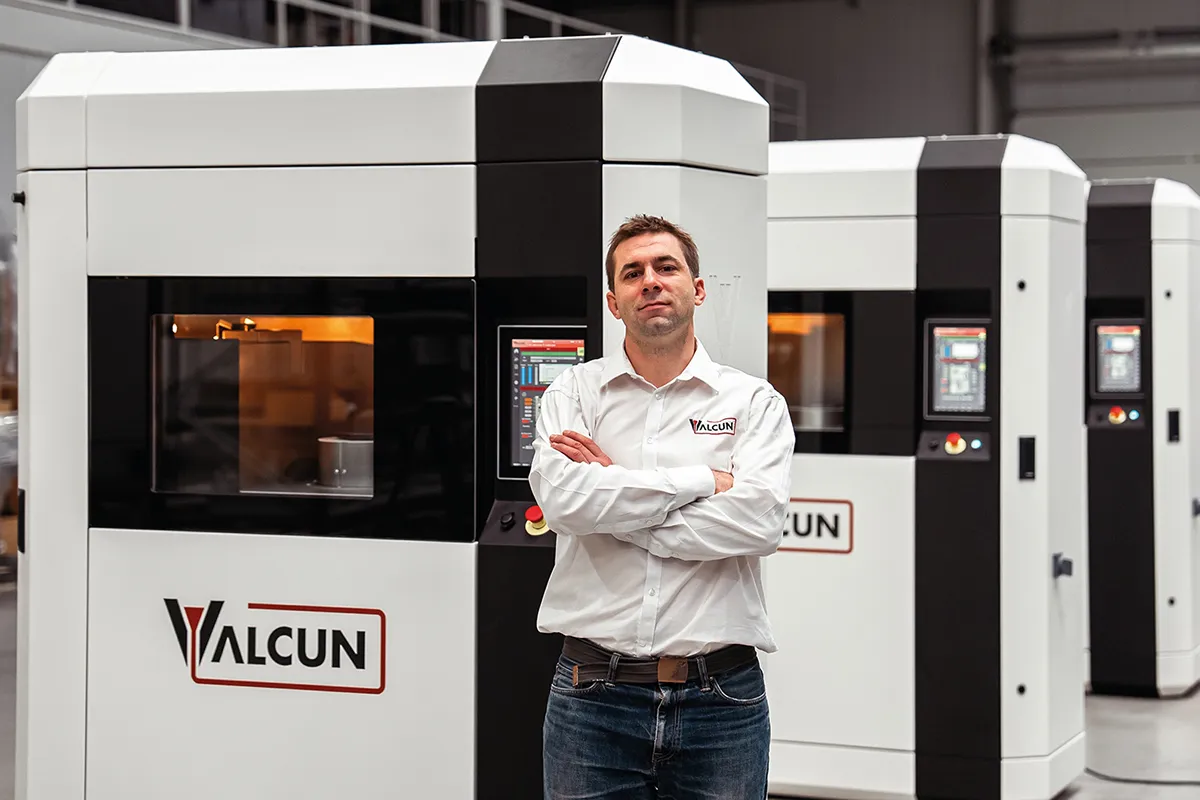
How often do we hear that developers are not put off by projects that initially seem unprofitable? The same is true of Jonas Galle, CEO of Belgian company ValCUN. He wondered why standard polymer 3D printers could not be used to print metal. Starting out in a garage with various test setups, many years later he and his team have succeeded in developing an additive manufacturing machine: 3D printing using metal wire via Fused Filament Fabrication (FFF, also known as FDM), with a focus on aluminium. The machine has huge potential and was developed using hardware and software from Austrian company SIGMATEK, with support from SigmaControl in Barendrecht (NL).
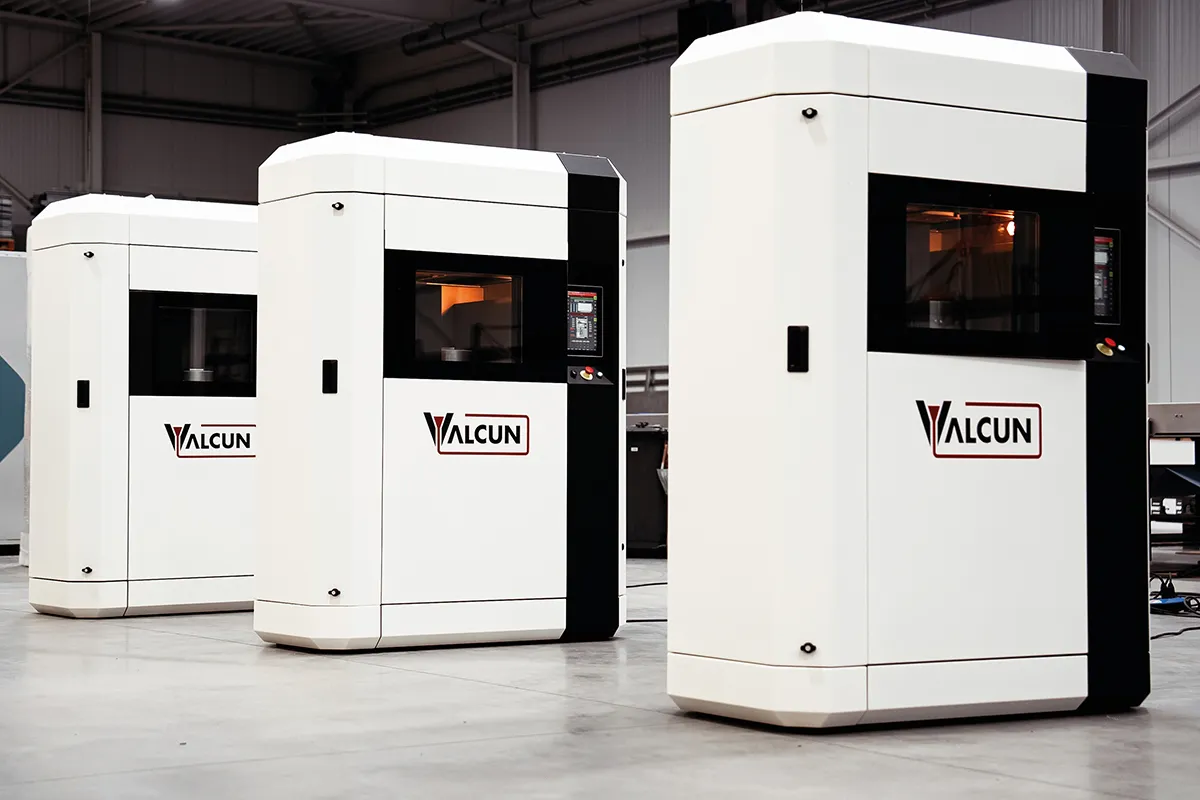
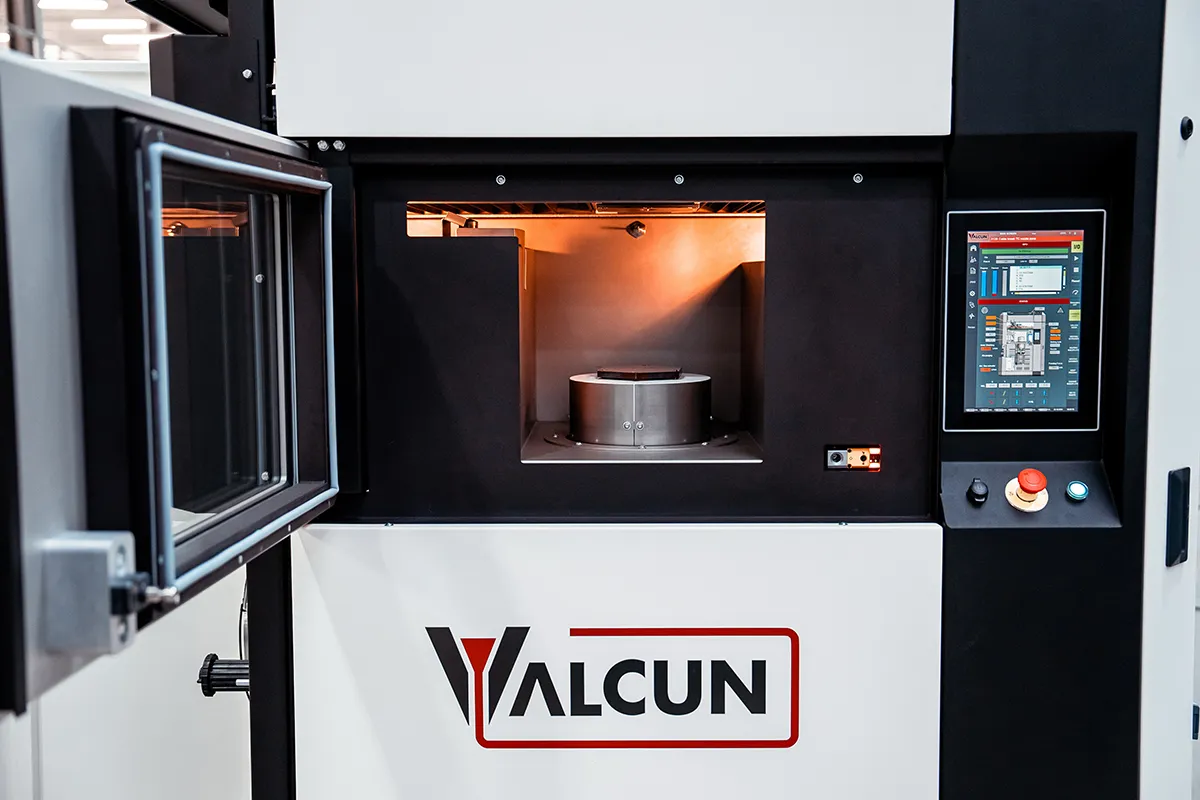
From the concept version in 2019 to the first customer presentation, development of the machine has continued apace. Using its own patented Molten Metal Deposition (MMD) technology, the process uses metal wire as its feedstock. The aluminium filament is fed into a print head, where it is melted completely. At the bottom of the chamber is a nozzle through which the molten metal is deposited, fusing with the previous layer to build up the part.
Galle: “Around 2014, the patent on the FFF 3D printer expired, allowing various companies to develop their own ideas.” Initially, the technology was exclusively used for prototyping with plastics, but it has now become an integral part of the manufacturing process too.”
Plug and play
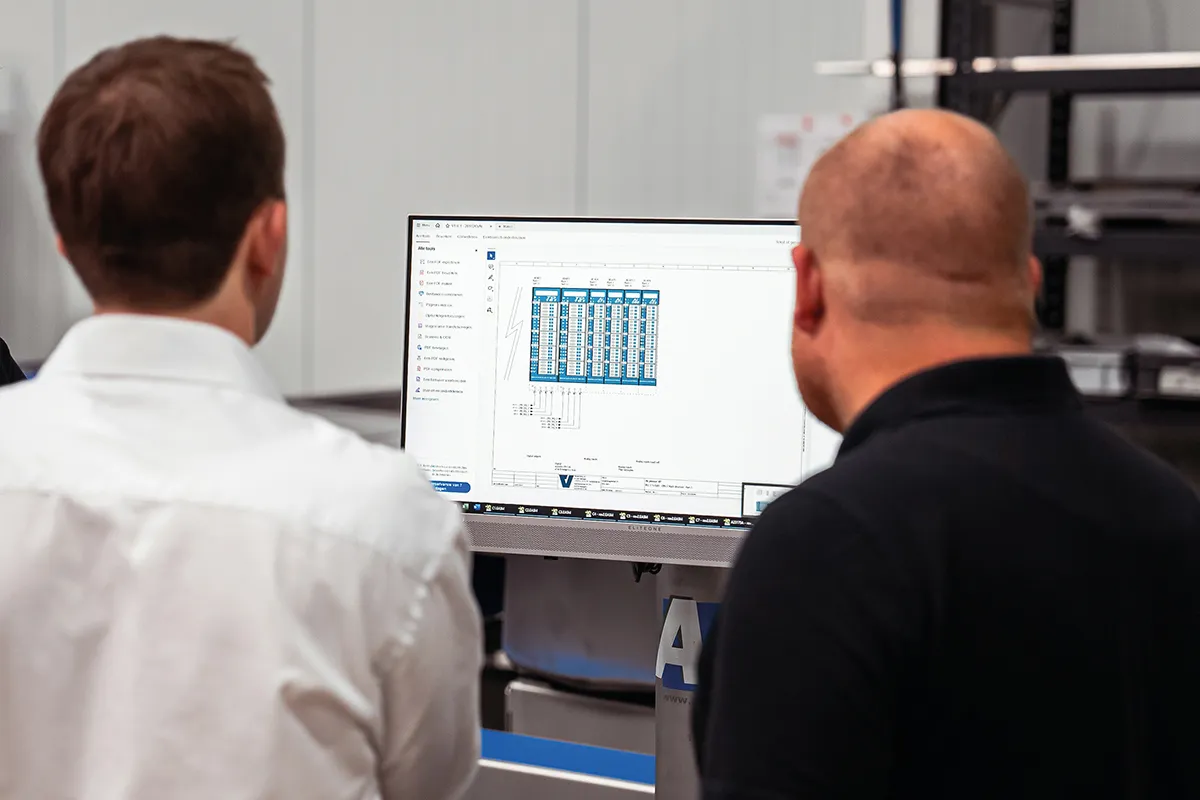
Galle continues: “Our aim is to develop a machine that is easy to operate and use. Anyone who can operate a polymer printer should, in principle, also be able to use a metal printer.” SIGMATEK’s control system makes this easy to achieve. The machine uses SIGMATEK’s PLC system, supported by SigmaControl in Barendrecht. “Bear in mind that the print head has to reach melting temperatures of between 570 and 660 degrees, yet the entire printer uses no more than 1500 watts of power.” The printer naturally contains various sensors, which send their data to the S-Dias I/O modules.
Why 3D printing?
ValCUN sees the biggest benefits in design freedom and the ability to optimise parts. The real challenge lies in maintaining the same performance while using as little material as possible. This is the opposite of the traditional approach: in the aerospace industry, for example, a solid aluminium block is often milled into the desired part.
Most of the block, often more than 90%, is milled away. This means paying twice for the material: once for the block and again to dispose of the material removed. Galle: “There is still a lot of scepticism in the market. But we have plenty of business cases that show the opposite. When 70% of the required material is milled away in conventional production, it is worth evaluating which parts could be 3D printed to near-net shape before finishing.”
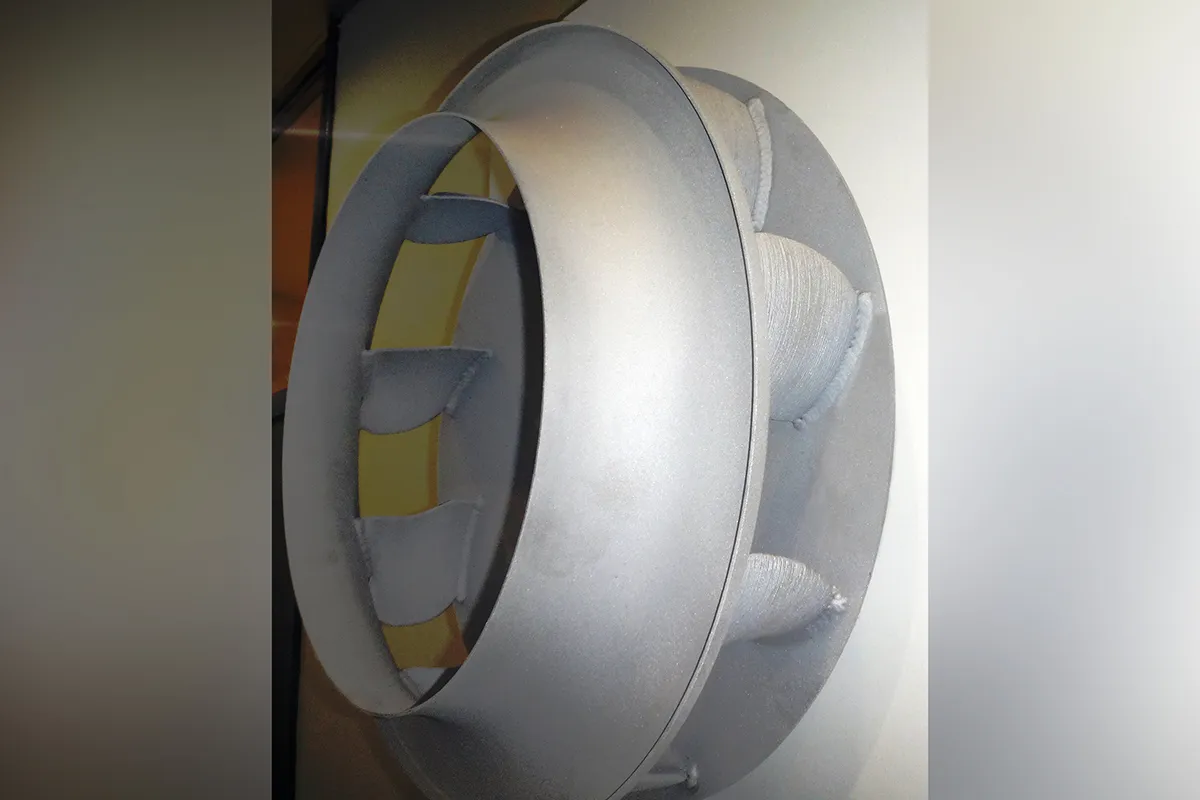
The benefits? Absolutely. Galle gives the example of 3D printing fan blades. This choice reduces total energy costs by 10%, by further optimising the blades’ 3D design. “These are aluminium fan blades used in data centres. If you consider that a single building needs 600 fans, and that twelve buildings are ultimately planned per year … that amounts to annual electricity savings of 6 million euros,” he says with a laugh.
Components and control system
The machine’s most unique component is undoubtedly the print head. Galle is very proud that, unlike the large manufacturers, they have managed to find a solution for it. The print head is energy-insulated and operates at high temperatures. “The physical properties of polymers and metals differ quite a lot. When you melt metal, it becomes as thin as water. We have three patents: one for the process itself, and another for the way we can extrude volumetrically, meaning that every volume of wire you put in must come out at the bottom.”
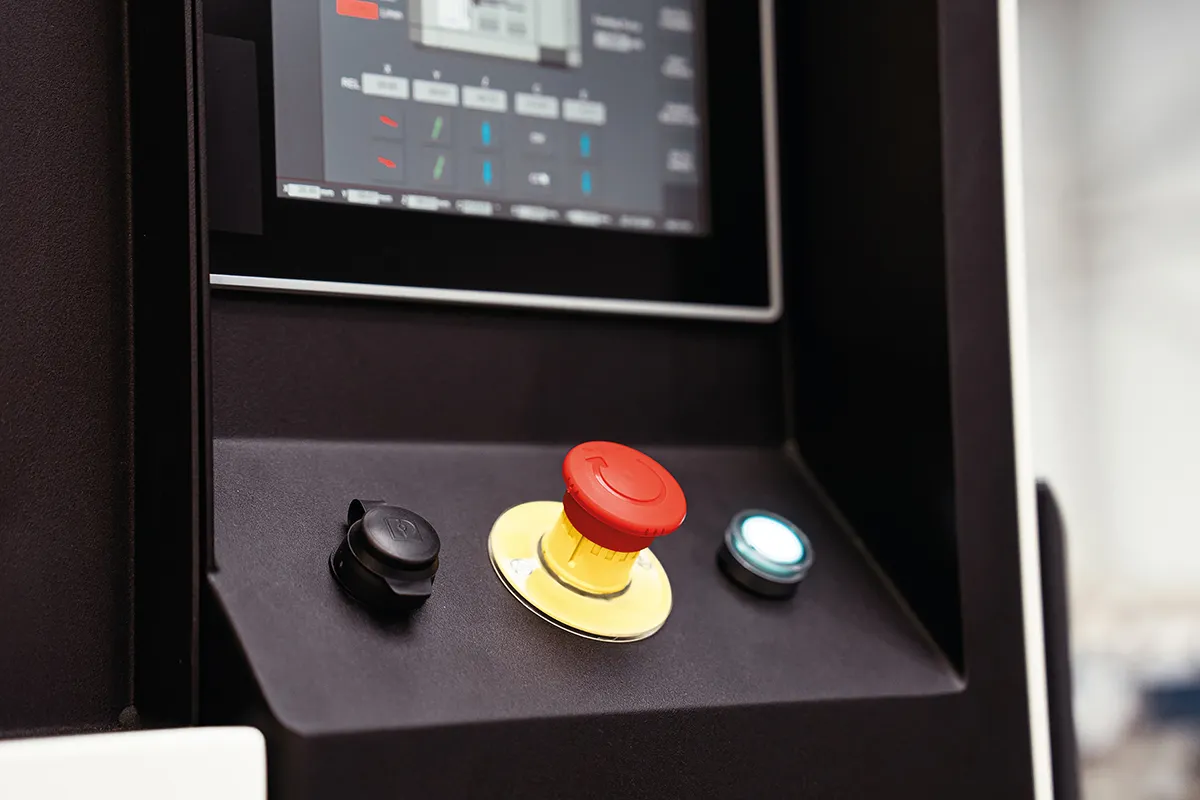
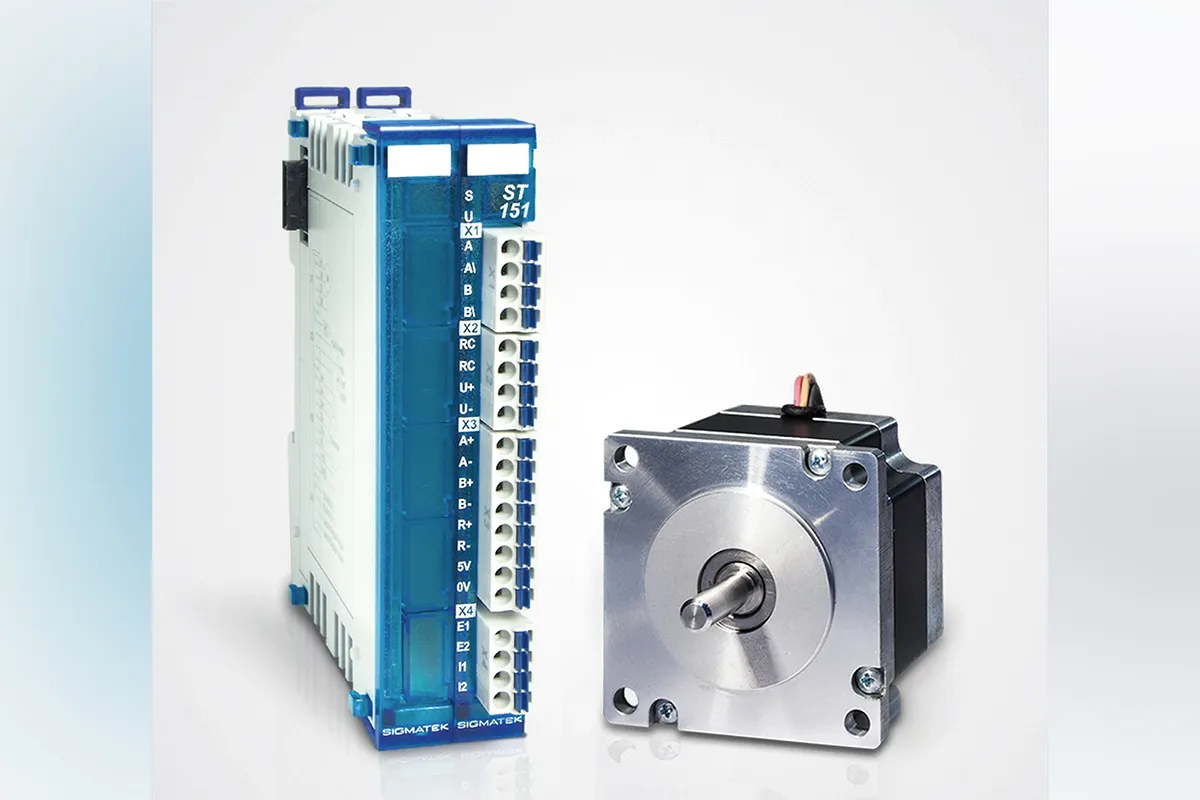
What else is inside the machine? Stepper motors, servo motors and servo drive control in the form of SIGMATEK’s ST151 and DC061. There is also a Safety CPU for an emergency stop (CE marking). The door cannot be opened while the machine is hot. It can only be opened once the temperature is low enough to rule out burns, and is linked to the safety PLC and safety lock. There are also sensors for temperature and force measurement, as well as sensors to detect when the feeder is open, for example. The LASAL All-In-One engineering software is used for programming. Galle: “If you start from a CNC profile and are used to working in LabVIEW, you can see the benefits of visual programming. LASAL offers both, and you can always add your own code. If you were to program only in C, finding your way around again would be a real nightmare.”
The future
What makes this machine so unique is that it can print directly onto a substrate. Alternatively, the starting point can simply be a block, onto which a feature can be printed at a later stage. Aluminium also offers the most interesting applications across various industries. Galle makes no secret of his enthusiasm: “Every company should really have a 3D metal printer in its metal workshop as part of its machine fleet. The potential is there!”
A business enquiry for SigmaControl? Get in touch
Companies in this story

Keep following this
Get an email when a new story is published. No account needed.
- SubjectNews
- CompanySigmaControl







