












20 years of making automation accessible
Text Valérie CouplezImage Louwers Uitgeverij
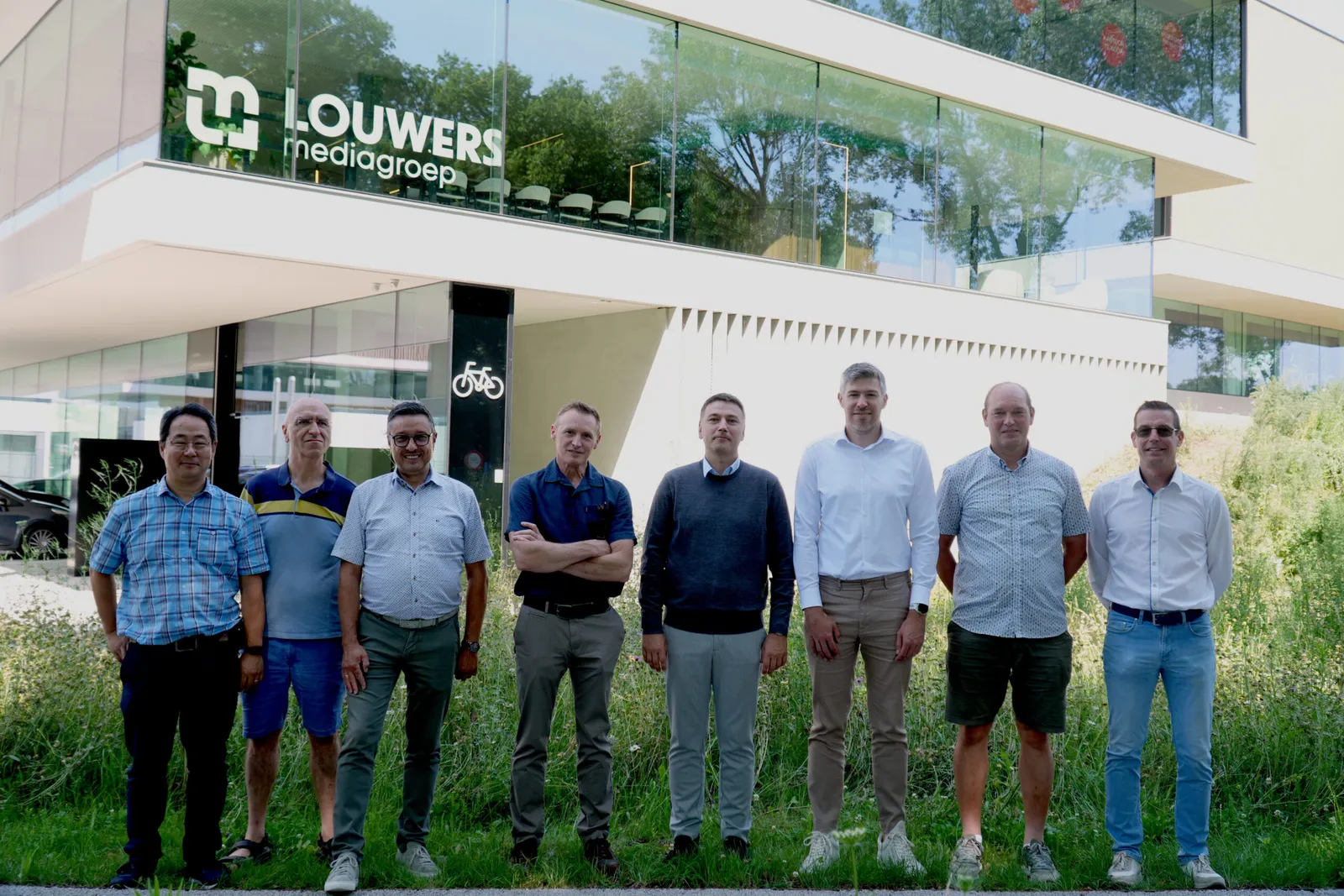
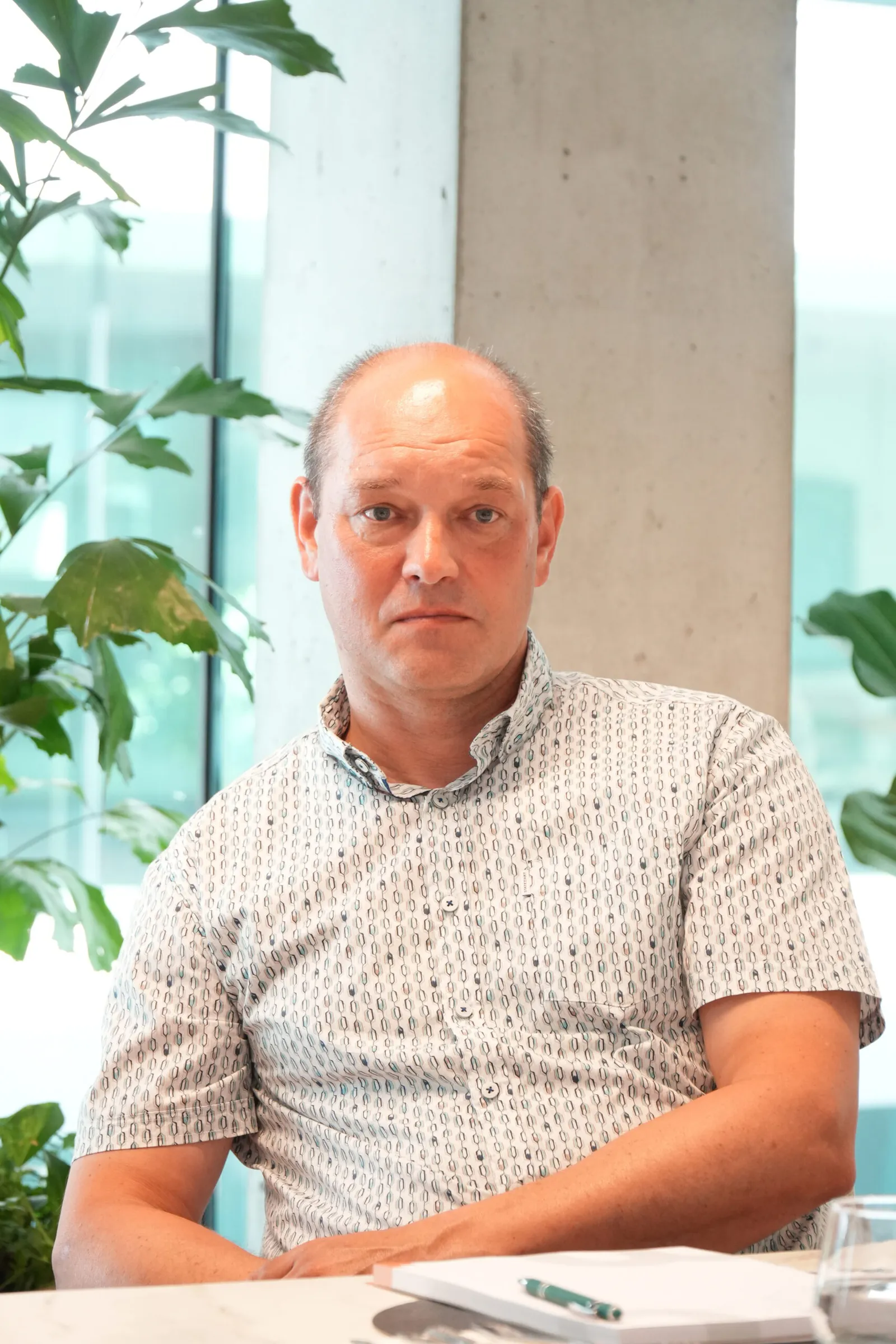
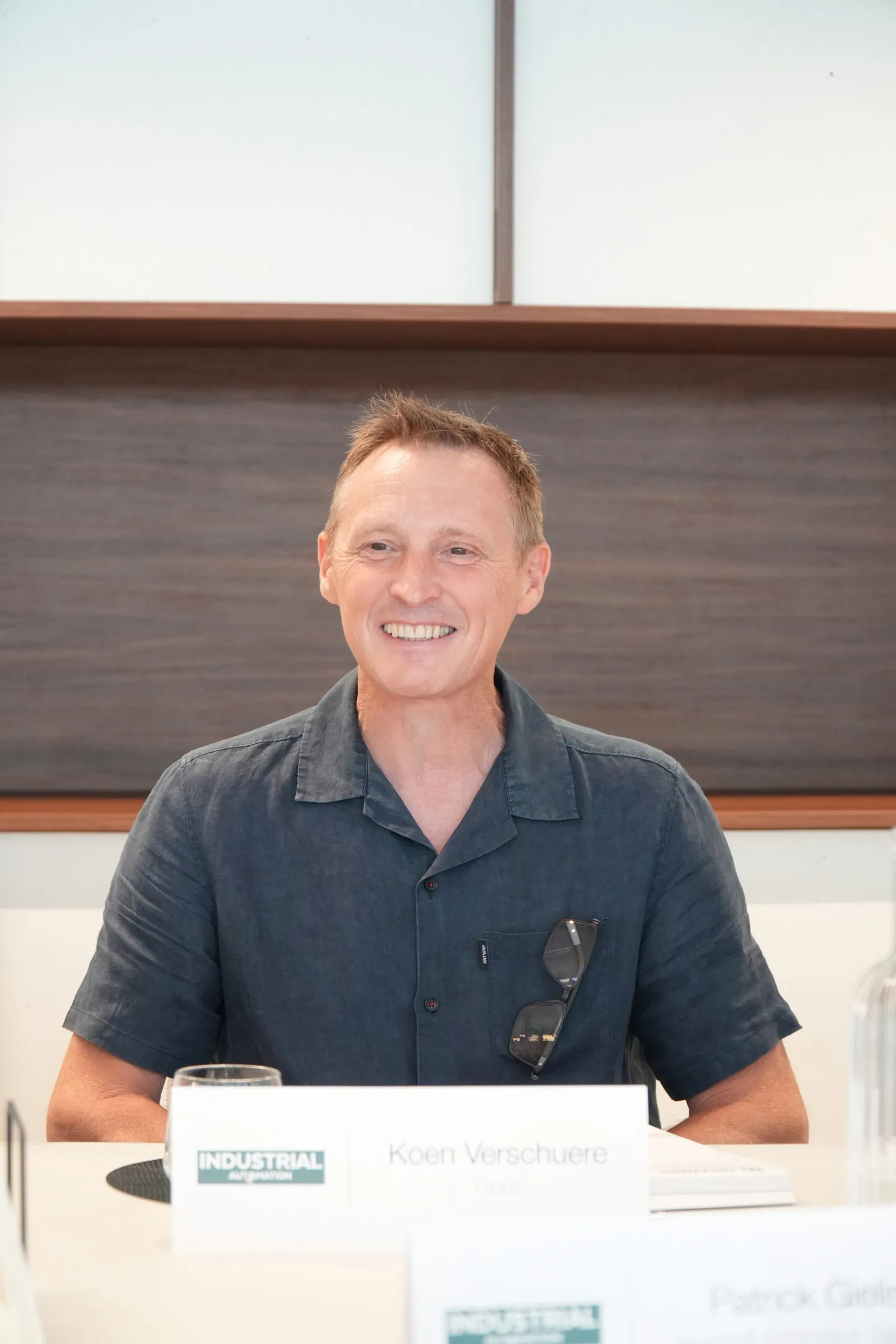
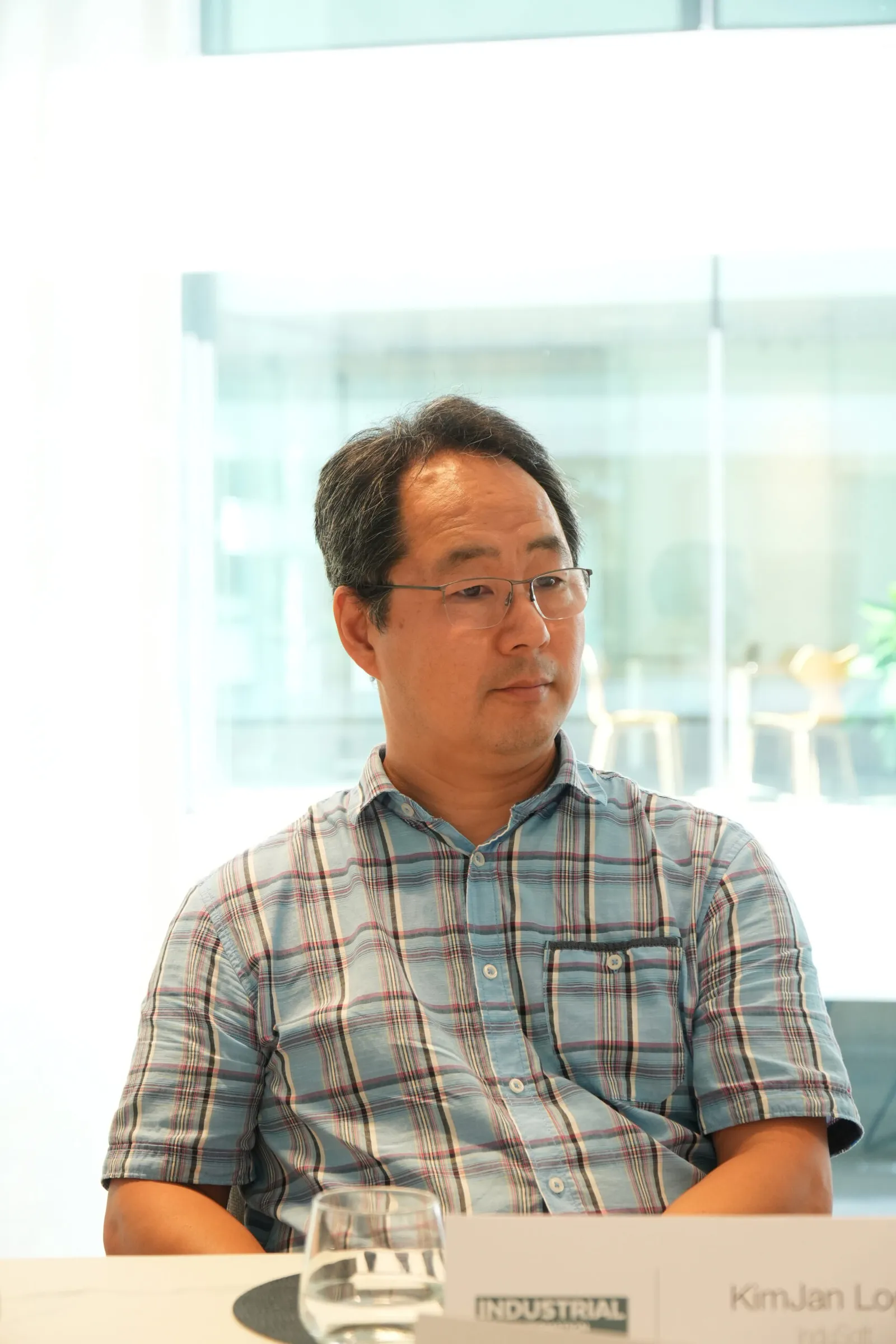
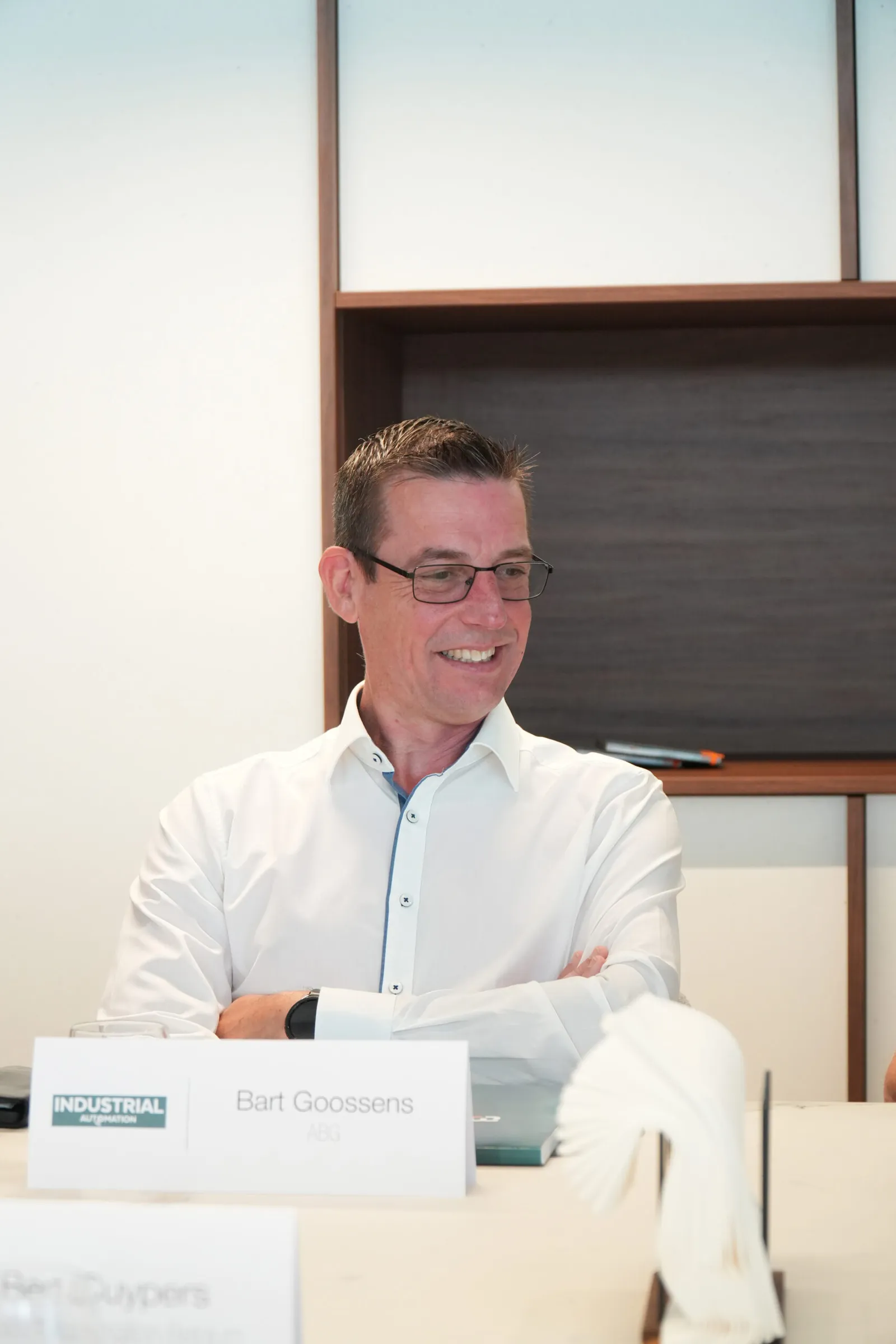
Beckhoff Automation Belgium turns twenty in 2026. That means two decades of automating machines and buildings. Two decades of growth and innovation. Two decades of listening and making a difference. A story Beckhoff has written not alone, but together with its solution providers and customers. At a round-table discussion, it looked back on the years gone by with its long-standing partners and ahead to what automation will look like tomorrow. Bert Cuypers (Beckhoff), Pascal Degezelle (Optidrive), Patrick Gielis (Beckhoff), Bart Goossens (ABG), KimJan Logie (Indusoft), Ronny Noynaert (Beckhoff) and Koen Verschuere (Fixsus) made for a lively discussion.
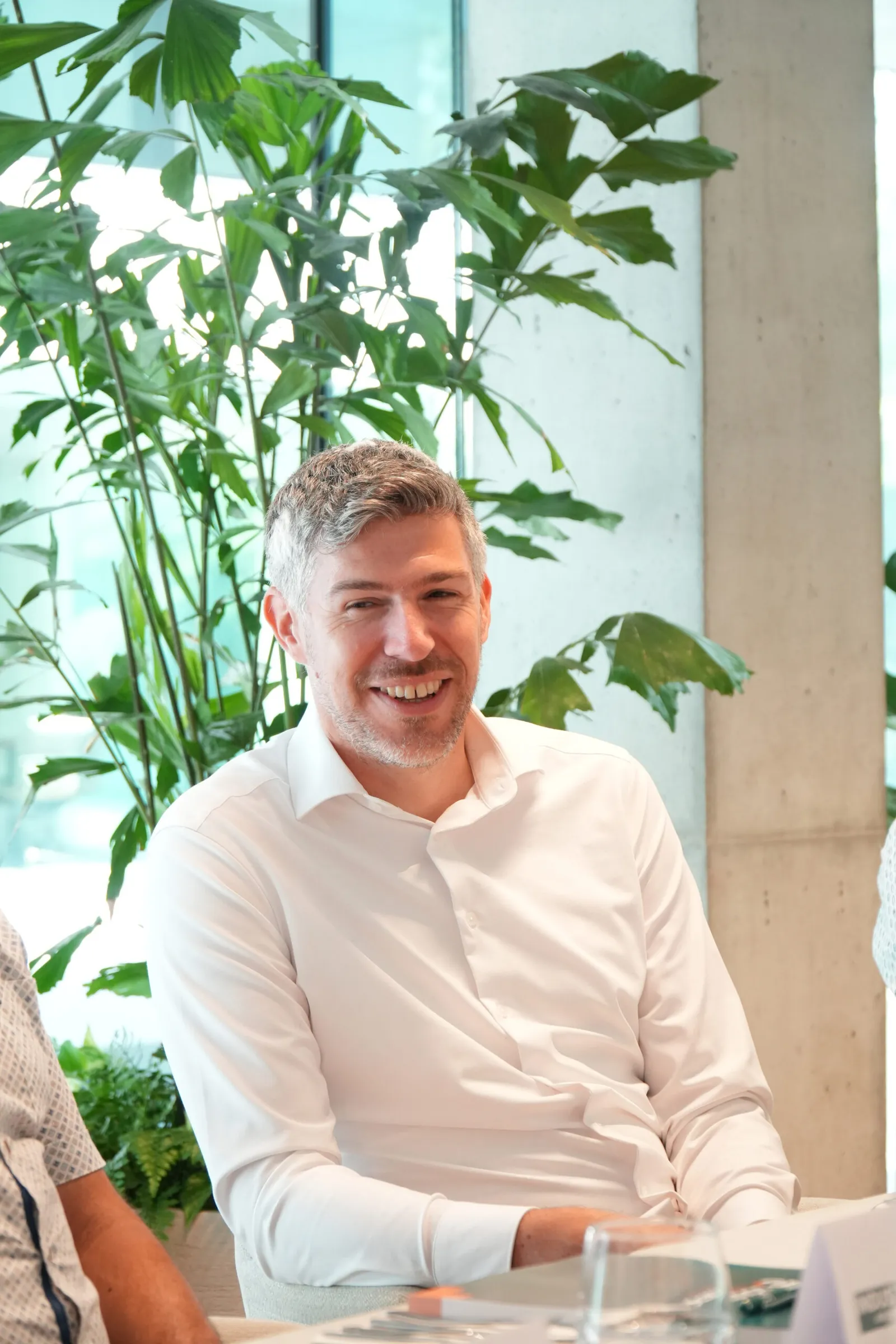
But let’s start the story where it usually starts: at the beginning. Gielis: “With the introduction of bus terminals, Hans Beckhoff left his mark on the world of automation. They made automation simpler, a principle that remains the starting point whenever Beckhoff brings new products to market. There was worldwide interest in his concept of PC-based control technology, including in Belgium. Distribution was initially handled by Multiprox, where I first came into contact with the products. As they became a success, Beckhoff realised that having its own branch would offer more opportunities to promote its philosophy. After all, it’s not about selling products, but about supporting customers as they automate their projects. With that in mind, we opened our doors in Hasselt (later Lummen) in 2006. There were three of us. In 2011, we opened a second branch in Kortrijk (later Zwevegem), so we had a local team in every part of the country. We want to be the ‘nice engineer around the corner’.”
Never just a number
Twenty years on, Beckhoff Automation Belgium has 35 employees. A 36th is due to join after the summer. With eighteen years at the company, Ronny Noynaert is one of its longest-serving employees. “I was working at Sunco, the lemonade factory in Ninove at the time, where I was responsible for plant engineering. I’d already heard a bit about Beckhoff. When I saw Patrick at a trade fair in Brussels, I went over to find out more. I was fascinated by his story and the technology appealed to me. Those pioneering days were really great, although I had to drive two hours to Hasselt every day. Why stick it out? Because you never feel like a number in the company. Not in Belgium, not in Germany. Even though we now have 5,450 employees worldwide, you feel part of one big family. That friendly atmosphere, the openness, transparency and short lines of communication make it such a great place to work.”
Always there to help
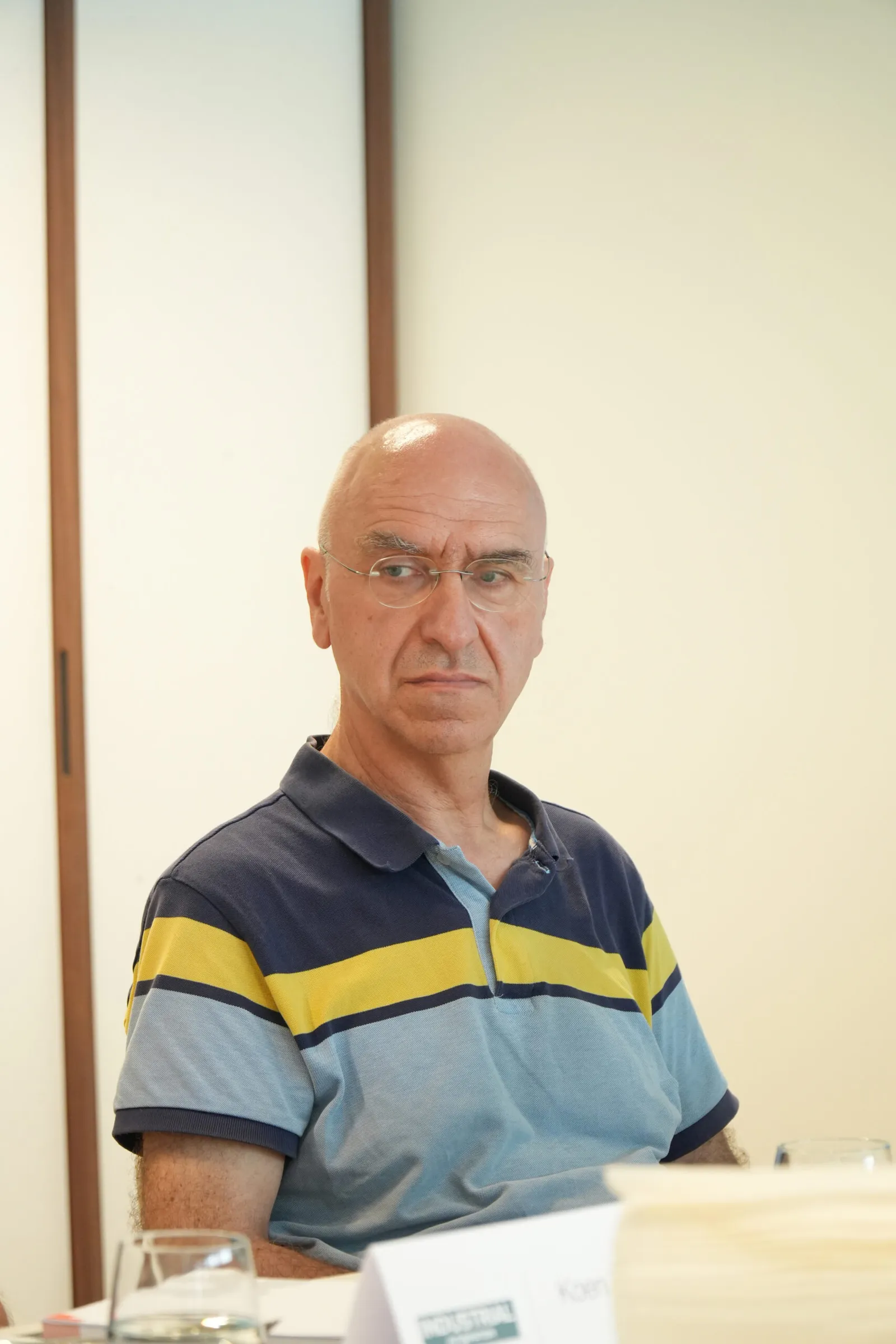
That personal contact was also what first brought Bart Goossens, managing director of ABG (Automation Bart Goossens), into contact with Beckhoff. “I’ve known Patrick for years. We worked together at GTI Elektro Thijs (which later became the GTI Group and went on to become part of the current Equans). When I started a new business as a self-employed programmer after an adventure abroad, I soon decided to go with Beckhoff. Not because Patrick has a pretty face, but because the programming software is simply great to work with. It’s open, you don’t have to pay for separate licences, you download it from the internet, install it and get started. You also get a great deal of support. That’s always been their thing. You can really count on them for anything. Patrick even once helped push-start my motorbike when I’d broken down,” he laughs. “And now, if I’m wondering whether AI poses a threat to my job as a programmer, I can just pop over to Lummen and talk it through over a good cup of coffee. We can discuss the challenges new developments bring and the opportunities they offer me. You can’t do that with just any technology manufacturer.”
Change and continuity
Beckhoff’s technology has, of course, changed since the early days. For Beckhoff account manager Bert Cuypers, the move from TwinCAT 2 to TwinCAT 3 was one of the main technological developments of the past two decades. “Our technology is constantly changing to incorporate new developments and capabilities. But in a way, it doesn’t change either. Continuity is just as important, as it gives people a familiar footing. The move to TwinCAT 3 and object-oriented programming, for example, was largely under the bonnet. Anyone familiar with TwinCAT 2 felt right at home in the new programming environment, because the structures and principles were the same. You see the same thing with EtherCAT. We’re still on version 1.0, the same version we launched in 2003, yet we can meet the demands of today’s most challenging and complex applications. And we take the same approach with hardware. You can still get the very first terminals we brought to market in ’95. And for anyone looking for more capabilities, the new ones are fully interchangeable with the old ones.”
Open and modular
For Pascal Degezelle, co-founder of Optidrive, which specialises in robotic installations for stone-processing companies, the modularity and openness of the Beckhoff system are real assets. “I suspect Hans Beckhoff is a visionary who also thinks in a very structured way. In ’95, nobody was using modular concepts. But they make it much easier to build, maintain and later expand installations. We once built an application in CANopen for a customer to grind concrete floors flat, with an accuracy of 0.3 millimetres. That may not sound challenging, but believe me, it certainly is when you’re dealing with concrete over lengths of more than 100 metres. There’s no manual for programming something like that, but you can do it with Beckhoff. And if you run into a problem, you have specialists in Belgium and Germany to help you out.” He gives the example of a cam machine they completely replaced in 2005 with an orchestra of fifteen servos. “Together with Beckhoff engineer Georg Seibel, we looked at where every millisecond of delay was coming from and how we could still achieve a cycle time of 500 microseconds. It’s incredible what we could already do with Beckhoff twenty years ago.”
IT meets OT
Beckhoff’s automation solutions also offer clear benefits in buildings. They did then, and they certainly do now. Koen Verschuere, managing director of Fixsus: “I used to think there was only one control system, from another brand. I’d been completely brainwashed. Then a customer told me he was doing great things with Beckhoff and took me along to a trade fair. I nearly fell off my chair when Bert offered to send me a CPU so I could learn how to work with it. They also make that learning curve easier thanks to how approachable their service staff are. You pick up the phone and get the support you need straight away. In the end, Beckhoff’s philosophy, with everything based on a PC, proved to be right for me. It makes it easy to connect with IT. Now that IT and OT are becoming increasingly intertwined, that’s essential. For us, it’s simple: we still work with just two suppliers, Beckhoff and ourselves. Whatever they don’t supply, we develop ourselves. Because they keep their products available for twenty years, we can automate buildings robustly and cost-effectively. Customers sometimes ask if they need to upgrade. No, we’d simply install the same thing again. The field topology stays the same, while the software evolves with the times. That includes AI. For example, we’re already using it to translate error messages into plain language. I’m no seasoned programmer like some of the specialists around this table or in my team, but for creative people, AI is set to open up a whole new world. And Beckhoff makes it easy to integrate.”
Everything in one environment
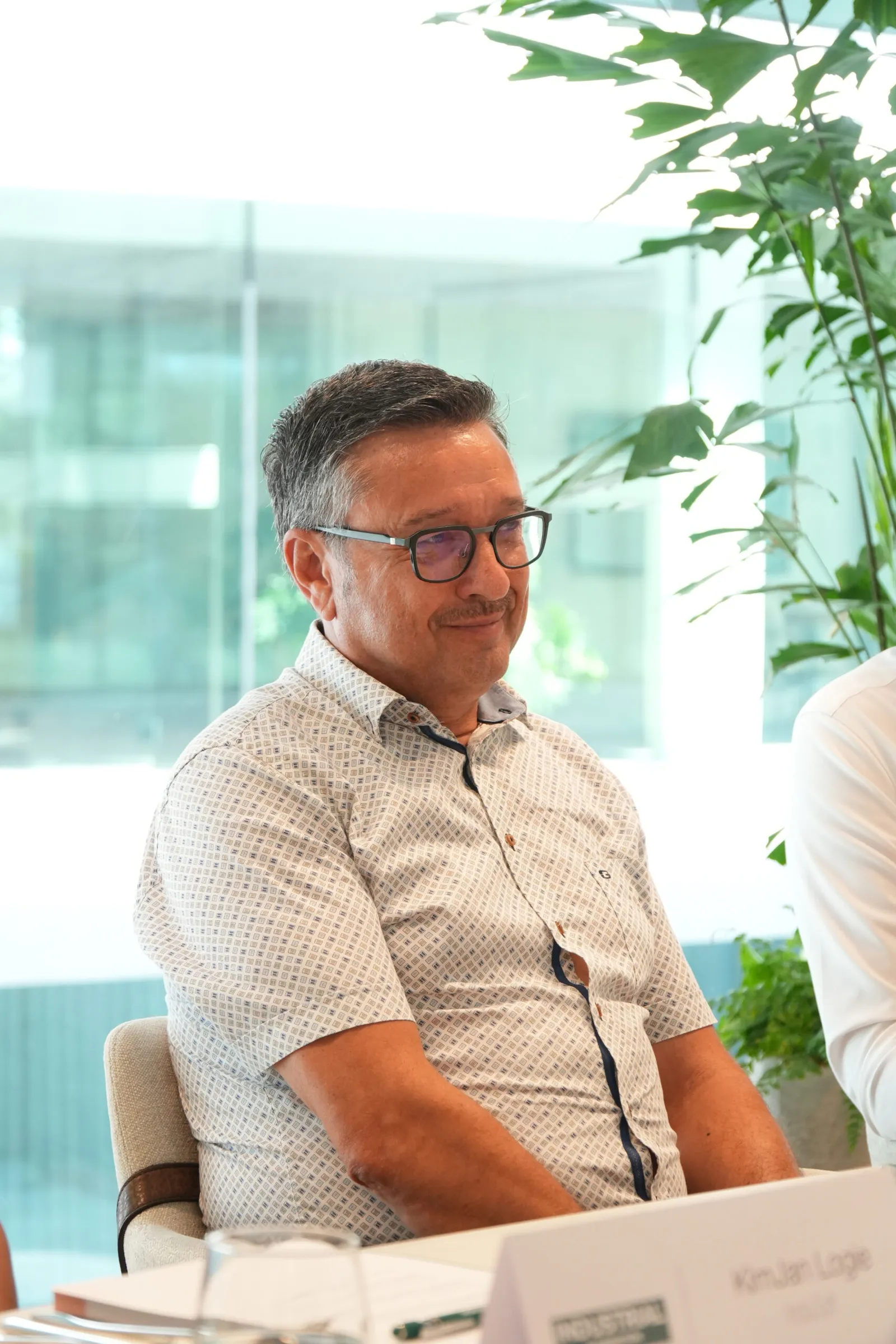
KimJan Logie of Indusoft is looking forward to that too. “We’re moving increasingly from pure software integration towards projects involving robotics and vision technology. We got into this almost by chance, through a specific project. It may be a risk, but it’s the direction we see industry moving in, as companies are finding it increasingly difficult to recruit people to do repetitive work. These are typically tasks in the food and manufacturing industries that have not yet been automated, because the products are difficult to detect or handle. Vision combined with AI now makes it possible to make real progress in this area. With our 3D printer, we can print components to create proofs of concept, including test grippers for our robot and cobot. And Xplanar lets us create highly flexible transport concepts. It’s all new technology and hardware, but within the familiar Beckhoff programming environment. Everything comes together easily: PLC, robot and vision. That makes life so much easier. With a lab and a demonstration space, we show customers what it can mean for them. These are exciting times for us. We’re looking forward to the future, together with Beckhoff.”
Een zakelijke vraag aan Beckhoff Automation? Get in touch
Companies in this story
Keep following this
Get an email when a new story is published. No account needed.
- SubjectNews
- CompanyBeckhoff Automation
- CompanyEQUANS







