












Top tips for improving the performance of your next electric drive system
Text and images Festo Belgium
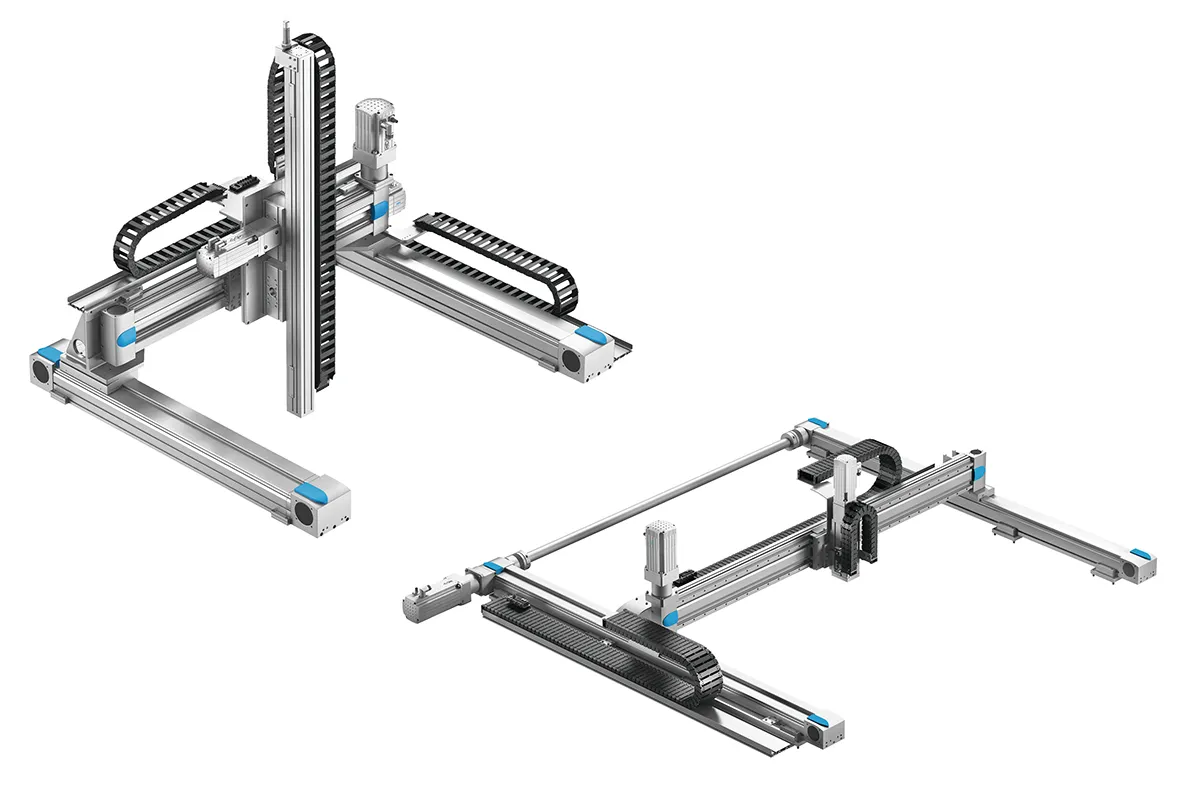
Electric automation can deliver greater efficiency, consistency and precision than traditional pneumatics in many industrial automation applications. However, simple design and specification mistakes can cause serious problems, turning your electric automation dream into an ‘axis of evil’, says industrial automation specialist Festo.
“Common mistakes include undersized motors on vertical axes, incorrect gear ratios and misaligned guide rails. These can all result in suboptimal machine performance and premature component failure,” says Ben Lloyd, EA Product Manager at Festo. For end users, the consequences can include higher energy consumption, increased maintenance costs and lower productivity.
Drawing on findings from investigations into premature component failures, Festo has put together a free downloadable guide to the ten most common mistakes made with electric axes. It identifies these mistakes and offers best-practice advice on optimising the performance of electric automation systems. Festo’s top tips include:
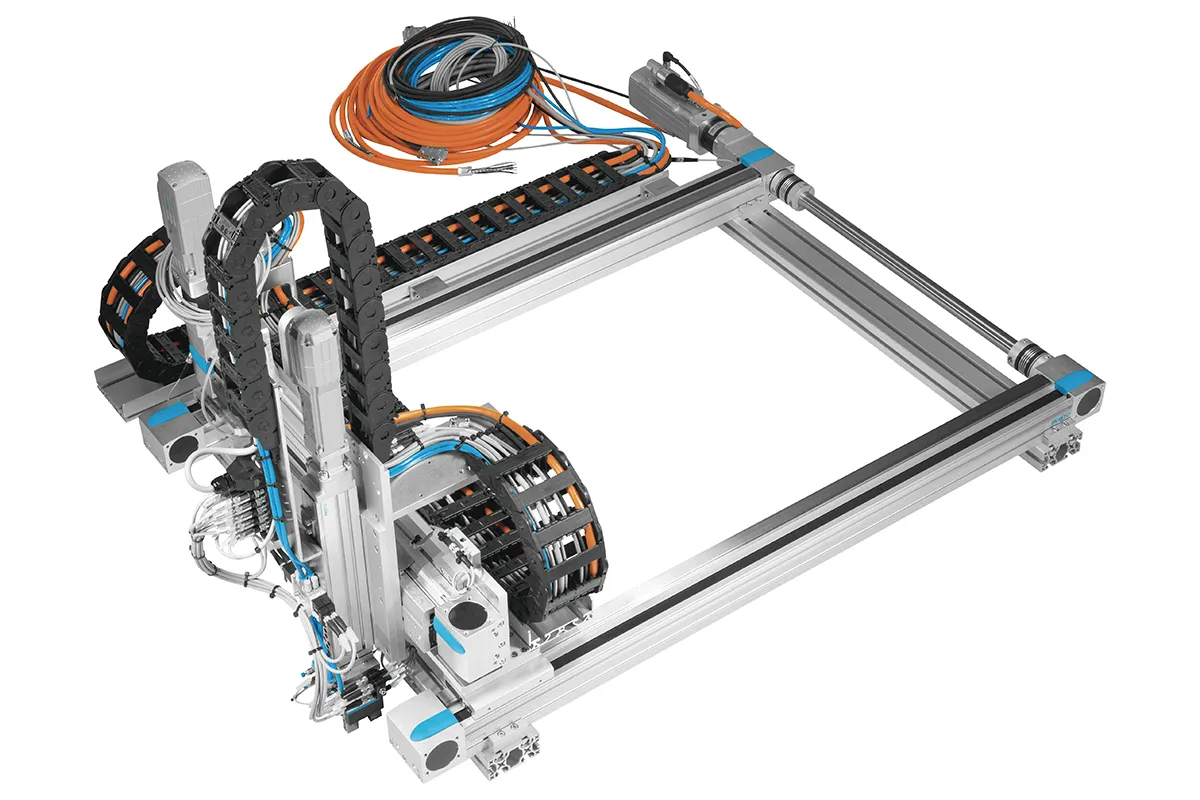
1. Allow for vibration
When selecting a linear axis, designers rightly consult the manufacturer’s datasheet for information on the correct power and torque parameters. However, environmental factors such as vibration must also be taken into account to ensure the desired service life is achieved. Failure to do so can mean that the actual service life is much shorter than predicted based on the selected power
and torque.
A more accurate prediction of component service life can be obtained by applying a specific factor to the load during calculations, based on the expected vibration. This factor ranges from 1³ to 2³ and indicates the extent to which vibration affects service life. The datasheet for each component explains how to calculate the impact of vibration on service life.
2. Ensure adequate lubrication
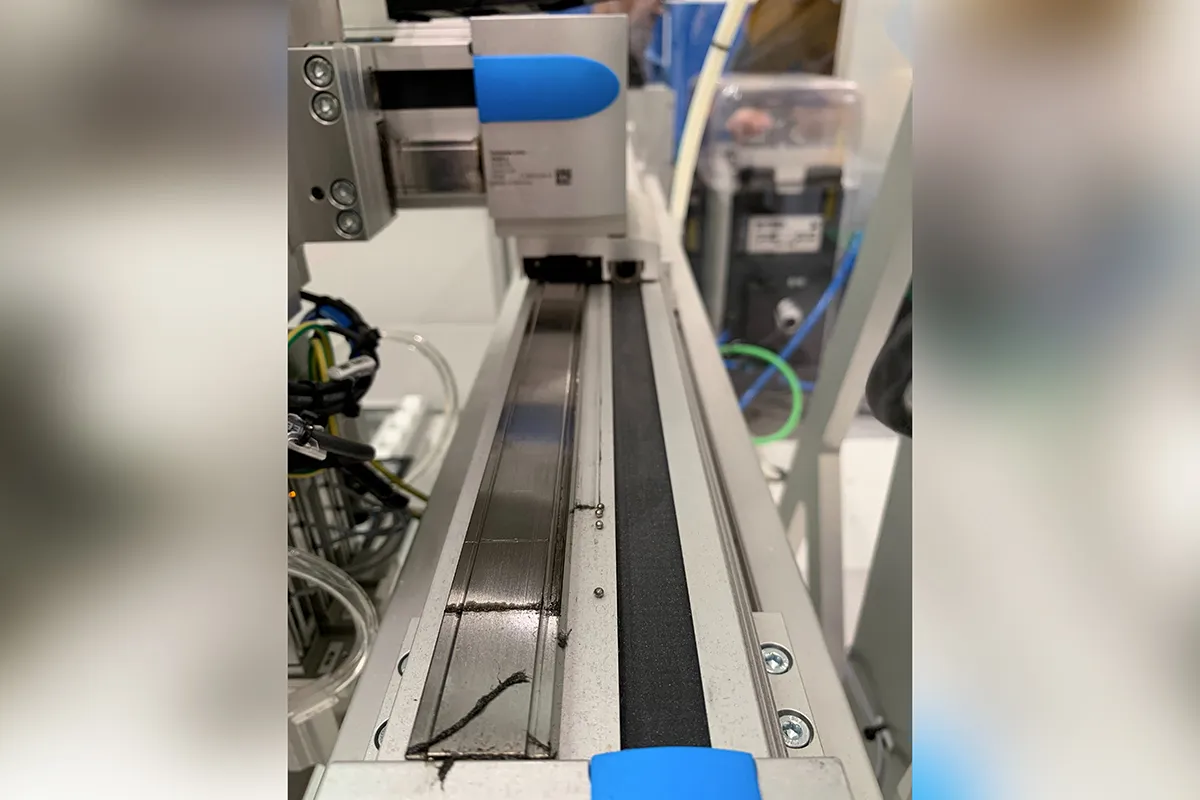
Electric automation components sometimes have to perform repeated, very short and precise movements. This can make proper lubrication difficult, potentially causing components to seize or fail. A ball screw, for example, has a grease reservoir that ensures the drive is continuously lubricated during operation. In applications where only a very short stroke is used, the balls in the ball screw barely move and are therefore not coated with fresh grease.
In such cases, an extended stroke, or “lubrication movement”, must be performed periodically. Ideally, this action should be programmed into the machine software, for example at the end of each shift or production run. The need for lubrication must be taken into account during the design phase to ensure that a longer stroke can be performed.
3. Thermal performance
The motor and drive’s thermal model plays an important role in selecting the right drive. Heating and cooling cycles are generally affected by whether the application requires the electric drive to operate continuously or intermittently. In intermittent applications, the components have time to cool down. This has a positive effect on their service life, meaning that it is often possible to choose a less powerful version than for continuous operation.
Festo’s Electric Motion Sizing tool helps designers and machine builders take this into account. Users simply enter the pause times between movements, along with other typical application requirements such as motion, mass and speed. The online tool also provides useful manufacturer-independent tips to consider when designing new machines.
Taking vibration, lubrication and thermal performance into account are just three ways to improve the performance and service life of your electric drive. For a broader overview, Festo has compiled further tips based on field experience in a free downloadable guide entitled ‘The ten most common mistakes with electric axes’. Use this guide the next time you design a system to avoid preventable mistakes and ensure that your electric drives achieve their full service life.
Festo’s ‘Ten most common mistakes with electric axes’ can be downloaded here: https://www2.festo.com/Tienmeestgemaaktevergissingen?fwacid=bbb64c916856058
A business enquiry for Festo? Get in touch
Companies in this story

Keep following this
Get an email when a new story is published. No account needed.
- SubjectMotion, gears & drives
- CompanyFesto







