












Three digital trends in variable speed drives
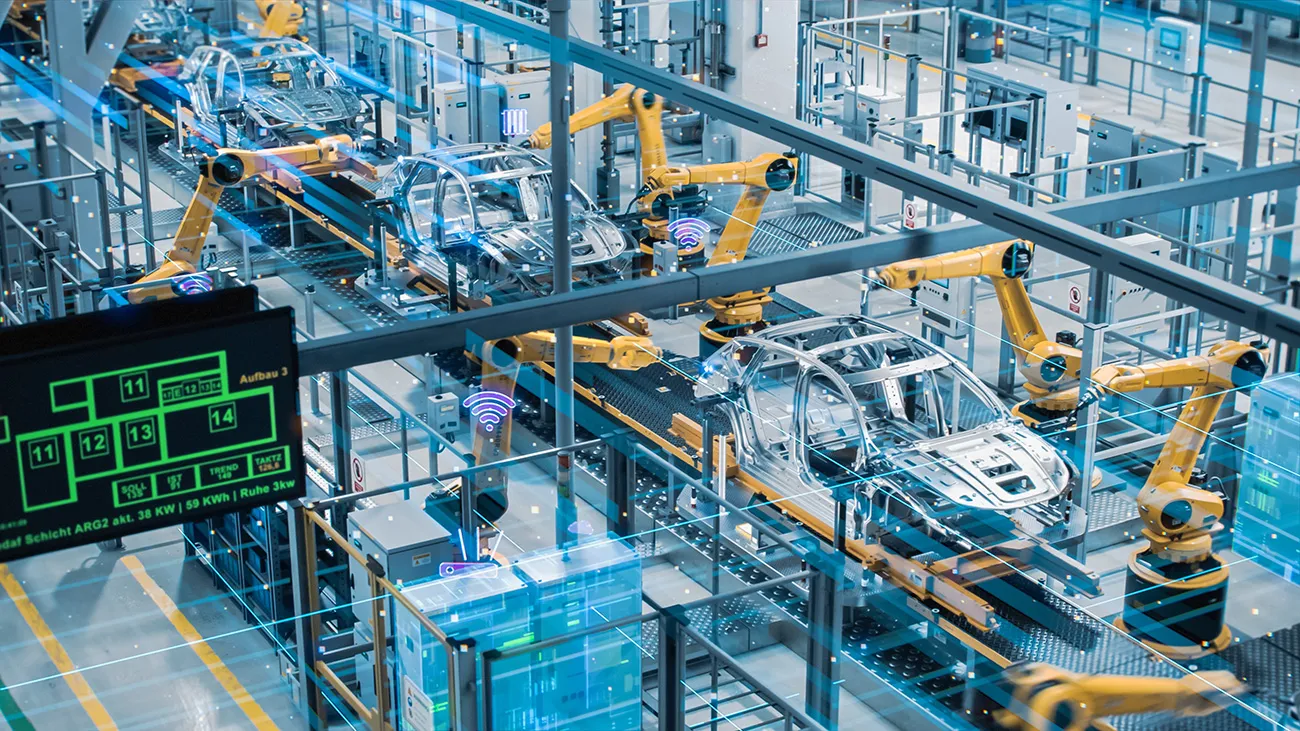
According to PwC, 98% of European industrial companies expect to increase their efficiency through digital technologies, predictive maintenance or AR solutions (augmented reality). But how do variable speed drives fit into this picture?
Many manufacturers are in the process of transforming their operations into ‘smart’ factories. One crucial factor is the integration of intelligent motor controls. Many new variable speed drives have their own software in the form of a built-in PLC, enabling controls to be monitored over a network and programmes to be run. They also compare favourably on price, as intelligent variable speed drives offer an affordable way to bring the latest Industry 4.0 technology on board. They deliver a range of productivity benefits, including improved operational efficiency and quality control, as well as smart machine optimisation, remote or wireless diagnostics and predictive maintenance.
Communication
Virtually all variable speed drives come with integrated serial communication as standard. Put simply, this sends a series of digital pulses to a variable speed drive, which interprets them to carry out commands and may also send a return signal. The hardware typically consists of wireless technology or fibre-optic cables.
But choosing the right communication protocol also requires careful consideration to prevent signal mix-ups. There are many options, and the type of application is usually the deciding factor. Ethernet is a good example. Variable speed drives with standard Ethernet connectivity are becoming increasingly common in factory automation. These drives can also connect to the MES network and exchange data in both directions. Such a configuration ultimately provides a gateway to other connected automation components throughout the factory.
The various open fieldbus systems should also be considered. They enable data to be exchanged between different system components over long distances and under heavy external loads. Available fieldbus systems include PROFIBUS, CAN bus, DeviceNet, BACnet and Modbus, most of which have Ethernet variants.
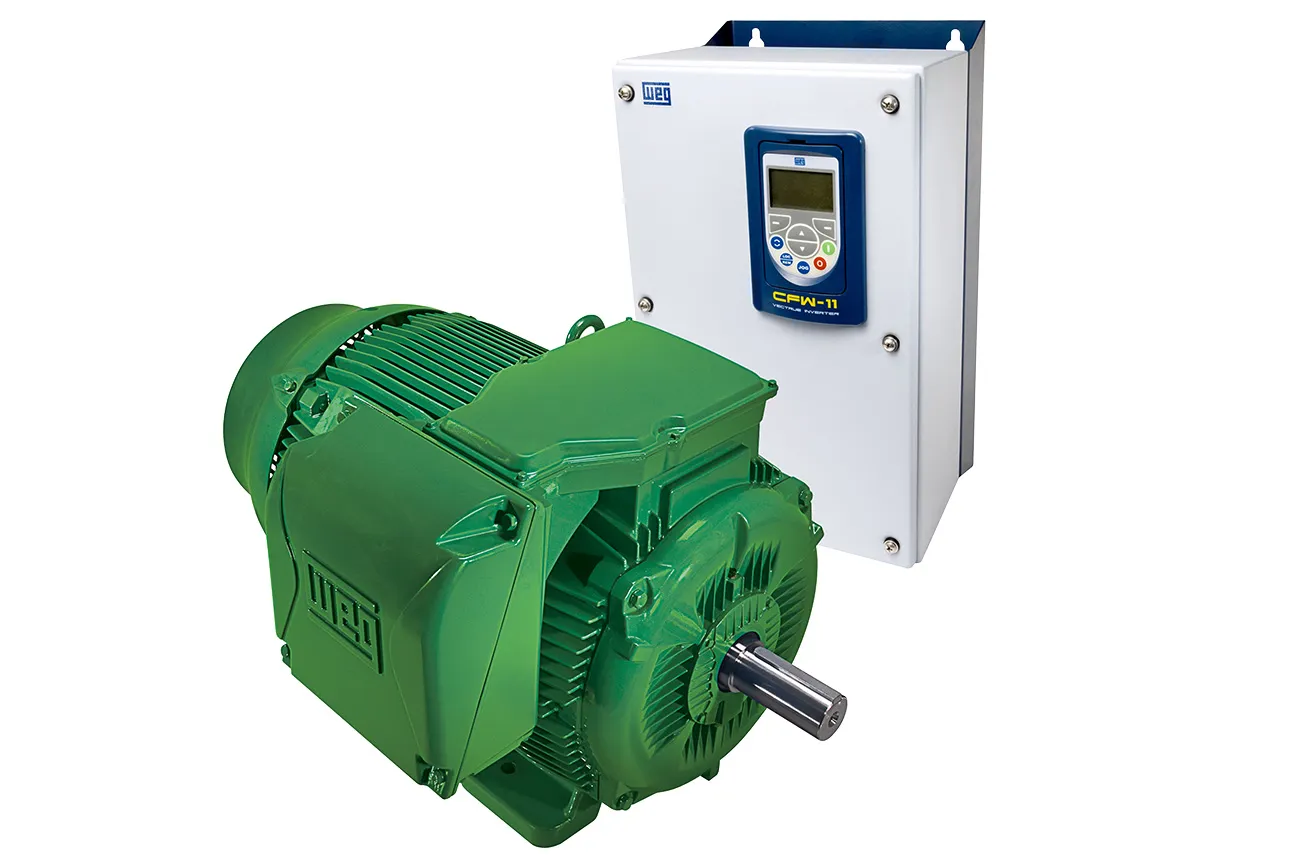
Wireless diagnostics
Wireless diagnostics are the future for variable speed drives, whether via Wi-Fi, Bluetooth or another wireless technology. This is good news for maintenance teams, as enclosures are often difficult to access. By using the control system’s integrated wireless signal, technicians can now connect directly to the system remotely. This connection allows the maintenance team to inspect and diagnose faults without any physical contact. Once the wireless diagnostic data has been retrieved, it can also be used to support predictive maintenance strategies. Some variable speed drive models have a server that monitors application continuity using time-stamped motor or drive-specific data. If an application fault occurs, all motor and drive data can also be shared with a master PLC.
Variable speed drives can provide a range of data on the moment a fault occurred, including motor current, motor torque, bus voltage and the thermal status of the motor or drive. With this data at their fingertips, maintenance technicians can carry out a thorough analysis to identify the root cause. The information gathered can be used to trigger corresponding alarms or warnings when application data exceeds a certain limit. If necessary, this strategy can also be used to stop the application and resolve any issues before the system fails.
A practical example
Let’s take a fan as a practical example. The latest generation of variable speed drives uses algorithms to monitor the performance of wear parts such as fans and predict their service life using data on factors including temperature, speed and total operating hours. The maintenance team can use this information to repair or replace the fan as required, and even schedule the work during a routine maintenance period.
90% of the industrial companies surveyed by PwC said they felt digitalisation offered more opportunities than risks. By selecting the right variable speed drives, these companies can make full use of digital technologies, such as integrated MES, predictive maintenance and AR solutions, to grow and expand their production capabilities.
Een zakelijke vraag aan WEG Benelux S.A.? Get in touch
Companies in this story

Keep following this
Get an email when a new story is published. No account needed.
- ThemeLess downtime through maintenance
- SubjectMotion, gears & drives
- CompanyWEG Benelux S.A.







