












The intralogistics of (the day after) tomorrow
Text Valérie CouplezImage iStock

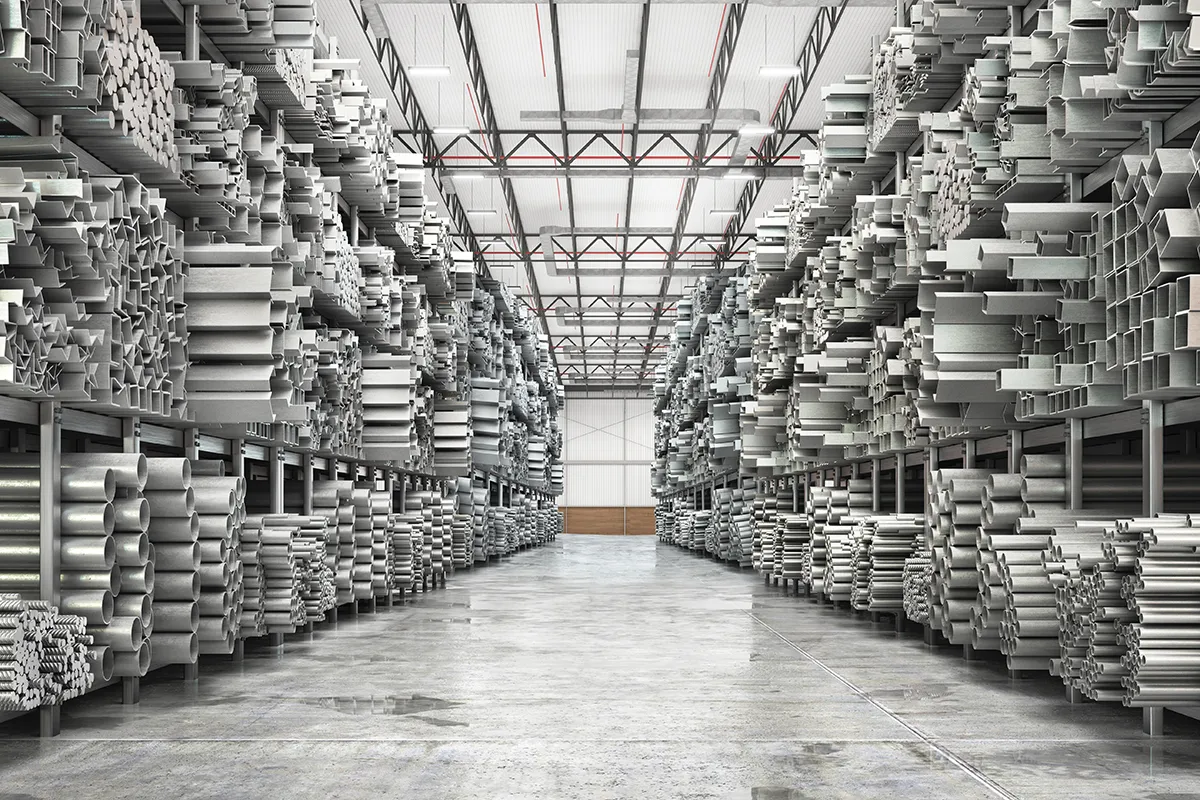
At the start of this century, if we had asked what the warehouse of the future would look like, the answer might have been that parts would be moved to and from machines fully automatically. A quarter of a century later, the technology is certainly mature enough. AGVs and AMRs can do the job. They have proved their worth in large intralogistics projects, and are now gradually making their way into SMEs in the manufacturing industry. You could see them in action at major automation trade fairs, but they are also being used in production environments. Will they become indispensable in the warehouse of every SME around the corner?
Anyone surveying the logistics market as a whole will have to conclude that, despite all the coverage, warehouse automation is certainly not yet the norm. Although its share is growing, and suppliers of this technology are winning more projects and generating more revenue, even the most optimistic estimates suggest that only 26% of warehouses have some degree of automation. Look more closely at AGVs and AMRs and that figure drops to below 10%. The potential gains from automation solutions in the face of labour shortages are undeniable. So what is still making the barriers to adoption so high, and what should you consider to ensure a successful implementation?
AGVs/AMRs for warehouse automation
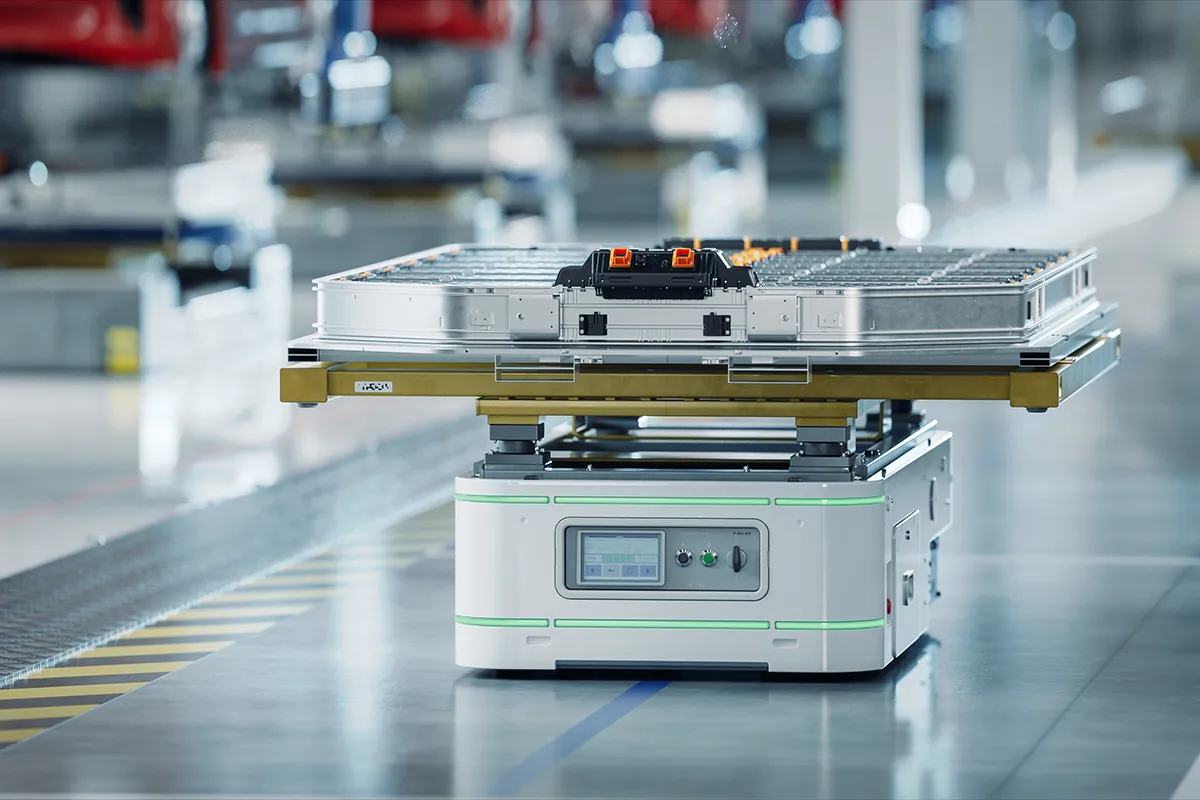
Automated guided vehicles (AGVs) and autonomous mobile robots (AMRs) are what most people picture when they think about the future of warehousing and materials handling. What exactly is the difference between the two? AGVs are automated vehicles guided by wires, magnetic strips or markers, and can perform various tasks, such as transporting materials between locations in a warehouse. AMRs, in turn, use a combination of advanced navigation technology and machine vision (sensors and cameras) to perceive their surroundings and make real-time navigation decisions to move their loads efficiently. The drive to integrate AGVs and AMRs into warehouse ecosystems is a trend fuelled by the explosive growth of e-commerce in recent years, together with a tight labour market and the need to process orders faster while reducing operating costs. These days, every machine builder seems to be looking at AGVs and AMRs, and at how this technology can make their customers’ processes more efficient.
The current warehouse automation landscape
The warehouse automation landscape is becoming increasingly dynamic, driven by rapid technological progress and growing pressure to streamline operations. Among the minority of warehouse operations that do use some degree of automation, most rely on more ‘traditional’ automation technologies, such as conveyor systems, automated storage and retrieval systems (AS/RS) and robotic arms for picking, packing and sorting. For most SMEs, these solutions are usually not well suited to their operations. It is not just a matter of bringing in raw materials and taking out finished products: transport between different processing stations also needs to be automated. AGVs and AMRs can often do this more compactly and effectively than conventional solutions. They can also be fitted with technology to pick up parts or carry out operations. To get AGVs/AMRs ready for prime time in your production environment, however, you need to take several factors into account.
Navigation and mapping
A common challenge for autonomous vehicles in warehouse automation is achieving accurate navigation and mapping in complex, constantly changing environments. Vehicles are equipped with advanced sensors, such as LIDAR, optical cameras and ultrasonic sensors, and algorithms to determine their location, avoid obstacles and navigate narrow aisles and tall racking. The technology is now mature enough to do this efficiently in manufacturing companies.
Load capacity
Many people overlook the effect of weight on AGV/AMR performance. Vehicles need to be the right size to meet load capacity requirements. If they are too small, they may slow down and hold up operations, negating their benefits. If the programme also requires several load sizes, AGV/AMR routes must be programmed to accommodate the largest or widest load, as AGVs/AMRs do not distinguish between different load sizes. This needs to be assessed thoroughly in advance, particularly in industrial sectors with heavy loads, to ensure the system operates reliably and continues to do so.
Battery life
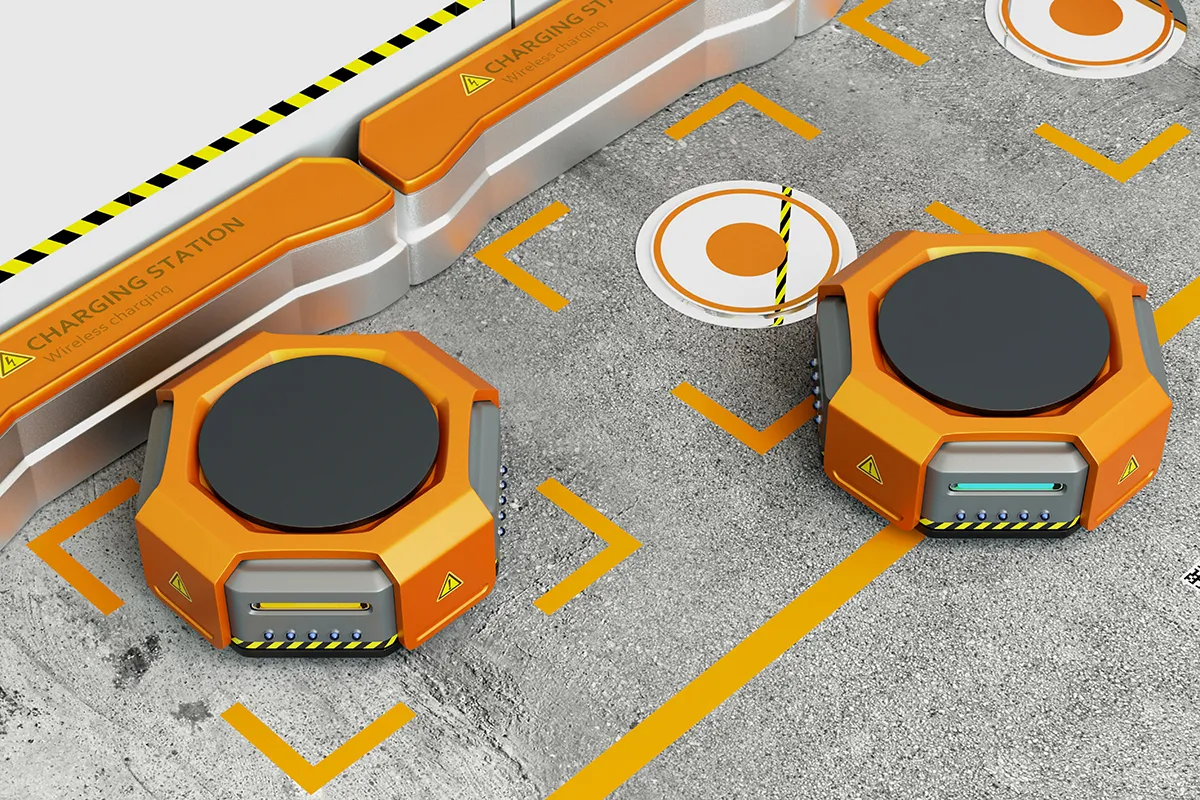
Despite huge advances in battery life, as well as developments such as contactless or wireless charging and fast charging, even the most advanced AGV/AMR is limited by the amount of power available to it, which can disrupt operations. That is why it is crucial to factor charging into your system design. It is important to consider factors such as the size of the autonomous vehicle fleet and charging time to ensure continuous operation.
Interoperability and system integration
Integrating AGVs/AMRs into existing warehouse management systems (WMS) and workflows requires fleet management software. Vehicles must communicate seamlessly not only with the WMS, but also with other robots and human workers to coordinate tasks and share real-time data. Too often, warehouse operators are unable to align their digital solution platforms and communication protocols to handle these complex data exchanges.
Scalability and flexibility
As you will see below, investing in AGVs/AMRs can be a considerable expense because of the additional hardware and software required for flawless operation, including chargers, software, manual control panels, QR codes and other navigation equipment. These systems need to be future-proof, so they can continue to deliver value as the organisation grows and evolves.
High initial investment
Alongside the technical planning required to implement AGVs/AMRs in your warehouse operations, you also need to consider the initial investment and disruption to operations during installation. Depending on the scale of your programme, implementing AGVs/AMRs in your warehouse operations may require a substantial initial investment. You are paying not only for the vehicles themselves, but also for the infrastructure they will operate on. This includes everything from charging stations and software to physical changes to the warehouse environment to accommodate the AGVs/AMRs.
Operational disruption during implementation
As you would expect, implementing a ground-breaking technology such as AGVs/AMRs in warehouse operations will cause disruption as traditional methods are replaced by automated processes. Warehouse operations may need to be reconfigured, the system must be thoroughly tested and staff trained to work safely with these new technologies. Once the programme is operational, a period of learning and adjustment is also needed to ensure smooth operation. While AGVs/AMRs can pose challenges for warehouse automation, the right preparation and an experienced automation partner can deliver significant benefits.
Question about this story? Ask your question
Keep following this
Get an email when a new story is published. No account needed.
- ThemeSmart manufacturing and logistics
- SubjectMotion, gears & drives







