












The impact of grid congestion on machine building
Text Valérie CouplezImage Lenze
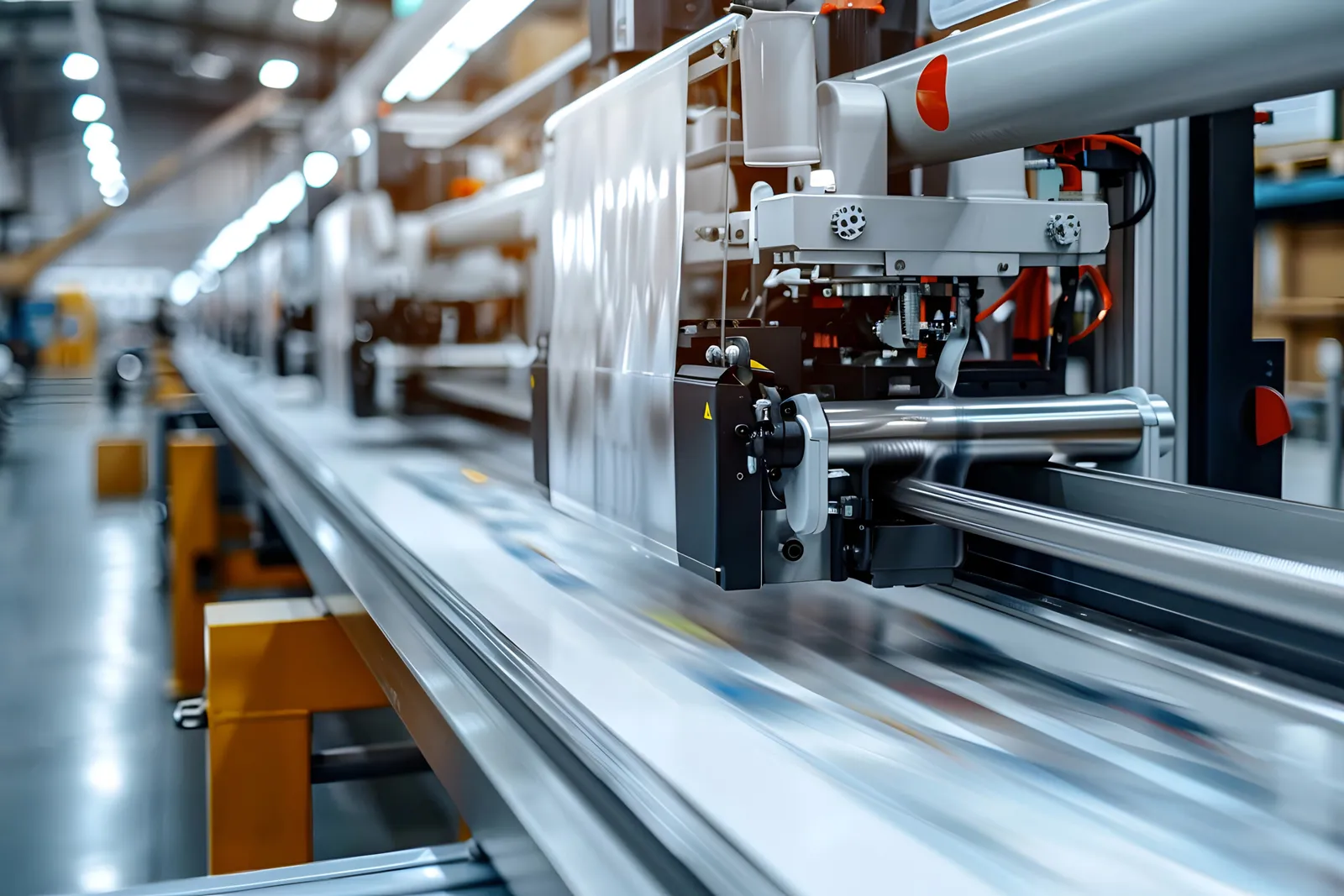
Until recently, electricity availability was a given, but that is no longer the case. Heavy industrial connection requests, battery projects and data centres have put such pressure on the electricity grid that they are becoming a structural constraint on industrial growth. This means the best machine is no longer the most powerful one, but the machine that can deliver reliable input within increasingly stringent energy limits. Lenze helps bring that machine together.
The Benelux is a useful indicator of a broader shift across Europe: access to energy is becoming less assured, more actively managed and increasingly decisive for industrial investment. The Netherlands is furthest along, with waiting lists and prioritisation rules already affecting companies. Belgium is moving in the same direction. In Flanders in particular, grid operators are introducing congestion management and flexible access models for businesses. This transition is changing how industry defines performance. Energy supply is no longer a fixed boundary condition. We therefore need to move away from the idea that a machine’s competitiveness is determined solely by higher output, speed and power. Industrial resilience will increasingly depend on the extent to which companies design, operate and invest within limited or conditional grid capacity.
Modelling and sizing the drive train
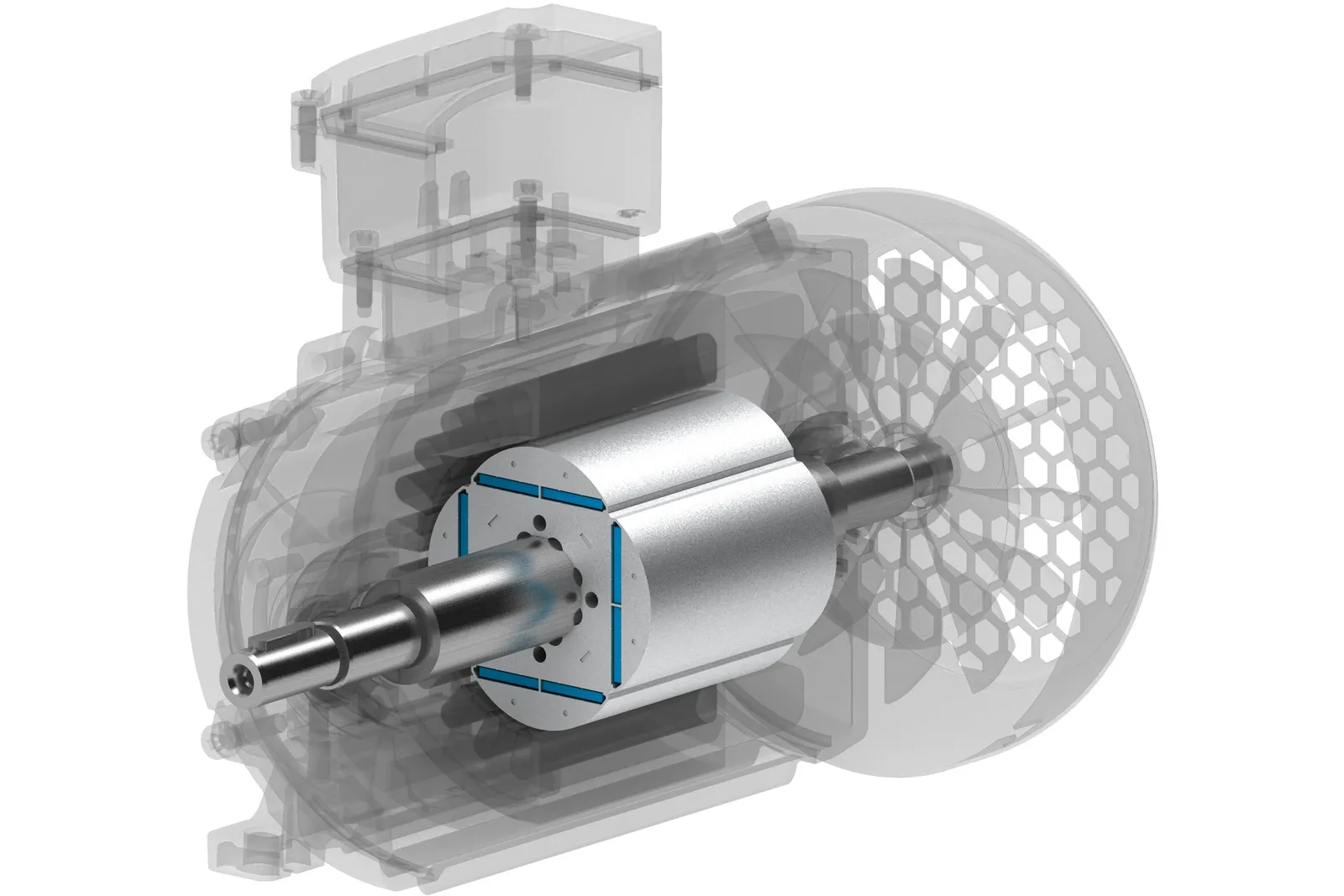
This also has implications for how we look at machines and production systems. Intelligent control, energy management, buffering, regeneration and peak-load reduction may once have been luxury options, but they are now essential requirements for staying relevant and continuing to produce in a Benelux energy landscape with limited capacity. It starts in the design phase: factor these energy considerations in from the outset. Tools such as Lenze’s Easy System Designer can help engineers model and size the drive train, providing insight into system behaviour before implementation. Choose energy-efficient components such as Lenze’s new IE5/IE6 motors, but above all, choose components that are perfectly matched to one another. When energy becomes a constraint, every component contributes to the behaviour of the overall system. Performance is no longer defined solely by speed or output, but by how effectively energy is used, controlled and balanced over time.

Making energy visible
A second crucial element is, of course, software. It plays a central role in making energy consumption visible, controllable and economically justifiable. Software helps companies align production with available capacity, reduce peak loads and prepare for flexible grid access models. So do not see it as a commercial add-on, but as a practical tool for making more robust design choices. OEMs increasingly expect suppliers to provide components that make real-time energy data available, support dynamic load management and minimise peak demand. Without that transparency and controllability, suppliers risk becoming a limiting factor in system design.
Suppliers that contribute to energy intelligence are moving up the value chain: they enable machines that are easier to connect, operate more predictably and are more resilient under constrained conditions. This ecosystem perspective is central to Lenze. By combining drive technology, automation and software, Lenze works with OEMs and suppliers on machines that not only deliver high performance, but are also designed to be energy intelligent and future-proof.
From constraint to value creation
The strategic question is no longer whether congestion matters, but whether current investment choices take account of the conditions under which industry will have to operate tomorrow. Companies that act early can move from reactive adaptation to proactive value creation: by designing machines that are easier to connect, making factories more resilient and enabling production systems to respond dynamically to available capacity. Lenze supports this transition by enabling energy transparency, controllability and optimisation at system level. Given the strategic impact of grid congestion in the Netherlands and growing pressure in Belgium, awareness and dialogue remain essential throughout the Benelux and further afield in Europe. Lenze contributes to that dialogue through knowledge-sharing sessions and engagement with industry, including events, online sessions, workshops and one-to-one discussions. The aim is not to amplify the problem, but to accelerate understanding of practical, future-proof approaches and create value in the process.
Een zakelijke vraag aan Lenze BV? Get in touch
Companies in this story

Keep following this
Get an email when a new story is published. No account needed.
- SubjectMotion, gears & drives
- CompanyLenze BV







