












The fundamentals of motion control
Text Valérie CouplezImage iStock
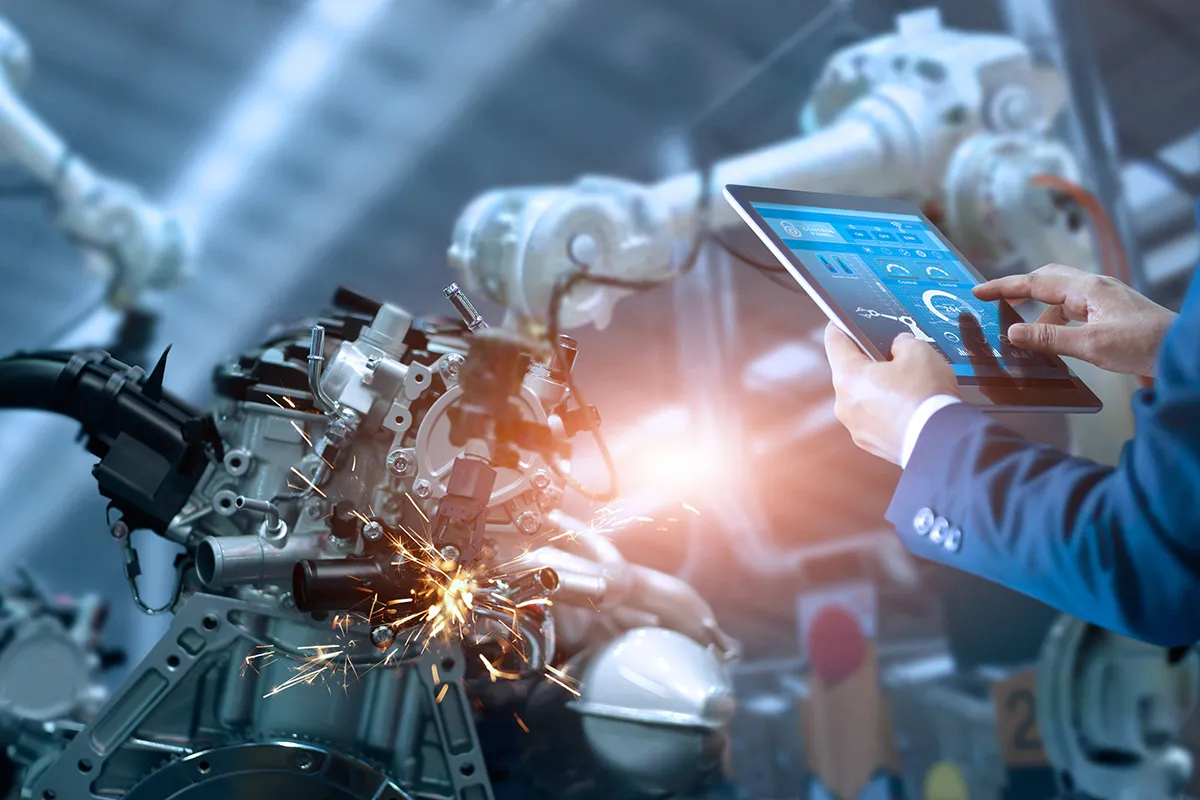
Motion control is an integral part of process automation and concerns the movement of machine components. You could call it the technology behind automation. Motion control encompasses the systems or subsystems involved in moving machine components in a controlled way, where precision and efficiency are crucial. It is essential in modern robotics, CNC machines and countless other applications.
Motion control enables components or objects to move smoothly and precisely. Think of it as the conductor of an orchestra, guiding each musician to play their instrument at the right time. Motion controllers do much the same in machines. They orchestrate motors and actuators to deliver precise automation across a range of applications. The aim is to move a component or tool from point A to point B. For machine builders, what matters most is the process that takes place at those endpoints or along the way. Understanding that machine process is therefore essential when selecting the right components.
Motion control components
Motion control is made up of several components. The motion controller is essentially the brains of the operation. It processes algorithms, generates command signals and requests status updates to control the machine’s trajectory and speed. An actuator produces movement, while sensors provide feedback. This could be an encoder that sends a pulse so the controller knows the actuator’s position, or a torque or force sensor that indicates how much torque or force has been applied. Some manufacturers can also obtain this data directly from the motor, eliminating the need for additional components. The drive is the muscle: it interprets the controller’s low-voltage control signals and supplies high current or voltage to the motor. Motors are the heart of every motion control system. They convert electrical energy into mechanical energy. A network of wires, like the central nervous system, carries signals back and forth between system components. Sensors such as encoders, potentiometers and tachometers act as the system’s eyes, enabling adjustments in response to changes in the process. Finally, the mechanical housing acts as the skeleton, supporting the loads and actuators.
Fundamentals
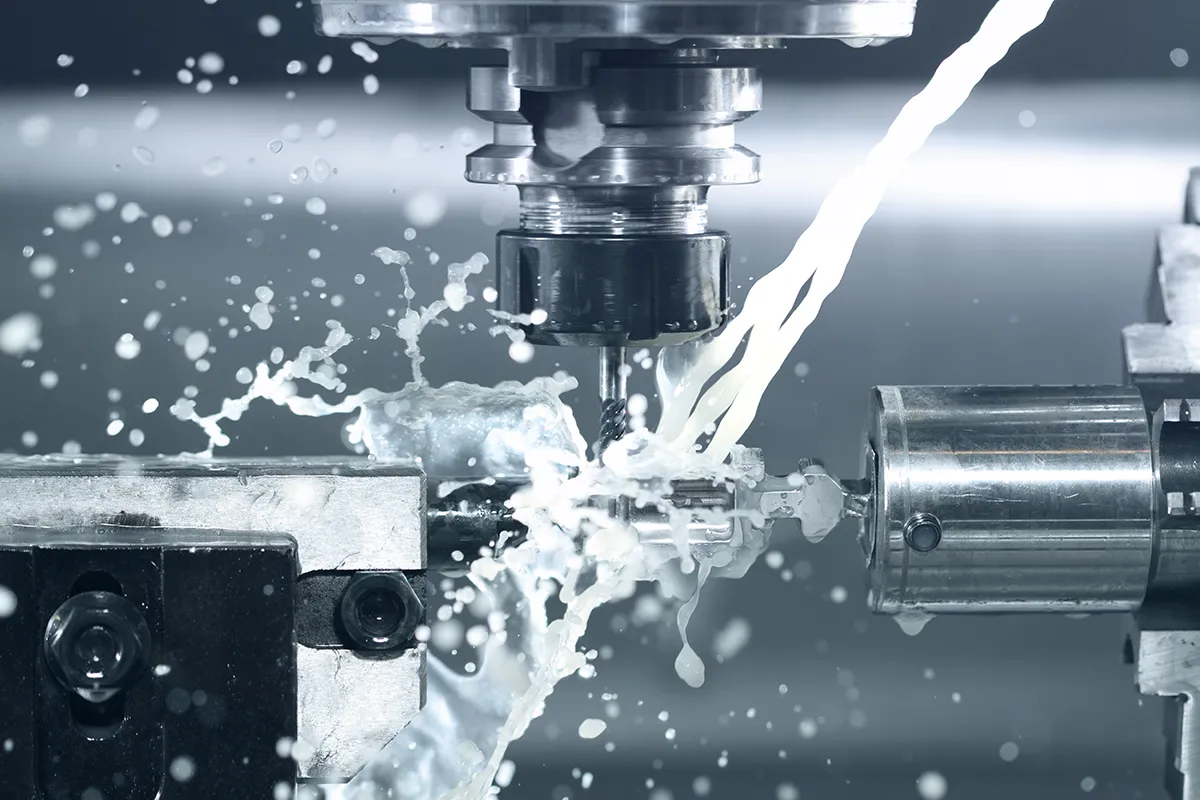
Engineers working in automation need a good understanding of the fundamentals of motion control. Key concepts include position, speed and torque control, which determine how motion control systems work and interact with their environment. Motion systems can consist of a single axis or multiple coordinated axes. There are two categories of control system. Open-loop systems do not use feedback and rely on predefined commands. Closed-loop systems use feedback mechanisms to make continuous adjustments and optimise performance.
Industry standards
By ensuring interoperability, safety and performance across different systems and manufacturers, industry standards help drive the adoption of motion control technology. Standards cover various aspects of motion control, such as terminology, communication interfaces, and performance test methods and procedures. Adopting open network standards enables interoperable communication and facilitates the seamless integration of motion control components from different suppliers, increasing design flexibility and reducing costs for end users. The PLCopen motion control standard, for example, provides a way to use standard application libraries that can be reused across multiple hardware platforms. Such standardisation efforts aim to simplify programming and improve the portability of motion control applications. IEC 61131-3 and PLCopen are the main programming standards. PackML is another important standard, requested by end users in the packaging industry, while EtherCAT is undoubtedly the trend for deterministic motion and I/O networks.
Conclusion
Motion control and motors are the foundation of modern automation and drive innovation. As technology continues to evolve, it is increasingly important to understand the principles, keep up with industry standards and make use of available learning resources. With emerging trends such as AI integration, IoT connectivity and Industry 4.0 shaping the future of motion control, machine builders must continually adapt and expand their knowledge to stay ahead in this dynamic and essential technology.
Question about this story? Ask your question
Keep following this
Get an email when a new story is published. No account needed.
- ThemeFrom design to flexible machine
- SubjectMotion, gears & drives







