












Technology with a human face
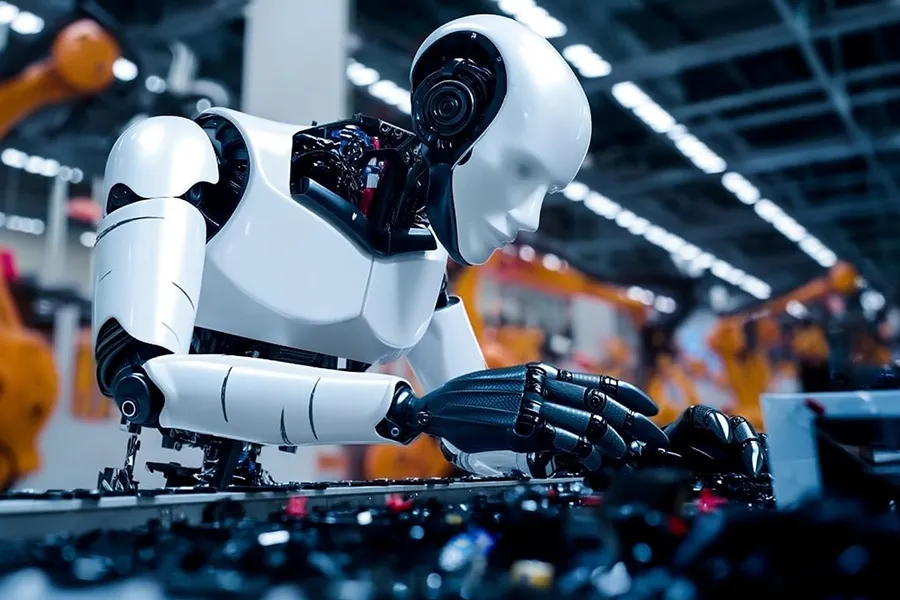
Humanoid robots are fascinating: they walk, grasp and keep their balance, making impressive movements. Some models can even interpret facial expressions or understand spoken language. Ideas that were science fiction just a few years ago are now walking among us. The technological development of humanoid robots involves a complex interplay of different components, including artificial intelligence, precision mechanics and powerful drive technology. Miniaturisation is essential in robotics because it enables compact designs with extensive capabilities. Modern technologies and drive systems from FAULHABER are helping to shape the future of robotics.
Walking on two legs requires extensive coordination and precise control. Walking may seem simple, but even humans usually need well over a year to learn how. It is no wonder: putting one foot in front of the other requires around 200 muscles, countless complex joints and several specialised areas of the brain to work together. Humanoid robots have unfavourable lever ratios for movement. This means that a very small motor must deliver as much torque as possible to come close to human movement. Conventional robots operate in structured environments, such as industrial or logistics settings. Humanoid robots, however, face a much more challenging environment: everyday life. They must be able to navigate unstructured surroundings. No two living rooms are the same, and every task is different. When working in direct contact with people, robots operate in less abstract settings. They are physically present, often very close by.
Humanoid robots are the bridge between artificial intelligence and the physical environment, the real world. They can not only process digital data, but also turn it into concrete actions. When robots move smoothly and safely, they can take on tasks that previously only humans could perform. For example, they can work in hazardous environments, in direct contact with people or on repetitive processes. Robots help with household tasks and support rehabilitation. They work with older people and in retail. In short, robots are becoming increasingly versatile and can adapt to human environments.
The role of drive systems
Behind every movement of a humanoid robot is a precision drive system. It determines how smoothly the robot raises an arm, how quickly a leg responds or how carefully the fingers of a hand grasp an object. Drive technology therefore has a significant impact on the robot’s overall performance and is also key to how naturally and safely it moves. This calls for motors that are extremely small, highly efficient, dynamic and precisely tuned. Only highly advanced micromotors are suitable. These considerations are important not only in robotics, but also in prosthetics. The transition between humanoid robotics and prosthetic technology is a gradual one. Modern prostheses, especially those for arms or hands, imitate the movements of the human body and use operating principles similar to those of humanoid robots. Electric motors, sensors and precise control support intuitive, powerful movements. In both prostheses and robots, the aim is a perfect symbiosis between technology and biology, to extend human capabilities or compensate as effectively as possible for loss of function.
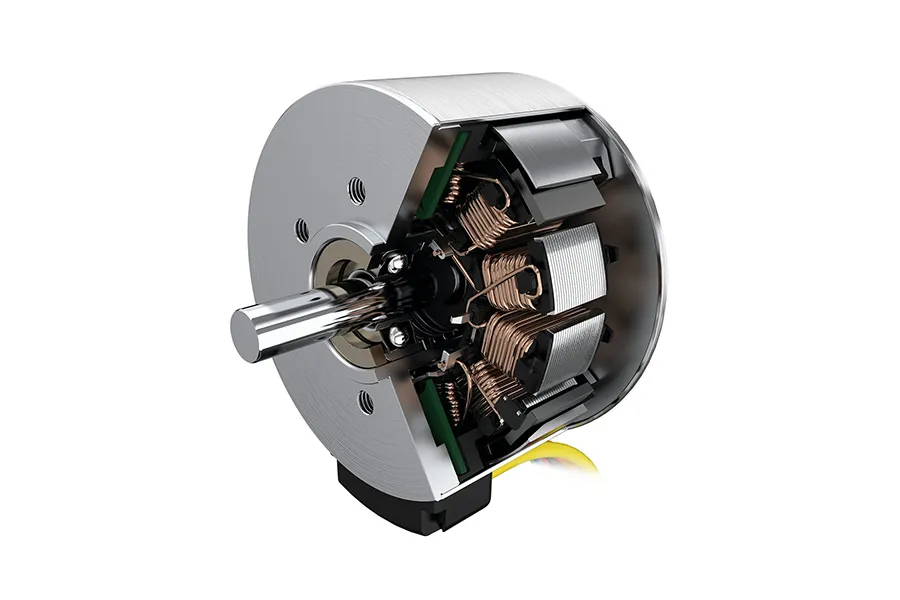
FAULHABER for the future of humanoid systems
Micromotors are used not only in humanoid robots, but have also been used for years in robotic aids such as motorised hand and leg prostheses. They have proven that they meet the highest standards for particularly sensitive and demanding applications. FAULHABER develops and manufactures high-precision drive systems used worldwide in modern prostheses and humanoid robots. Whether it is a delicate finger movement or a powerful step, the motors deliver maximum mobility in minimum installation space. Their added value is particularly clear in dynamic movements that imitate human gestures. As these systems increasingly come into direct contact with people, safety and controllability are key considerations. Developing suitable concepts is essential for smooth and safe human-machine collaboration. This involves not only software control, but also safety mechanisms integrated directly into the drives. FAULHABER is responding to this need with drives that are not
only powerful and compact, but also designed with safety in mind. This makes them ideal for demanding applications in robotics and medical technology. In practice, they can even withstand short periods of extreme loading without affecting the service life of the components. Close collaboration between leading research institutes and development partners ensures that FAULHABER technology remains at the forefront.
Een zakelijke vraag aan FAULHABER Benelux B.V.? Get in touch
Companies in this story

Keep following this
Get an email when a new story is published. No account needed.
- ThemeRobots on the shop floor
- SubjectMotion, gears & drives
- CompanyFAULHABER Benelux B.V.







