












“Standard components as the basis for customised solutions”

Engineers have high expectations of suppliers of industrial components. How does a damping specialist meet those expectations when standard products are not up to the job? Dieter Wohlschlegel, Engineering Manager at market leader ACE Stoßdämpfer GmbH in Langenfeld, Germany, answers this and other questions.
Interview with Dieter Wohlschlegel, Engineering Manager at ACE Stoßdämpfer GmbH
Mr Wohlschlegel, when we look at automation, the need for increasingly efficient drives stands out. Why do you think it is important for developers to consider damping too?
“Because efficiency also means keeping the overall dimensions of the design within reasonable limits. If a drive also has to decelerate at the end of a movement, a more powerful, larger drive is needed, which often consumes more energy too. That is where our fail-safe brake solutions come in: they reduce both the physical and environmental footprint of the drive. Small industrial shock absorbers make it possible to move masses using the smallest possible pneumatic cylinder, meaning that smaller valves and maintenance units are sufficient. These hydraulic components also increase the number of cycles and protect machines and materials. Since ACE became part of the Stabilus Group in 2016, we have offered suitable components for more than 90 per cent of all industrial designs, covering both shock and vibration damping. Our range also includes safety products and speed control solutions as its third and fourth pillars.”
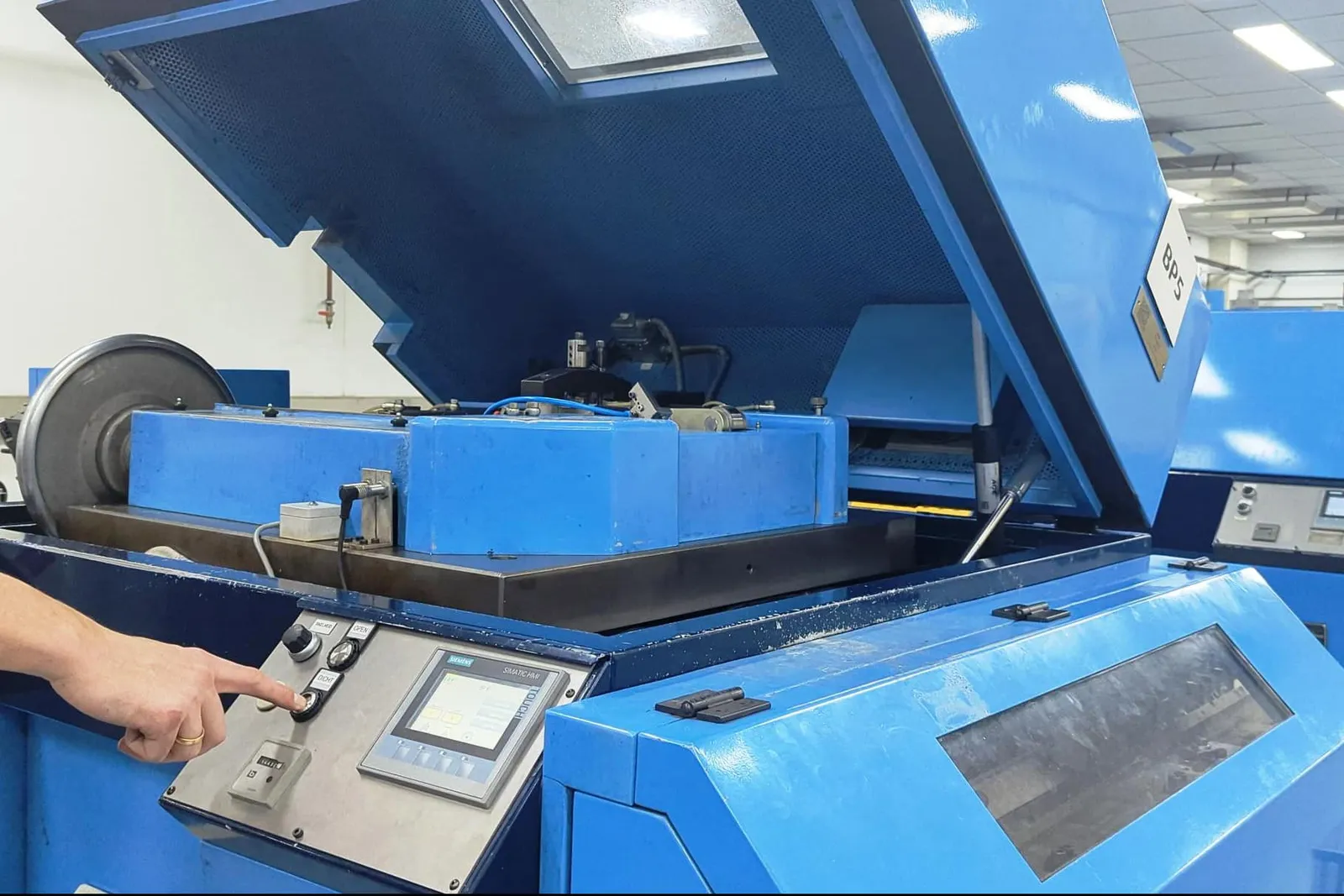
That is a wide range of different solutions. How do you stop customers from losing track of what is available?
“Our website is essential in this respect. We recognised the opportunities offered by digitalisation early on. It started with our own calculation programmes, and we quickly realised how important it was to visualise our solutions. The first websites followed, with an online 3D CAD library that we integrated at an early stage. We then developed intuitive configurators that guide customers to the ideal solution in just a few steps. An online shop completes the offering. Those who prefer to work offline can call us or draw on the expertise of technical specialists from across the Stabilus Group at their site.”
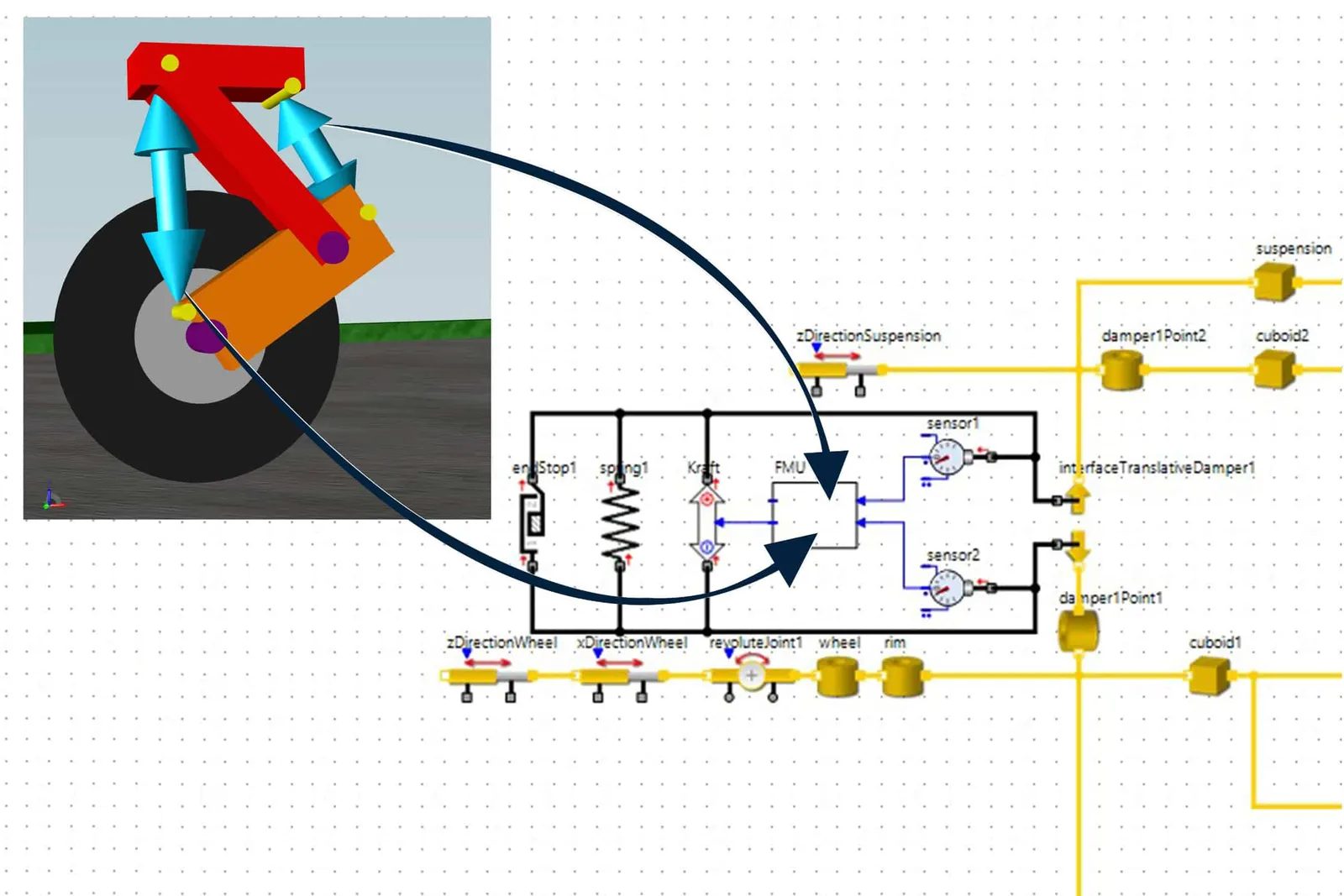
Couldn’t you save on these staffing costs? After all, there will be more and more ‘digital natives’ among engineers in the future.
“Yes and no. It is true that digitalisation is increasing and that we can handle a lot online. At the same time, however, customer challenges are becoming more complex, requiring more engineering expertise. We can often answer standard questions digitally, but bespoke solutions are often too complicated to deal with this way, especially for special-purpose machines. Our damping solutions are often used in renewable energy projects, such as floating power generators, wind turbines and so-called solar trackers. In these applications, we often use specially adapted dampers, developed using simulations and tailored to environmental conditions. Key criteria include high mechanical load capacity, corrosion resistance and a long service life, qualities for which ACE is known.”
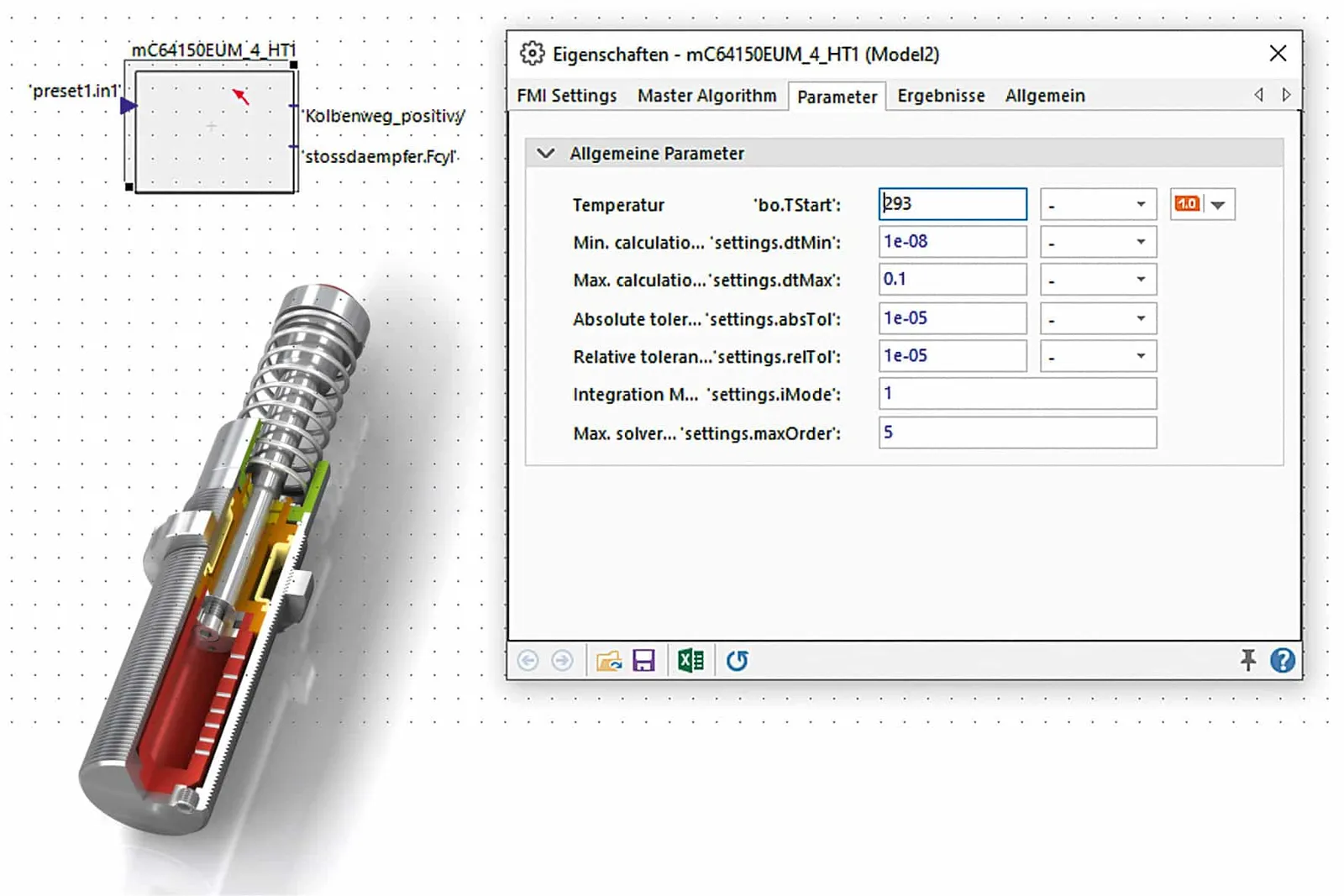
Could you explain this simulation-based development in a little more detail without revealing any trade secrets?
“(Laughs) There’s no need to worry, this is now state of the art among industry leaders. What sets us apart is that our customers and we benefit from the many projects we are involved in. Intensive collaboration with our customers has led to the development of new products in small batches on several occasions. For example, we have adapted standard dampers for specific applications, such as ten bespoke small shock absorbers in a handling system at a chip manufacturer. Three precision axes had to be protected against accidents. Working with the customer, we identified the right damper for each axis, which had to meet exact specifications. We also had to take account of a maximum reaction force in the event of a crash. Based on all the specifications, we simulated the orifice pattern of the small shock absorbers under consideration. This enabled us, initially on a PC, to decelerate the energy and speed evenly over the entire stroke length and significantly reduce the maximum reaction force. In a third step, we optimised the standard dampers by adapting them on the basis of the simulation. This required tests on a specially built test rig equipped with high-end axes and sensors. Thanks to these simulations, we were the first manufacturer of industrial shock absorbers to offer digital twin data for integration into virtual models.”
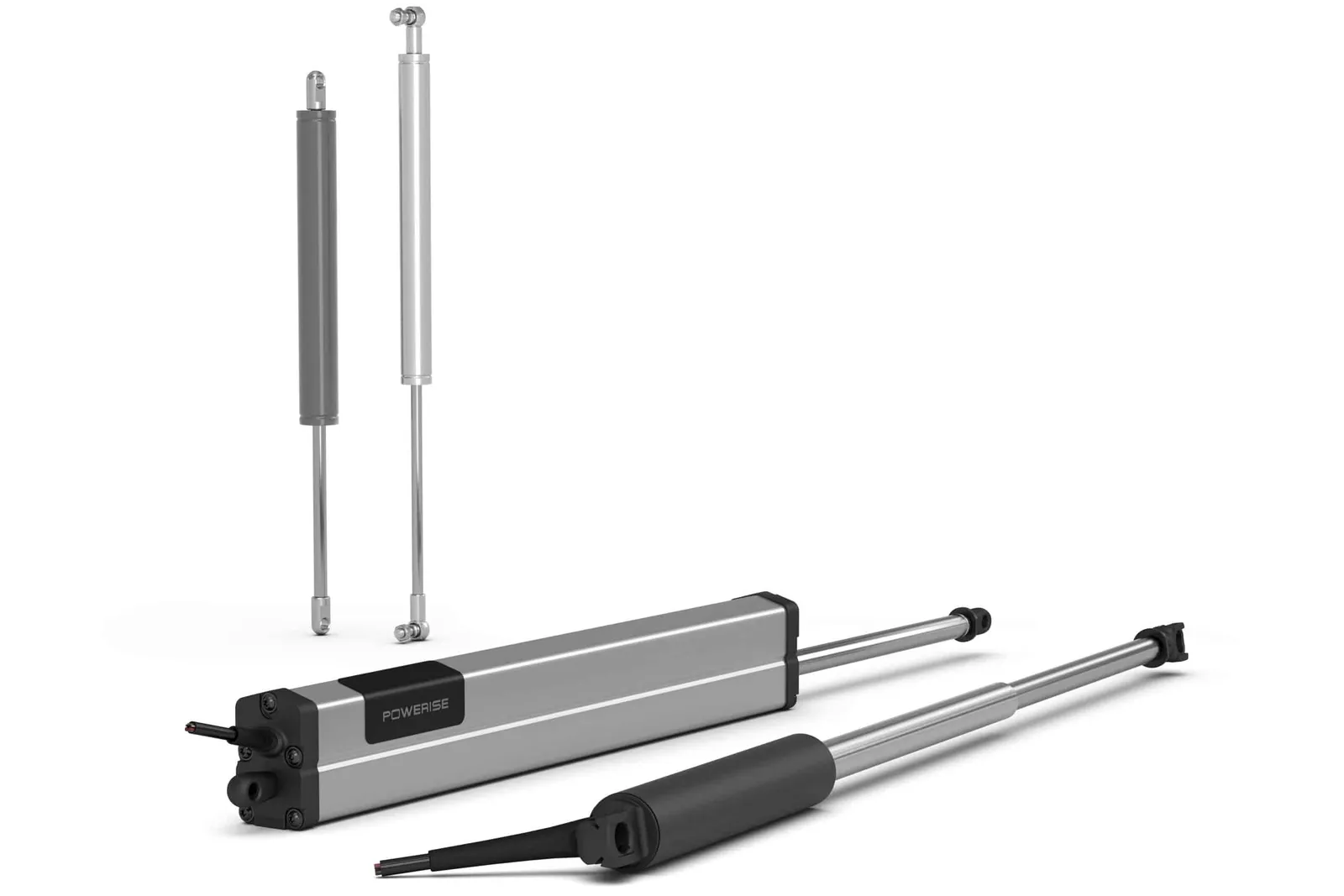
Can you give us a preview of your latest innovations?
“Our Industrial POWERISE® range has just been launched: a new class of electromechanical drives for industry. Available with lead pitches between 2 mm and 25 mm, they can raise, lower and position components at the touch of a button. With forces ranging from 250 N to 4,000 N and stroke lengths from 50 mm to 350 mm, they are ideal for automatically moving valves, hoods, doors or gates. What is special is that customers can also combine them in small quantities with our gas springs and gas traction springs from the ACE-NEWTONLINE series. More ergonomic and safer operation at the touch of a button is an attractive proposition for both new and existing designs. One example is their use on the 45 kg hoods of a customer’s machine tools in Sittard. The customer is very pleased with how much easier the machines are to operate thanks to Industrial POWERISE®.”
Have a business enquiry for ACE Stoßdämpfer GmbH? Get in touch
Companies in this story
Keep following this
Get an email when a new story is published. No account needed.
- ThemeFrom design to flexible machine
- SubjectMotion, gears & drives
- CompanyACE Stoßdämpfer GmbH







