Five key robotics trends
Text Valérie CouplezImage IFR
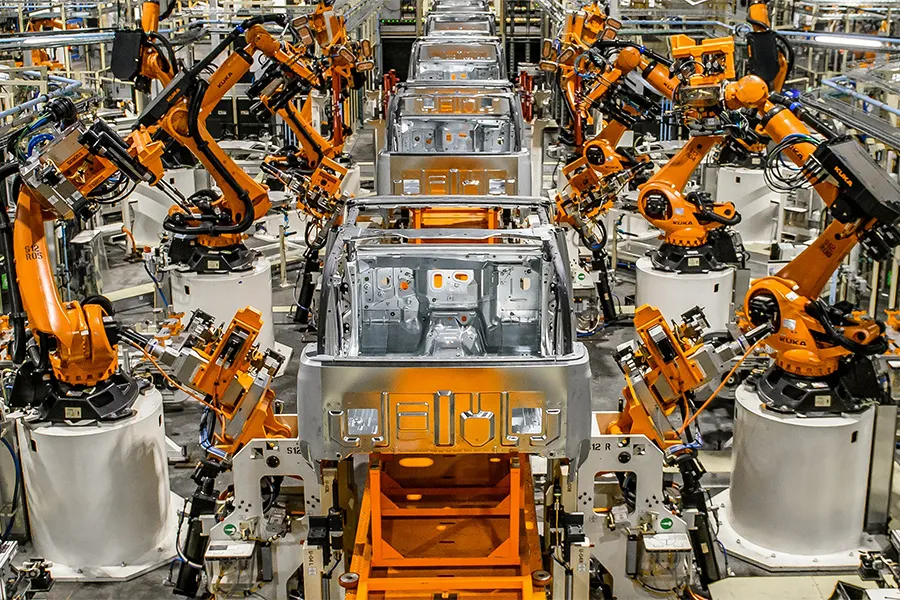
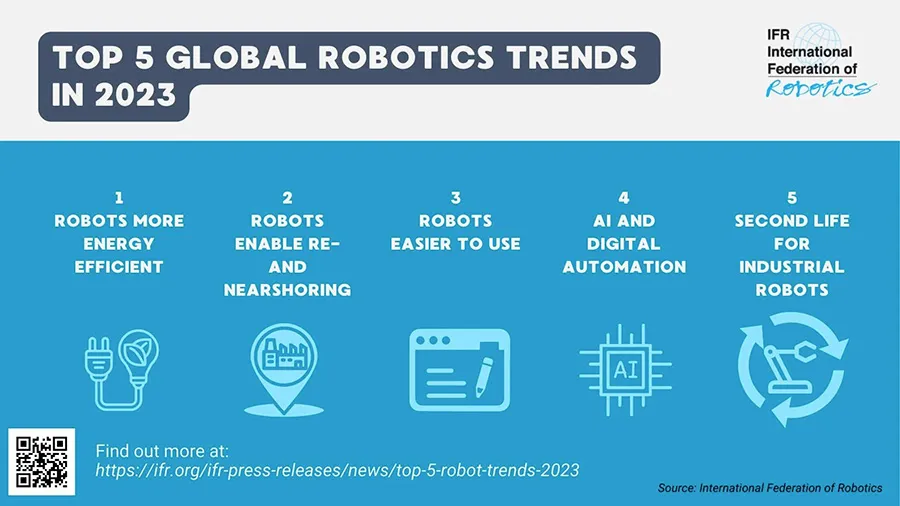
There have never been more robots at work worldwide. An IFR report, published by the International Federation of Robotics, showed that the 3.5 million mark was passed earlier this year. The organisation also looked ahead at the top trends shaping robotics and automation in 2023.
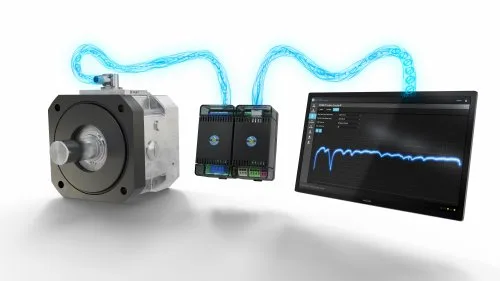
It should come as no surprise that energy efficiency tops the list. Many companies see it as a way to boost their competitiveness against a backdrop of rising energy costs. Robots also play their part. Compared with traditional assembly lines, they require far less heating. At the same time, they operate at high speed, boosting productivity and reducing the time and energy needed for production. Manufacturers are contributing by prioritising energy efficiency in the design of new robots. Technological features also help save energy. Robot controllers, for example, can convert kinetic energy into electricity and feed it back into the power grid. Nowadays, they are also equipped with smart energy-saving modes that supply power only when the robot needs it. This means less energy is needed to operate robots. And for those who want proof in black and white, the integration of energy sensors is gradually becoming standard.
Re-, near- and friendshoring
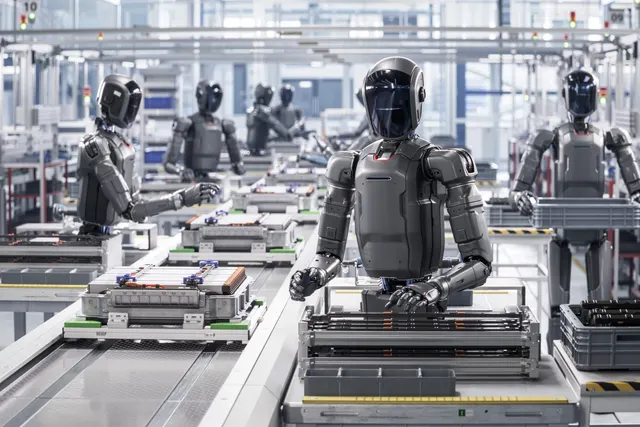
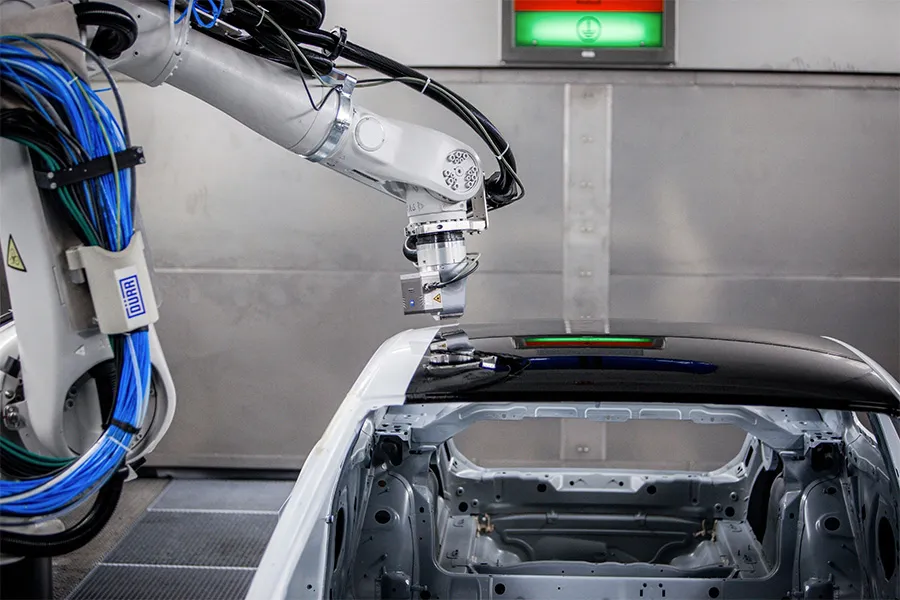
Production is increasingly returning from low-wage countries. Car manufacturers, for example, are investing heavily in short supply chains to bring processes closer to their customers. Robotic automation enables them to produce high-performance batteries profitably and in large quantities, without having to invest in shipping these heavy components. More and more logistics companies, incidentally, are firmly opposed to this for safety reasons.
A similar story is unfolding in microchip production, where the United States and Europe are now investing heavily. Robots are essential to meet the extreme precision requirements of semiconductor chips. They handle manufacturing, take on cleaning tasks or test integrated circuits.
Easier to use
You no longer have to be a rocket scientist to programme robots. The rise of software-driven automation platforms means users can operate industrial robots without any prior programming experience. Robot manufacturers are also keen to contribute to this shift. They are working with technology partners specialising in low-code or even no-code applications to help users of all skill levels learn to work with robots. User-friendly software combined with an intuitive user experience is replacing the extensive robot programming of the past and opening up new possibilities for robotic automation. For example, a traditional robot for heavy industrial applications can now be equipped with sensors and new software so that it can also operate in collaborative mode. This enables workers to adapt heavy machinery easily to different tasks. User-friendly programming interfaces that let customers configure the robots themselves are also driving the emerging segment of low-cost robotics.
Artificial intelligence and digitalisation
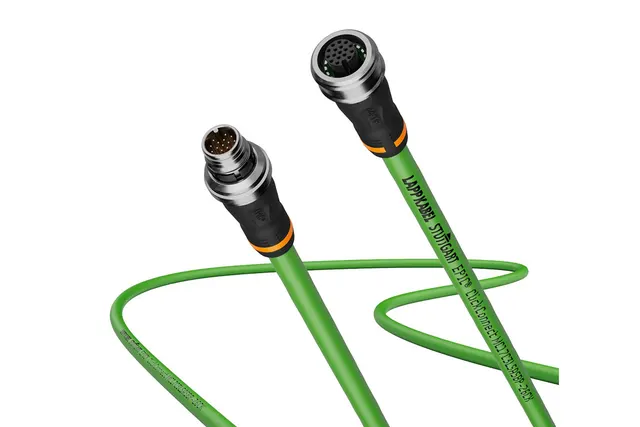
Driven by advances in digital technology, new applications continue to emerge, while existing ones are improved in terms of speed and quality. Robots will increasingly become part of a connected digital ecosystem. Cloud computing, big data analytics and 5G networks provide the technological basis for optimised performance. The 5G standard will even make fully digitalised production possible, eliminating the need for cables on the factory floor.
Artificial intelligence also has considerable potential. Integrating it will make it possible to better manage the variability and unpredictability robots encounter in their surroundings, either in real time or offline. Artificial intelligence and machine learning are already frequently included in robot software, particularly for vision applications and predictive maintenance. The greater the variability and unpredictability of the environment, the more likely artificial intelligence algorithms are to offer a cost-effective and fast solution. Artificial intelligence is also useful in environments where mobile robots need to distinguish between objects and people and adapt their responses accordingly.
A second life for robots
An industrial robot can have a service life of up to thirty years. Technological developments make it more worthwhile than ever to give old robots a ‘second life’. Manufacturers such as ABB, FANUC, KUKAn Stäubli and Yaskawa have specialised repair centres near their customers to refurbish or upgrade used units. This makes more efficient use of raw materials. This prepare-to-repair strategy by robot manufacturers also saves their customers money and can make an important contribution to the circular economy. ■
Question about this story? Ask your question
Companies in this story

Keep following this
Get an email when a new story is published. No account needed.
- ThemeRobots on the shop floor
- SubjectRobotics
- CompanyABB N.V.