












Motion plastics as a sustainable material cornerstone
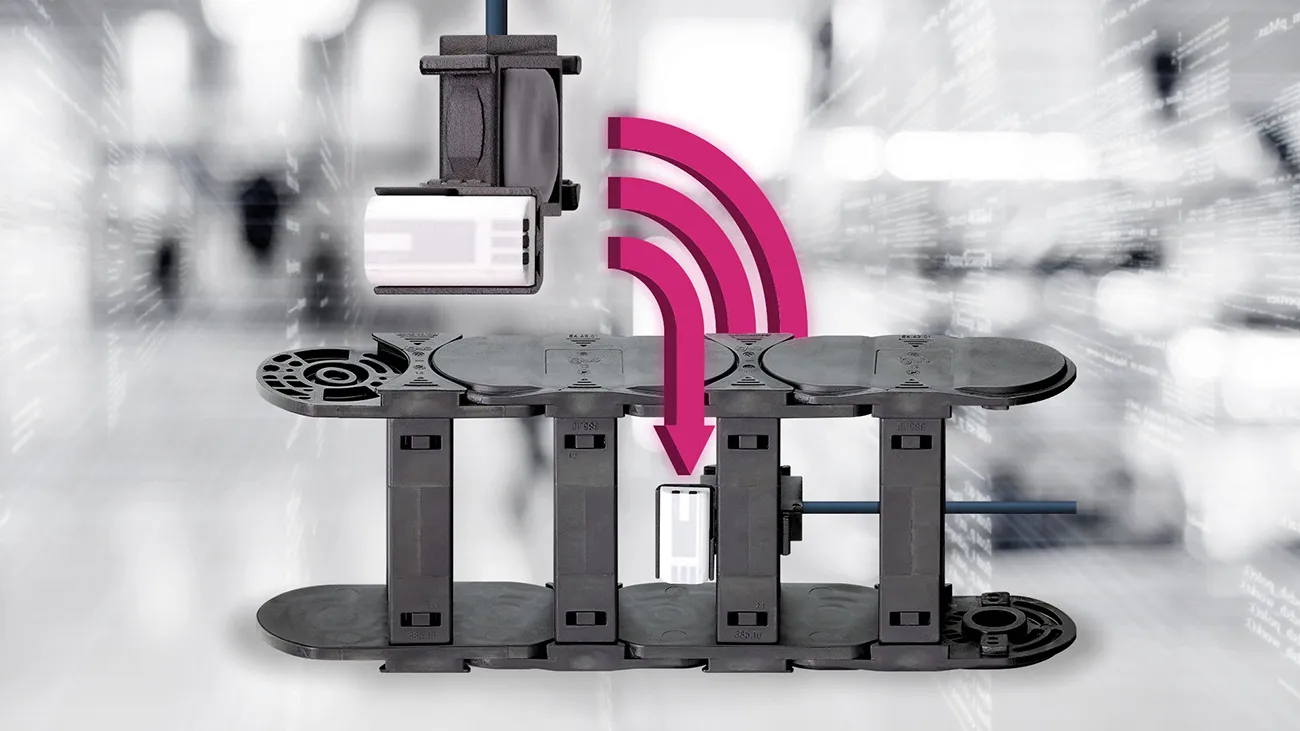
Using high-performance plastics to help create an environmentally conscious world that relies less on lubricants. German company IGUS is proud of the credo behind its statement at Hannover Messe.
The global market leader in areas including plain and linear bearings, highly flexible cables and, of course, motion plastics in general, left no room for doubt at its online press conference on 12 May: the company is fully committed to high-performance sustainability, and is taking it further than ever. For example, browse through its 234,000 stocked articles and you will find that an online configurator can calculate the expected service life of each one.
At the same time, the online event focused on the application-oriented, innovative materials technology developed by IGUS. Here are some of the key highlights.
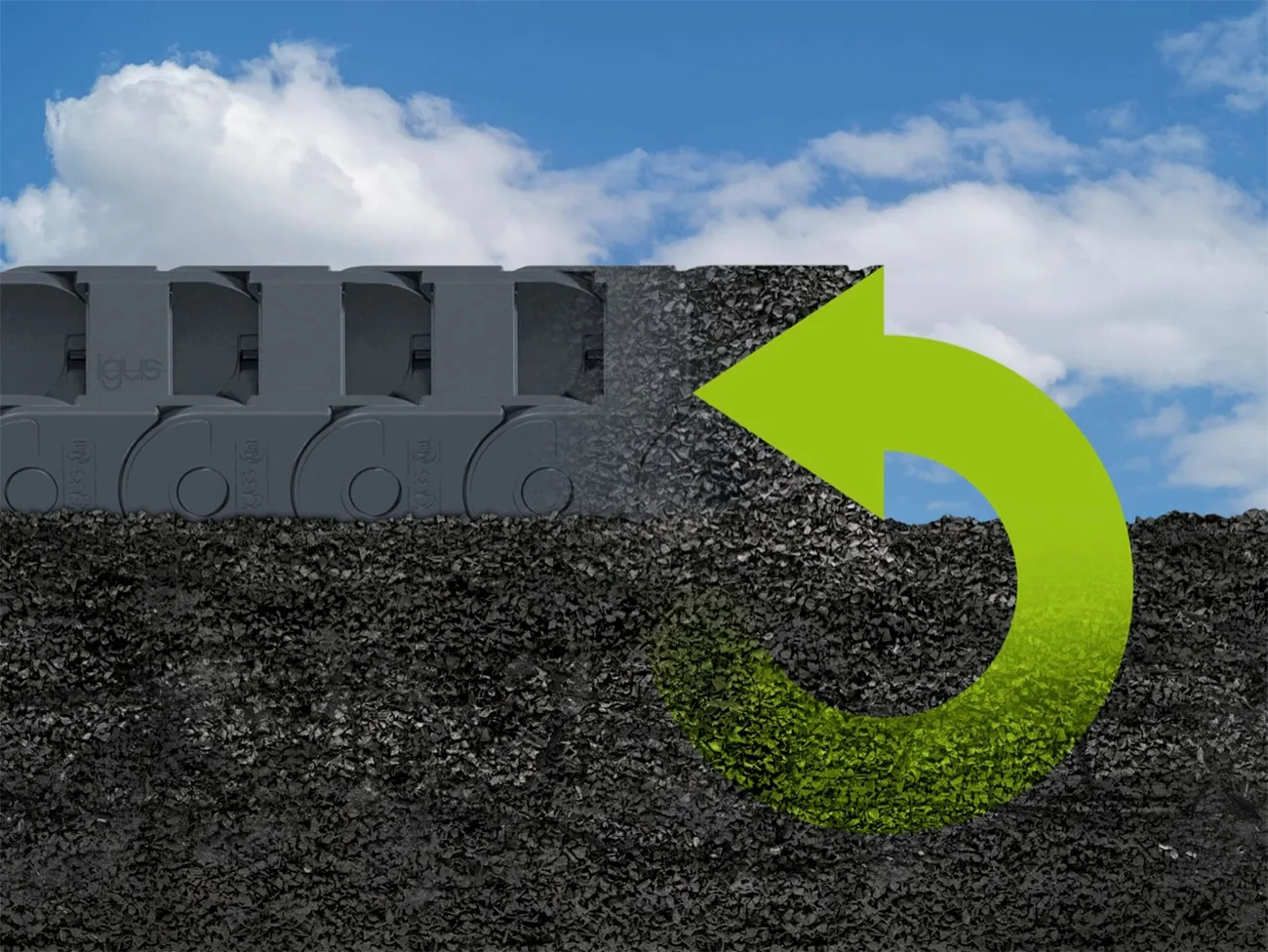
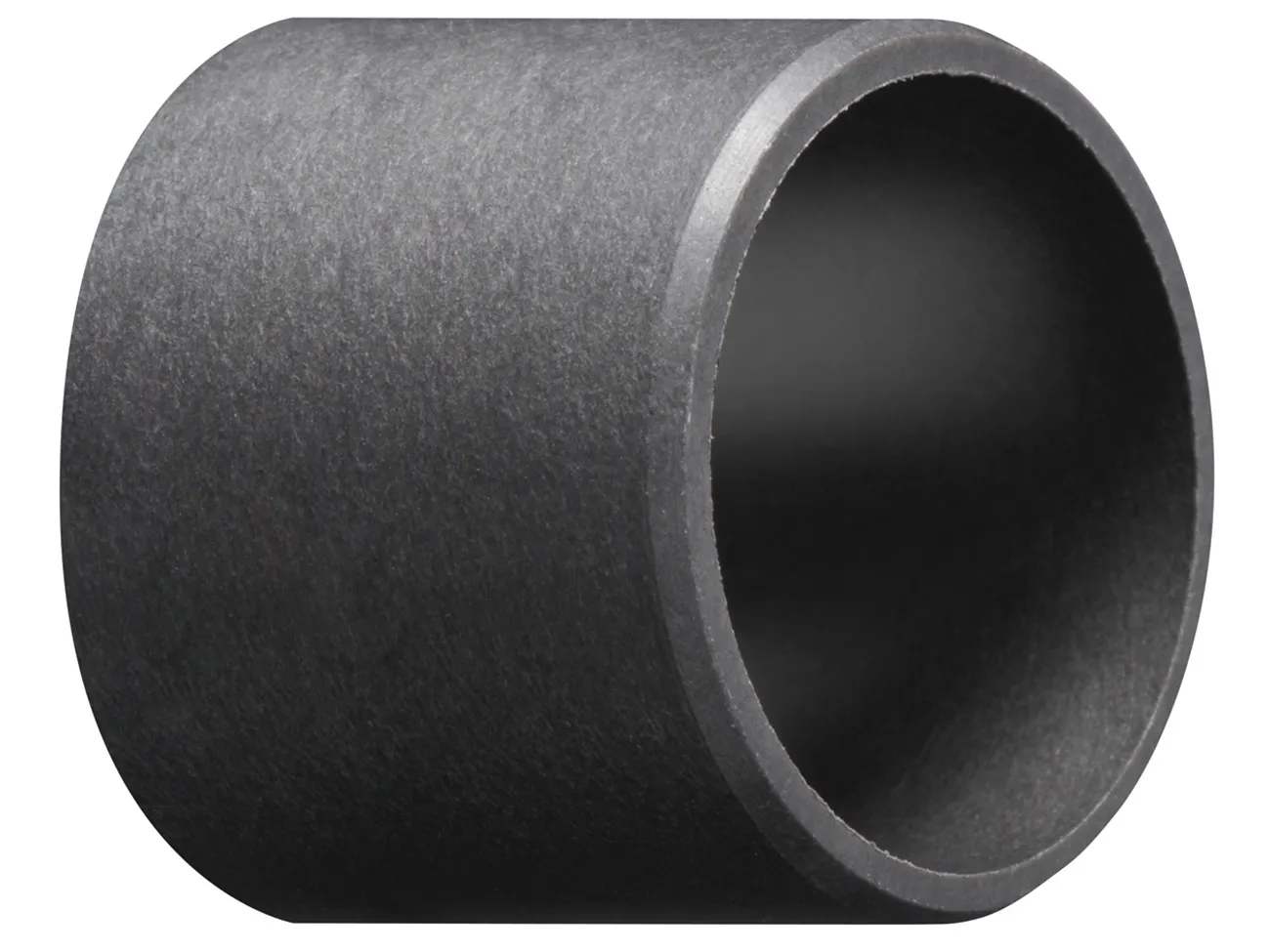
1. Self-lubricating plastic plain bearings made from 100% recycled production waste
A benchmark in the circular economy, as no virgin granulate is used. Their self-lubricating properties eliminate the need for additional lubricants. IGUS supplies the plain bearings in four material grades and twelve sizes. A global CO2 footprint has also been calculated for each model and is available online.
2. Quiet ball bearing
Using two different motion plastics delivers exceptionally high noise reduction. The inner race of the ball bearings is made from a relatively soft material that is in contact with the balls. It has excellent damping properties and is also wear-resistant. The other plastic forms the hard outer casing, which also provides the required dimensional stability.
IGUS is primarily targeting applications that require low noise levels at high speeds, such as ventilation technology in air conditioning units or computer cooling systems.
3. DLP resin
The versatility of DLP technology is now widely recognised. It is a powerful alternative, particularly for 3D printing miniature parts without post-processing. However, there is still considerable untapped potential, especially in terms of materials. For example, IGUS developed Iglidur i3000 for applications where components are subject to friction and wear. The new material’s service life is up to sixty times that of standard 3D printing resins. This will allow IGUS to significantly expand its range of custom 3D components, as it can now also manufacture very small technical components such as gears.
4. Linear technology
A linear slide system combining a coated aluminium rail with a low-friction plastic achieves a friction coefficient of just 0.16. Dubbed Iglidur E3, it runs 100% dry, in other words, it requires no lubricants.
Alongside the choice of a suitable base polymer, the orientation of the fibres in the plastic also proved to make an important contribution. Early applications include miniature guides for desktop systems and laboratory equipment.
5. i.Sense service-life sensor
A prime example of IGUS’ smart plastics. This miniature sensor makes it possible to monitor and predict the service life of energy chains based on wear. The sensor’s core consists of a plastic matrix with conductive zones. As wear occurs, the resistance between the zones changes, allowing the remaining service life of the energy chain to be calculated.
The sensor can also be connected directly to a PLC, without an internet connection. The supplied evaluation electronics make it possible to monitor the chain’s condition in real time, enabling the system to be seamlessly integrated into a predictive maintenance process.
A business enquiry for Igus? Get in touch
Companies in this story


Keep following this
Get an email when a new story is published. No account needed.
- ThemeLess downtime through maintenance
- SubjectMotion, gears & drives
- CompanyIgus
- CompanyHANNOVER MESSE







