












Humanoid robotics calls for nimble movement
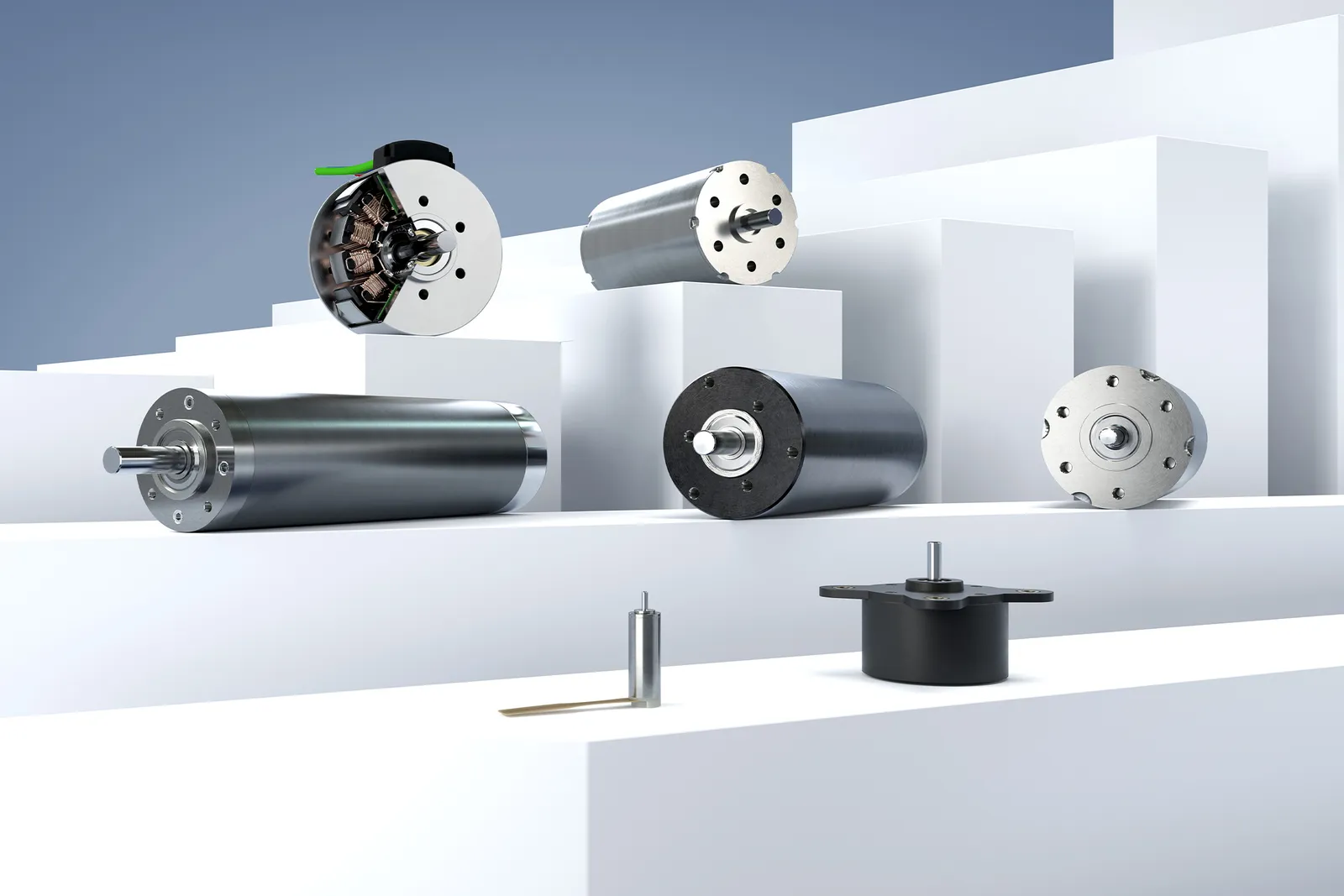
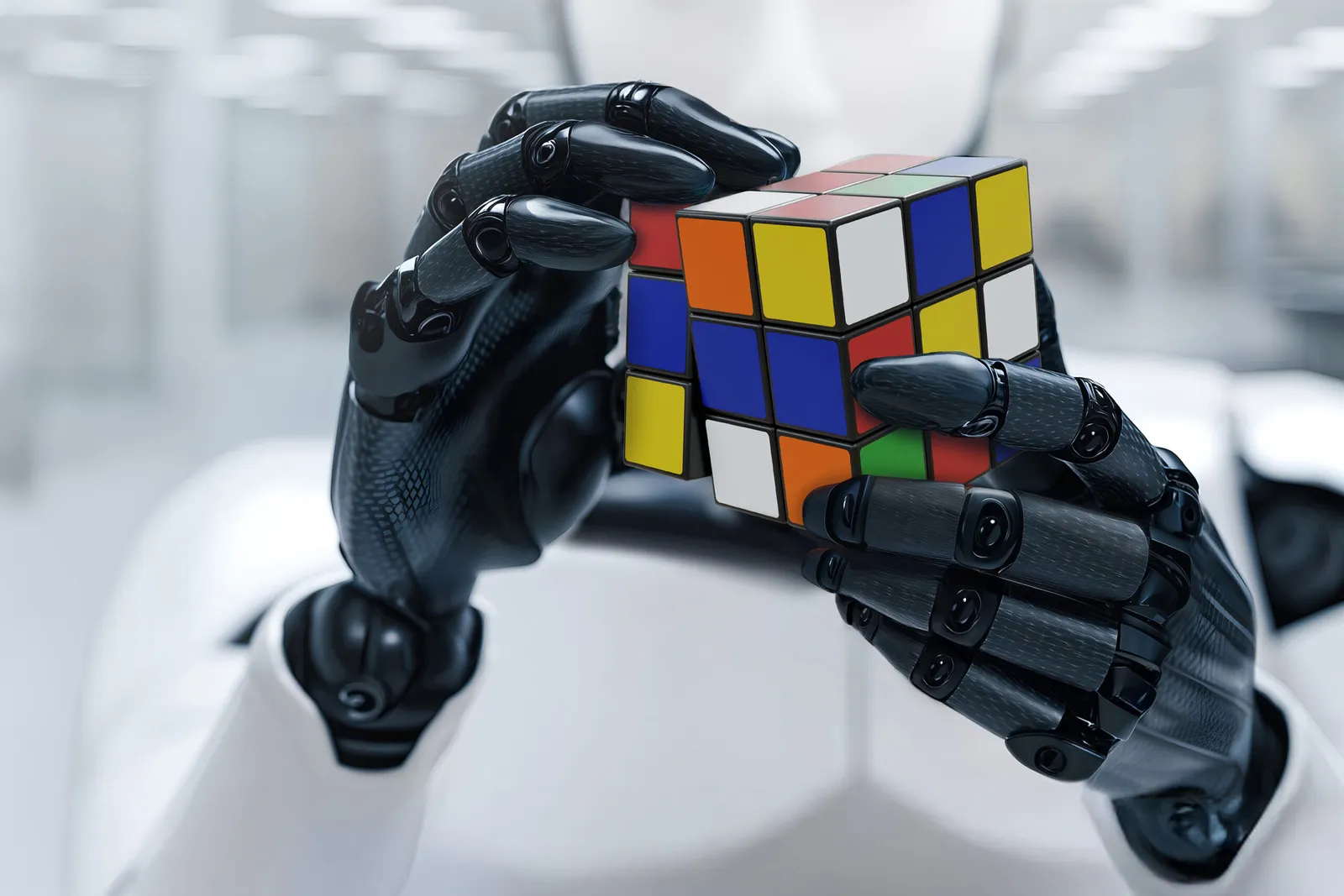
Hands may well be the most widely used tools humans have. With their mobility, fine motor skills and sensitive haptics, they form the most important link between the human body and its surroundings. One of the biggest and, at the same time, most promising challenges in robotics is to reproduce this broad range of functionality in an artificial hand. Thanks to millions of years of evolution, humans can use their hands to coordinate complex movements, pick up or grasp objects in different ways, respond to external stimuli and apply force in a controlled manner. We now expect the same versatility from robot hands, whether for automation or medical robotics, industrial applications or modern prostheses. It is about shape and mobility, but also miniature motors, intelligent control systems and the ability to adapt to changing environmental conditions.
Hands are an impressive interplay of 27 bones, more than 30 joints and muscles, and countless tendons and nerves, providing maximum flexibility and control. Artificial hands therefore face demanding requirements: they must be robust, flexible, lightweight, stable, compact and efficient at the same time. This puts materials, design and, above all, drive technology to the test. Electric motors provide powerful movement, sensors deliver the necessary feedback, and intelligent control systems coordinate all processes in real time. This applies to humanoid robotics just as much as to modern prosthetic technology. The two fields are closely related and use similar technical principles to enable movements that come as close as possible to the human original. For the most natural operation, robot hands need extremely precise, perfectly matched components. The aim is a symbiosis of technology and biology that augments human abilities or compensates for their loss.
Fine motor skills
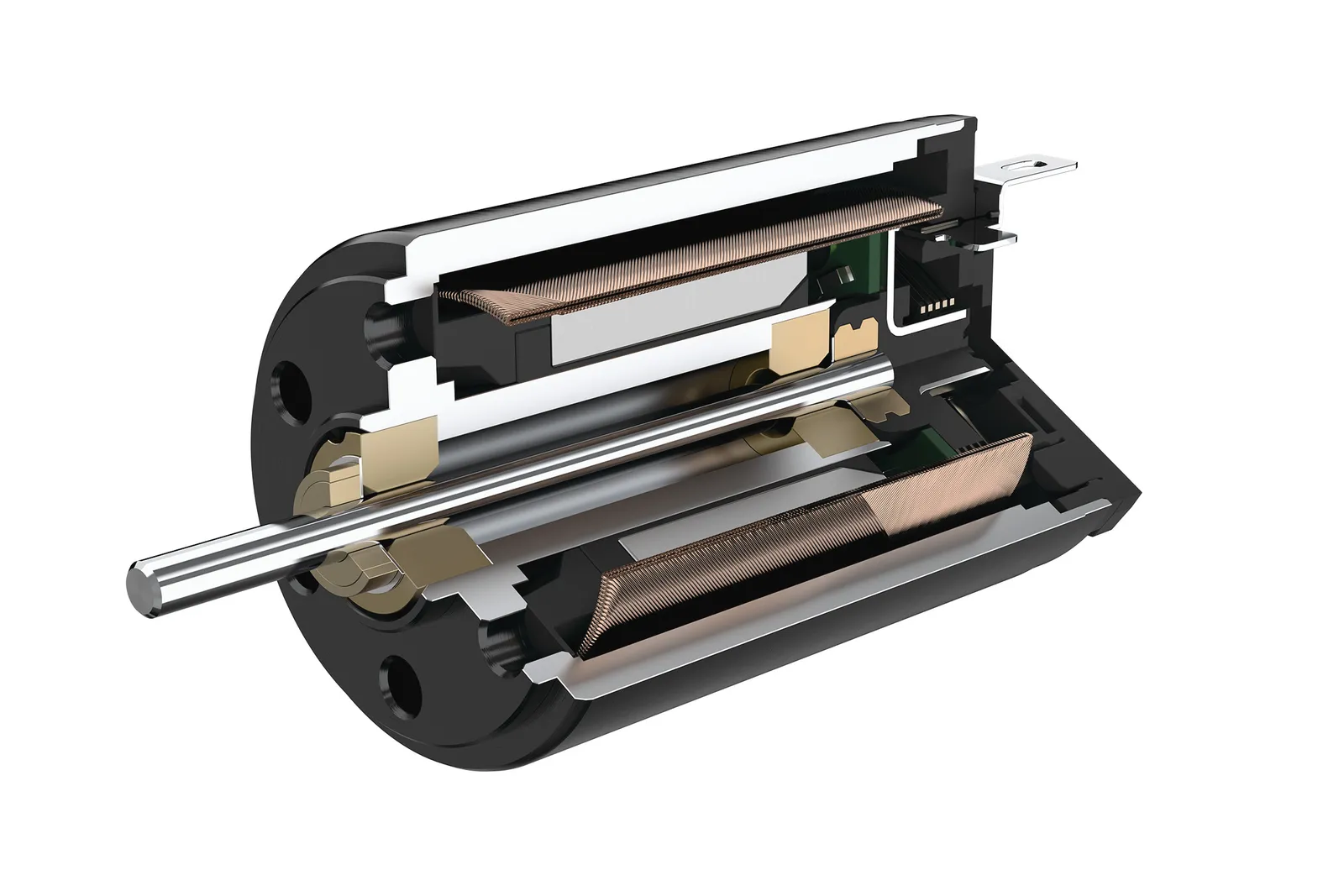
Humanoid robots provide the interface between artificial intelligence and the real, physical world. Their hands are not merely tools, they also support expression and interaction. The quality of their movements, how smooth, powerful or precise they are, depends primarily on the underlying drive technology. Miniaturisation, precision, dynamics and efficiency are decisive for a successful design. All the elements must work together perfectly to give movements a natural, human quality. High efficiency is particularly important because installation space and energy sources are limited, while the drives must operate reliably.
The fingers of a robot hand or prosthesis must be able to move independently. To achieve this, each individual finger is driven by one or more actuators. More than 20 drives often work together in each hand to enable the most complex movements. This calls for extremely compact drive systems, which usually consist of a motor, encoder, planetary gearbox, spindle and controller. Only then can the fingers be positioned individually for different grip patterns, from a firm grasp to delicate movements. The DC motors in FAULHABER's SXR product family are particularly well suited to this demanding application. With an innovative winding, powerful rare-earth magnets and various options for combining them with precision planetary gearheads, they offer the ideal specifications for an artificial hand.
Hands full of possibilities
FAULHABER has decades of experience in developing and manufacturing extremely precise drive systems, and understands the specific technical requirements of robot hands and modern prostheses. FAULHABER micromotors are used worldwide in high-end medical prostheses and robotic systems. They help realise a long-held technological dream: powerful, sensitive and dynamic movements in the smallest spaces. In both the human body and a humanoid robot, the quality of movement starts with the right drive.
Een zakelijke vraag aan FAULHABER Benelux B.V.? Get in touch
Companies in this story

Keep following this
Get an email when a new story is published. No account needed.
- ThemeRobots on the shop floor
- SubjectMotion, gears & drives
- CompanyFAULHABER Benelux B.V.







