












How NORD DRIVESYSTEMS intelligent drives increase availability
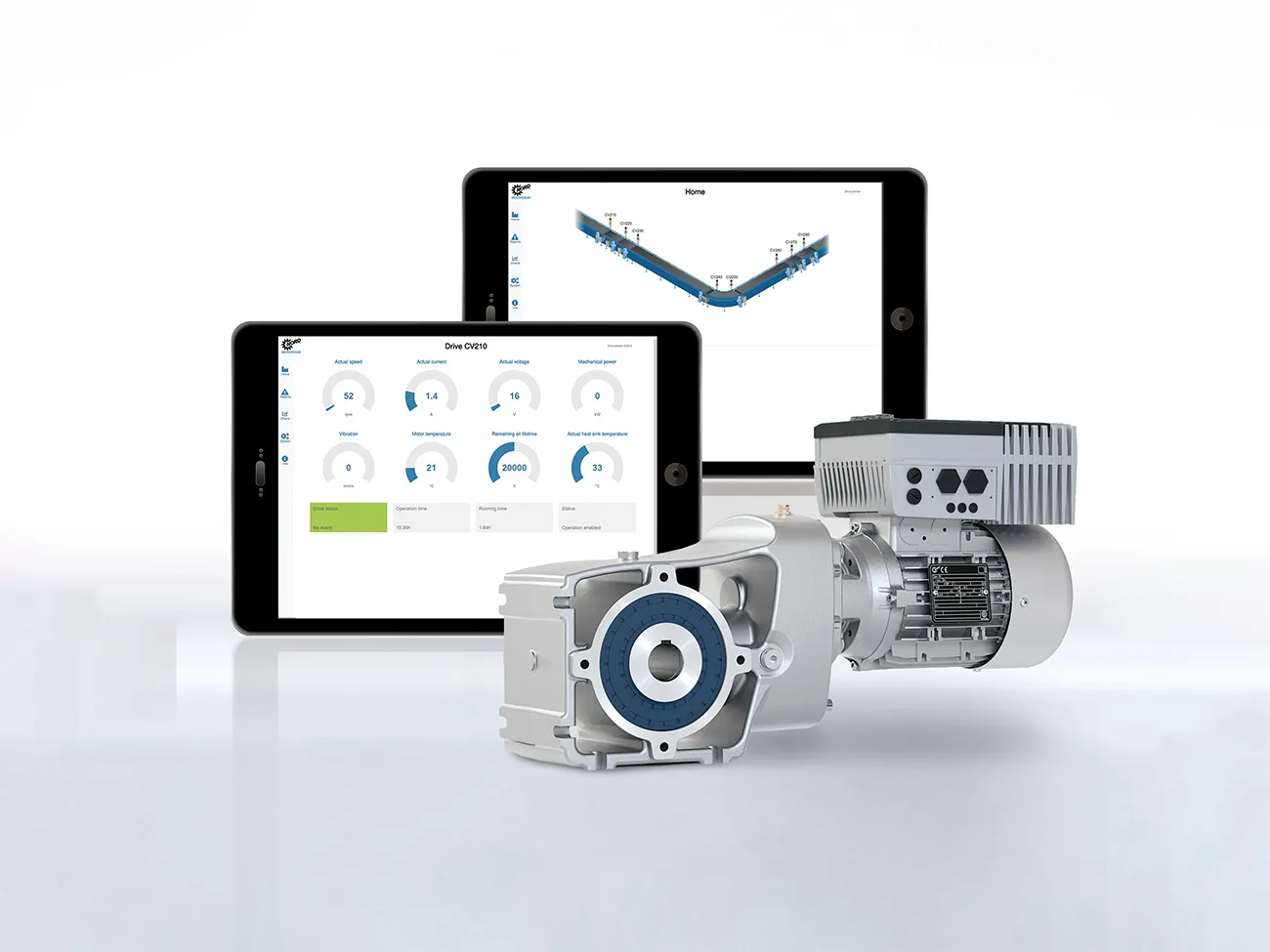
Predictive maintenance is the systematic extension of condition-based maintenance. Its aim is to maintain machines and systems proactively, detect changes, reduce downtime and improve the efficiency of the entire system. Condition-based maintenance replaces traditional time-based maintenance.
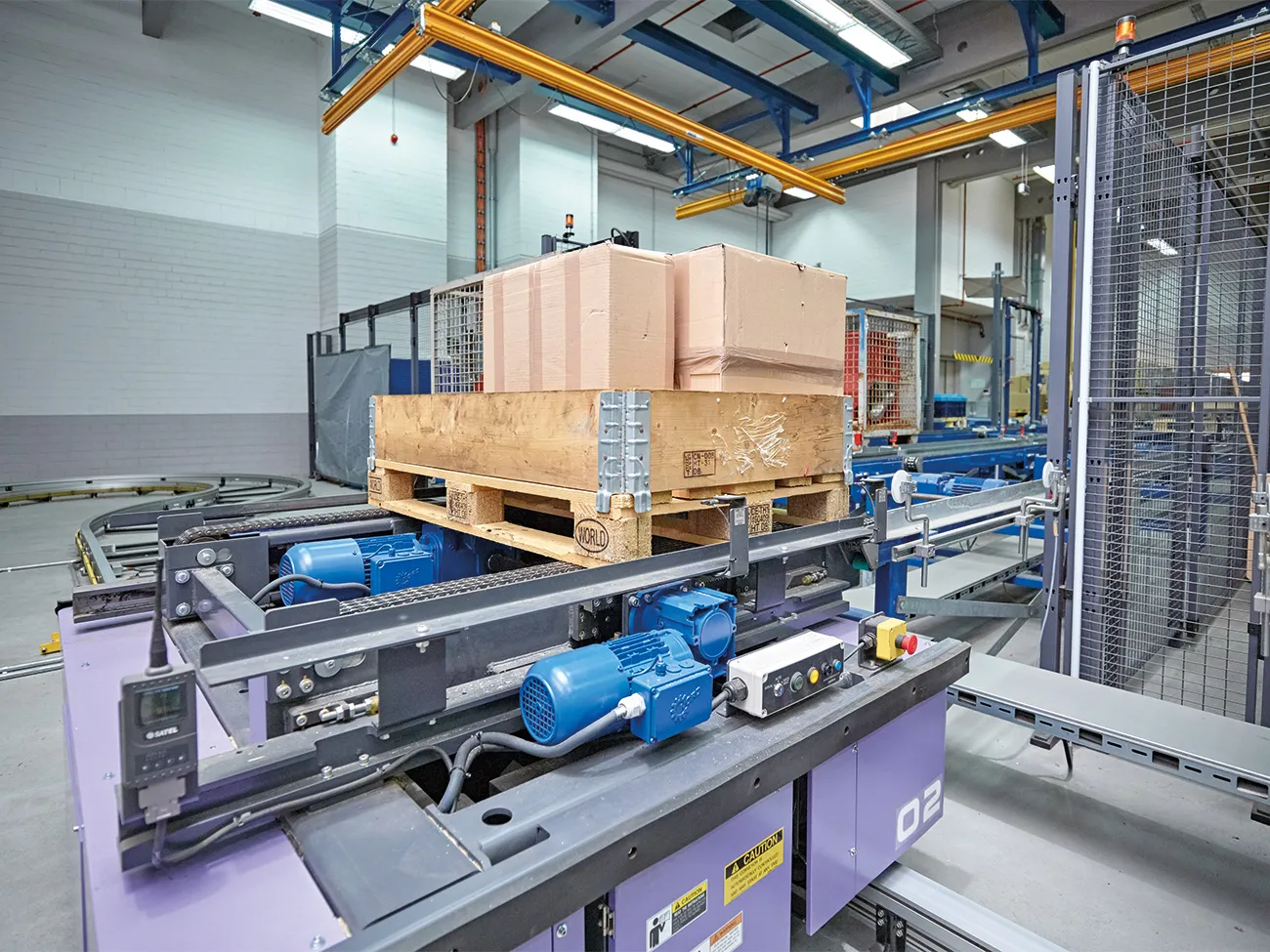
For drive systems in demanding production environments, where industrial gearbox systems are typically used in critical applications and their failure can cause serious damage, such as in intralogistics, the food industry or the heavy-duty sector, the combination of gearbox, electric motor and frequency inverter provides enhanced safety and reliability. This is where condition monitoring for predictive maintenance comes in: using intelligent algorithms and software in an IIoT environment, networked drive units can collect condition data in the inverter's PLC and pre-process it together with data from connected sensors and actuators.
The results of pre-processing, or the complete dataset, can optionally be sent to an edge device. There, data from all subsystems are managed and evaluated. The data are then available as pre-selected and processed smart data for further use and clear visualisation.
Analyse rather than just read
A practical example is sensorless determination of the optimum time for an oil change based on the oil temperature. This is based on the fact that oil temperature is an important indicator of oil ageing in gearboxes. This information, combined with the available gearbox parameters and specific operating parameters, makes it possible to calculate the timing of an oil change accurately. A physical temperature sensor is not required. The drive data are pre-processed in the integrated PLC of the NORD frequency inverter, which is used for the evaluation. The customer can access the calculated data via all standard interfaces.
The right PLC software architecture
The drive equipment can be expanded as required and adapted to the specific automation task. Customers can choose which tasks, such as drive monitoring, drive control and process control, they want to perform directly in the drive. In smaller production environments, this scalability makes it possible to gain experience with the approach before reorganising the factory.
Three configuration levels are available. At the first level, the drive unit's PLC only monitors the drive. The drive parameters are processed in advance in the PLC and passed on to the higher-level control system, which is responsible for drive and process control. At the intermediate level, the PLC integrates drive control and also performs drive-related functions. At the highest configuration level, the controller's PLC fully replaces the higher-level control system. In addition to communication with a control system, the data can optionally also be used for local data management without an internet connection.
Question about this story? Ask your question
Keep following this
Get an email when a new story is published. No account needed.
- ThemeMotion with less energy
- SubjectMotion, gears & drives







