












How are electric motors evolving to improve energy efficiency?
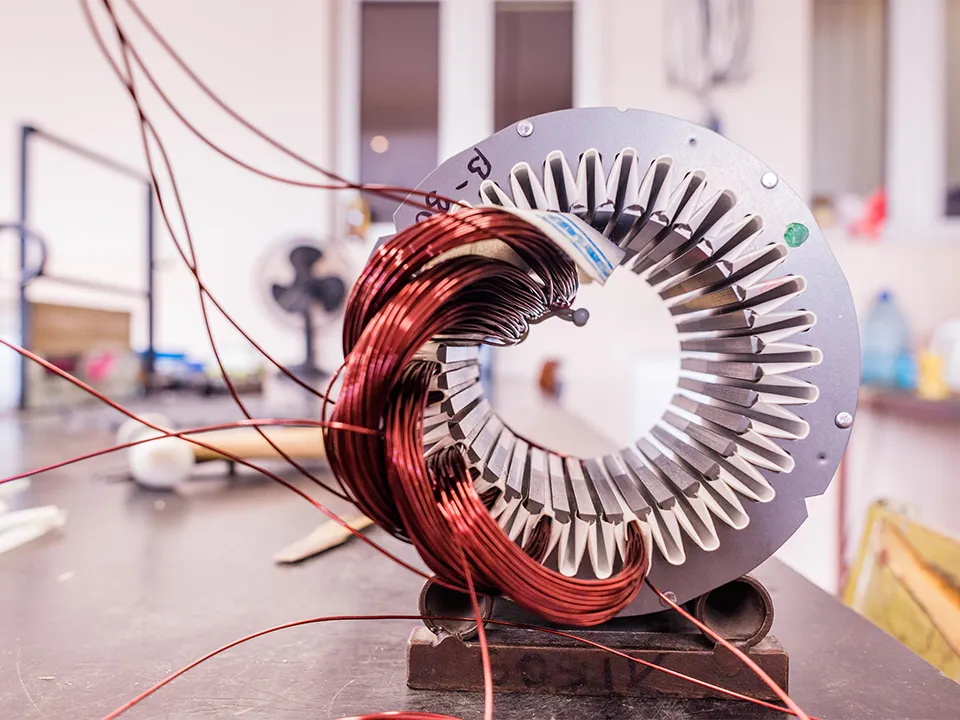
Electric motors account for around 45% of global energy consumption. That is no small amount.
It is no surprise that European ecodesign directives also target electric motors. From July, the bar for energy efficiency will be raised once again. But how do manufacturers keep pulling it off?
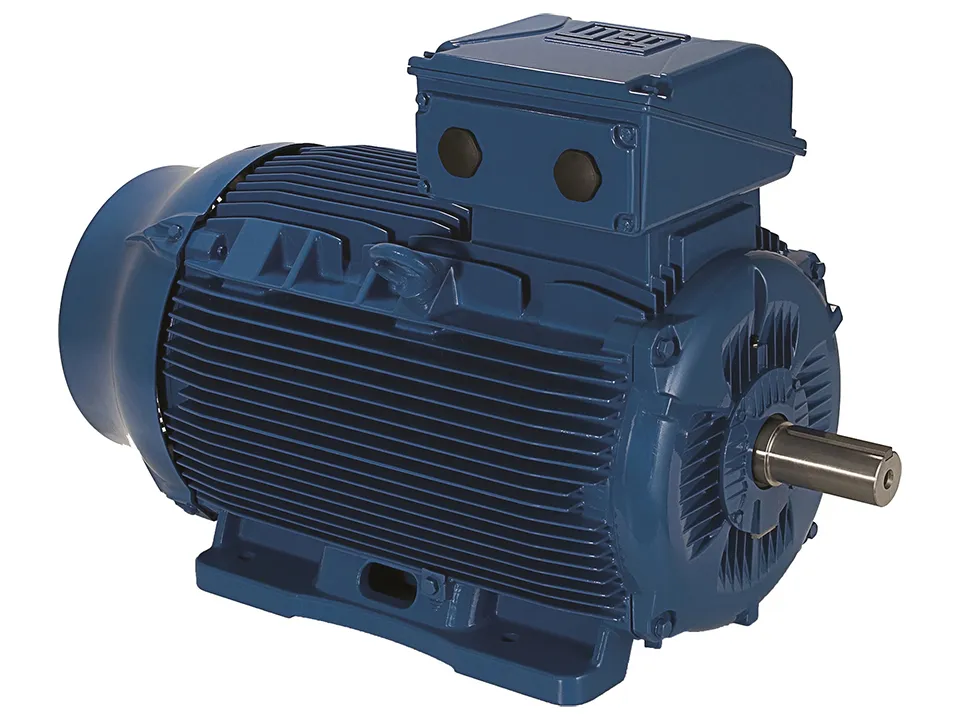
Motors are everywhere: in everything from fans to machine tools, and from pumps to cars. They are the beating heart that supplies every machine with the energy it needs. The changes electric motors have undergone since the first one was built in 1824 by Moritz Hermann von Jacobi have each been driven by growing demand for power, affordability, energy efficiency and connectivity. Today, the main challenge is to improve efficiency and reduce the impact electric motors have on the electricity supply, and therefore on global warming. End users should invest in this not only to protect the environment or because Europe requires it, but also to save money. Anyone who adds up all the costs of an electric motor over its entire service life will see that energy costs account for 95% to 97%. That is reason enough to see energy-efficient motors as a smart investment.
Growing focus on energy efficiency
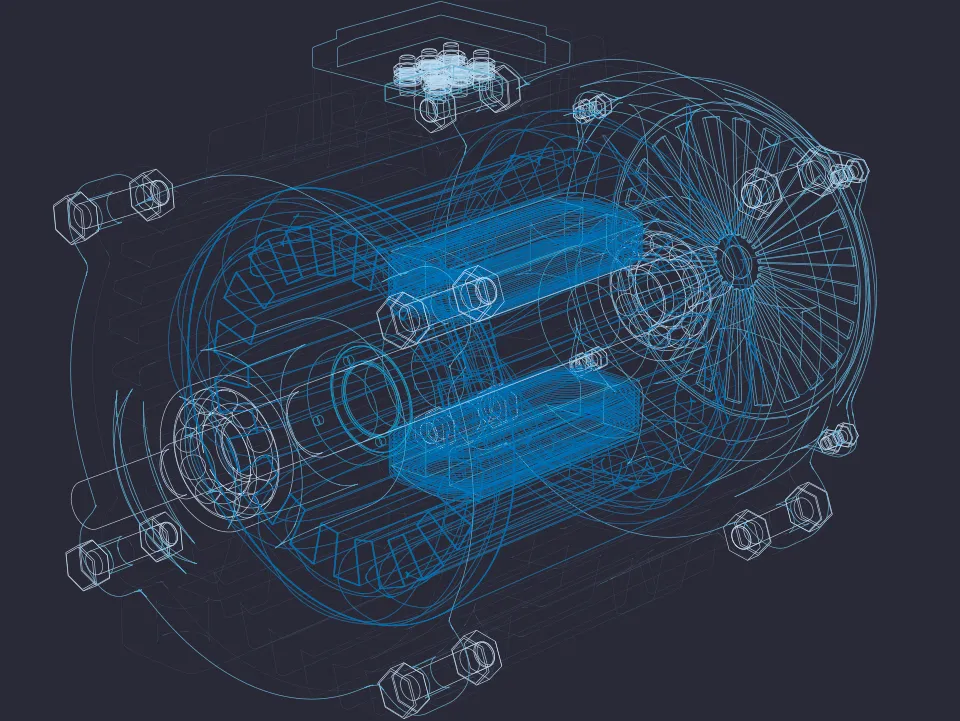
An electric motor’s energy efficiency is calculated as the ratio of its mechanical output power to its input power. Based on this performance, Europe classifies motors into energy efficiency classes ranging from IE1 (lowest) to IE5 (highest). Making these efficiency classes binding on industry in stages since 2012 has already led to major reductions in motor energy consumption. Industry is certainly taking them into account. In 2009, IE1 motors still accounted for 80% of the European market. By 2016, their share had fallen to 17%, while the share of more energy-efficient IE3 motors rose from 0% to 29% over the same period. From 1 July 2021, asynchronous motors must meet IE3 standards. For the first time, efficiency requirements will also be introduced for variable speed drives.
Identifying energy losses
So how do manufacturers pull it off? How do they make their motors more energy-efficient? The starting point is always to identify where losses occur. Improvements to reduce energy losses include reducing weight and experimenting with new materials such as plastics, aluminium and new insulating materials to create new possibilities for use. One example is the introduction of permanent-magnet motors. These AC motors have magnets embedded in or mounted on the rotor. This addition, combined with the interaction between the magnetic fields of the magnets and the stator, reduces reluctance. The result is constant torque, without the need for forced ventilation. IE4 motors of this type can be more efficient than conventional induction motors in the same class. They lose 20% less energy, weigh less and last longer: three benefits in one. Combined with a variable speed drive, they can save even more energy, up to 80%, while also meeting IE5. The high energy density of permanent magnets also makes them highly suitable for use in electric vehicles.
What comes after IE5?
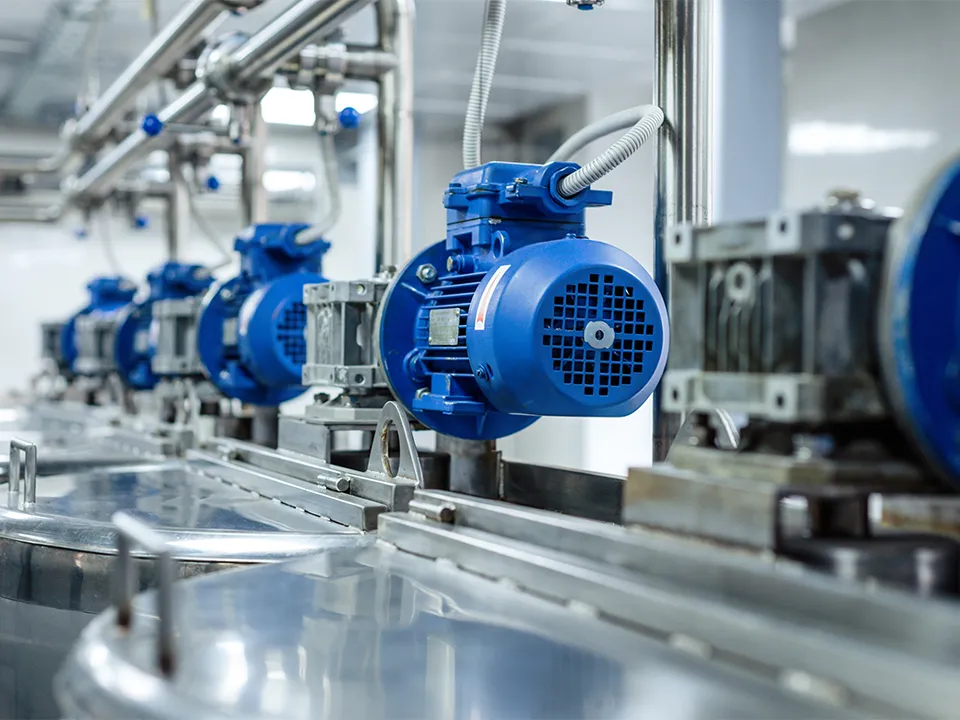
The path to IE5 therefore seems clear. But what can we expect beyond that? The anticipated IE6 standard will probably focus on greater efficiency in permanent-magnet motors and synchronous reluctance motors. One way to make progress could be to explore new insulation systems to prevent problems associated with ammonia, such as material corrosion. Researchers are also investigating exactly how polymers behave in electric motors. Metal parts do not always withstand the mechanical forces generated in motors very well. Thanks to their unique properties, polymers could offer an alternative. If components are no longer vulnerable to deformation, they can be made lighter, saving weight and energy. Polymers are already used in components such as end shields and feet for small motors. It is also possible to explore how polymer-based motor components can be optimally matched to one another to improve motor design. Household appliances already benefit from motors based on polymers.
The role of electronics in further energy savings
Alongside these mechanical developments, manufacturers are also using electronics to make their motors more energy-efficient. Sensors, for example, can measure motor behaviour in real time. They can detect vibrations and temperature changes that affect how much energy the motor consumes. Take vibrations, for instance. They are essentially unwanted movement or noise, and therefore amount to wasted energy. When vibration levels exceed the permitted thresholds, this may signal the onset of a fault. Fixing it in time not only prevents additional energy consumption, but also avoids the loss of valuable production time and the energy peak associated with restarting the machine. Modern IoT technologies can deliver further savings in this respect.
Conclusion
Electric motors have been evolving for more than 200 years. Engineers will have to keep refining their design and use so that electric motors can continue to meet the changing demands of modern society in the decades to come.
Question about this story? Ask your question
Keep following this
Get an email when a new story is published. No account needed.
- ThemeMotion with less energy
- SubjectMotion, gears & drives







